Fabricating Stainless Steel Mesh Baskets for Commercial Dishwashers
Commercial dishwashers depend on baskets that can tolerate heat, water pressure, detergents, repeated handling, and constant loading. A well-made stainless steel mesh basket protects cutlery and small utensils while allowing spray arms and rinse water to reach every surface. Its design has a direct effect on wash results, service life, and labour efficiency.
Fabricating stainless steel mesh baskets for commercial dishwashers requires more than cutting wire and welding it into a box. The manufacturer must match the mesh opening, wire diameter, basket dimensions, handle arrangement, edge treatment, and steel grade to the dishwasher and the kitchen’s operating routine. Small details can determine whether a basket slides smoothly into place or becomes a daily source of frustration.
Australian kitchens add practical considerations of their own. A busy café in Melbourne, a resort kitchen in Cairns, and a large restaurant in Perth may all need different basket capacities and corrosion resistance. Local food-premises requirements, freight distances, water conditions, and the working habits of kitchen staff should be considered before production begins.
Selecting Stainless Steel For The Working Environment
Stainless steel is widely used for commercial dishwasher baskets because it combines strength, corrosion resistance, and a cleanable surface. Grade 304 is suitable for many indoor kitchens, including baskets exposed to ordinary detergents and hot rinse cycles. Grade 316 may be a better choice where chloride exposure, aggressive chemicals, coastal air, or frequent salt contact increases corrosion risk.
The correct grade should be selected with the dishwasher manufacturer’s recommendations and the site conditions in mind. A seafood restaurant near Newcastle or a beachside venue on the Gold Coast may experience more salt exposure than an inland café. Brisbane’s humid climate can also make drainage, drying, and material selection important, particularly in kitchens where baskets are stored wet between shifts.
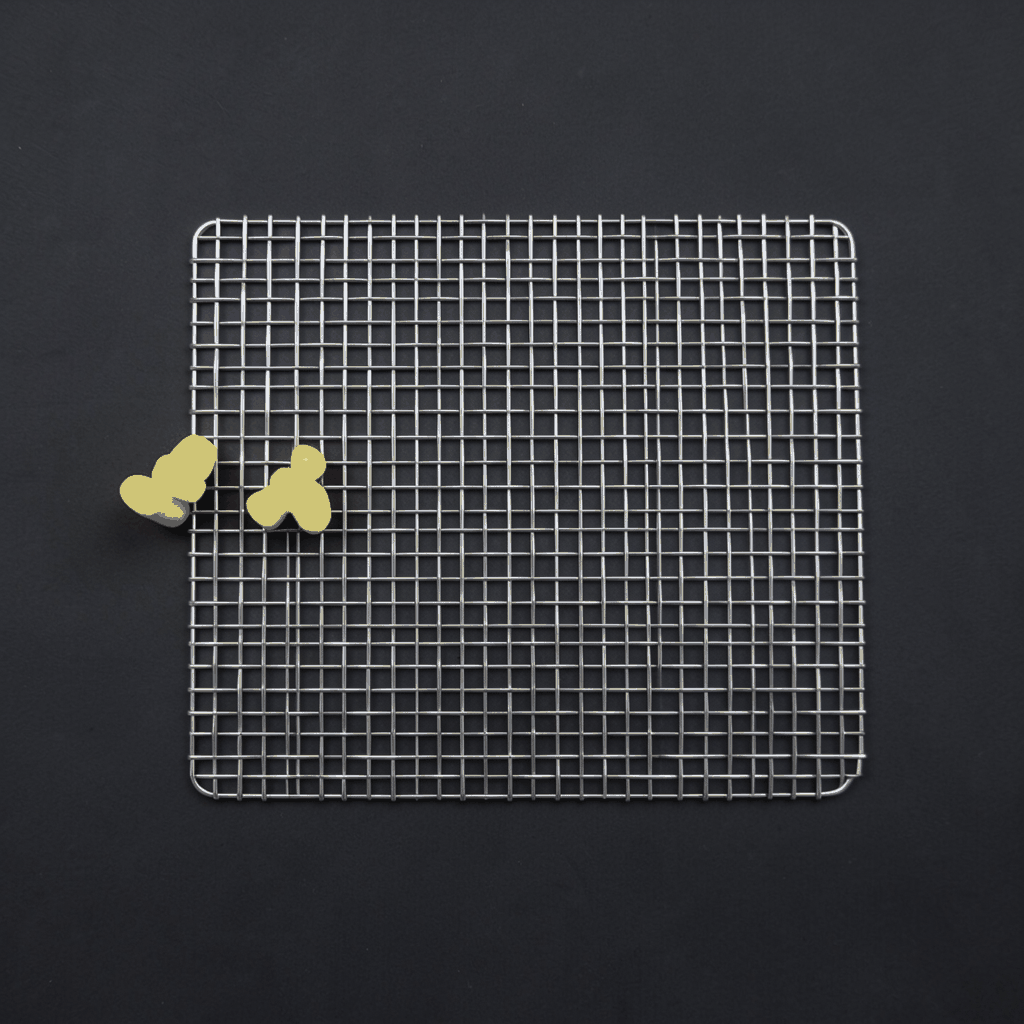
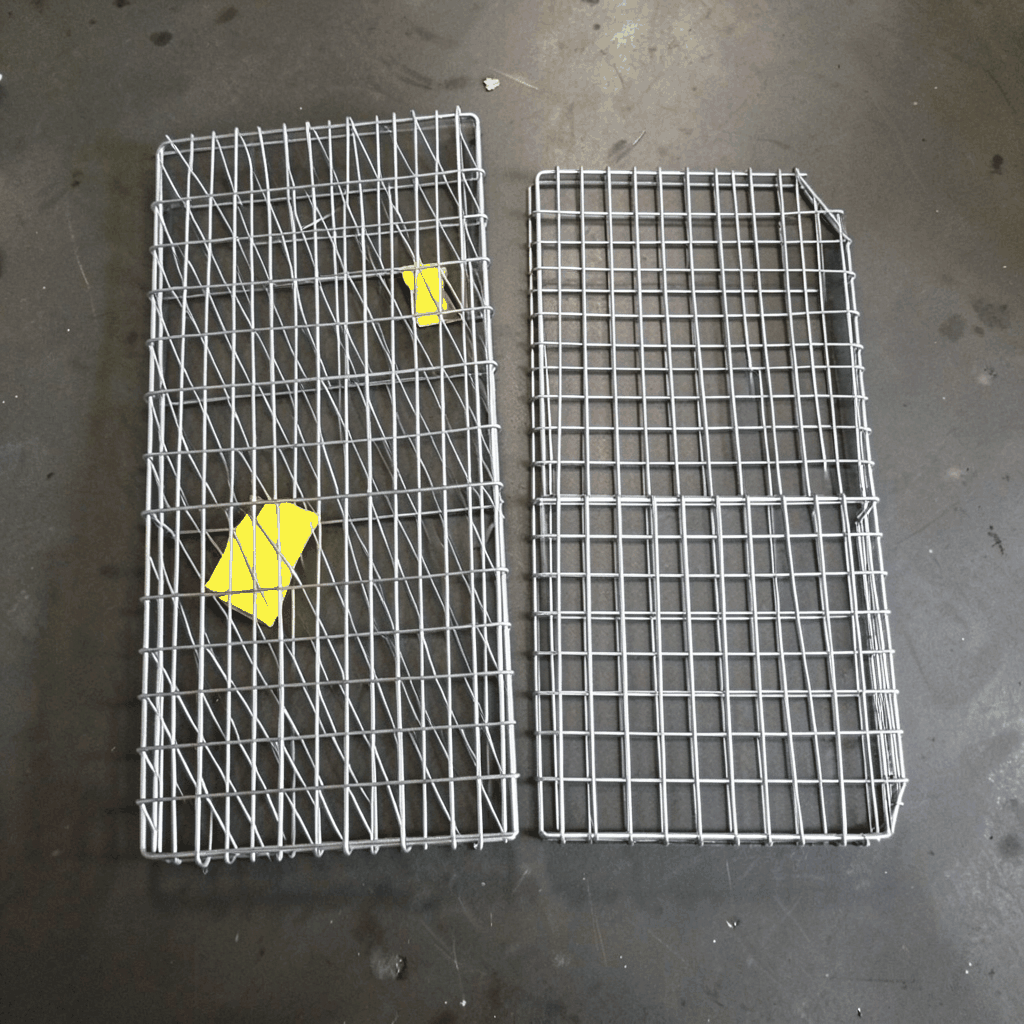
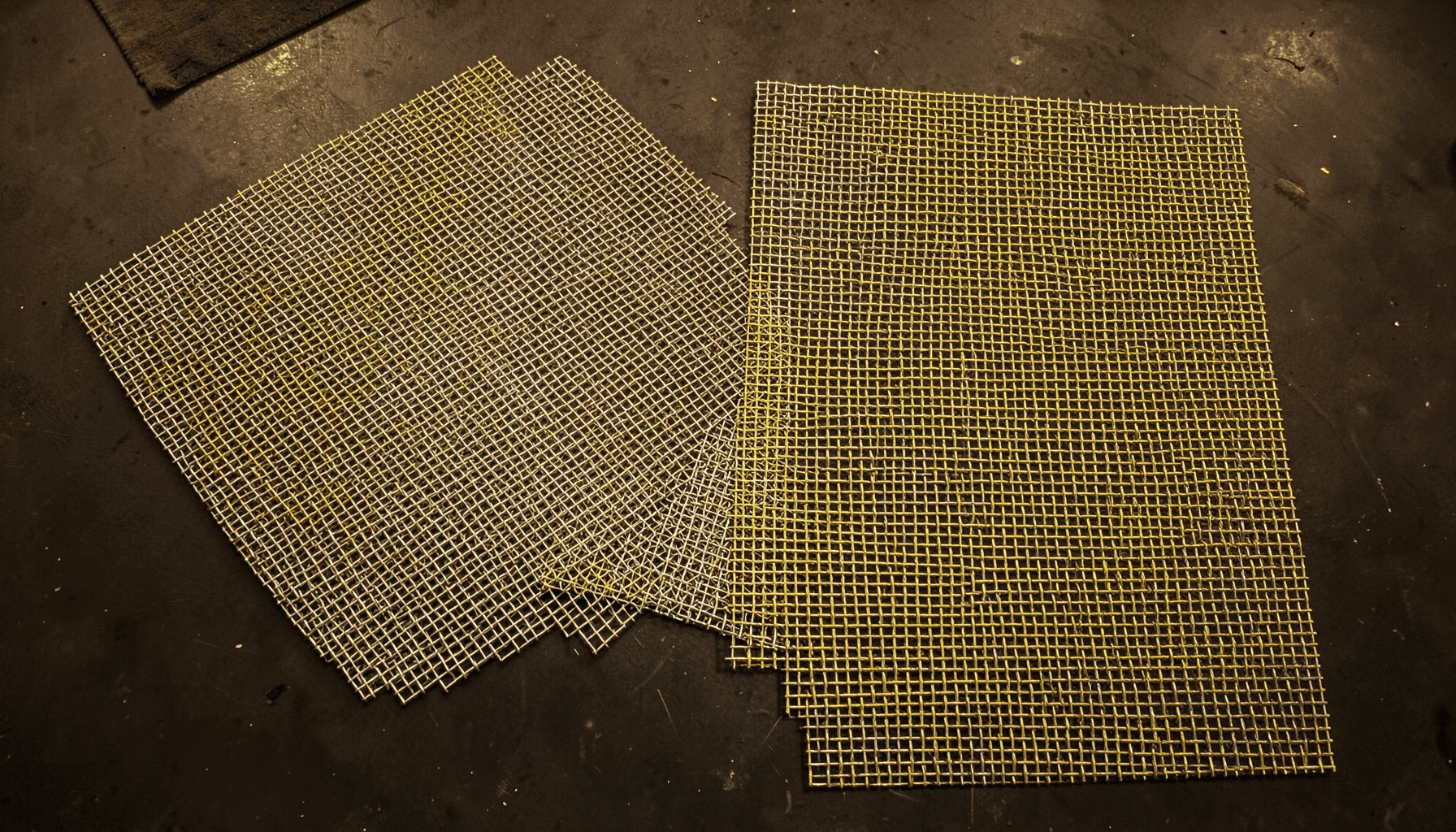
Wire mesh can be supplied in welded or woven form. Welded mesh generally provides a stable grid with consistent openings and a firm shape, while woven mesh offers flexibility and can suit certain fine containment applications. For cutlery baskets, welded stainless steel mesh is often preferred because it resists distortion and gives utensils dependable separation.
Designing Dimensions And Load Capacity
The first step is to measure the dishwasher rack, guide rails, door clearance, and usable internal height. A basket that is only a few millimetres too wide may catch on the rack, while excessive clearance can allow it to move during a wash cycle. Measurements should include the basket body, welded edges, feet, handles, and any projecting fasteners.
Capacity must be balanced against spray access. Overly deep baskets encourage staff to pack utensils tightly, leaving shadowed areas that are difficult for water and detergent to reach. A shallower basket with suitable dividers may deliver cleaner results and faster unloading. The design should also prevent knives, forks, and spoons from falling through the base or becoming trapped against the sidewall.
Load strength depends on the wire diameter, mesh pattern, frame arrangement, and support points. A basket used for heavy kitchen tools needs a stronger perimeter frame than one intended only for light cutlery. Reinforced corners and a supported base reduce sagging when the basket is lifted full, especially during rapid service periods when tradies and kitchen staff are moving equipment in a hurry.
Choosing Mesh Openings And Basket Geometry
Mesh aperture affects both cleaning performance and containment. Large openings improve water circulation but may allow small teaspoons, coffee spoons, or detachable utensil parts to fall through. Fine mesh contains small items more effectively, yet it can restrict spray penetration and retain food particles if the opening is too small.
The most useful design is usually a compromise between drainage, wash coverage, and secure storage. Rounded or folded corners reduce areas where grease and debris can collect. A smooth transition between the base and sidewalls also makes the basket easier to rinse manually when a commercial dishwasher cannot remove baked-on food.
Basket geometry should reflect the intended contents. A vertical cutlery basket can separate items for better spray contact, while a shallow horizontal tray may suit serving utensils or small kitchen tools. Dividers, removable inserts, and dedicated compartments can be added for cafés, hospitals, aged-care facilities, and catering operations with different utensil mixes.
Forming And Welding The Stainless Mesh
Manufacturing begins with accurate cutting and forming. CNC mesh cutting, press forming, or controlled manual fabrication can be used depending on volume and complexity. Consistent bends are important because uneven walls may prevent the finished basket from sitting level or entering the dishwasher rack correctly.
TIG welding is commonly used where a neat, controlled joint is required. Welds should be continuous or strategically placed according to the load and basket design, with no sharp projections that can cut hands or damage rubber seals. The perimeter frame should be securely joined to the mesh so it does not loosen after repeated thermal cycling.
Heat-affected areas may need cleaning and passivation after welding. This removes surface contamination and helps restore the protective chromium oxide layer on stainless steel. A clean, properly finished weld is easier to inspect and less likely to develop staining, tea-coloured heat marks, or early corrosion in a demanding kitchen.
For buyers comparing suppliers, a custom mesh manufacturer can provide useful guidance on material grades, mesh patterns, edge structures, and production methods. Sharing the dishwasher model, rack drawings, sample basket, and expected daily load will help the fabricator develop a practical solution rather than relying on generic dimensions.
Finishing For Hygiene And Safe Handling
A commercial dishwasher basket should have smooth, accessible surfaces with minimal crevices. Burrs, broken wires, rough welds, and exposed cut ends can injure staff or trap food residue. Every corner and edge needs visual and physical inspection before the basket is packed for delivery.
Electropolishing can be considered for applications where a particularly smooth, bright, and cleanable finish is required. Mechanical polishing, pickling, and passivation may also be used depending on the stainless grade and welding method. The selected process should not create a finish that flakes, contaminates wash water, or hides defects.
Handles deserve close attention because they are frequently touched when hot and wet. They should be positioned clear of the rack and door, with enough room for gloved hands if required. Folded wire handles, tubular handles, or reinforced lifting loops may be selected according to basket size and weight.
In Australian commercial kitchens, operators often clean equipment during a tight changeover between lunch and dinner service. A basket that drains quickly, dries easily, and can be checked at a glance supports better hygiene routines. It also reduces the time staff spend scrubbing awkward corners after the arvo rush.
Specification Checklist
Before approving a production drawing, confirm the dishwasher and operating details. A replacement basket should be tested in the actual rack where possible, rather than judged from a catalogue image. The following points establish a useful baseline:
- Dishwasher make, model, rack dimensions, and internal clearances
- Stainless steel grade, wire diameter, and mesh aperture
- Intended contents, approximate load weight, and basket orientation
- Handle position, divider layout, feet, and stacking requirements
Quality inspection should cover both appearance and function. A sample basket can be loaded with typical utensils, placed in the rack, and moved through a complete wash cycle. This reveals problems such as trapped cutlery, unstable stacking, contact with spray arms, or water pooling in folded sections.
For repeat orders, retain an approved drawing with revision details and inspection criteria. This is especially useful for hospitality groups operating venues across Sydney, Adelaide, and regional areas. A consistent specification helps procurement teams reorder the same basket while allowing a manufacturer to identify any requested change before cutting material.
Useful checks before dispatch include:
- Dimensional inspection against the approved drawing
- Weld, burr, edge, and surface-finish inspection
- Trial fit in the dishwasher rack or supplied sample frame
- Packaging protection for long-distance Australian freight
Testing Durability In Commercial Service
Laboratory checks are valuable, but real service conditions often expose issues more quickly. A basket should be tested for repeated loading, lifting, sliding, hot washing, chemical exposure, and drying. The test should reflect how staff actually use it, including hurried handling and uneven loading.
Thermal cycling can reveal weak welds and distortion. Repeated movement through racks may show whether feet wear down or whether the frame catches on guide rails. If the basket is intended for high-volume use, the test programme should include many cycles rather than a single demonstration wash.
Chemical compatibility matters because commercial dishwashers can use strong alkaline detergents, rinse aids, and sanitising products. The fabricator and end user should confirm concentration limits and cleaning procedures. Chloride-containing products should be avoided unless the stainless grade and maintenance programme are specifically suited to them.
Water quality can vary between Australian sites. Hard water may leave deposits on the mesh, while incorrect detergent dosing can accelerate staining. In remote Western Australian locations, replacement planning also matters because freight lead times can be longer and a failed basket may interrupt kitchen operations. Keeping accurate dimensions and an approved sample makes future replenishment faster.
Supplying Baskets For Australian Kitchens
The best supply arrangement depends on whether the customer needs one replacement basket, a small batch for several venues, or a recurring production run for an equipment distributor. A fabricator should be able to discuss prototypes, manufacturing tolerances, packaging, and delivery before confirming a price. Clear drawings reduce rework and help control costs.
Australian buyers should also consider how the baskets will arrive. Stainless components need protective packaging that prevents scratching, bending, and contact with contaminated materials during transport. This is important when goods travel from an interstate warehouse to a regional centre or move by road from the east coast to Perth.
Custom fabrication is valuable when an original basket is obsolete, a dishwasher uses a non-standard rack, or a business wants to improve throughput. A replacement may include extra compartments, stronger wire, a different depth, or a finish better suited to frequent manual rinsing. The aim is a basket that integrates with the existing workflow rather than forcing staff to change every handling step.
A reliable manufacturer should communicate material availability, sample approval, production timing, and inspection results in plain terms. That practical approach suits Australian hospitality procurement, where buyers need dependable equipment, sensible lead times, and parts that can withstand daily commercial use. Begin with the dishwasher model and a precise measurement set, then request a drawing or prototype for approval before placing the full order.