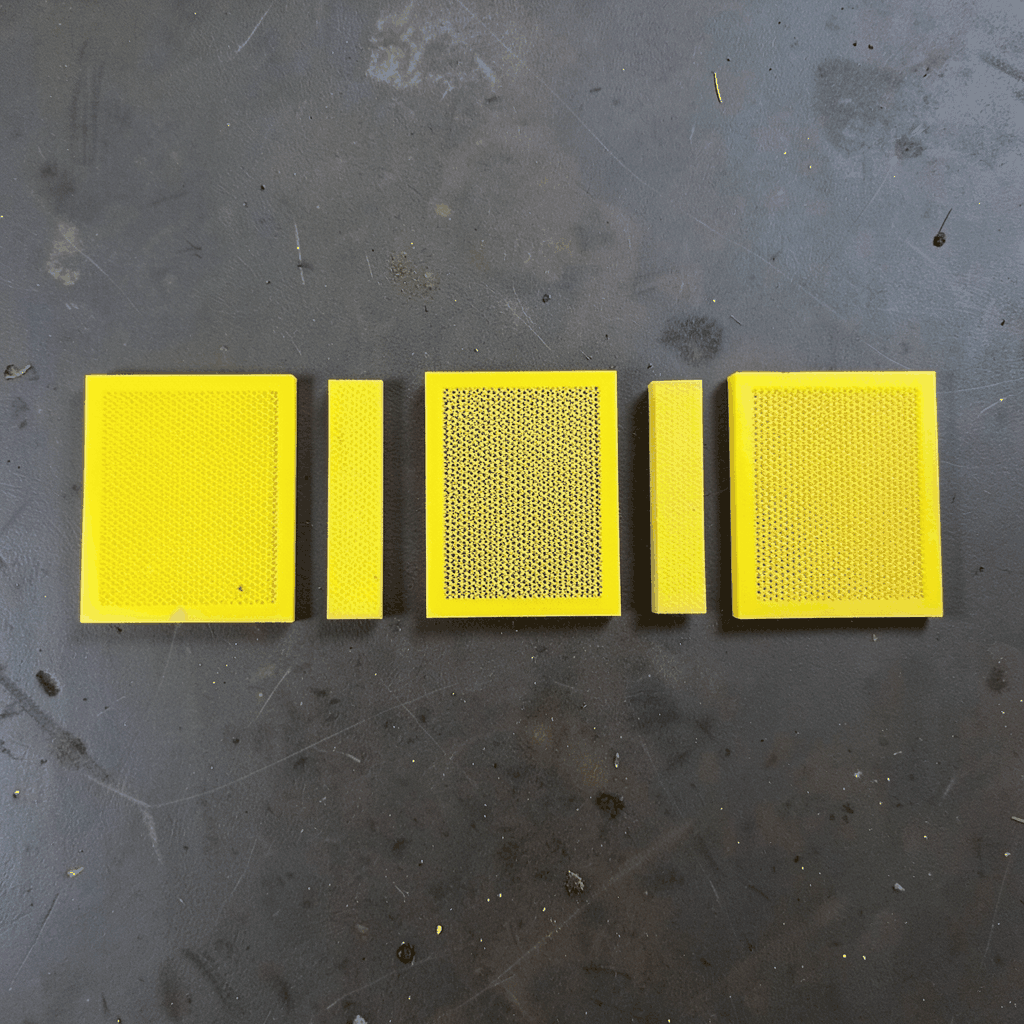
Heavy-Duty Steel Mesh for Security Door Inserts and Grilles
Heavy-duty steel mesh provides a practical way to strengthen security doors, window grilles, service openings and internal barriers without making a building feel closed in. Compared with solid panels, woven or welded metal mesh can preserve airflow, daylight and visibility while creating a robust physical barrier against forced entry, accidental impact and everyday wear.
For Australian homes, retail premises, warehouses and public buildings, the right mesh must suit local conditions as well as the required security level. A coastal property near Sydney, Brisbane or Perth may need stronger corrosion protection, while a commercial site in Melbourne or Adelaide may place greater emphasis on appearance, access control and long service life. Shuo Ke Wire Mesh Product Technology Co., Ltd. manufactures and processes customised steel and architectural metal mesh solutions for these varied applications.
Why Steel Mesh Suits Security Openings
Steel mesh combines tensile strength with an open structure that supports ventilation and visibility. This makes it suitable for security door inserts, screen doors, fixed grilles, window guards, plant-room barriers and protective panels around equipment. Staff can see through a mesh partition, residents can maintain a clear view from an entryway, and air can circulate through enclosed areas.
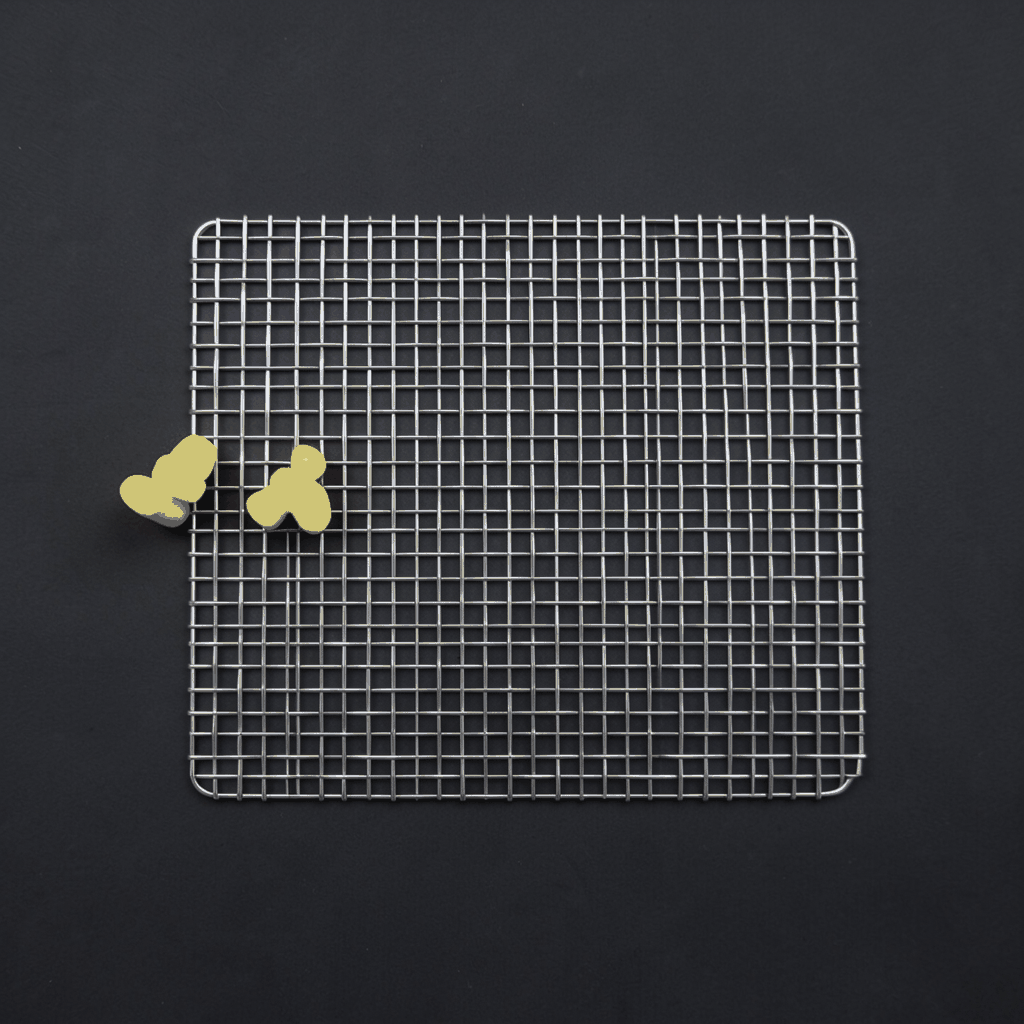
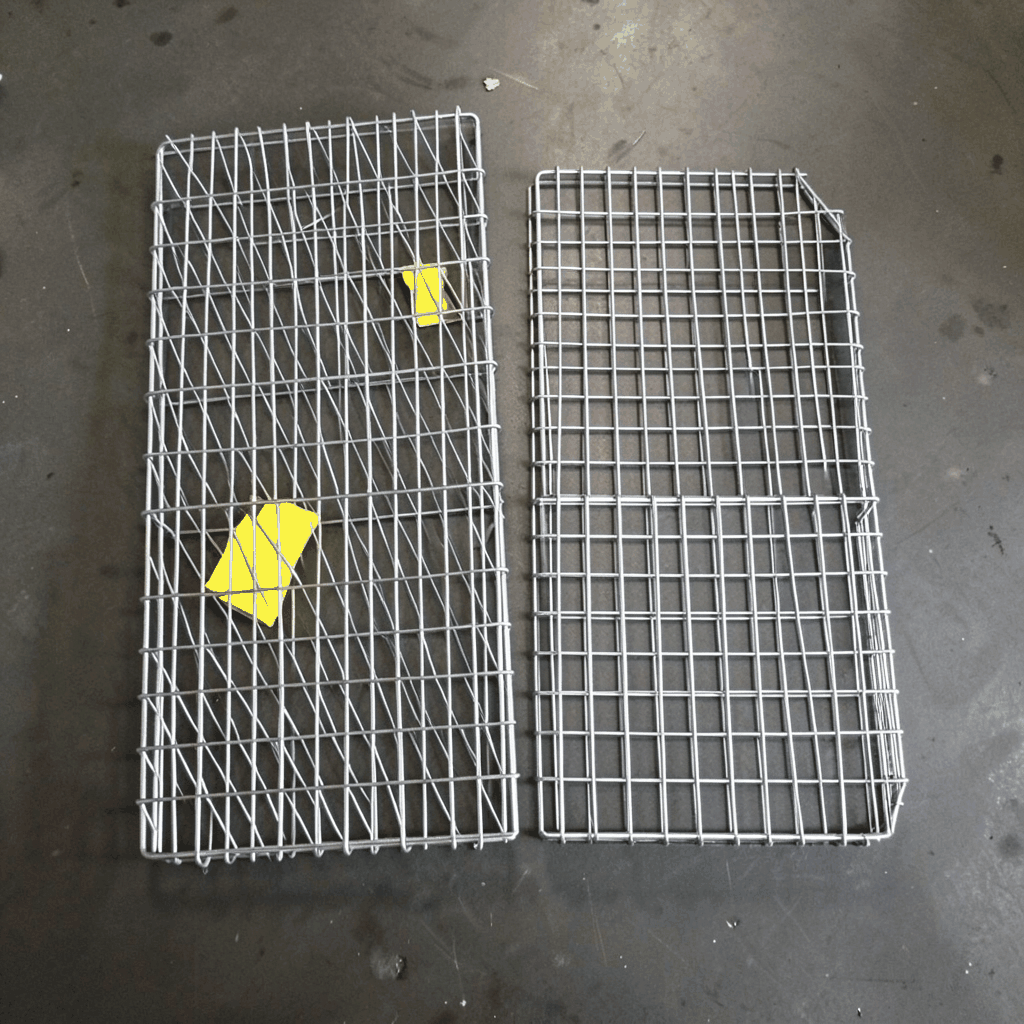
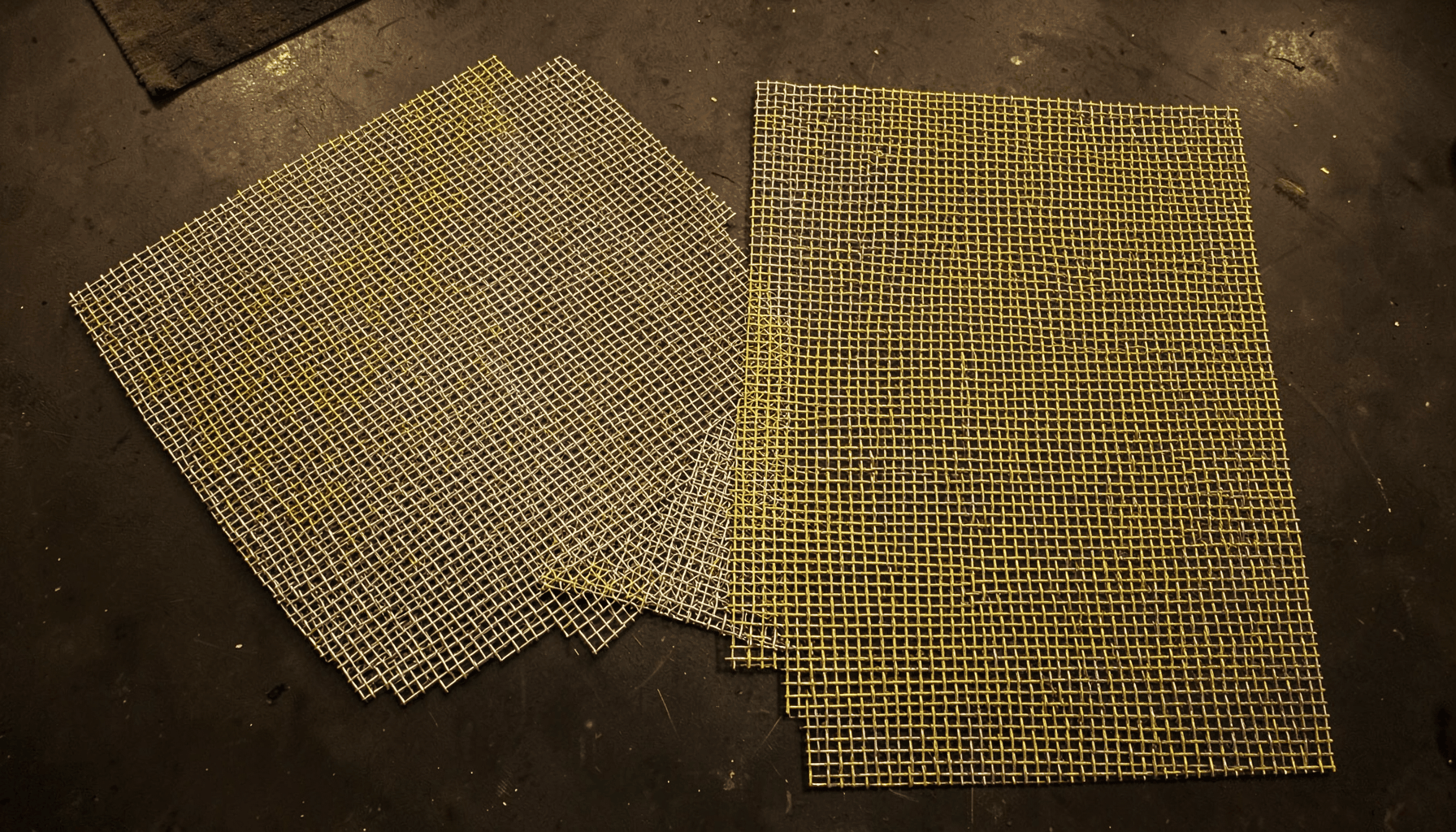
Welded mesh is formed by joining longitudinal and cross wires at fixed intersections, producing a stable panel with consistent openings. Woven mesh uses interlaced wires and can provide a finer, more flexible surface. Expanded metal creates a strong sheet with diamond-shaped openings and a continuous structure. Each type offers different performance characteristics, so the selection should reflect the opening size, expected impact, appearance and fixing method.
For high-use entrances, steel mesh can be incorporated into a framed door leaf rather than used as a loose insert. A properly engineered frame helps distribute loads around hinges, locks and corners. This is important for apartment entries, commercial back doors and industrial access points where the door may be opened and closed hundreds of times each week.
Choosing The Right Mesh Construction
The wire diameter, aperture size and material grade all affect the performance of a security grille. Thicker wire generally offers higher resistance to bending and cutting, while smaller openings reduce the space available for tools to pass through. The design should still allow the selected lock, hinges and frame to work correctly without creating unnecessary weight.
Galvanised steel is widely used where a cost-effective protective coating is required. Powder-coated steel can provide a broad range of colours and a clean architectural finish, allowing a grille to coordinate with brickwork, rendered walls, aluminium frames or dark contemporary façades. Stainless steel is a strong choice for demanding environments, particularly where moisture, cleaning chemicals or a premium finish are important.
Material choice should account for the whole assembly rather than the mesh alone. Fixings, hinges, welds, frame sections and lock housings may become weak points if they are poorly matched. For a coastal home in Newcastle or a hospitality venue near the Gold Coast, corrosion-resistant components and sealed joints can significantly extend the working life of the installation.
Security Door Inserts For Homes And Apartments
Mesh inserts are often used in front doors, rear doors, courtyard gates and side access doors. They can improve security while allowing homeowners to open the main door for fresh air or visibility. In warmer areas such as Darwin, Cairns and northern Queensland, ventilation is especially valuable, although the mesh must be paired with a properly designed frame and lock system.
For residential projects, the appearance of the security screen matters almost as much as its strength. A fine black mesh can suit a modern renovation, while a galvanised or powder-coated finish may work better with a traditional façade. Decorative patterns, laser-cut backing panels and contrasting frames can add visual character without removing the protective function of the grille.
Apartment projects bring additional considerations. Body corporates and strata managers may require consistent colours, approved fixing details and a finish that matches the existing building. Door inserts must also avoid obstructing common corridors, fire equipment or required access paths. A manufacturer can prepare mesh panels to specified dimensions and provide details for review before fabrication.
Commercial And Industrial Grille Applications
Retail shops, cafés, warehouses and workshops often require security grilles that can handle repeated use and occasional impact. Steel mesh roller shutters, fixed screens and hinged grille doors can protect stock, machinery, electrical equipment and restricted zones. An open pattern may also help supervisors monitor an area without removing a physical separation between workers and equipment.
In industrial settings, mesh panels are commonly used for machine guarding, storage cages, maintenance platforms and controlled-access enclosures. The aperture should be selected to prevent hands, tools or materials from reaching moving parts or hazardous equipment. Clearances and guarding arrangements need to be checked against the relevant workplace safety requirements for the application.
Australian commercial properties frequently balance security with street presentation. A shopfront in Melbourne’s inner suburbs may need a grille that looks unobtrusive after business hours, while a warehouse in Western Sydney may prioritise impact resistance and rapid access. In regional areas, durable finishes and easy maintenance can be especially useful where replacement parts or specialist trades may take longer to arrange.
Australian Climate And Compliance Considerations
Australia’s varied climate creates different demands for metal mesh. Salt-laden air can accelerate corrosion around coastal locations such as Wollongong, Fremantle and the Sunshine Coast. In these areas, stainless steel or a carefully specified coating system may be preferable to basic untreated steel. Drainage, edge sealing and regular washing also help reduce the build-up of salt and contaminants.
Bushfire-prone regions require careful product selection and project-specific assessment. In areas subject to a Bushfire Attack Level, or BAL, the complete door and screen arrangement may need to satisfy relevant construction requirements for ember exposure or radiant heat. Steel mesh does not automatically make an opening compliant, so the building designer, certifier or other qualified professional should verify the proposed assembly.
Security screen doors and window grilles may also be assessed against Australian Standards such as AS 5039, with installation considerations linked to AS 5041 where applicable. Requirements can vary according to the building type, location and intended use. A supplier can manufacture to the required dimensions and specifications, but the project team remains responsible for confirming compliance, approvals and installation details.
Fabrication, Finishing And Installation Details
Accurate measurement is essential when producing a mesh insert or grille. The opening should be checked for width, height, squareness, reveal depth, sill conditions and nearby hardware. For replacement work, photographs and drawings can help confirm hinge positions, lock clearances and the relationship between the mesh panel and the existing door frame.
Shuo Ke Wire Mesh Product Technology Co., Ltd. can process steel and other metals into customised panels for architectural and industrial requirements. Fabrication may include cutting, welding, bending, framing, surface treatment and preparation for site installation. Custom production is useful when an opening has unusual dimensions or when several doors need matching panels across a residential or commercial development.
The finish should be selected according to exposure and maintenance expectations. Powder coating can support colour coordination, while galvanising offers a practical protective layer for many external applications. Stainless steel may be specified for a clean, durable appearance in coastal, food-service or high-cleaning environments. Welds and cut edges should receive suitable treatment so that the protective system remains continuous.
Design Value Beyond Basic Protection
A security grille can contribute to the architectural character of a building when its proportions, pattern and finish are considered early. Repeated mesh modules can create a disciplined rhythm across a façade, while framed panels can divide a large opening into manageable sections. Decorative metal screens may also be layered behind or in front of a grille to provide privacy without blocking all airflow.
For public buildings, offices and hospitality venues, mesh can define circulation areas without producing the heaviness of a solid wall. It can separate reception zones, service counters, loading areas and restricted corridors while maintaining visual connection. In residential settings, a mesh partition can protect a verandah or entry while retaining the open character that suits Australian outdoor living.
The same design principles apply to gates, balcony barriers, elevator surrounds and equipment screens. A consistent material palette can link security doors with wall cladding, fencing and interior partitions. Copper, aluminium and stainless steel may be used for decorative elements, while steel remains a dependable option where toughness and economical fabrication are central requirements.
Selecting A Reliable Manufacturing Partner
A suitable supplier should be able to discuss mesh type, wire size, aperture, frame construction, coating, tolerances and installation conditions before production begins. Clear technical communication reduces the risk of a panel arriving with the wrong clear opening or a lock recess that does not align with the door hardware. Drawings, samples and finish references are useful when appearance is important.
Manufacturing capability also matters for projects involving multiple product types. A single provider may be able to coordinate security door inserts with fences, gates, guardrails, laser-cut screens, baskets or other fabricated mesh products. This can help maintain consistent finishes and simplify procurement for builders, architects, shopfitters and property developers working across Australia.
Shuo Ke Wire Mesh Product Technology Co., Ltd. focuses on customised metal mesh processing for architectural, residential, commercial and industrial applications. Its range of steel, stainless steel, aluminium, copper and other alloy products supports projects that require a balance of durability, practical engineering and visual quality. Product selection should always be matched to the site conditions, risk profile and relevant Australian requirements.
Send your opening dimensions, preferred mesh pattern, material, finish and intended application to Shuo Ke Wire Mesh Product Technology Co., Ltd. The technical team can help develop a tailored steel mesh insert or grille for Australian homes, businesses, facilities and architectural projects, with fabrication arranged around the performance and appearance your installation requires.