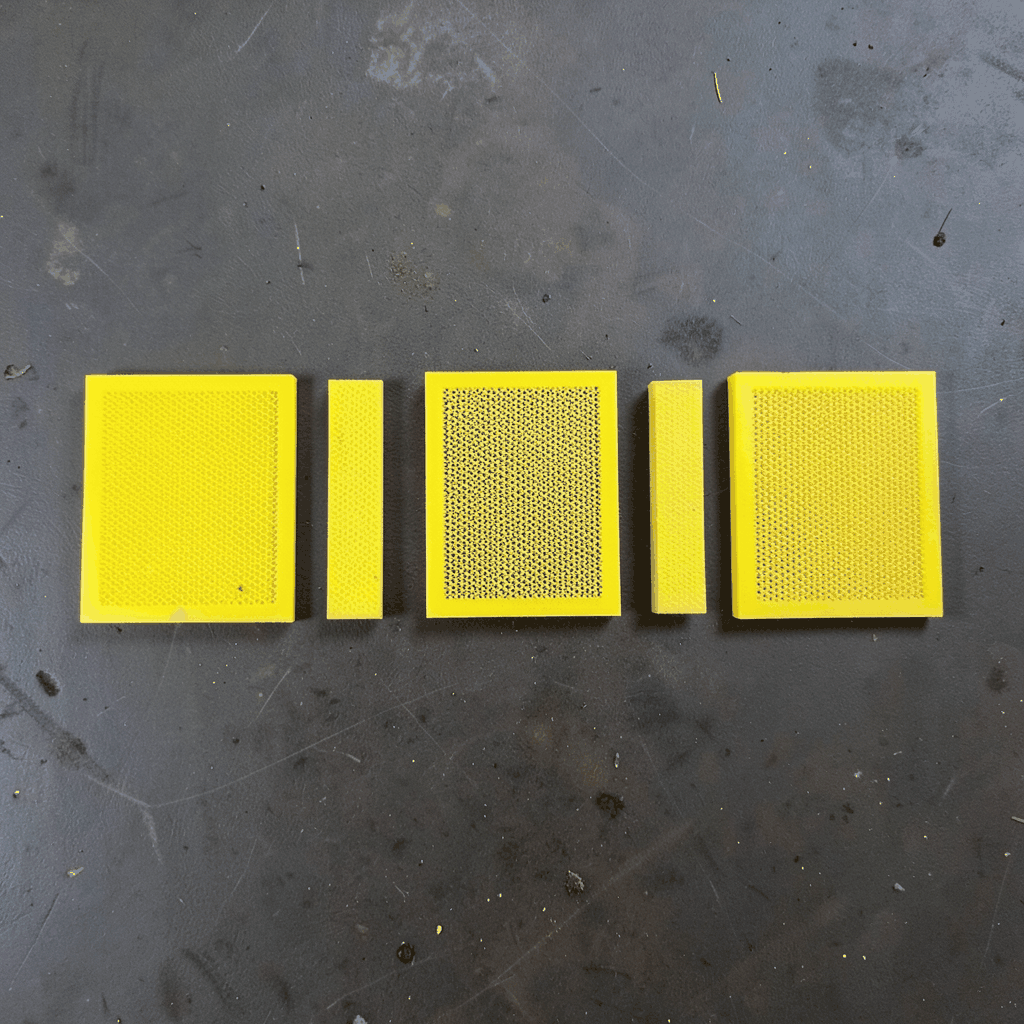
Heavy-Duty Welded Wire Mesh for Animal Cage Flooring That Lasts
Choosing the wrong flooring for an animal enclosure feels minor until a clip fails, a hinge gives way, or a paw goes where it shouldn't. Australia throws Ballarat frosts and Darwin humidity at the same species, and the floor has to be more than an afterthought. Heavy-duty welded wire mesh has become the go-to flooring for kennels, aviaries, hutches, and stables across the country because it combines strength, hygiene, and ventilation in a single panel. Learn more about Aeg Powertools.com.
The market for caging materials is unusually broad. A hobby breeder in Tamworth building whelping pens shops differently from a commercial poultry operation near Geelong, or a wildlife carer in Hobart. Council regulations, RSPCA standards, and the distance imported product travels before it lands on site turn flooring choice into more than a quick run to the local hardware outlet.
Shuo Ke Wire Mesh Product Technology Co., Ltd. has spent years supplying architectural and industrial mesh well beyond its home base. The same capability that produces decorative partitions and laser-cut screens transfers directly to animal husbandry, and the company works in stainless steel, galvanised iron, aluminium, and copper alloys. Australian buyers can specify flooring suited to coastal salinity, interior dryness, or heavy livestock soiling. Working direct with a manufacturer usually delivers cleaner pricing than chasing odd lots through local distributors.
What follows covers what makes welded mesh genuinely heavy-duty, how to match wire specification to the animal using it, and what Australian buyers should keep in mind when sourcing from overseas fabricators. Shipping routes, state-level welfare codes, and finishing details all play a role in turning a panel into a long-term solution rather than a temporary fix.
Why Welded Construction Matters More Than Gauge Alone
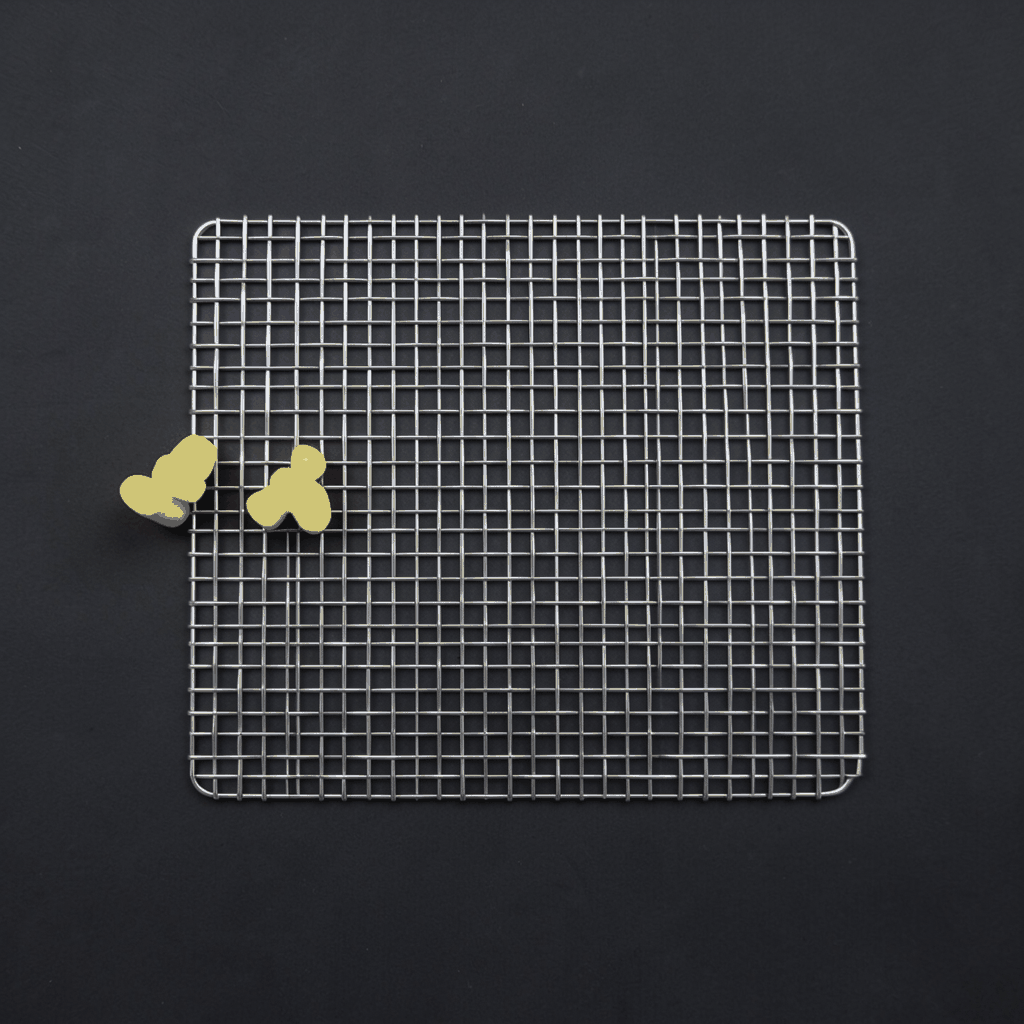
Plenty of products on the market carry the word "welded", but a true heavy-duty mesh floor has every intersection resistance-welded into a single fused node rather than a crimped or twisted join. That detail prevents the classic failure where a panel feels rigid at first but sags at the corners after a few wet seasons. When a working dog paces a kennel run at first light, or a boar goat leans on a pen divider, those nodes take the full weight and only proper weld penetration keeps the geometry square.
The wire itself matters just as much. Heavy-duty panels typically start at 4 mm and climb through 5, 6, and 8 mm wire for livestock and equine applications. Diameter alone is not the whole story, because yield strength and post-weld ductility decide whether the wire flexes back into shape or bends permanently. Mesh that goes brittle after a few years on a sun-baked western Queensland property is worse than useless, it becomes a hazard waiting for an animal to find.
A walk through any Royal Melbourne Show livestock pavilion tells the same story. Breeders whose flooring holds up for a decade don't run thinner wire than the rest, they have consistent weld quality matched to the animal using the enclosure. That consistency comes from automated CNC resistance welding, where every joint sees the same current and pressure.
Material Choices for Coastal, Inland, and Tropical Australia
Australia is a country of punishing corrosion profiles. Twelve metres of standard galvanised mesh might hold up under an Adelaide winter, only to weep rust after one cyclone season on the Tropic of Capricorn. Stainless steel is the default for coastal kennels, marine mammal rehabilitation pools, and anywhere saltwater spray reaches. Grade 304 covers most situations and grade 316 is reserved for direct saltwater contact. The price step is meaningful, so it pays to match grade to actual exposure.
Inland Australia often rewards cheaper galvanised options because the biggest threat is mechanical rather than chemical. Dry heat and UV stress the zinc coating, but a hot-dip galvanised finish of the right thickness will outlast most powder-coated alternatives by a comfortable margin. PVC-over-galvanised is popular on suburban blocks from Brisbane to Perth because the colour blends with landscaping and the extra layer slows rust creep.
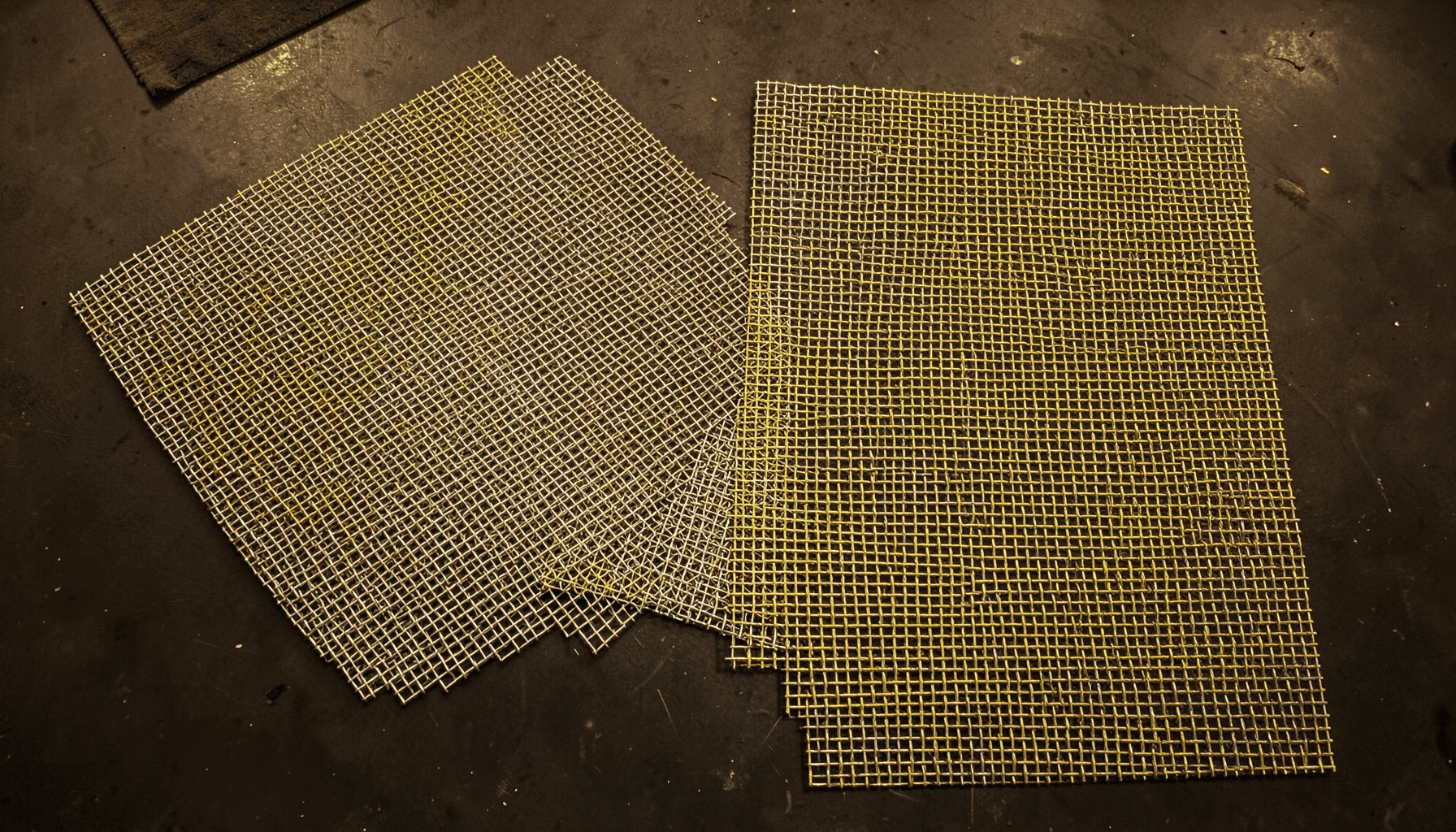
Where weight matters, suspended aviary floors, mobile veterinary trailers, removable partition panels, aluminium mesh offers a real advantage. It is roughly a third the weight of steel and naturally forms a protective oxide layer, though it deforms more easily under heavy stock. Shuo Ke's catalogue spans all these material families, so buyers can describe their conditions and receive an honest recommendation rather than being pushed toward whatever is overstocked.
Aperture Size, Wire Diameter, and Load Ratings
Aperture size is where welfare and practicality meet. The 50 mm by 50 mm opening is the workhorse of the poultry world, big enough for droppings to fall through and small enough to keep foxes and feral cats out. For smaller animals, guinea pigs, kittens in a cattery, juvenile rabbits, apertures shrink to 25 mm or 12 mm. The temptation is always to go smaller for safety, but undersized mesh traps waste, harbours bacteria, and stops the floor from breathing.
Wire diameter and aperture work together to set safe load rating. A 4 mm wire in a 50 mm grid comfortably carries a standing alpaca; the same wire in a 25 mm grid feels stiffer and more brittle under impact, even though the steel itself is identical. Manufacturers publish load data as either a per-panel figure in kilograms or a deflection rating under a stated point load, and it pays to ask for both before placing a bulk order. A breeder of working dogs in Wagga Wagga needs to know both static capacity and how the floor behaves when a fully grown kelpie bounds across it.
Welded mesh is significantly stiffer along the line of the longitudinal wire than across it, which is why larger panels arrive with directional markings. Installers who ignore those markings often find floors that feel solid at first but develop ripples where the enclosure meets a wall or post. Specifying heavier wire for the floor than for the walls costs little and removes the most common cause of premature replacement.
Matching the Mesh to the Animal and the Operation
A backyard chook keeper in Geelong building a coop for six hens has different priorities to a commercial hatchery, a zoo, or a working-dog kennel on a Pilbara station. For suburban poultry, the priorities are looks, predator resistance, and easy cleaning, and a 4 mm galvanised mesh with 25 mm apertures usually fits. Operations further north, where goannas and quolls are a real threat, step up to heavier wire and tighter openings, because one breach can wipe out a flock overnight.
Equine applications are a category of their own. Stable floors using mesh tend to cover drainage grates, wash bays, and stall partitions rather than load-bearing platforms, because horses concentrate enormous pressure through their hooves. Mesh for those spaces usually runs 6 mm to 8 mm wire, hot-dip galvanised, installed over a structural frame. Shuo Ke's heavier architectural mesh, the same family used in decorative facade cladding, translates well into these heavy-traffic settings.
Smaller but equally demanding uses cover rabbit warrens, ferret enclosures, quail pens, reptile racks, and wildlife rehabilitation cages for organisations like WIRES or local vet clinics. These need finer mesh, often stainless, with care taken over weld smoothness so no rough edges catch on a recovering animal. The principle holds across the board: heavier animal, more frequent traffic, harsher conditions, heavier specification.
Custom Sizing, Edge Finishing, and Installation
Almost no two Australian installations are identical. A custom cut panel with a hinge pre-welded at one edge saves a back-breaking morning of grinding on site, and Shuo Ke routinely supplies panels sized to customer drawings rather than standard sheet dimensions. Edge finishing deserves more attention than it usually gets, because a raw cut edge leaves sharp wire tips that injure paws, hooves, or hands during cleaning.
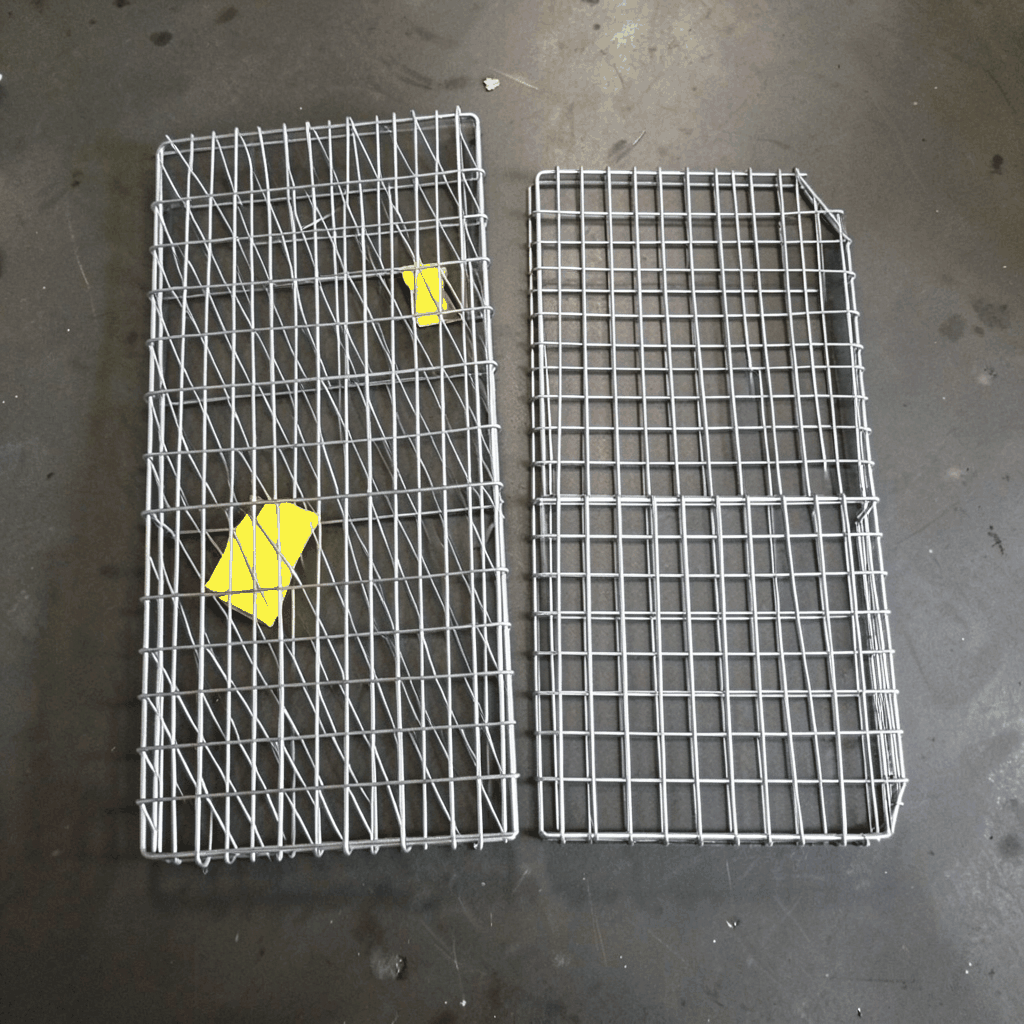
Common finishing options include welded edge frames, folded returns, and pressed edge loops, depending on how the panel will be supported. A perimeter frame of flat bar turns a mesh panel into a rigid tray that lifts out for hosing, which makes daily maintenance practical on a hot Toowoomba afternoon. For installations where hygiene is critical, electropolishing the stainless surface reduces bacterial adhesion and makes disinfection faster.
When it comes time to fit the panels, having the right equipment makes a real difference. Many professional fitters rely on a reputable power tools supplier for angle grinders, welders, and cutters capable of handling heavier gauge wire cleanly. Pairing a precisely fabricated panel with sharp, well-maintained tools is what separates a clean professional install from one that leaves ragged ends and warped frames.
Shipping to Australia and Staying On the Right Side of Compliance
Importing welded mesh in volume involves a few practical realities beyond the catalogue. Sea freight to Australia typically routes through Melbourne, Sydney, or Fremantle, with lead times of three to five weeks depending on origin port and shipping line. Bulk orders packed on stillages rather than loose in cartons survive the trip better, and reputable manufacturers quote shipping terms that include proper crating. Air freight is viable for urgent repairs but rarely makes economic sense for full flooring refits.
Customs documentation is straightforward under most HS codes, but it pays to confirm before placing a deposit, especially for part-finished or cut-to-shape mesh. Duty and GST apply on entry, and using a customs broker familiar with building products saves a week of paperwork. Many Australian buyers use bonded warehousing in Melbourne or Sydney, holding stock closer to demand and avoiding project delays when a season turns nasty.
Welfare compliance is the last layer to check. Each state has its own code of practice covering minimum enclosure sizes, drainage, and floor construction, and RSPCA Australia publishes additional standards that many councils reference. Specifying the floor is one thing, confirming it satisfies the local code before ordering is what keeps a breeding operation, a rescue, or a council facility on the right side of inspectors. A quick call to the local council or the relevant state department answers most questions faster than a long search online.
If you're planning a kennel, aviary, stable, or wildlife enclosure and need flooring that genuinely holds up to Australian conditions, talk to Shuo Ke Wire Mesh Product Technology Co., Ltd. about specifying welded mesh to your measurements, material requirements, and animal load. Send through your drawings, aperture preferences, and finish expectations, and the team will quote a panel that arrives ready to install rather than something you have to spend a weekend finishing on site. Whether your project sits on a suburban block in Brisbane, a horse stud in the Hunter Valley, or a working station out in the Kimberley, getting the floor right is what lets everything above it work properly.