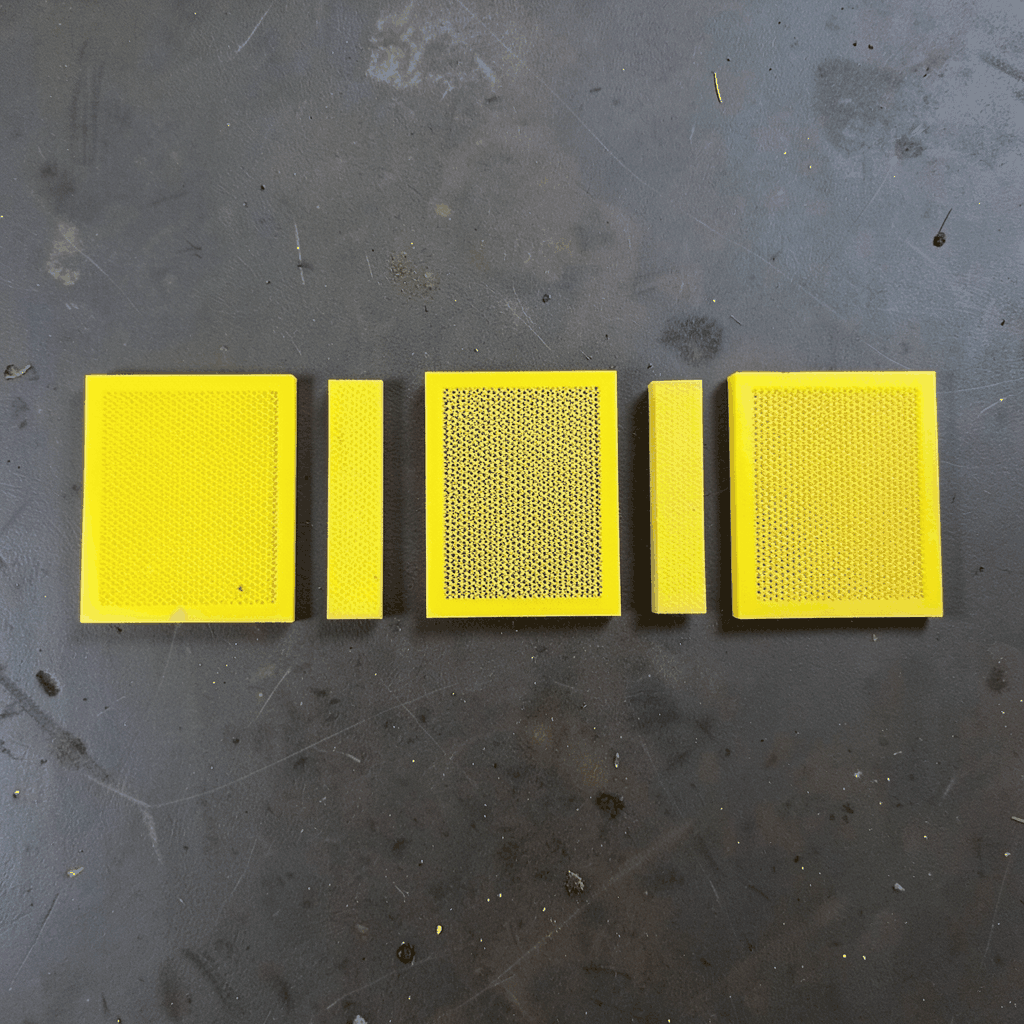
Heavy mesh for aquarium shark containment
Heavy mesh for shark and marine animal enclosures in aquariums is a structural barrier designed to manage animal impact, prevent escape, and reduce injury. It must balance wire strength, aperture size, visibility, corrosion resistance and safe attachment. The mesh, frame, anchors and gates operate as one system, so a strong panel attached to an inadequate support can still fail during a high-energy event.
Australian projects range from public attractions around Sydney, Melbourne and the Sunshine Coast to research facilities and marine tourism displays. Operators often call containment products “shark mesh” or “shark-proof”, although neither expression establishes performance. Specifications should use clearer terms such as primary containment barrier, secondary stand-off screen, mesh aperture and design load.
A reliable enclosure begins with the species, its behaviour and the tank environment. It also depends on Australian design inputs, including corrosion exposure, wind actions and local fabrication standards. This guide explains how to specify heavy-duty mesh for shark tanks, rays, eels and other marine animals without overlooking animal welfare or public safety.
What the barrier must withstand
Start with a species-specific risk assessment. Shark bites create concentrated, dynamic loads that are difficult to predict from static tensile strength alone. Animal movement can also pull a panel out of plane, twist its edges or transfer force into a frame connection. Heavy-gauge wire helps, but the complete assembly needs sufficient stiffness and secure anchorage.
Aperture selection is equally important. Openings must be small enough to prevent the animal’s head, fins or other body parts from passing through while maintaining water flow and clear sightlines. Very fine openings can trap gills or delicate fins, while sharp cut ends invite injury. Smooth edges, protected supports and correctly tensioned panels help prevent entanglement.
Containment may require more than one line of defence. A primary mesh screen can work with a secondary stand-off barrier, protected gates and framed openings that cannot be pushed or lifted. Large sharks may also exploit gaps, corners and ledges, so the perimeter needs continuous coverage. No installer should describe an enclosure as shark-proof without a documented engineering basis.
Select metals for wet marine environments
Type 316L stainless steel is a common starting point for indoor marine exhibits because it combines strength, corrosion resistance and clean fabrication. Chlorinated pools still create a demanding environment, and crevices around welds or attachments can collect chemicals. Duplex stainless steel, such as grade 2205, offers higher strength and improved chloride resistance for exposed splash zones and coastal locations.
Aluminium can suit lightweight frames, partitions or non-contact architectural elements, but it needs careful isolation from stainless steel to prevent galvanic corrosion. Copper alloys have limited value in primary containment and can accelerate corrosion elsewhere when electrically connected. Carbon steel requires robust protective coatings and closer inspection. Grade 304 stainless steel is generally unsuitable for persistent salt spray or pool chemicals.
Local conditions should guide the material zone. Darwin, Cairns and Townsville combine humidity, intense sunlight and salt exposure, while Melbourne facilities may experience heavy condensation during temperature changes. Outdoor structures may also need cyclone-region wind design. Indoor pools require compatibility with chlorine, water treatment chemicals and the facility’s cleaning regime.
Engineer the aperture, wire and frame
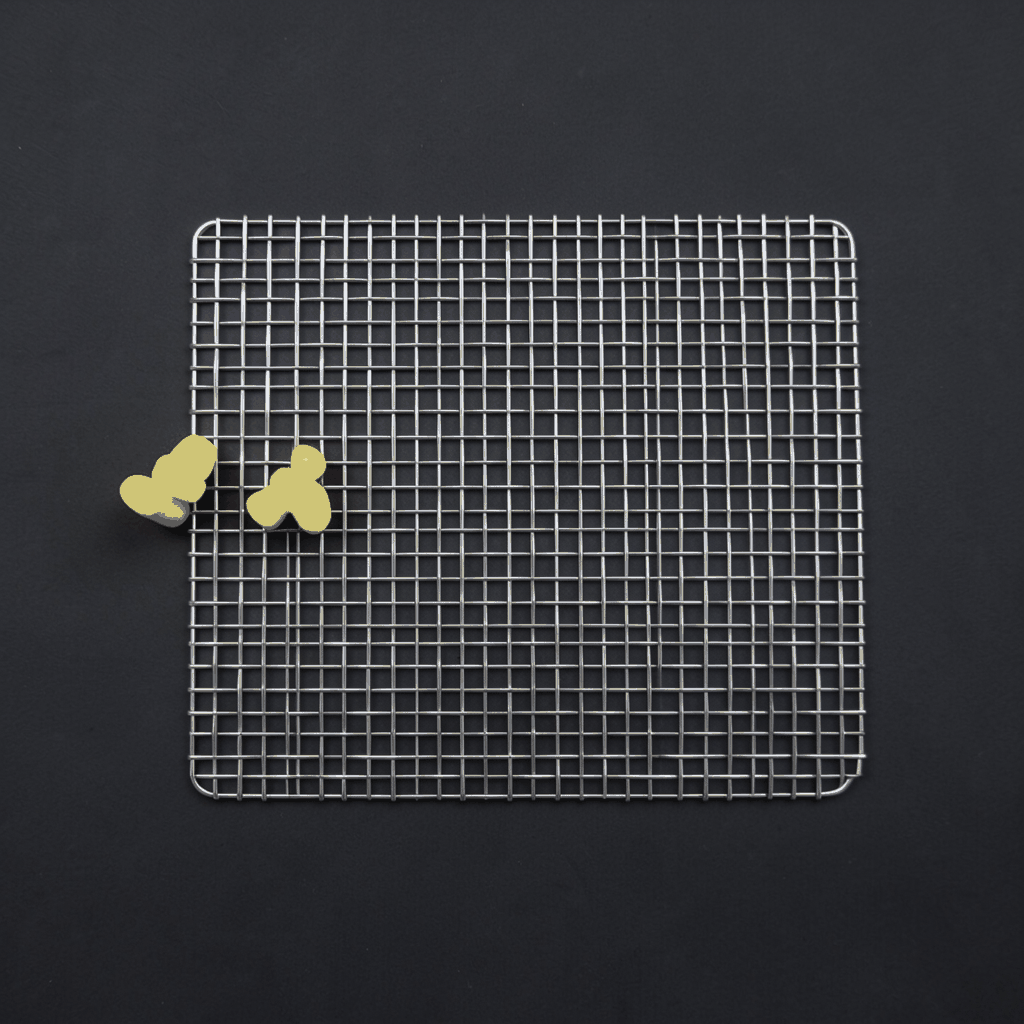
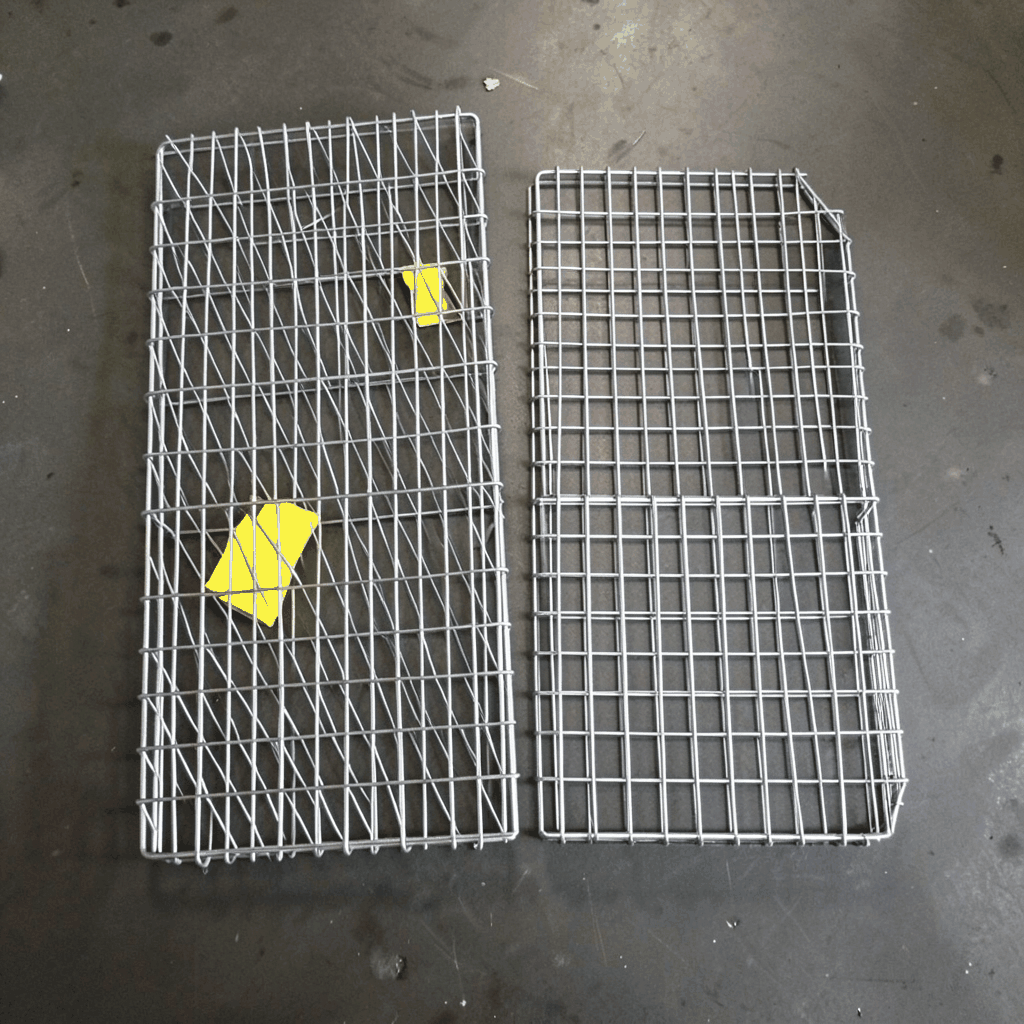
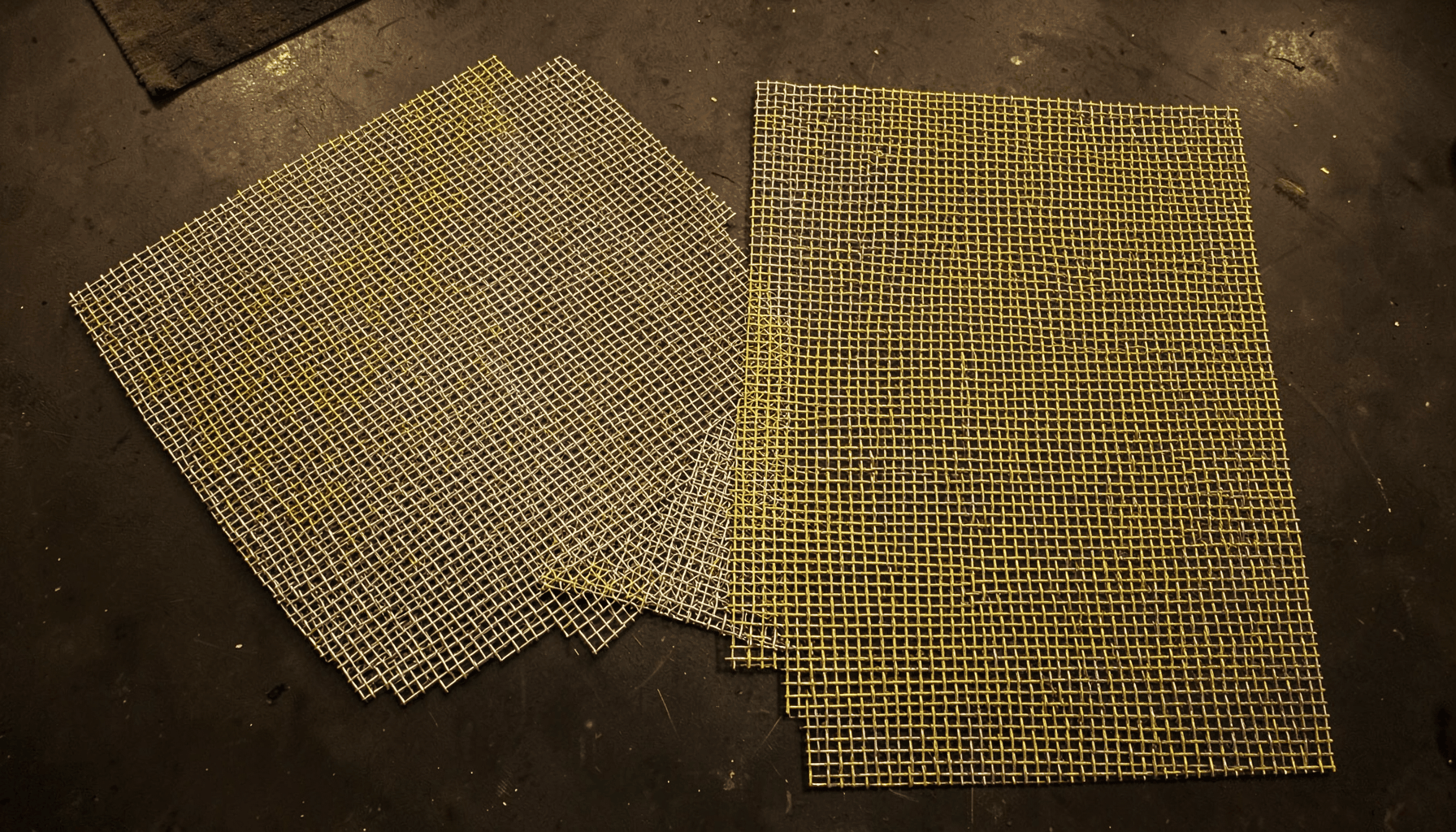
Wire diameter alone does not describe mesh performance. The specification should identify wire grade, tensile range, weld quality, aperture, panel construction and allowable deflection. Woven wire offers flexible panels and good visual openness, while welded mesh provides accurate openings and high stiffness under tension. Expanded metal and perforated plate can serve non-contact partitions, but their edges and deformation characteristics may not suit animal containment.
Frames must prevent mesh sag and transfer impact loads into the structure. Engineers should consider panel aspect ratio, frame spacing, fixing points, connection strength, fatigue and the effect of repeated animal contact. A static load calculation will not reproduce a sudden ram or bite, so representative testing and sensible safety factors remain important.
Visual requirements should be included at the same stage. Thick wire and closely spaced supports create a visible grid across the viewing window, while larger apertures improve openness. The best balance depends on the exhibit design, viewing distance and the animal’s safety. Decorative mesh curtains or laser-cut screens may create an attractive background, yet they should remain separate from any certified containment barrier.
Design for corrosion and maintenance
Fabrication can introduce hidden corrosion risks. Carbon-steel contamination during cutting or grinding can rust around stainless-steel welds. Dedicated tools, clean handling and suitable post-weld passivation improve long-term performance. Crevices, damaged coatings and dissimilar-metal contacts deserve particular attention because they retain moisture and cleaning chemicals.
Routine washing removes salt deposits, biofilm and contaminants before they become corrosive. Operators should establish safe procedures for approved cleaners, pressure levels and access around fixings. Strong acids, chloride-based cleaners and aggressive wire brushes can damage both metal and coatings. Inspection access should allow staff to check broken wires, loose anchors, coating cracks and signs of pitting without dismantling the exhibit.
High ultraviolet exposure in Australia can degrade some polymer coatings and make brittle failure more likely. A coating specification should state the resin, thickness, adhesion and salt-spray performance rather than relying on a generic powder-coat description. Replacement panels should use the same documented material and finish so maintenance does not introduce incompatible metals or an altered aperture.
Control fabrication and performance
Fabricators should define how panels are cut, welded, tensioned and framed. Woven wire must be tensioned evenly and secured without cutting the structural strands. Welded panels need consistent weld penetration, clean edges and accurate aperture dimensions. Edge bars, corner connections and fasteners should be included in the fabrication drawings, while packaging must prevent deformation during shipping.
A useful cross-check for terminology is a mesh fabrication overview, although project-specific drawings and testing should determine the final design. Buyers should compare fabrication tolerances, panel sizes, joining methods, finishes and replacement strategies. Decorative products may use different wire, edge treatments or load assumptions, so a visual sample cannot substitute for a technical submittal.
Performance verification should include material certificates, inspection records and representative load or impact tests. Testing should reflect the intended panel, frame and fixing arrangement wherever practical. A small wire specimen provides less evidence than a full-size mock-up. Records should show who conducted the work, the acceptance criteria and any corrective actions before the enclosure enters service.
Meet Australian project requirements
Australian procurement commonly divides responsibility between an aquarium operator, architect, consulting engineer, specialist fabricator and installation contractor. Shuo Ke Wire Mesh Product Technology Co., Ltd. can supply custom heavy mesh and related metal products, while the nominated Australian parties determine site-specific structural and compliance requirements. Clear responsibility prevents a supply-only product from being mistaken for a complete containment system.
Provide the following information when developing the technical brief:
- Target species, animal dimensions and known behaviour
- Tank geometry, viewing areas and required freeboard
- Saltwater, freshwater or chlorinated exposure zones
- Cleaning chemicals, maintenance access and expected service life
For commercial and technical review, request the following:
- Drawings showing aperture, wire grade, frames and anchors
- Material certificates, tolerances and available test records
- Coating details, packaging standards and delivery lead times
- Replacement-panel availability and sample or prototype options
The applicable Australian requirements depend on the installation. The National Construction Code, AS/NZS 1170 wind actions and standards such as AS 1210 may affect structural, guarding or machinery-related design. In tropical Queensland, engineers may also need to account for cyclonic wind actions and severe corrosion exposure. These local inputs should be settled before manufacture, not added after panels arrive.
Request a tailored mesh solution
A strong enclosure specification combines containment performance with animal welfare, architectural visibility and maintainability. It identifies the risk, states measurable acceptance criteria and includes every component needed to carry the load. This approach supports better sampling, clearer Australian tender comparisons and more dependable installation.
Shuo Ke Wire Mesh Product Technology Co., Ltd. processes architectural and industrial metal mesh in materials including stainless steel, aluminium, copper, iron and other alloys. Relevant capabilities include woven and welded panels, cut-to-size parts, partitions, gates, guardrails, elevator cladding, laser-cut screens and custom decorative finishes, subject to the requirements of each project.
Send the enclosure drawings, species details, exposure conditions, preferred materials and required quantities to Shuo Ke for a feasibility review, material recommendation and tailored quotation. A documented project brief enables the manufacturer to assess fabrication options and prepare samples without compromising the containment design.