Heavy Welded Mesh for Retaining Walls and Gabion Baskets
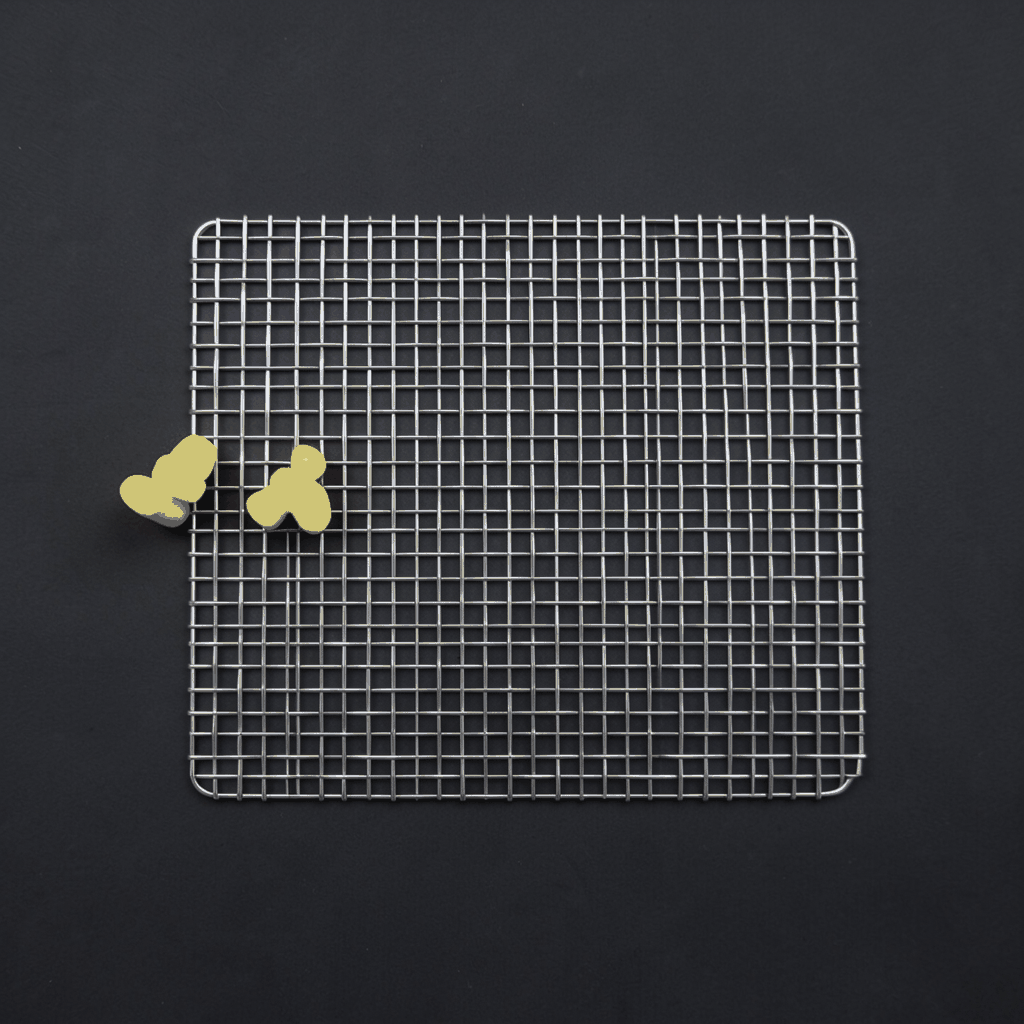
Heavy welded mesh provides a strong, orderly framework for retaining walls, gabion baskets, rock-filled barriers, and landscape structures. Its intersecting steel wires are welded at every crossing, creating rigid panels with consistent openings and dependable dimensional stability. Compared with lightweight garden mesh, heavy-duty welded wire mesh is designed for demanding outdoor conditions, substantial stone loads, and long-term exposure.
For Australian projects, the right mesh specification depends on soil pressure, drainage, wall height, rock size, exposure, access, and local approval requirements. A gabion basket may appear simple, but its performance depends on the complete system: foundation preparation, geotextile placement, drainage, lacing, bracing, stone selection, and correct filling technique.
Shuo Ke Wire Mesh Product Technology Co., Ltd. manufactures and processes metal mesh products for architectural, industrial, residential, and municipal applications. Its product range includes welded mesh, decorative screens, fences, filters, baskets, guardrails, and customized metal components in stainless steel, galvanized steel, aluminum, copper, iron, and other alloys.
This article explains how heavy welded mesh supports retaining and erosion-control work, which materials suit Australian environments, and what should be checked before ordering or installing a mesh retaining system.
Why Welded Mesh Suits Retaining And Gabion Structures
Welded wire mesh is formed from longitudinal and transverse wires joined by resistance welding. The resulting panel has a fixed grid that resists shifting during handling and filling. This rigidity helps gabion baskets retain their shape when packed with angular rock, while the regular appearance suits visible landscape and architectural installations.
For retaining applications, the mesh acts as the cage rather than the sole structural answer. The stone fill provides mass, drainage, and resistance to movement, while the basket confines the rock. A wall may be built as a gravity structure, stepped terrace, reinforced system, or part of a broader civil engineering design. The mesh specification must therefore be selected with the wall geometry and site conditions in mind.
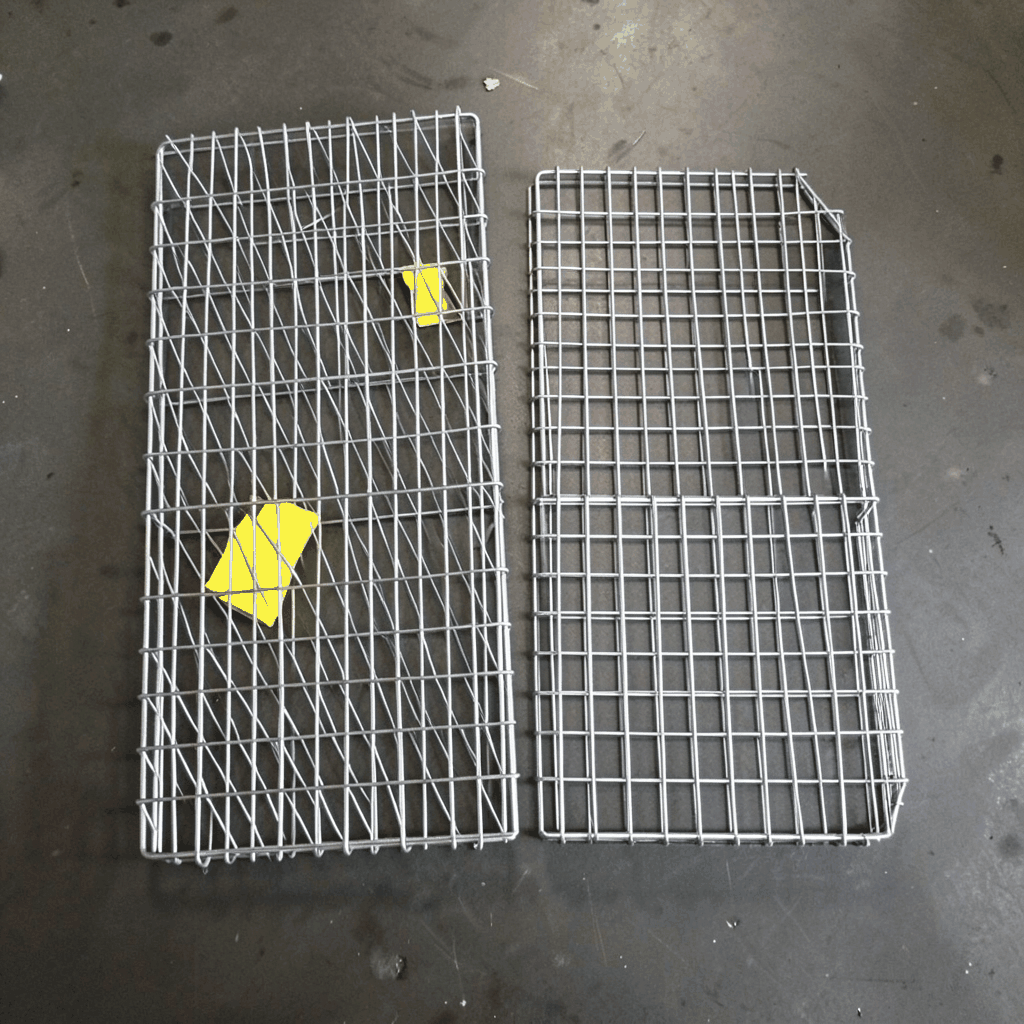
Heavy welded panels are useful where installers need accurate dimensions and fast assembly. They can be supplied as flat panels, fabricated baskets, lids, partitions, or custom components. Compared with loose woven wire, welded mesh is less likely to deform when moved or filled, which can be valuable on narrow residential sites or projects with limited equipment.
The open grid also allows water to pass through the rock-filled structure. This reduces the hydrostatic pressure that can build up behind an impermeable wall, although a gabion installation still needs proper drainage and separation from surrounding soil. Water flow, soil migration, and stormwater discharge should be addressed in the design rather than left to the mesh alone.
Selecting Steel, Coating, And Wire Dimensions
Galvanized steel is widely used for outdoor gabions because a zinc coating provides sacrificial corrosion protection. Hot-dip galvanized components generally offer a more robust coating than lightly electro-galvanized products, especially where the baskets will remain exposed to rain, soil moisture, and handling during installation. The required coating level should be confirmed with the supplier for the site environment and expected service life.
PVC-coated galvanized wire can add another protective layer and provide a selected colour for landscape work. This can be suitable when the baskets are close to public paths, gardens, or architectural facades. However, the coating must remain intact during cutting, bending, lacing, and filling. Damaged areas should be treated according to the manufacturer’s repair instructions.
Stainless steel mesh is appropriate for high-corrosion locations, including coastal properties around Sydney, Newcastle, Wollongong, Perth, and parts of Queensland. Grade selection matters: common stainless grades do not all provide the same resistance to salt spray, chlorides, or industrial pollutants. A marine environment may require a higher alloy grade than an inland garden project, so the material should be chosen through a site-specific assessment.
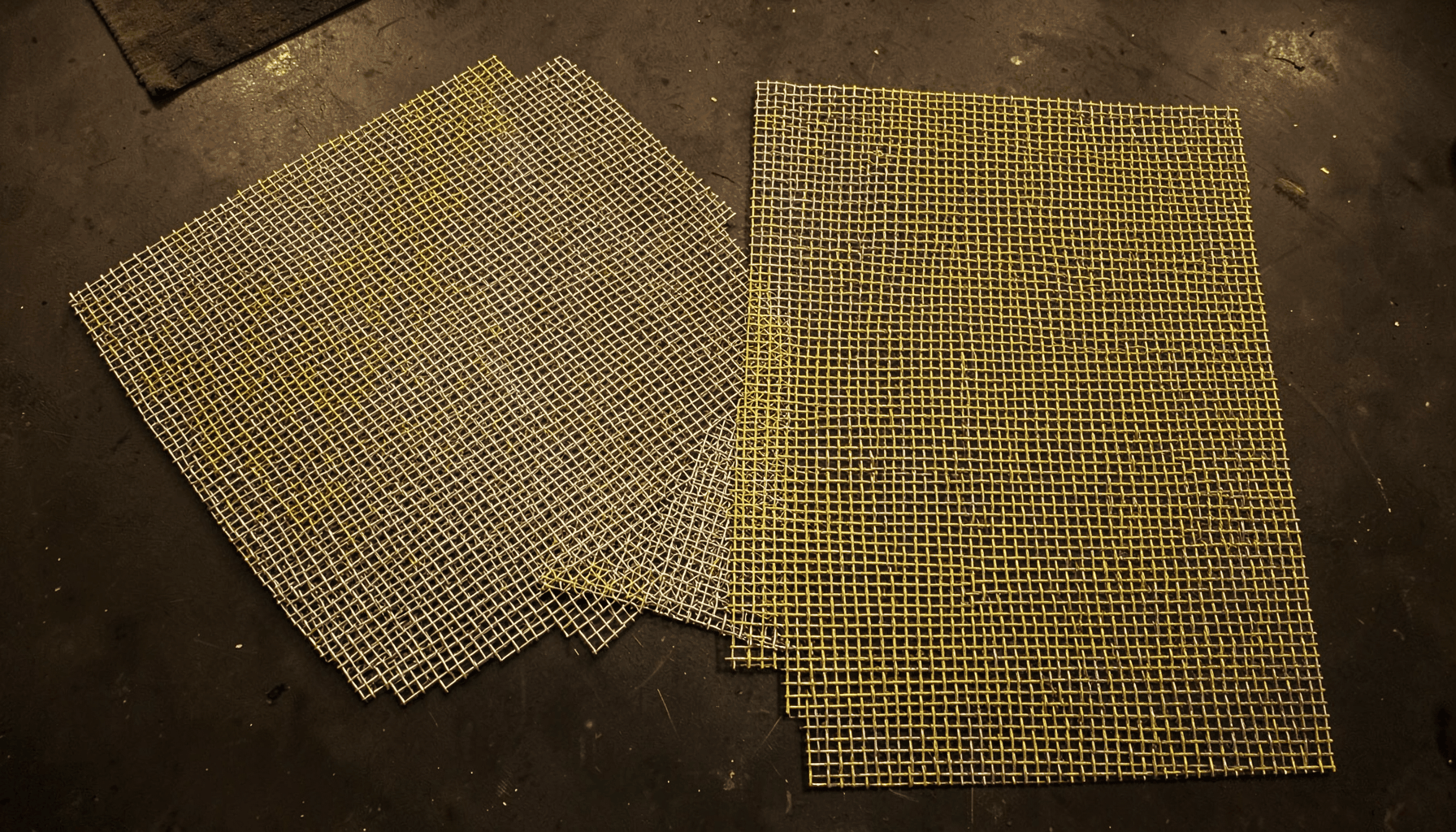
Wire diameter and aperture size affect strength, appearance, stone retention, and handling weight. The opening must be smaller than the selected rock so that stones do not escape through the face. Thicker wire increases rigidity, but it also increases cost and weight. A suitable design balances mechanical performance with practical installation requirements.
Engineering And Local Compliance Considerations
A retaining wall must be assessed for sliding, overturning, bearing capacity, settlement, internal stability, and global slope stability. Soil type, groundwater, surcharge loads, nearby driveways, buildings, fences, and vehicle movement can change the loading significantly. A wall beside a suburban driveway in Melbourne has different requirements from a terraced embankment exposed to intense rainfall in Brisbane.
Australian projects commonly refer to AS 4678, Earth-retaining structures, when determining appropriate engineering principles. The National Construction Code may also apply where a retaining structure affects a building or associated construction. Local council planning rules, state legislation, boundary requirements, and drainage conditions vary, so a project may need approval even when the wall is located on private property.
Height thresholds are not uniform across Australia. Councils may regulate retaining walls through planning schemes, building rules, stormwater controls, heritage requirements, or restrictions near property boundaries. In Queensland, New South Wales, Victoria, Western Australia, and other states, the responsible authority and permit pathway can differ. An engineer or local building professional should confirm the applicable requirements before materials are ordered.
Work health and safety also deserves attention. Heavy baskets, rocks, and steel panels can create manual-handling, crushing, and sharp-edge hazards. Commercial sites may require documented lifting procedures, exclusion zones, personal protective equipment, and safe access for machinery. The mesh should be supplied with edges and connection details that support safe fabrication and installation.
Installation Details That Protect Long-Term Performance
Ground preparation begins with a stable, level foundation. Soft organic soil, loose fill, and standing water can lead to settlement or distortion. Depending on the design, the base may include compacted granular material, a concrete strip, or another engineered foundation. The first course of baskets must be accurately aligned because errors at the base become more visible and more difficult to correct higher up the wall.
A geotextile filter is often placed behind and beneath the gabion structure to separate fine soil from the drainage rock. Without separation, clay and silt can migrate into the voids, reducing permeability and causing settlement. Drainage outlets, subsoil drains, and surface-water controls may also be required to prevent concentrated flows from washing soil around or beneath the wall.
Baskets should be connected with suitable lacing wire, spiral binders, clips, or proprietary fasteners. Internal diaphragms help control bulging in longer units, and bracing may be needed on exposed faces or during filling. The rock should be placed in controlled layers, with visible faces carefully hand-packed and internal spaces filled to reduce voids. Filling from excessive height can deform the mesh or damage its coating.
Lids should be secured along all relevant edges, not simply placed over the top. Corners, joints, stepped sections, and transitions to fences or walls require particular care. On sloping sites, each terrace should be keyed into the ground and drained independently where necessary. Regular inspection after major rainfall can identify settlement, scour, loose connections, or displaced stones before minor defects become structural concerns.
Architectural And Civil Applications Across Australia
Gabion retaining walls are used for garden terraces, roadside earth retention, creek-edge stabilization, landscape boundaries, and erosion-control features. Their natural stone appearance can suit rural properties, contemporary homes, parks, and public spaces. In urban areas such as Melbourne and Adelaide, gabions can divide level changes without creating a heavily finished concrete appearance.
Heavy welded mesh baskets are also useful for freestanding landscape walls, seating edges, privacy screens, security barriers, and boundary structures. When filled with carefully selected stone, the same basic cage can provide both functional mass and a decorative finish. Custom panel sizes, openings, bends, and connection arrangements allow the system to coordinate with fences, gates, guardrails, or architectural metalwork.
Australia’s climate creates varied demands. Intense summer storms in Brisbane and northern New South Wales can place sudden pressure on drainage systems. Coastal air around Sydney, the Gold Coast, Darwin, and Western Australian shorelines increases corrosion risk. Dry conditions and high temperatures in inland regions can produce dust movement, rapid runoff after storms, and substantial thermal exposure. These factors should influence coating, drainage, foundation, and inspection choices.
Municipal and commercial projects may require consistent panel dimensions, traceable material specifications, and repeatable fabrication. A manufacturer capable of producing customized welded mesh products can support different basket widths, stepped profiles, lids, dividers, and special-purpose panels. This is particularly valuable when the site includes curves, service penetrations, non-standard corners, or a visible architectural finish.
Practical Recommendations For Product Selection
A clear specification helps prevent unsuitable substitutions and installation delays. The purchase documentation should identify the wire material, wire diameter, mesh opening, coating or stainless grade, panel dimensions, basket configuration, connection hardware, and any testing or certification required by the project. Drawings should show wall height, batter, step arrangement, drainage, rock size, and foundation assumptions.
The following checks are useful before approving a heavy welded mesh system:
- Confirm the retaining wall design with a qualified Australian engineer where height, surcharge, slope, groundwater, or public safety creates significant risk.
- Select galvanized, PVC-coated, or stainless steel according to soil moisture, rainfall, salt exposure, pollutants, and expected service life.
- Match mesh apertures to the specified rock so the fill cannot escape through the front, sides, base, or lid.
- Include geotextile separation, drainage outlets, foundation preparation, and erosion protection in the complete installation design.
- Verify council, planning, building, boundary, stormwater, and workplace safety requirements before construction begins.
Shuo Ke can produce customized metal mesh components for retaining structures, gabion baskets, industrial cages, partitions, fences, and related applications. Early communication about dimensions, material, finish, quantity, drawings, and installation conditions allows the manufacturer to recommend a practical configuration rather than treating every project as a standard panel order.
For Australian buyers, it is also useful to request samples or technical information before committing to a large shipment. Checking weld quality, coating consistency, panel accuracy, edge treatment, and connection compatibility can reduce rework on site. Packaging and loading should be discussed as well, particularly when long panels or pre-assembled baskets must be transported to regional areas.
Choose the mesh system around the site’s engineering conditions, not solely its appearance or initial price. A properly specified basket can provide durable earth retention, effective drainage, and a strong landscape finish for years. Contact Shuo Ke Wire Mesh Product Technology Co., Ltd. with your drawings, dimensions, location, material preference, and project conditions to develop a heavy welded mesh solution suited to the application.