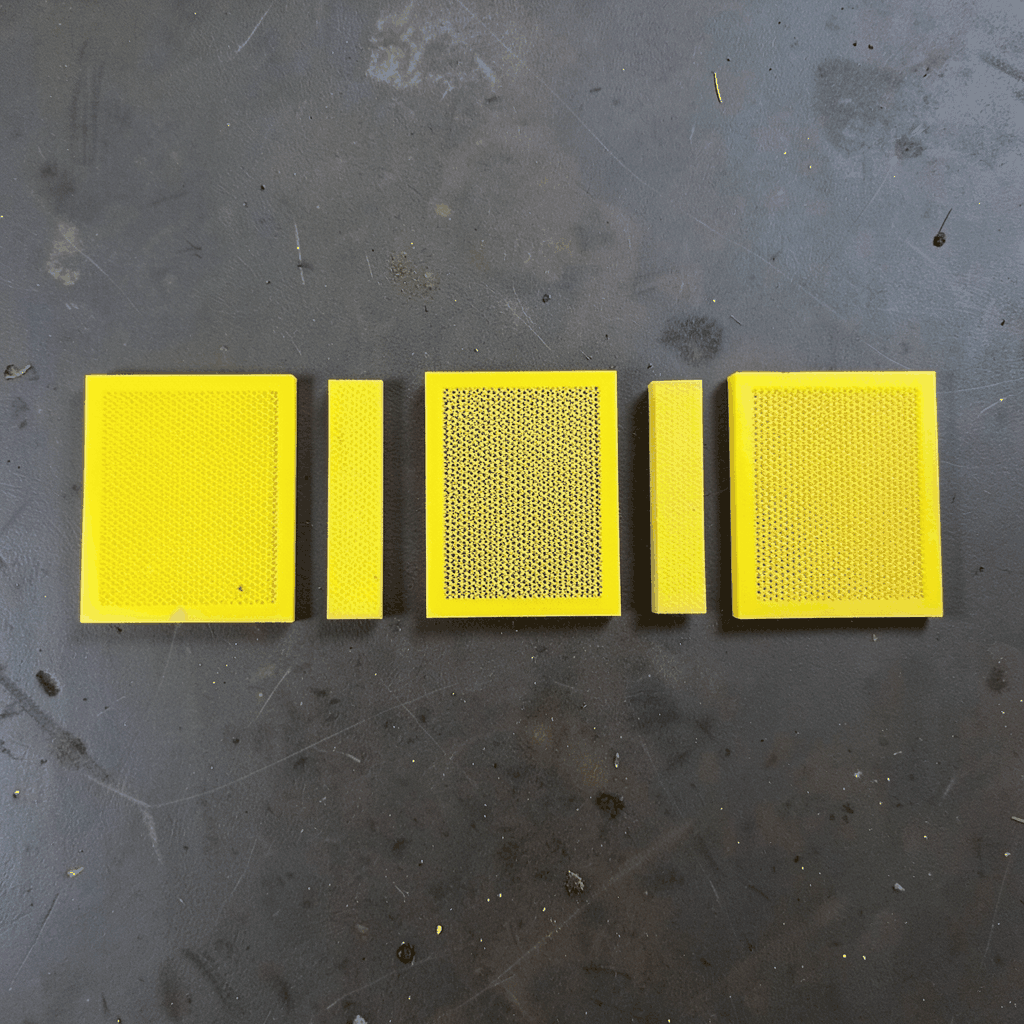
Heavy welded mesh for rockfall and avalanche protection
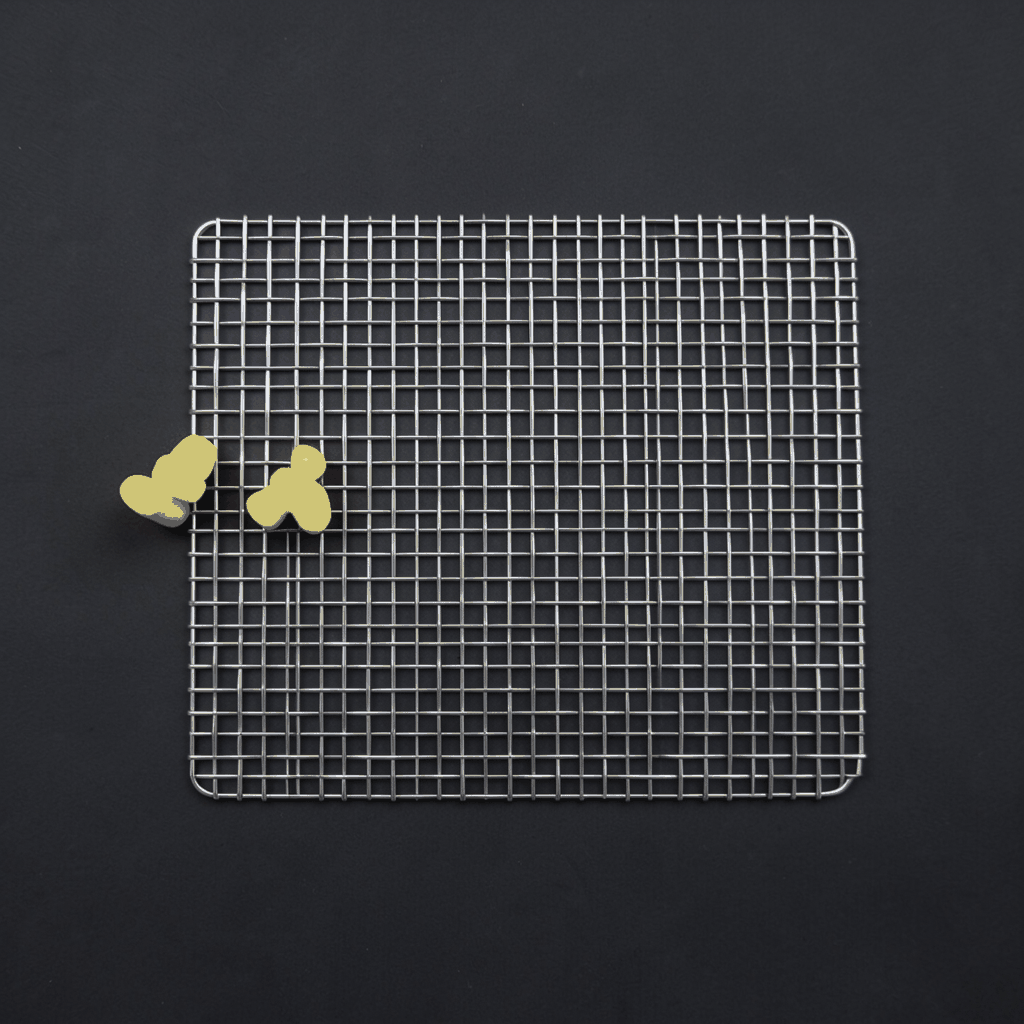
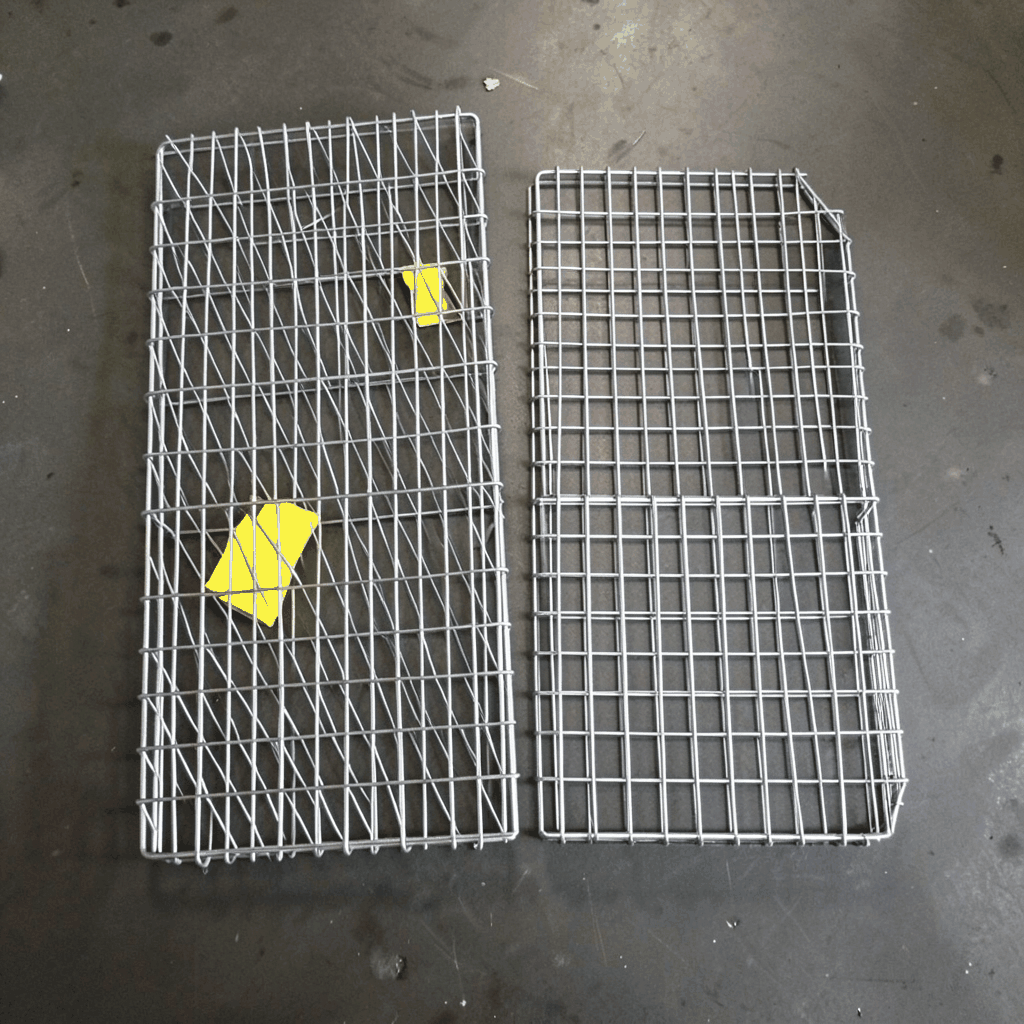
Heavy welded mesh is a rigid, open-grid barrier made from intersecting steel wires welded at each node. For rockfall and avalanche protection, it can catch, guide or deflect moving material while preserving visibility and airflow. Its useful strength comes from the wire, the weld intersections and the way complete panels transfer load into posts, cables and anchors.
Used correctly, welded mesh panels are more predictable than loose netting because they resist tangling, sagging and wind flutter. They also suit architectural treatments on retaining walls, tunnel approaches, mine access routes and public cut slopes. However, mesh is only one part of a protection system; choosing the aperture and wire size without a site-specific analysis can leave dangerous gaps or create loads the connections cannot carry.
Australian conditions make tailored design essential. Brisbane roads and development sites often combine steep cuts with intense rainfall, while Sydney sandstone cuttings and Melbourne’s expanding transport corridors place barriers beside busy roads and properties. Alpine Tasmania, Victoria and New South Wales can introduce snow, wind and ice. Local councils, road authorities, mining operators and civil contractors also work within Australian engineering and procurement requirements.
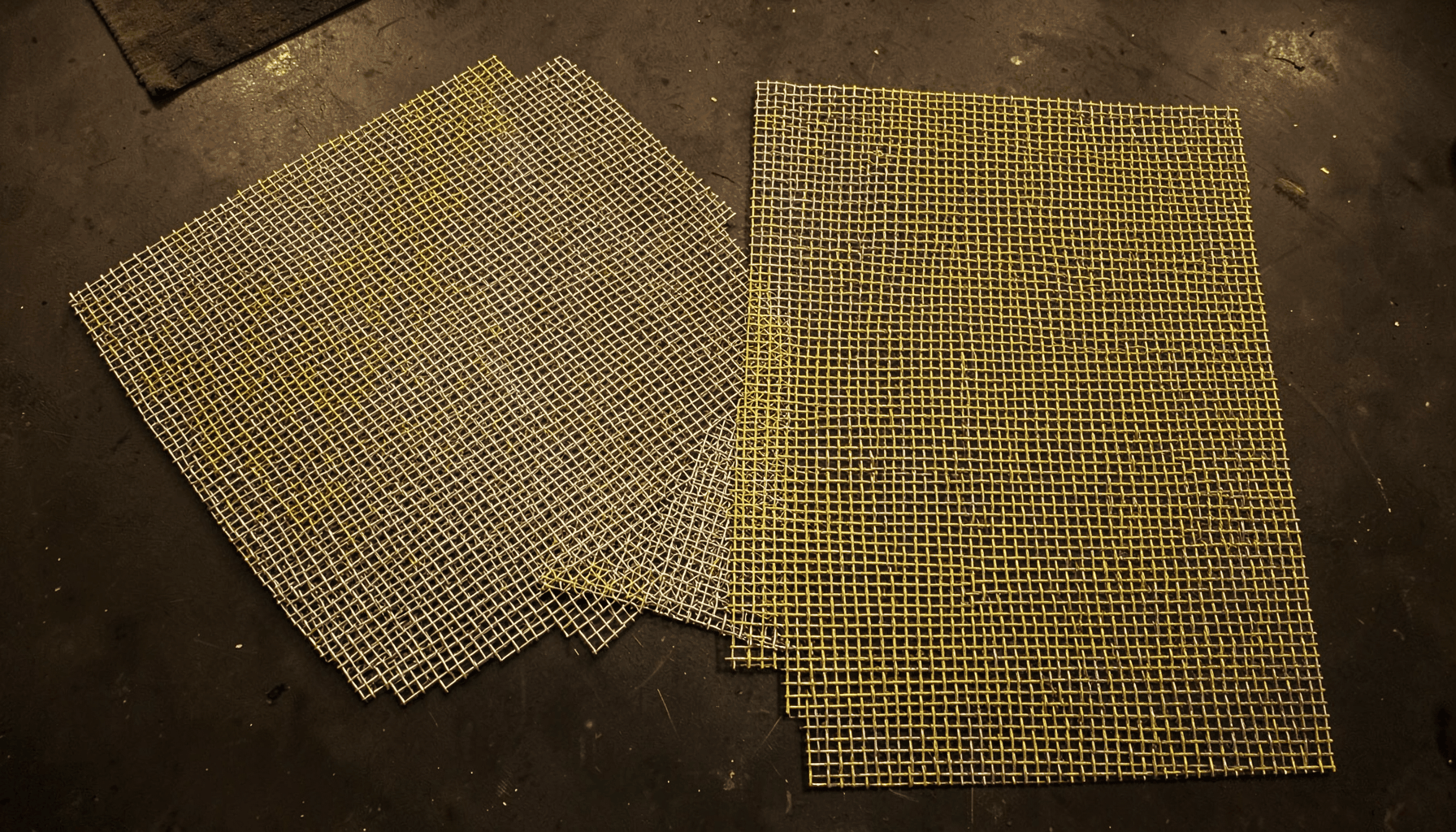
Shuo Ke Wire Mesh Product Technology Co., Ltd. manufactures and processes architectural and industrial metal mesh for custom applications. The company works with stainless steel, aluminium, copper, iron and other alloys, producing welded products to suit project geometry, finish and performance requirements. For barrier specifications, the most valuable supplier information is a clear manufacturing basis rather than a generic product description.
Why heavy welded mesh suits exposed slopes
Welded wire mesh offers a useful balance between structural stiffness, openness and visual appearance. The intersecting wires create square or rectangular openings that can retain smaller rock fragments while allowing drainage and clear sightlines. Modular panels are also practical for sloping sites because they can follow the terrain and connect to posts without the extensive tensioning sometimes associated with flexible netting.
The design must still respect the limits of the product. A panel with openings larger than the smallest hazardous block may allow that block to pass through, while an overly rigid screen can concentrate impact forces at a post. Larger events may require rock bolts, scaling, catch fences, reinforced panels, ring-net systems or engineered deflection barriers. Heavy welded mesh works best when it forms part of a coordinated risk-control strategy.
Match barrier performance to the hazard
Rockfall systems generally use one of three broad performance concepts. Containment barriers are intended to stop material, deflection barriers redirect it toward a safer area, and attenuation barriers absorb part of the impact energy while allowing smaller fragments to pass. These categories affect post spacing, anchorage, cable arrangement and the amount of deformation the structure can tolerate.
Rockfall barrier performance is normally described by tested energy-absorption capacity, not simply by wire tensile strength. The mesh, posts, anchors and ropes must operate as an assembly. Where a design authority accepts performance evidence based on ETAG 027 or another recognised test method, compatibility between the welded panel and the complete system remains essential. A stronger sheet of mesh does not automatically upgrade an existing barrier.
A geotechnical and structural assessment should identify credible rock sources, travel paths, impact points, bounce, rolling distance and the zone that must remain protected. Engineers then use that information to define panel dimensions, support spacing and anchor loads. This is especially important where a slope sits above a public road, school, railway, mine entry or expanding residential development in a city such as Brisbane or Melbourne.
Select materials for Australian exposure
Material selection depends on coastal distance, soil chemistry, rainfall, UV exposure and maintenance access. Hot-dip galvanizing to the applicable requirements of AS/NZS 4680 provides a dependable sacrificial coating for many civil applications. For highly exposed coastal sites around Sydney, Perth, Adelaide or Melbourne’s Port Phillip region, corrosion allowance, coating thickness and stainless grade may need to be specified more conservatively.
Stainless steel welded mesh can suit severe marine or industrial atmospheres, but its cost and galvanic interaction with attached steel components require review. Aluminum, copper and alloy products from Shuo Ke’s range may provide architectural or corrosion-resistant alternatives where their mechanical properties suit the application. The finish should be selected for both barrier life and visual integration, including powder coating, architectural anodising or a matching retaining-wall treatment.
Fabrication details affect long-term performance as much as the steel grade. Weld spatter, sharp edges and damaged coating around welds can become corrosion initiation points. Connections should be designed so water can drain from the barrier, trapped debris can be removed, and dissimilar metals do not create hidden galvanic problems. A welded mesh panel that looks robust on delivery can deteriorate quickly if site preparation and coating protection are neglected.
Engineer the posts anchors and foundations
Barrier loads can exceed ordinary fence loads because a falling block applies a short, concentrated force. The design should consider dead load, wind, snow, ice, impact, uplift, post buckling and the load transferred through cables or mesh seams. AS 4100 and the AS/NZS 1170 wind-loading series may form part of the structural basis, but the impact case must be established separately and accepted by a competent designer.
Posts, baseplates, bolts and anchors need compatible strength and deformation capacity. A post that bends under impact may preserve the mesh, but an anchor that pulls from the ground can collapse the entire line. Foundation design depends on soil type, rock quality, groundwater, corrosion exposure and the consequences of anchor failure. Existing slopes may also require drainage improvement or rock reinforcement before a barrier can be safely installed.
Shop drawings should define mesh aperture, wire diameter, steel grade, weld requirements, panel size, post sections, connection details and coating coverage. Dimensional tolerances and inspection points should be agreed before production. During installation, contractors should preserve coating at cut ends, isolate dissimilar metals where necessary and record torque, weld testing or other specified verification results for handover and maintenance records.
Account for alpine snow and avalanche loads
Heavy welded mesh can form slope-surface screens, wind barriers, snow-fence elements, catch panels and engineered deflection structures in alpine environments. However, a conventional rockfall curtain should not be treated as an avalanche barrier without analysis. Avalanche loading can involve rapid release, dense flowing snow, entrained debris and forces that differ substantially from an isolated stone impact.
Snow-related design must account for density, settlement, creep, drifting, wind loading and ice formation. Panels also need to remain stable when snow banks press against them, while anchors must resist uplift and overturning. In Tasmania and the Australian Alps, access during winter can limit inspection and snow removal, so maintenance access and safe removal methods should be planned at the design stage.
Projects in frequently avalanche-prone locations may require direction from specialists experienced in alpine terrain. Wind-blown snow protection, avalanche deflection and rockfall containment may need separate elements rather than one combined barrier. Local climatic records, terrain models and the design event should establish which hazards genuinely apply instead of relying on broad assumptions about Australian conditions.
Build a practical specification checklist
For direct imports into Australia, coordinate customs documentation and tariff classification with a licensed broker. Import duty, GST, customs valuation and clearance depend on the material and product description, so no general assumption should be made about duty-free treatment. Freight, insurance, unloading and local galvanizing or fabrication should be included in the comparison between mill and landed cost.
Australian buyers also need a usable handover package. Early coordination with Shuo Ke can support a locked specification, production samples, inspection records and traceable documentation. Local installers and engineers can then confirm that the imported panels fit the approved post, cable and anchor design.
- Define the rockfall, avalanche, snow or wind hazard before selecting a product.
- Match wire diameter, aperture and panel strength to the credible design event.
- Specify the complete barrier system, including posts, cables, anchors and foundations.
- State steel grade, weld quality, dimensional tolerances and coating requirements clearly.
- Use galvanized or stainless components suited to coastal soil and atmospheric exposure.
- Require drawings, samples, inspection records and installation documentation before shipment.
- Schedule inspections for damaged welds, loose connections, corrosion and trapped debris.
These measures give engineers, contractors and asset owners a common basis for comparison. They also reduce the risk that a visually similar panel will be substituted without considering compatibility, safety or maintenance access.
Turn site requirements into a custom system
Shuo Ke can develop welded mesh panels around the geometry and operating environment of each barrier, supported by the company’s broader manufacturing and metal-processing capabilities. The most reliable enquiries include site drawings, hazard information, preferred materials, panel dimensions, connection details, coating requirements and the destination in Australia. From that information, technical and commercial requirements can be translated into a manufacturable specification.
Request a project quotation and production proposal from Shuo Ke Wire Mesh Product Technology Co., Ltd. with the drawings, samples and documentation needed for engineering review. State the critical performance, finish and delivery requirements clearly, then use the confirmed specification as the basis for local installation and Australian compliance.