How Aluminum Mesh Resists Corrosion in Outdoor Partition Systems
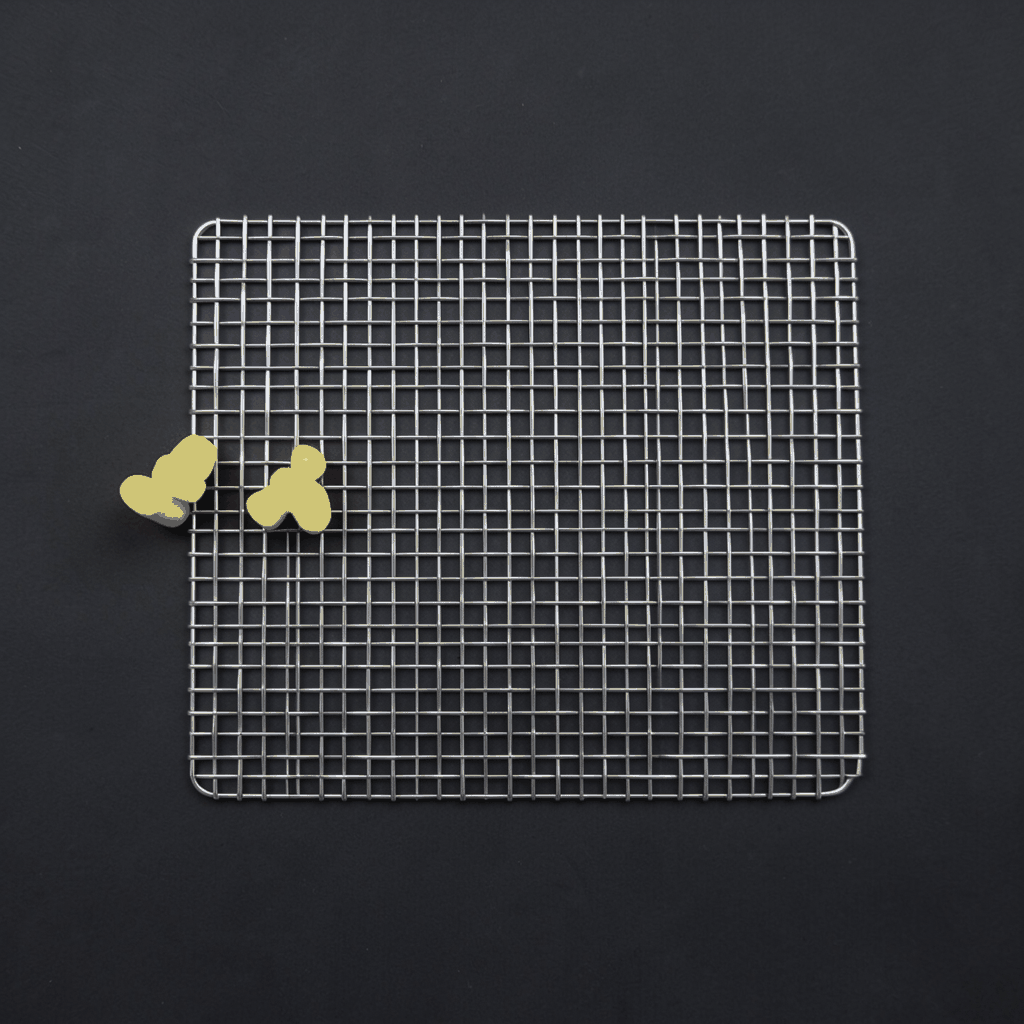
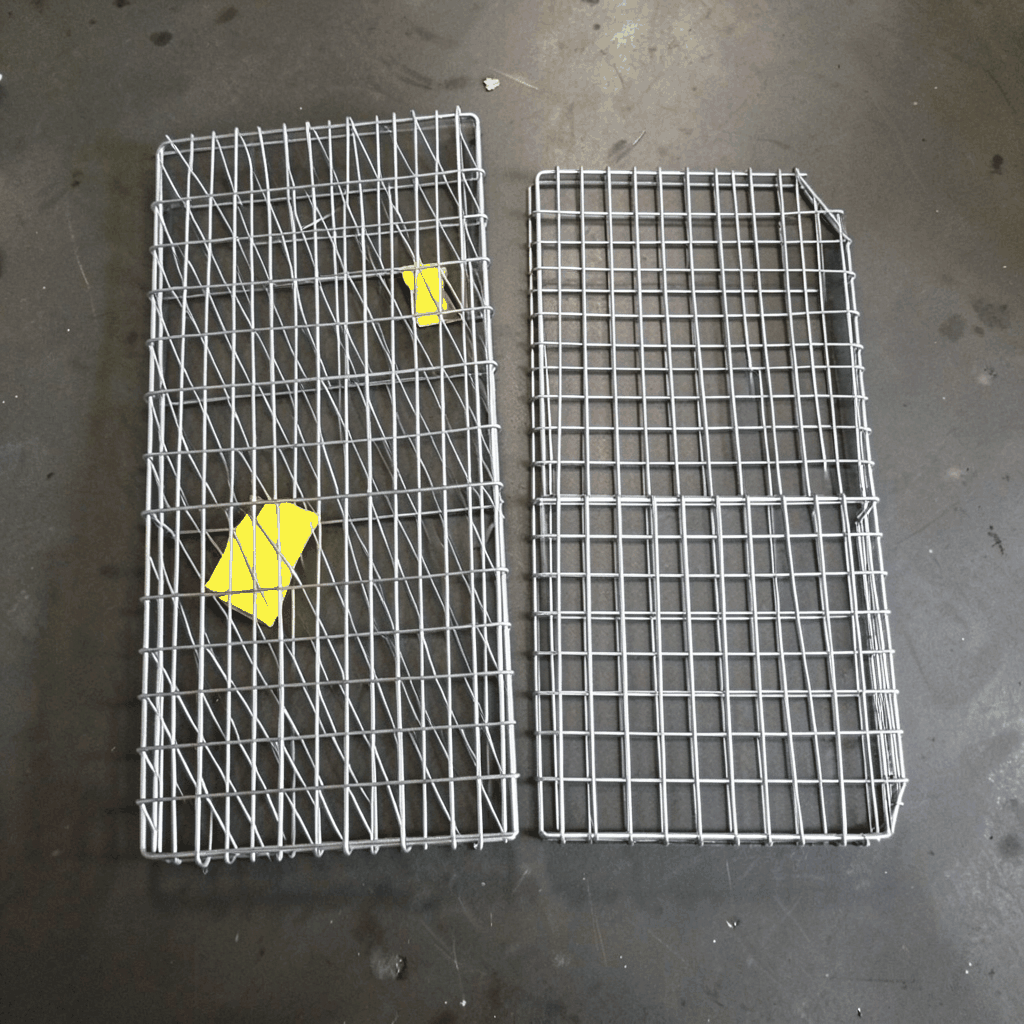
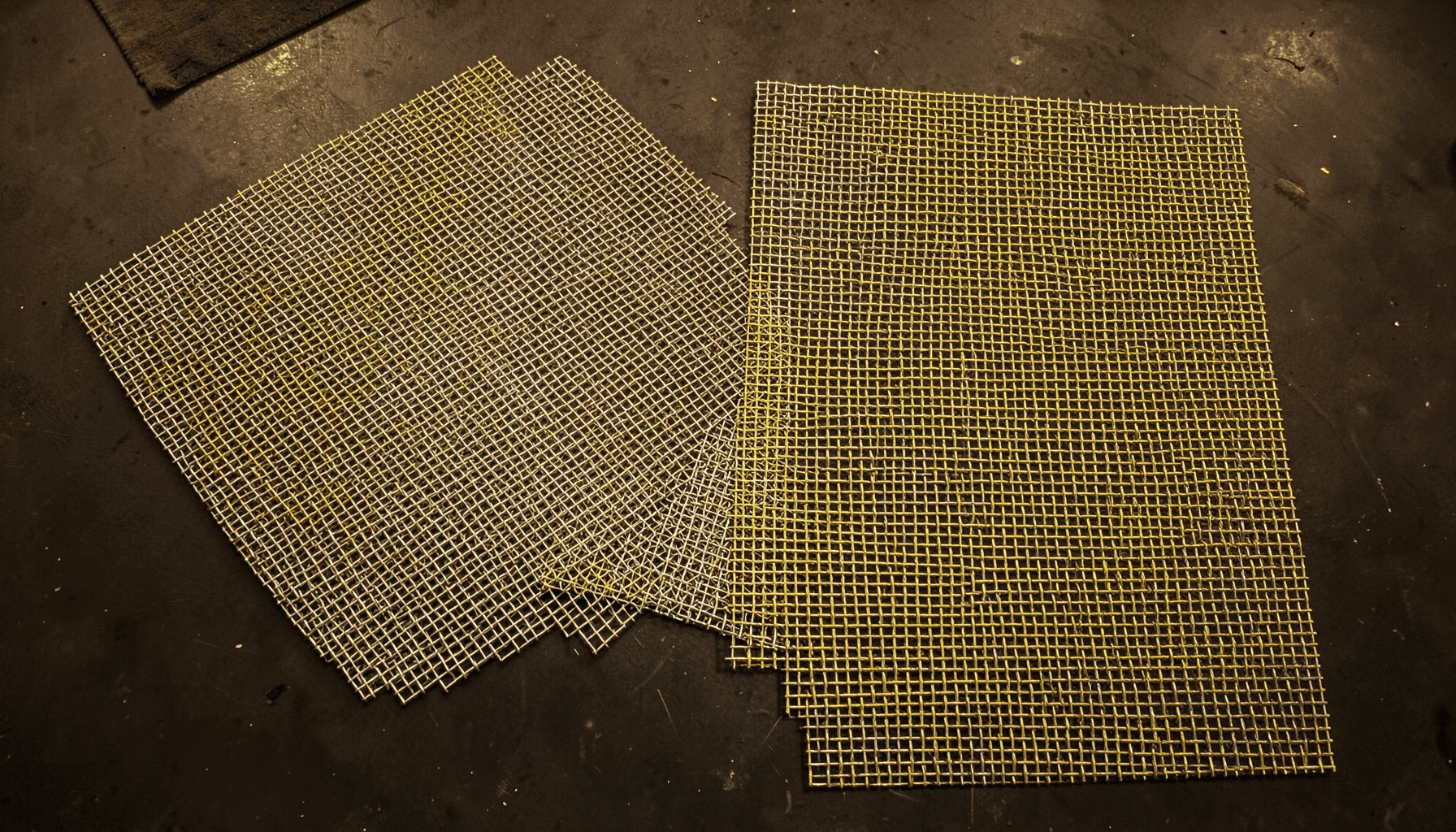
Outdoor partitions must manage weather, daily use, appearance, and structural performance at the same time. Aluminum mesh is widely selected for these applications because it combines low weight with strong resistance to atmospheric corrosion. It can be formed into expanded mesh, woven mesh, decorative curtains, perforated panels, and architectural screens for balconies, courtyards, walkways, entrances, and commercial landscapes.
The metal’s durability comes from a natural protective reaction. When aluminum is exposed to air, it quickly develops a thin oxide film that separates the underlying metal from moisture and oxygen. This passive layer is tightly attached and can repair itself when minor surface damage occurs, provided the environment and surface condition allow the film to reform.
Corrosion resistance is still influenced by alloy selection, fabrication, fasteners, coatings, drainage, and maintenance. A well-designed partition system uses these factors together rather than depending on the base metal alone. For projects requiring a specific color, privacy level, opening ratio, or panel shape, a qualified mesh manufacturer can coordinate material and finishing choices from the start.
Why Aluminum Performs Outdoors
Aluminum has a favorable strength-to-weight ratio for outdoor divider systems. Its lighter mass reduces the load on posts, frames, anchors, and supporting walls, which can simplify installation on terraces, rooftops, balconies, and existing structures. The reduced weight also makes large decorative panels easier to handle during fabrication and assembly.
Its resistance to general atmospheric corrosion is particularly useful in areas exposed to rain, humidity, and changing temperatures. Unlike ordinary carbon steel, aluminum does not rely on a thick layer of rust products for protection. The surface oxide is compact and adherent, so the metal generally maintains a clean appearance and useful section thickness under normal outdoor exposure.
Outdoor conditions vary significantly. A garden partition in an inland residential area may experience mild exposure, while a screen near the coast can receive salt-laden moisture, wind-driven spray, and deposits that remain on horizontal surfaces. Aluminum often performs well in both settings, but marine locations require more careful alloy, finish, joint, and cleaning specifications.
How The Protective Oxide Film Works
Fresh aluminum reacts with oxygen almost immediately, forming aluminum oxide on the surface. This film is extremely thin, yet it acts as a barrier that slows further chemical reaction. If the surface is lightly scratched, a new oxide layer can form as long as oxygen is available and contaminants do not prevent the exposed area from passivating.
The film is most stable in environments that are close to neutral. Very strong acids or alkalis can dissolve it, while concentrated chloride deposits may create localized pitting under certain conditions. Pitting appears as small, concentrated areas of attack rather than broad surface loss. Good detailing and regular removal of deposits reduce the likelihood of this type of damage.
The oxide layer should not be confused with an applied decorative coating. It is a naturally formed surface condition, while anodizing deliberately thickens and stabilizes the oxide layer through an electrochemical process. Powder coating adds a separate polymer barrier that provides color and additional protection. These treatments can be used independently or selected according to the project’s appearance and exposure requirements.
Alloy Choice And Surface Finishes
The alloy affects strength, formability, surface response, and suitability for different mesh manufacturing methods. Aluminum grades used for architectural products are commonly chosen according to whether the mesh must be expanded, woven, perforated, bent, framed, or shaped into a custom screen. A material that forms easily may be preferable for intricate patterns, while a stronger alloy may suit larger freestanding panels or impact-prone guardrails.
Anodized aluminum provides a controlled oxide finish with consistent color options and a durable architectural surface. It is useful when the design calls for a metallic appearance, clear protection, or a finish that highlights the pattern of a decorative mesh curtain. Anodizing can also improve resistance to weathering, although the exact performance depends on the anodizing specification, sealing quality, alloy, and exposure.
Powder coating is often selected when a project requires a broad range of colors, a uniform branded appearance, or coordination with building frames. The coating must be properly applied to clean, pretreated aluminum. Cut edges, drilled holes, corners, and contact points deserve attention because poor pretreatment or damaged coating can allow moisture to reach the substrate.
A finish should be specified together with the environment. Coastal sites, industrial districts, swimming-pool areas, and locations exposed to deicing salts place different demands on the system. A manufacturer such as Shuo Ke Wire Mesh Product Technology Co., Ltd. can review the intended location, mesh form, color, and fixing method before recommending a practical aluminum surface treatment.
Design Details That Reduce Corrosion
Partition geometry has a direct effect on service life. Mesh panels should be arranged so rainwater can drain rather than collect in folded edges, channels, frames, or horizontal ledges. Open mesh naturally promotes ventilation and drainage, but the supporting structure can still create pockets where dirt and salt remain wet for long periods.
Contact between dissimilar metals requires special care. Aluminum connected directly to copper, brass, or some stainless steel components can experience galvanic corrosion when an electrolyte such as rainwater or condensation bridges the metals. Isolation washers, sleeves, gaskets, compatible coatings, and appropriate fasteners can reduce this risk. The design should also prevent water from being trapped at the fastener interface.
Edges and cutouts need a clean finish. Burrs, sharp notches, embedded iron particles, and damaged coating can become initiation points for staining or localized attack. Fabrication shops should use suitable tools and handling procedures, then inspect the finished mesh before it is packed and installed.
The supporting frame is equally important. A corrosion-resistant aluminum screen mounted on an unsuitable steel frame may still develop staining or premature deterioration around the perimeter. Frames, brackets, anchors, welds, and drainage paths should be treated as part of one outdoor partition system rather than as separate components.
Material And Finish Choices At A Glance
| Option | Corrosion behavior outdoors | Main advantage | Key specification concern |
|---|---|---|---|
| Mill-finish aluminum | Forms a natural protective oxide film | Lightweight and economical | Surface appearance may change with deposits and weathering |
| Anodized aluminum mesh | Thickened oxide layer supports durable surface protection | Metallic appearance and controlled finish | Alloy, anodizing thickness, sealing, and color consistency |
| Powder-coated aluminum | Coating creates an additional moisture barrier | Wide color selection and design flexibility | Pretreatment, edge coverage, impact resistance, and repair |
| Stainless steel mesh | Strong resistance in many atmospheric environments | High strength and premium long-term appearance | Higher weight and cost; chloride grades still require care |
| Galvanized steel mesh | Zinc coating protects underlying steel | Cost-effective structural option | Cut edges, scratches, and long-term exposure can consume the zinc layer |
| Copper or copper alloy mesh | Develops a protective patina over time | Distinctive decorative character | Color change, staining, and contact with dissimilar metals |
The comparison shows why aluminum is attractive for architectural partitions: it offers a useful balance of low mass, corrosion resistance, processing flexibility, and finish options. Stainless steel may be preferred for severe mechanical or marine requirements, while galvanized steel can suit economical industrial barriers. The right choice depends on exposure, design intent, maintenance access, and the expected service life.
Maintenance For Long-Term Appearance
Even corrosion-resistant aluminum benefits from routine cleaning. Dust, pollen, bird deposits, industrial particles, and salt can collect on mesh surfaces and frames. When these deposits remain damp, they create a concentrated environment that is harsher than ordinary rain exposure. Washing with clean water and a mild, non-abrasive detergent usually removes the buildup without damaging the finish.
Inspection should include fasteners, frame joints, panel edges, coating damage, and areas behind overlapping mesh. A small defect can be repaired more easily before moisture spreads beneath a coating or deposits accumulate around a connection. Abrasive pads, aggressive solvents, and unsuitable acidic or alkaline cleaners should be avoided unless the finish supplier has approved them.
For coastal or industrial installations, the cleaning interval may need to be shorter than for inland residential applications. The site owner should consider wind direction, salt exposure, pollution levels, irrigation water, and access for maintenance. A clear care schedule helps preserve both the corrosion protection and the visual quality of a decorative metal screen.
Practical Steps For A Durable Partition
A reliable specification should connect material, finish, fabrication, installation, and maintenance. The following measures provide a practical starting point:
- Select an aluminum alloy and mesh form that match the required strength, opening ratio, flexibility, and fabrication method.
- Choose anodizing or powder coating according to exposure severity, color requirements, and the desired architectural appearance.
- Isolate aluminum from incompatible metals with suitable washers, sleeves, gaskets, coatings, or approved fasteners.
- Detail frames and panels for drainage, ventilation, clean edges, and limited water retention.
- Establish a cleaning and inspection routine based on the site’s salt, pollution, humidity, and maintenance access.
These steps are especially important for freestanding privacy screens, balcony dividers, decorative facade panels, outdoor elevator enclosures, and municipal barriers. A partition may appear simple, but its performance depends on the relationship between mesh openings, panel rigidity, fixing points, wind load, and water movement.
Custom fabrication can resolve many of these requirements before production begins. Shuo Ke Wire Mesh Product Technology Co., Ltd. supplies aluminum and other metal mesh products for architectural and industrial applications, including decorative partitions, screens, cladding, fences, gates, and guardrails. Technical discussions can cover dimensions, pattern, edge treatment, frame integration, finish, and delivery requirements.
For a long-lasting outdoor partition, corrosion resistance should be planned at the design stage rather than treated as a final coating decision. Share the site environment, panel dimensions, preferred appearance, and performance requirements with Shuo Ke’s engineering team to develop an aluminum mesh solution suited to the project.