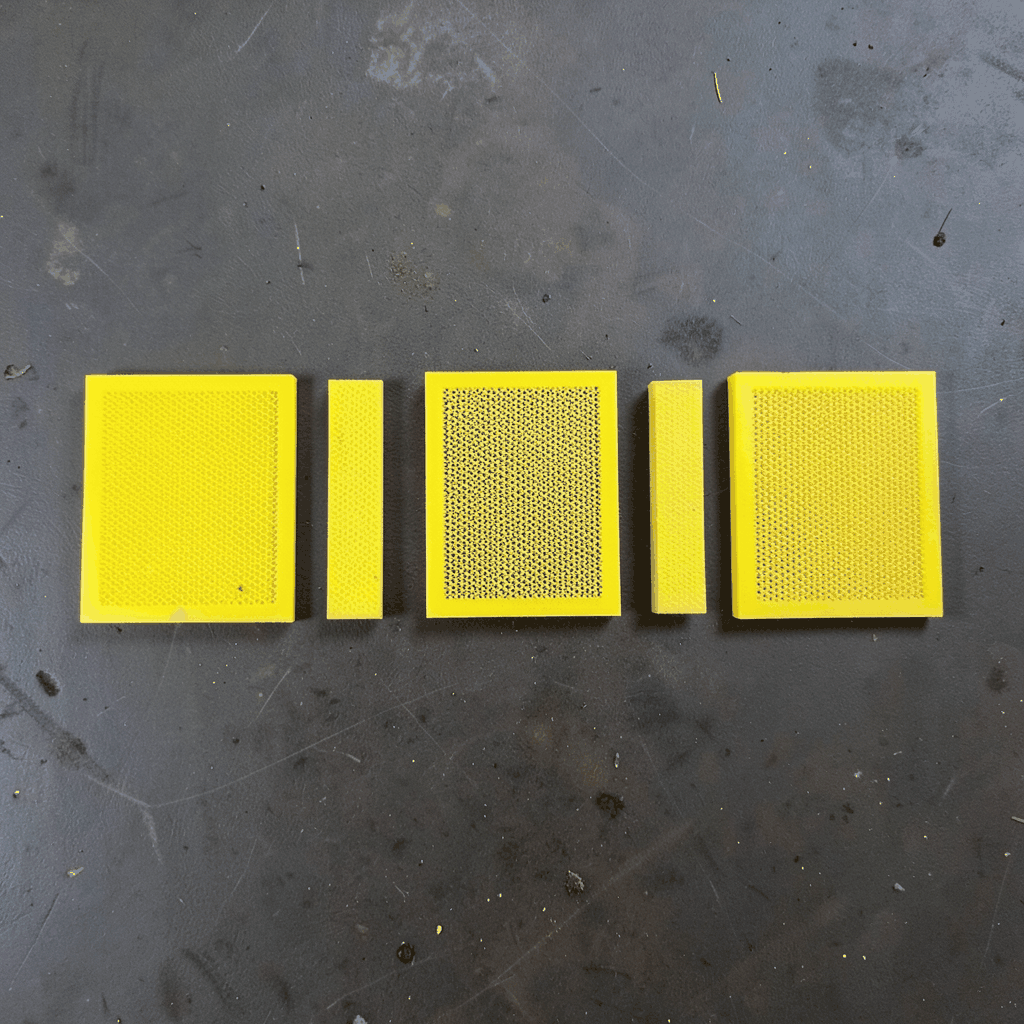
How Pre-Crimped Wire Mesh Improves Accuracy in Industrial Sizing
Industrial sizing depends on a simple principle: material should pass through openings that remain consistent throughout the screening process. When an aperture changes shape, shifts under vibration, or becomes distorted by tension, the final separation becomes less reliable. Product may be incorrectly classified, valuable material may be lost, and downstream equipment may receive particles outside its design range.
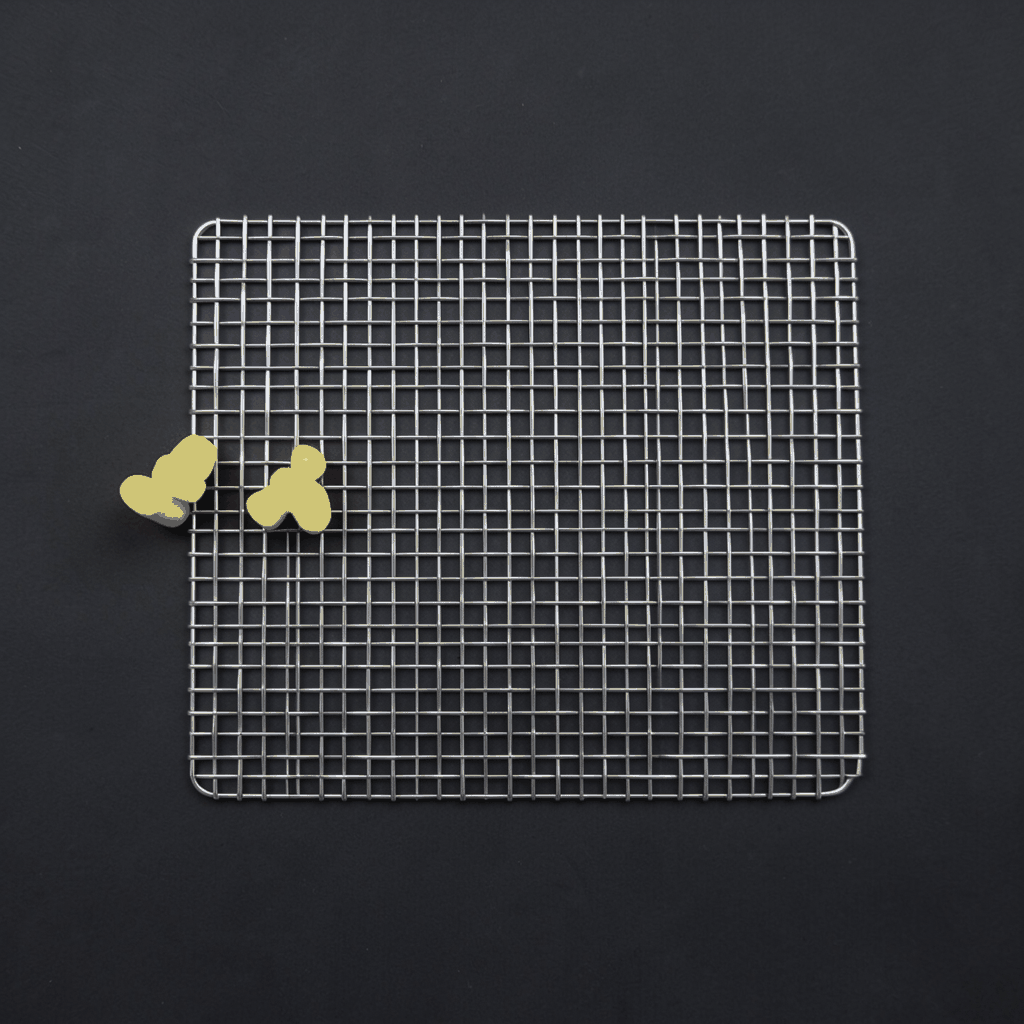
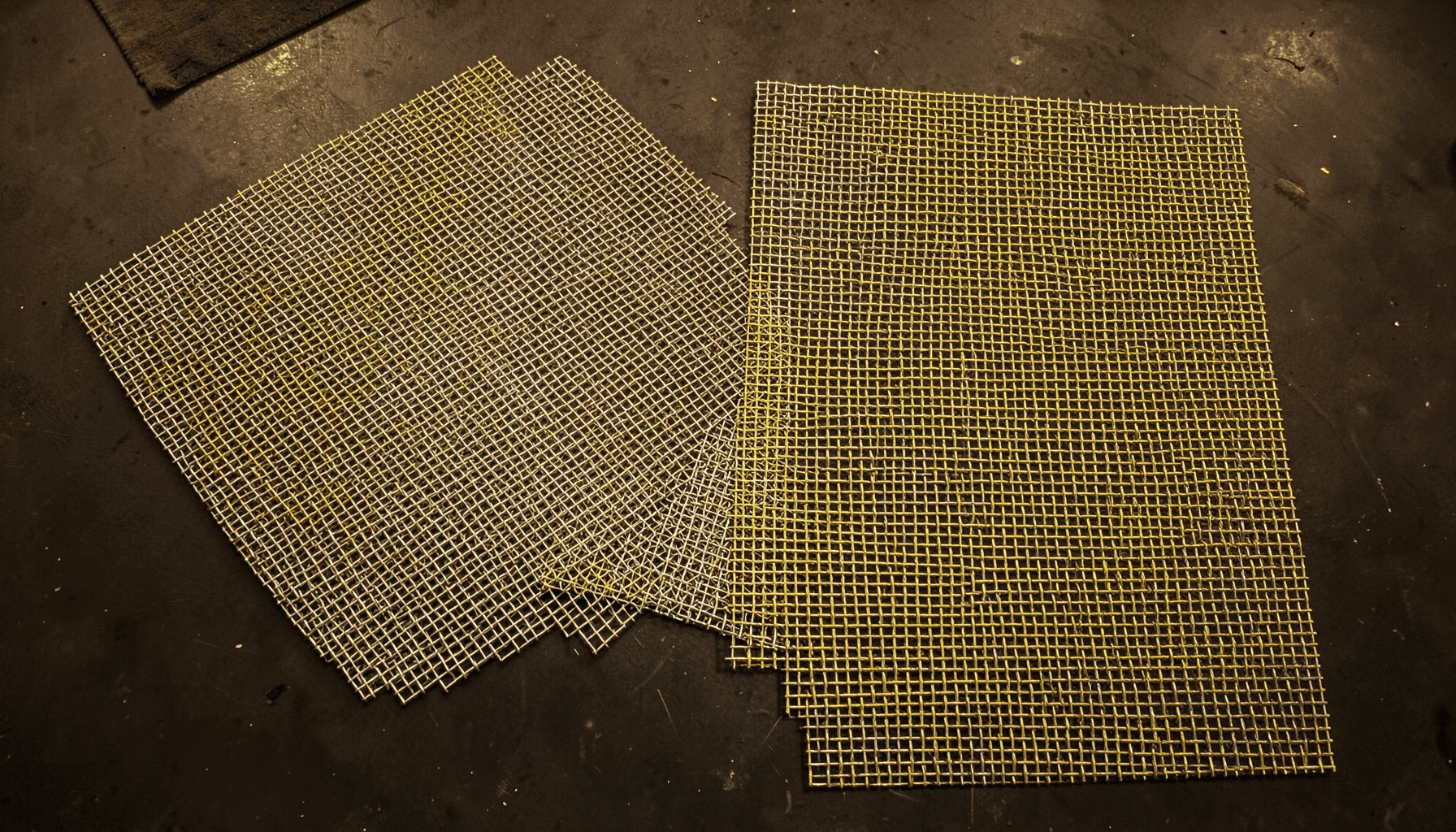
Pre-crimped wire mesh provides a stable woven structure for screening, grading, and separation. The controlled bends formed in each wire help maintain the intended opening size while supporting the mesh against mechanical stress. This makes it suitable for applications involving powders, granules, aggregates, minerals, chemicals, food ingredients, and recycled materials.
For manufacturers and plant operators, the benefit is practical as well as technical. A properly selected pre-crimped screen can improve sizing accuracy, extend service life, reduce maintenance, and deliver more predictable production results. Shuo Ke Wire Mesh Product Technology Co., Ltd. produces customized metal mesh solutions for industrial and architectural applications, using stainless steel, iron, aluminum, copper, and other alloys according to operating requirements.
Why Aperture Accuracy Matters
In a screening operation, the nominal mesh opening determines which particles pass and which remain on the screen surface. Even a small deviation can affect the particle size distribution of the finished product. This is particularly important in pharmaceutical powders, chemical compounds, food processing, mineral grading, and abrasive aggregate production, where narrow size tolerances are often required.
Opening accuracy is influenced by several factors, including wire diameter, mesh count, weave pattern, material hardness, and the way the screen is installed. A square aperture that remains uniform gives particles a more consistent path through the screen. If the opening becomes elongated or compressed, particles near the target size may be misclassified.
Inconsistent sizing can also reduce separation efficiency. Oversized particles may pass through deformed areas, while acceptable particles can remain trapped by restricted openings. The resulting variation may increase recirculation, create product waste, and place additional pressure on crushers, mills, conveyors, and packaging systems.
How Pre-Crimping Stabilizes the Opening
Pre-crimping introduces controlled bends into the wire before the mesh is woven. These crimps create interlocking contact points between the warp and weft wires. The wires are therefore held in a more stable relationship than in a simple plain weave made from straight wires.
This structure helps the mesh preserve its aperture under vibration, impact, and repeated loading. Instead of relying only on wire tension or the frame to keep the openings aligned, the crimped intersections contribute mechanical stability. The result is a screen surface that is less likely to shift during continuous operation.
The crimp pattern also supports dimensional consistency across the working area. Depending on the application, manufacturers may use different configurations, such as double crimp, lock crimp, intermediate crimp, or flat-top crimp. Each pattern balances opening accuracy, wire support, material flow, and resistance to wear in a different way.
Selecting Geometry for the Material
The correct mesh geometry begins with the material being sized. Dry, free-flowing granules behave differently from damp powders, sticky compounds, sharp mineral fragments, or heavy aggregates. Particle shape, moisture content, bulk density, abrasiveness, and flow rate all influence how a screen performs.
Square openings are widely used where classification by nominal particle size is important. They provide a repeatable passage for particles and are common in test sieves, vibrating screens, grading equipment, and industrial separators. Rectangular or slotted openings may be selected when higher throughput or easier passage of elongated particles is preferred.
Wire diameter must also be matched to the application. Fine wire can provide a high open area and precise sizing, but it may be less suitable for impact or abrasive service. Heavier wire improves durability and load capacity, although it reduces the percentage of open area. Pre-crimped construction helps bridge this compromise by adding support without requiring an excessive increase in wire thickness.
Comparing Screening Mesh Options
Different woven mesh constructions can deliver acceptable results, but they do not provide the same level of dimensional stability. The choice should reflect the required tolerance, operating force, particle characteristics, and replacement schedule.
| Mesh construction | Opening stability | Typical strength | Suitable applications | Main consideration |
|---|---|---|---|---|
| Plain woven mesh | Moderate | Moderate | Fine screening, laboratory testing, light-duty separation | Can shift under heavy vibration or impact |
| Pre-crimped woven mesh | High | High | Aggregate grading, powder sizing, mineral processing, industrial separators | Requires accurate selection of crimp and wire size |
| Welded wire mesh | High at welded points | High | Guards, baskets, coarse screening, structural panels | Less flexible and less suitable for very fine apertures |
| Perforated metal sheet | Very high | Very high | Large-particle screening, chutes, protective covers | Lower open area and limited aperture patterns |
| Expanded metal | Moderate | High | Walkways, guards, screens, ventilation panels | Opening shape is not ideal for precise particle classification |
Pre-crimped woven mesh is especially valuable where both precision and flexibility are necessary. The woven construction provides a broad range of aperture sizes and alloys, while the crimps improve resistance to movement. This makes it more adaptable than rigid perforated sheet for many sizing systems.
The mesh can also be designed for different mounting arrangements. It may be supplied as a roll, cut panel, hook-edge screen, framed sieve, or custom-fabricated component. Proper edge treatment is important because a strong mesh can still perform poorly if it is not firmly supported or if the frame allows excessive movement.
Operational Factors That Protect Precision
Screening accuracy depends on more than the mesh itself. Vibration frequency, amplitude, feed depth, screen inclination, and material loading all affect how particles interact with the openings. A screen operating beyond its intended capacity may experience blinding, rapid wear, or uneven loading, even when the mesh specification is correct.
Installation also affects aperture stability. The screen should be tensioned or secured according to its design, with sufficient support beneath areas exposed to heavy impact. Loose sections can flex and deform, while excessive tension may damage the wire or frame. A correctly fitted pre-crimped panel distributes operating forces more evenly across the screening surface.
Regular inspection helps preserve sizing performance. Operators should look for worn wires, enlarged openings, broken intersections, corrosion, blocked apertures, and damage around the edges. Measuring selected openings with suitable inspection equipment can identify gradual changes before they produce a noticeable shift in product quality.
Material selection is another key factor. Stainless steel mesh is often chosen for corrosion resistance, hygiene, and strength in food, chemical, and pharmaceutical environments. High-carbon steel or iron mesh may suit heavy-duty aggregate and mineral applications, while special alloys can be considered for elevated temperatures or highly corrosive conditions.
Linking Mesh Design to Production Results
A stable aperture improves the repeatability of sieve analysis and continuous industrial screening. When the mesh maintains its geometry, test results are more representative of actual material behavior. This supports better control of feed preparation, blending, milling, granulation, and final product classification.
Consistent openings can also improve throughput. Particles encounter a predictable screening surface, which helps reduce unnecessary recirculation and lowers the likelihood of localized blockage. In some applications, the improved open area and controlled vibration response allow operators to maintain production rates without sacrificing the target particle range.
The economic effect is often visible across the complete process. Accurate sizing reduces rejected batches, minimizes off-specification material, and helps protect equipment from unexpected oversize particles. Longer screen service life can reduce unplanned shutdowns, while a customized mesh design limits the need for frequent replacement.
For these reasons, pre-crimped mesh should be considered as part of the complete screening system rather than as an interchangeable consumable. Opening size, wire alloy, crimp style, panel dimensions, support method, and operating conditions should be evaluated together.
Practical Selection Recommendations
A reliable specification should connect the desired particle size with the mechanical and environmental demands of the process. Before ordering a screen, engineers should confirm the required aperture tolerance, material characteristics, equipment format, and expected service life.
- Select a pre-crimped pattern that matches the vibration, impact, and load conditions of the screening machine.
- Match wire diameter and alloy to particle abrasiveness, corrosion exposure, temperature, and cleaning requirements.
- Specify the opening size, mesh count, panel dimensions, edge treatment, and mounting method together.
- Use square apertures for controlled particle classification and consider alternative opening shapes only when flow or throughput requires them.
- Establish an inspection schedule for aperture wear, blocked openings, broken wires, and frame or tensioning damage.
A manufacturer with wire-forming and fabrication capabilities can help convert these operating details into a practical mesh specification. Customized samples or trial panels are useful when the material has unusual moisture, shape, density, or abrasiveness. They allow the plant to assess throughput and separation accuracy before committing to a full production quantity.
Shuo Ke Wire Mesh Product Technology Co., Ltd. can supply industrial mesh products in customized materials, opening sizes, weave structures, dimensions, and finishing formats. Its manufacturing experience supports applications that require both dependable mechanical performance and accurate fabrication.
When industrial sizing depends on repeatable separation, the screening surface deserves careful engineering. Pre-crimped wire mesh offers a strong combination of dimensional stability, wear resistance, open-area control, and design flexibility. Contact Shuo Ke Wire Mesh Product Technology Co., Ltd. to discuss the material, aperture, wire diameter, crimp pattern, and installation format suited to your sizing equipment.