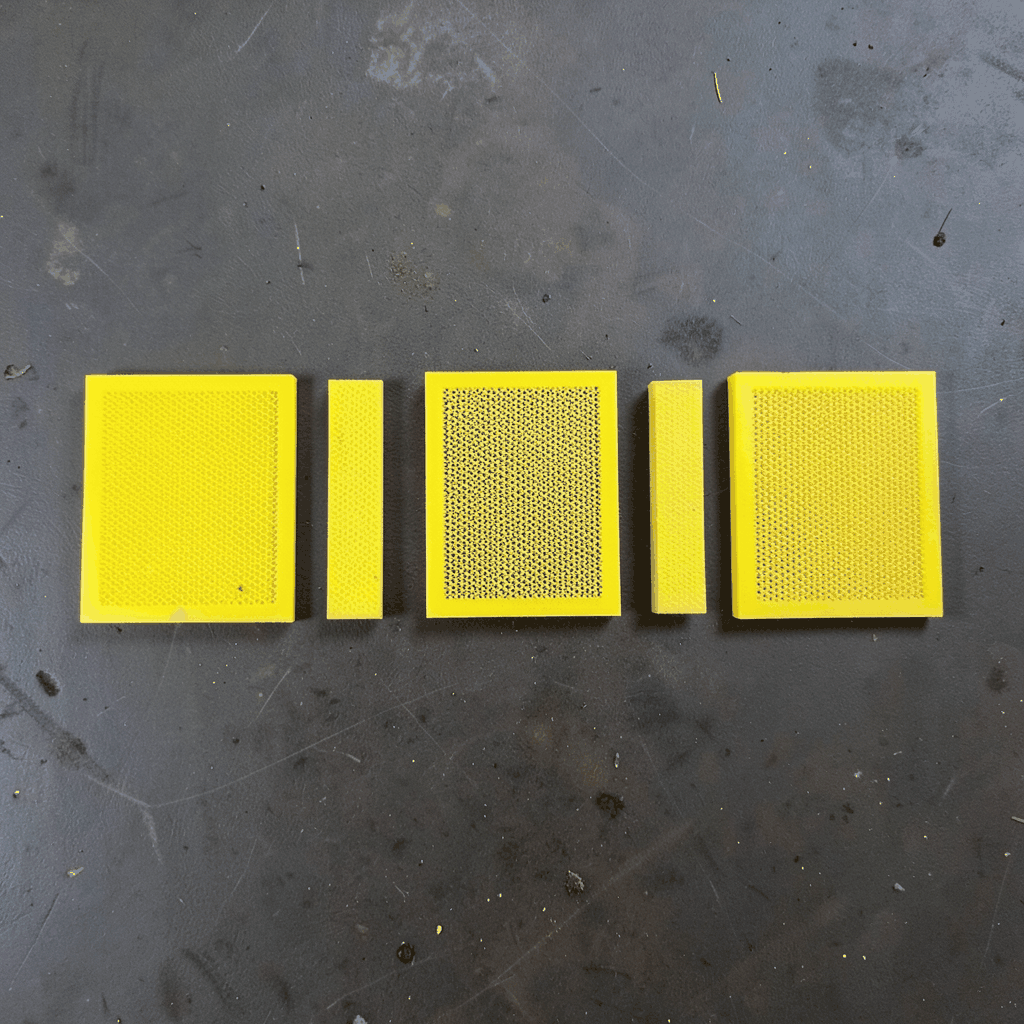
Choosing The Right Mesh For Seed Cleaning And Grading
Selecting the right mesh for agricultural seed cleaning and grading affects separation accuracy, machine capacity, product quality and operating costs. A screen that is too fine can restrict airflow and reduce throughput, while an opening that is too large may allow weed seed, chaff or broken grain to pass with the cleaned crop.
Australian growers handle a wide range of crops, including wheat, barley, pulses, canola, sorghum, rice and pasture seed. Each crop brings different shapes, sizes, moisture levels and contaminants. The best screen is therefore chosen from the physical characteristics of the seed and the intended cleaning stage, rather than from a general mesh number alone.
For farms, seed processors and equipment manufacturers, metal mesh provides a practical balance of strength, repeatable apertures and cleanability. Woven wire cloth, perforated sheet, expanded metal and specialised screening panels can all be made for agricultural equipment. The suitable choice depends on the separation task, machine design and conditions at the site.
Start With The Seed And Contaminant Profile
Begin by identifying the crop, variety, target seed fraction and materials that must be removed. A sample may contain oversized pieces of straw, pods and cob fragments, along with undersized weed seeds, cracked grain, dust, soil and stones. The shape of the impurity matters as much as its width. A long, narrow piece can pass through an opening that would retain a round particle of the same approximate size.
Seed moisture also changes screening behaviour. Damp grain can bridge across apertures, cling to the screen surface and form lumps that reduce effective open area. Very dry material may create dust and static, while brittle seed can break when handled aggressively. Testing a representative sample under realistic moisture conditions gives a more reliable result than measuring a handful of clean seed in isolation.
The cleaning objective should be clearly defined. Pre-cleaning removes large foreign matter before storage or further processing. Fine cleaning targets small weed seeds and mineral particles. Grading separates marketable seed by width, thickness, length or density. A scalping screen, sizing screen and final cleaning screen may therefore require different mesh specifications within the same line.
Australian grain operations often work around short harvest windows, with equipment moving between paddocks in the wheat belts of Western Australia, South Australia, Victoria and New South Wales. A screen selected for one crop may be expected to handle another soon afterwards. Modular or replaceable panels can make this changeover faster and reduce the need to compromise separation performance.
Match The Aperture To The Separation Job
The opening size is the central specification, but it should be described accurately. In woven wire mesh, aperture refers to the clear distance between adjacent wires. In perforated plate, the hole diameter, shape, pitch and arrangement all influence screening behaviour. Two panels with a similar nominal opening can perform differently because their open-area percentage and thickness are different.
Round holes are commonly used for general sizing and grain screening. Square openings can provide more consistent passage for particles with regular dimensions, while slotted or oblong holes can separate elongated material and improve capacity in certain applications. The correct geometry depends on whether the separation is based primarily on width, thickness or a combination of particle dimensions.
Avoid choosing a screen solely by the seed’s average measurement. The working aperture must account for variation within the crop, desired purity, machine inclination, vibration and feed depth. If the opening is too close to the maximum seed dimension, usable capacity may fall sharply because particles approach the screen at unfavourable angles or become lodged.
A useful specification records the target pass fraction and retained fraction, then compares those dimensions with the impurities. For example, a grader may need to retain larger, well-developed seed while allowing small weed seed and fines to pass. Trial panels with slightly different apertures can reveal the best compromise between purity and throughput before a full set of screens is manufactured.
Choose Mesh Construction And Material
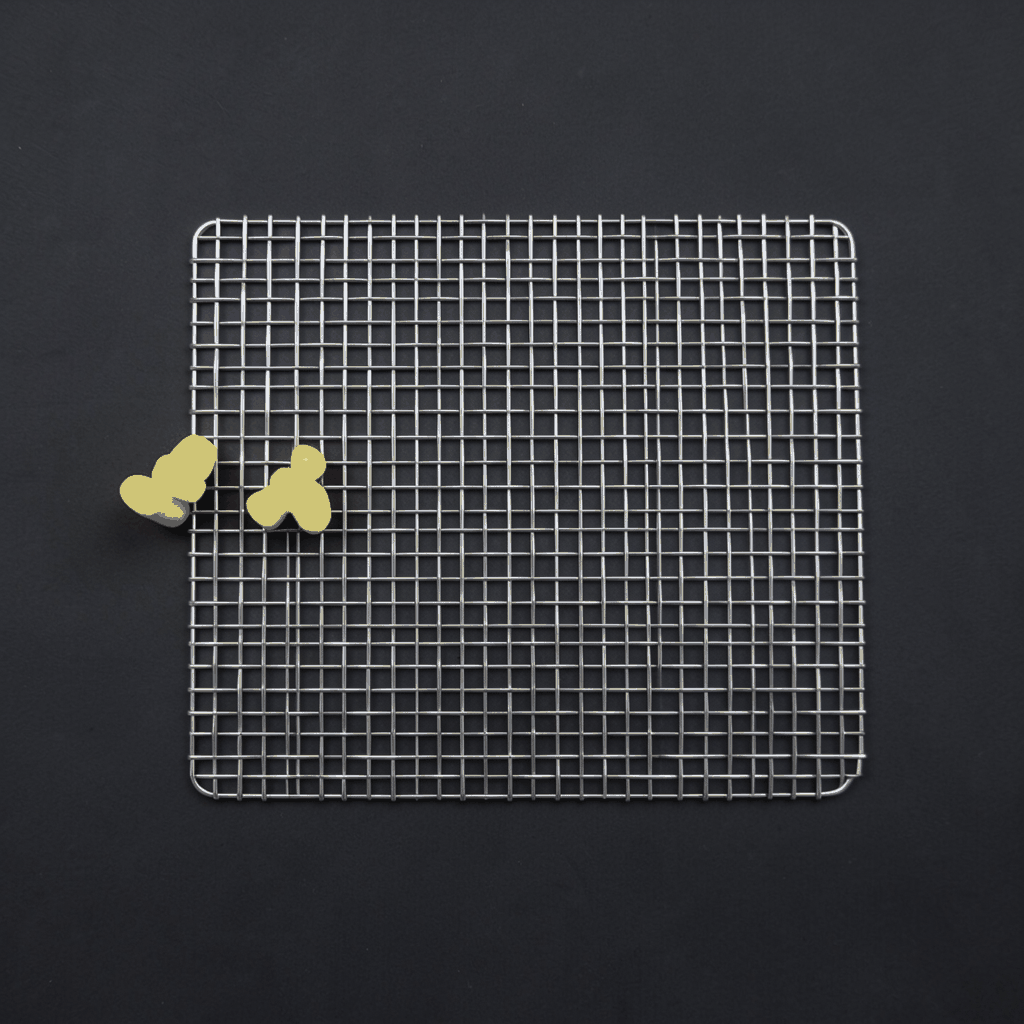
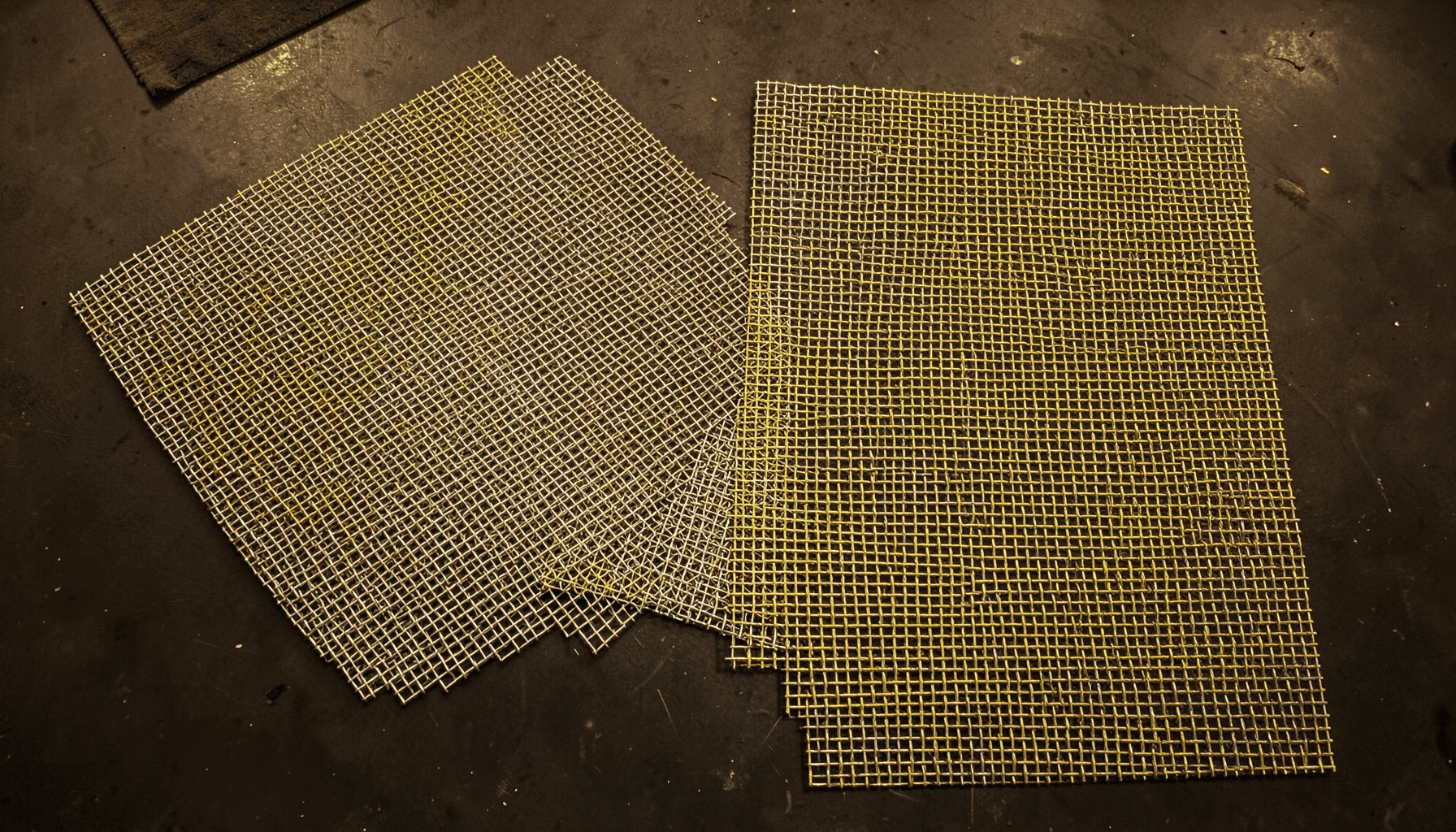
Woven wire mesh is flexible, widely available and suitable for many vibrating or rotary screening systems. Its repeated aperture pattern supports accurate sizing, and damaged sections can sometimes be replaced without changing the entire frame. Wire diameter must be considered alongside aperture size because heavier wire improves durability but reduces open area.
Perforated metal sheet offers a rigid screening surface and can withstand impact from stones, grain and other heavy material. It is often useful for scalping, hopper screens and high-wear sections. Hole diameter, plate thickness, pitch and edge condition should be specified together. A thick plate with small holes may have substantially less effective capacity than a lighter panel with the same nominal hole size.
Wedge wire and other profile-wire screens can be considered where continuous slot openings, drainage or reduced blinding are important. They are frequently used in specialised processing and separation equipment. Expanded metal may suit guarding, ventilation or coarse retention, but its irregular opening geometry requires careful assessment before it is used for precise seed grading.
Stainless steel is a strong choice where corrosion resistance, wash-down cleaning and long service life are priorities. Grades such as 304 and 316 may be considered according to the environment, exposure to moisture and cleaning chemicals. Carbon steel can provide an economical solution in dry, enclosed equipment when a suitable protective finish is maintained. Aluminium is lightweight, while copper and specialised alloys may be selected for particular engineering or conductivity requirements rather than routine grain screening.
Design For Australian Farm Conditions
The Australian operating environment places specific demands on screening equipment. In inland areas around Wagga Wagga, Toowoomba and the Riverina, high temperatures, abrasive dust and intense seasonal use can accelerate wear. Near coastal locations such as Perth, Adelaide, Melbourne or Brisbane, humidity and salt-laden air can increase corrosion risk, particularly where screens are stored outside or washed frequently.
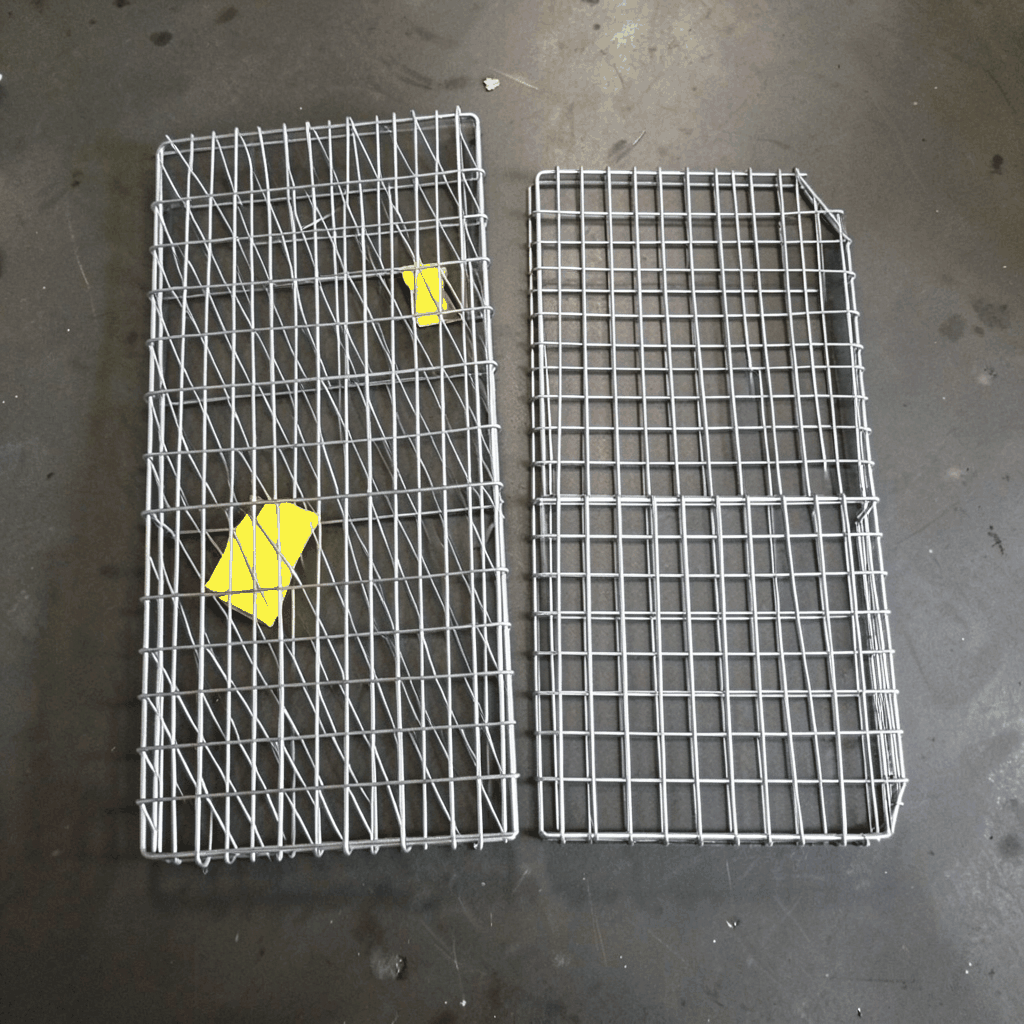
A mesh panel should be compatible with its frame and support system. Excessive vibration, unsupported spans and sharp contact points can cause fatigue or wire breakage. Reinforcing bars, folded edges, perimeter frames and correctly positioned clamps help distribute loads. The design should also allow operators to remove panels without unsafe lifting or awkward access inside a machine.
Dust control is an everyday concern during harvest. Fine particles from grain handling can affect workers, bearings, motors and nearby properties. A screen with a suitable open area supports airflow, but the overall machine must still be designed with extraction, enclosed transfer points and safe clean-out access. Australian work health and safety duties apply across farms and processing sites, so guarding, isolation and access arrangements should be considered with the mesh specification.
Biosecurity is another practical consideration. Equipment moved between properties can carry seed, soil, insects or plant material. Screens with smooth, cleanable surfaces and fewer inaccessible crevices help with inspection and sanitation. Operators should follow the applicable state or territory biosecurity requirements, as rules and movement controls can differ between regions and crops.
Protect Throughput, Safety And Maintenance
A screen’s open area has a direct effect on capacity. More open area can allow greater flow, but a very light or open construction may wear quickly under abrasive material. The right balance depends on feed rate, vibration frequency, loading pattern and the percentage of fines in the product. A manufacturer should be given the machine capacity and operating conditions rather than only a desired hole size.
Blinding occurs when material blocks the apertures. It is more likely with damp seed, sticky residues, irregular particles and excessive feed depth. Cleaning balls, sliders, brushes or anti-blinding devices may help, but these must be compatible with the screen type. A perforated plate and woven wire panel may require different cleaning arrangements and support spacing.
Inspect mesh before each harvest period and after processing abrasive or contaminated loads. Look for stretched wire, enlarged holes, cracked welds, loose fasteners, corrosion, distorted frames and product build-up. A damaged opening can alter the grading result and allow unsuitable seed into the finished lot. Keeping spare panels labelled by crop and position reduces downtime when a replacement is needed.
Safety should be built into the whole screen assembly. Moving screens, augers, belts and fans require guarding and isolation before inspection or maintenance. Machinery risk management should align with applicable Australian state or territory work health and safety legislation and relevant machinery safety guidance, including AS/NZS 4024 principles where applicable. Mesh openings used as guards must prevent access to hazardous moving parts, not simply provide ventilation.
Use A Practical Specification Checklist
A clear purchase specification helps a mesh fabricator produce a panel that fits the equipment and performs consistently. Include drawings, photographs and measurements where possible, especially if the replacement must match an existing frame. The following details are particularly useful:
- Crop type, seed dimensions, moisture range and contaminants to be removed
- Separation purpose, such as scalping, cleaning, sizing or final grading
- Aperture shape, clear opening, wire diameter or perforated sheet thickness
- Required panel dimensions, frame style, support bars, fixing points and edge treatment
- Expected feed rate, vibration or rotary action, operating hours and abrasive exposure
Ask for material certification or product documentation when traceability matters. For seed processors supplying commercial markets, repeatable screen performance supports consistent grading records and reduces variation between batches. A sample screen or trial panel can also confirm the result before a larger production order is placed.
Consider how the screen will be cleaned, stored and changed between crops. A panel that delivers excellent separation but takes excessive time to remove may create a practical bottleneck during harvest. Stainless steel may justify its additional cost where frequent washing or humid storage is unavoidable, while a protected steel assembly may be appropriate for a dry on-farm cleaner.
Custom fabrication is valuable when standard mesh sizes do not suit the crop or machine. A specialist metal mesh manufacturer can combine woven wire, perforated sheet, folded edges, welded frames and reinforcing components into a panel designed for a particular grader. This approach is useful for replacement screens, prototype equipment and processing lines handling several seed varieties.
For a dependable selection, compare test results using the actual seed lot, inspect the screen after a realistic operating period and record the final aperture and material specification. Work with a manufacturer experienced in stainless steel, aluminium and industrial mesh processing to develop panels that balance grading accuracy, durability and straightforward maintenance.
The right agricultural screening solution starts with a precise understanding of the seed, impurities and equipment. Provide Shuo Ke Wire Mesh Product Technology Co., Ltd. with your crop details, aperture requirements, panel dimensions and operating conditions for a tailored mesh solution. Its custom metal fabrication capability can support seed cleaners, graders, hoppers and related agricultural machinery with durable, application-specific components.