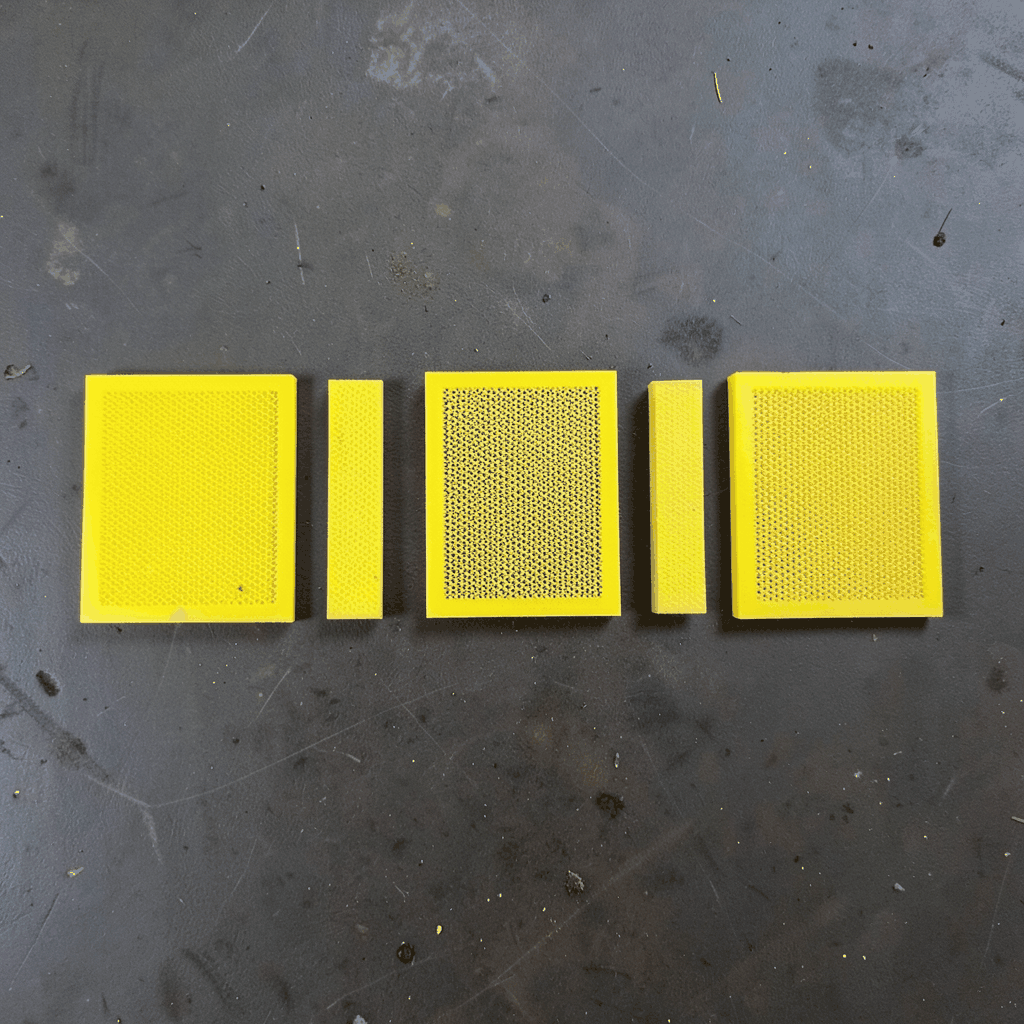
How To Integrate LED Lighting Behind Perforated Metal Screens
Perforated metal screens can become more than protective barriers or decorative cladding when paired with carefully designed LED lighting. A concealed light source transforms the screen into a luminous architectural surface, highlights its pattern, and gives façades, partitions, ceilings, elevator surrounds, and feature walls a distinct identity after dark.
The visual result depends on the relationship between the metal panel, the perforation pattern, the LED system, and the surface behind the screen. A successful installation produces balanced light without visible hotspots, excessive glare, or distracting shadows. It also provides enough access for maintenance and enough ventilation to protect the lighting hardware.
Shuo Ke Wire Mesh Product Technology Co., Ltd. manufactures and processes perforated metal, decorative mesh, laser-cut panels, cladding systems, partitions, fences, and other customized metal products. Selecting the right material, opening pattern, finish, and mounting method at the start makes LED integration more reliable and easier to control.
Choose A Mesh Pattern For The Desired Light Effect
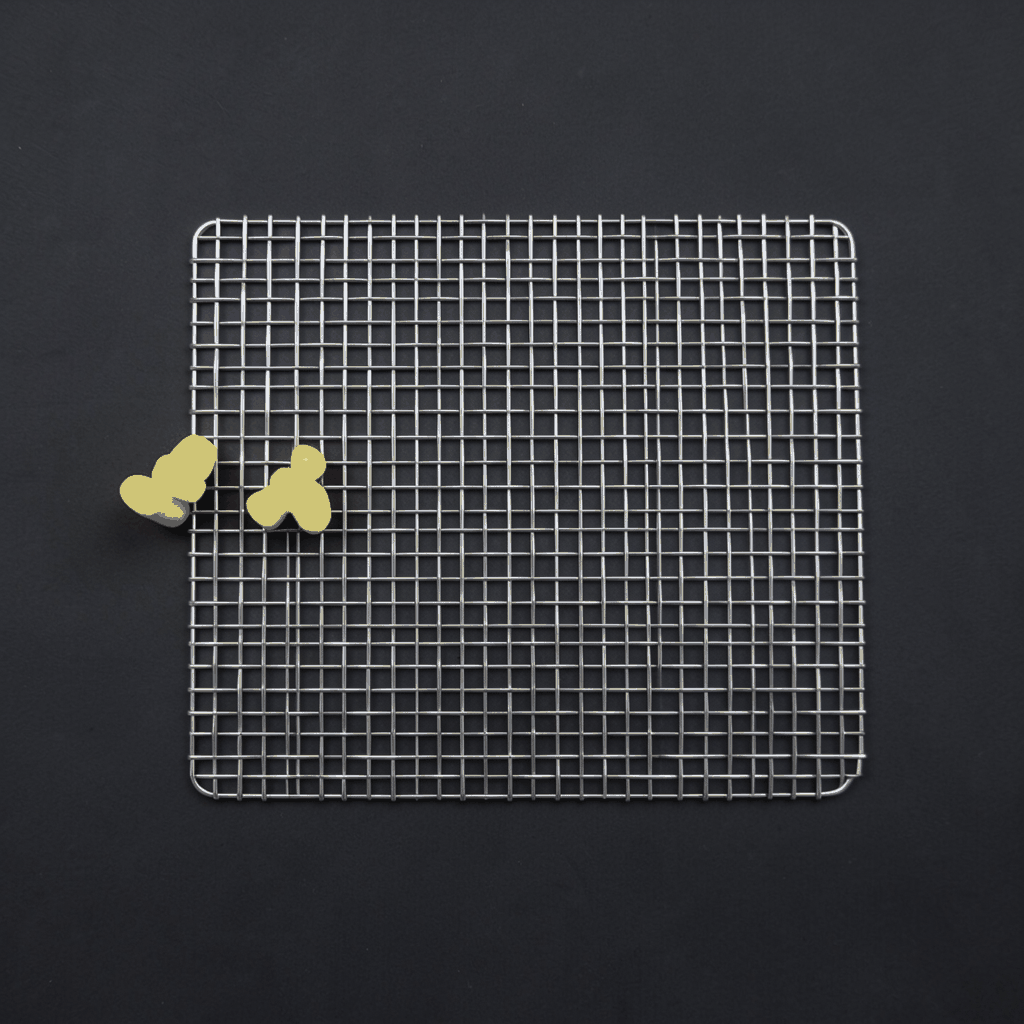
The percentage of open area is one of the most important design factors. A panel with larger perforations and a higher open ratio allows more light to pass through, producing a brighter and more direct glow. A dense pattern creates a quieter, softer appearance, but it may require stronger LED output or a greater distance between the light source and the metal surface.
Perforation shape also changes the character of the illuminated screen. Round holes offer a regular technical appearance, while square, slotted, hexagonal, or custom openings create different levels of visual rhythm. Laser-cut panels can carry more complex motifs, logos, organic forms, and geometric patterns. When these panels are backlit, the cutout design becomes a graphic element rather than a simple opening.
The material and finish affect reflection as well as transmission. Stainless steel provides strength, corrosion resistance, and a crisp contemporary appearance. Aluminum is lightweight and easy to fabricate for large suspended or façade panels. Copper and bronze finishes can give warm tones to the installation, while powder-coated iron or steel offers broad color selection. A matte finish generally controls glare better than a highly polished surface.
Build The Lighting Assembly In Layers
A reliable backlit system usually includes the visible perforated panel, a support frame, a light source, a diffusion or backing layer, and a service cavity. Keeping these parts separate allows each component to perform a specific function. The metal screen creates the pattern, the diffuser blends the light, and the cavity provides room for wiring, heat dissipation, and maintenance access.
LED strips, linear LED bars, and LED modules can all be used behind perforated panels. LED strips are flexible and suitable for shallow details or curved features, but they must be installed in continuous, evenly spaced runs. Linear bars provide stronger uniformity across large surfaces. Point-source modules work well for deeper boxes and signage, where their spacing can be calculated to avoid bright spots.
The distance between the LEDs and the metal face is critical. If the light source is too close, individual diodes may appear as bright points through the openings. If the cavity is deeper, the light has more space to mix before reaching the screen. A translucent acrylic, polycarbonate, fabric, or opal diffuser behind the metal can further reduce uneven illumination. The correct combination depends on the perforation ratio, panel depth, LED beam angle, and desired brightness.
Control Brightness, Color, And Visual Comfort
Backlighting should be evaluated from the main viewing distances and angles, not only from a close-up sample. A screen that looks evenly illuminated from directly in front may show bright streaks or dark bands when viewed obliquely. Full-scale mock-ups are valuable for checking luminance uniformity, shadowing, reflections, and the relationship between the lighted panel and nearby architectural materials.
Color temperature influences the emotional and functional character of the space. Warm white light around 2700–3000K works well with bronze, copper, wood, hospitality interiors, and residential settings. Neutral white around 3500–4000K often suits offices, retail environments, public buildings, and modern façades. RGB or RGBW systems can provide programmed color effects, but they require more complex control equipment and careful coordination with the building’s lighting strategy.
Brightness should be adjustable rather than fixed at the maximum output. Dimming allows the screen to operate comfortably at night, respond to changing ambient conditions, and reduce energy consumption. For public or commercial projects, glare control is especially important. Recessed LED channels, shields, diffusers, and properly aimed optics can prevent direct views of the diodes from pedestrian areas, vehicles, and adjacent buildings.
Match Construction To The Application
The best assembly depends on whether the installation is indoors, outdoors, permanent, movable, or exposed to impact. A decorative interior partition may use a lightweight aluminum frame and low-voltage LED strips. An exterior façade requires weather-resistant hardware, sealed connections, drainage provisions, and lighting equipment with an appropriate ingress protection rating.
The following comparison helps establish an initial direction. Final dimensions, LED spacing, output, and fixing details should be verified through drawings, samples, and lighting calculations.
| Application | Suitable mesh and light source | Important design priorities |
|---|---|---|
| Interior feature wall | Aluminum or stainless steel perforated panel with LED strips or linear bars | Low glare, shallow cavity, easy access, consistent diffuser |
| Lobby partition | Decorative stainless steel mesh or laser-cut screen with concealed linear LEDs | Two-sided appearance, clean frame, shadow control, dimming |
| Elevator cladding | Stainless steel or coated aluminum with compact LED modules | Fire and safety coordination, vibration resistance, service access |
| Outdoor façade | Powder-coated aluminum or stainless steel panel with sealed LED modules | IP-rated components, drainage, corrosion resistance, thermal management |
| Signage or branded screen | Laser-cut metal pattern with concentrated LED modules | High contrast, accurate cutout definition, programmable control |
| Fence or gate accent | Corrosion-resistant mesh with low-voltage linear lighting | Mechanical protection, cable routing, weather exposure, maintenance |
| Ceiling or canopy | Lightweight perforated aluminum with linear LED bars | Weight control, glare reduction, structural coordination |
For outdoor work, avoid creating pockets where water can collect behind the panel. The support frame should allow drainage and air movement while protecting cables from abrasion. Stainless steel fasteners, suitable coatings, and compatible metals help reduce galvanic corrosion. Where a screen is located near the public, the design should also address edges, impact resistance, electrical protection, and access to drivers.
Plan Mounting, Wiring, And Maintenance
The perforated screen should be treated as part of a coordinated assembly rather than as an independent decorative sheet. A concealed frame can hold the panel at a fixed stand-off distance from the wall and create the cavity required for lighting. Removable panels, hinged access sections, or discreetly located fasteners allow technicians to reach LED drivers and connections without dismantling the entire installation.
LED drivers should be positioned where heat can escape and where replacement is practical. Long runs of LED strip may experience voltage drop, causing the far end to appear dimmer than the beginning. Dividing the system into shorter circuits, using suitable cable sizes, and locating power injection points correctly helps maintain even output. All low-voltage wiring should be labeled and secured away from sharp metal edges.
Thermal management is essential because LEDs last longer when operated within their rated temperature range. Aluminum channels and backing plates can act as heat spreaders, while ventilation behind the screen can reduce heat accumulation. A sealed outdoor enclosure may need a carefully designed thermal path rather than simple insulation. Drivers and control equipment should be selected for the actual ambient conditions, duty cycle, and installation location.
Create A Practical Specification Checklist
A clear specification helps the mesh fabricator, lighting supplier, electrical contractor, and installer work from the same design intent. It should describe both the appearance and the performance requirements. Useful documents include the perforation drawing, panel dimensions, open-area percentage, material grade, coating or finish, frame details, LED layout, driver schedule, wiring diagram, and control method.
A physical sample is particularly useful when the screen includes a custom pattern or a tight perforation field. The sample can reveal whether the light source is visible, whether the diffuser is sufficiently uniform, and whether the finish reflects too much light. For major façades and branded installations, a larger mock-up can also show how the design appears at the actual viewing distance.
When developing the project specification, include:
- Mesh material, thickness, perforation shape, pitch, and open-area ratio
- Panel finish, color, corrosion protection, and allowable dimensional tolerance
- LED type, wattage, color temperature, color rendering, beam angle, and rated life
- LED spacing, cavity depth, diffuser construction, and target luminance
- Driver location, dimming protocol, control zones, cable routes, and power requirements
- IP rating, thermal provisions, drainage, access panels, and replacement procedure
- Mounting frame, fasteners, grounding, edge protection, and coordination with adjacent trades
These details reduce the risk of a visually attractive concept becoming difficult to install or service. They also make it easier to compare quotations because suppliers can price the same technical requirements instead of making different assumptions about the lighting cavity or panel construction.
Work With A Fabricator That Can Customize The Assembly
Integrating LED lighting behind perforated metal requires close coordination between design, fabrication, and installation. The mesh pattern must support the intended light transmission, while the panel size and frame must accommodate structural loads, access requirements, and cable routing. A manufacturer experienced with custom architectural metalwork can identify conflicts before production begins.
Shuo Ke Wire Mesh Product Technology Co., Ltd. can support projects involving stainless steel, aluminum, copper, iron, and other alloy products. Its capabilities cover perforated panels, decorative mesh curtains, laser-cut screens, wall and elevator cladding, partitions, fences, gates, guardrails, filters, baskets, and barbecue mesh. This range allows designers to coordinate illuminated screens with other metal elements in the same project.
The fabrication process may include material selection, cutting, punching, laser processing, forming, welding, surface treatment, and customized frame production. Sharing the lighting layout early allows the fabricator to reserve openings for wiring, strengthen large panels, position access sections, and coordinate attachment points. It also helps ensure that the finished perforation pattern aligns with the LED distribution rather than producing unintended dark zones.
A well-integrated luminous metal screen balances pattern, brightness, material, and construction. Begin with the intended viewing effect, test the relationship between open area and light source, and confirm the assembly through a physical sample. Then finalize the mesh, LED system, control equipment, and mounting details as one coordinated package.
Contact Shuo Ke Wire Mesh Product Technology Co., Ltd. with your panel dimensions, application, material preference, perforation or cutout design, finish, and lighting concept. Its technical team can help develop a durable customized metal mesh solution that combines architectural character with practical performance.