Specifying Alloy Mesh for Corrosive Chemical Filtration
Chemical filtration places unusual demands on metal mesh. The filter must retain particles at the required size while resisting attack from acids, alkalis, salts, solvents, oxidizing agents, and process contaminants. A mesh that performs reliably in clean water may pit, crack, or lose strength quickly in a heated chemical stream.
Material selection is therefore only one part of a successful specification. Wire diameter, opening size, mesh construction, operating temperature, pressure drop, cleaning method, and connections all influence service life. The best specification translates the full process environment into measurable requirements that a manufacturer can verify.
Shuo Ke Wire Mesh Product Technology Co., Ltd. supplies customized metal mesh products for industrial filtration and other demanding applications. Its manufacturing approach can support the selection of stainless steel, nickel alloys, aluminum, copper, iron, and other materials according to the chemical duty, mechanical loading, and required finish.
Start with the complete chemical environment
Identify every substance that contacts the filter, including the primary process fluid, dissolved gases, cleaning chemicals, suspended solids, and trace contaminants. Small quantities of chlorides, fluorides, sulfur compounds, or oxidizers can change corrosion behavior substantially. A specification based only on the main liquid name may overlook the component that causes premature failure.
Record concentration ranges rather than a single nominal value. Chemical strength can rise during evaporation, batch changes, recirculation, or poor rinsing. Include pH, oxidation-reduction potential, conductivity, dissolved oxygen, and the presence of abrasive particles when these values are available. The filter should be assessed against the most severe credible condition, not just normal production.
Temperature and exposure time also matter. Corrosion rates often increase with heat, while intermittent wetting and drying can create concentrated deposits. A mesh used in continuous filtration may face a different risk from one exposed to chemical residue between production cycles. State whether contact is continuous, periodic, submerged, or limited to process startup and shutdown.
Match alloy families to chemical exposure
Austenitic stainless steel is often a practical starting point for industrial filtration. 304 stainless steel suits many mild, neutral, and moderately oxidizing environments, while 316 or 316L provides improved resistance to chlorides and many chemical solutions because of its molybdenum content. The low-carbon 316L grade is useful where welded construction or heat exposure could otherwise create sensitization concerns.
These grades are not universal solutions. Concentrated acids, hot chloride liquor, strong reducing media, and mixed chemical streams may require 904L, duplex stainless steel, super-austenitic grades, nickel-based alloys, or titanium. Hastelloy-type nickel alloys can be appropriate for aggressive acids and high-temperature service, while titanium performs well in many chloride and oxidizing environments. Compatibility must be checked against the exact concentration and temperature.
| Alloy family | Typical advantages | Important limitations | Common filtration uses |
|---|---|---|---|
| 304 stainless steel | Good general corrosion resistance, availability, economical processing | Vulnerable to chlorides and some acids | Mild process water, neutral liquids, general industrial screening |
| 316/316L stainless steel | Better chloride resistance and weldability than 304 | Can pit in hot or concentrated chloride solutions | Chemical liquids, wastewater, food and pharmaceutical process streams |
| Duplex stainless steel | High strength and improved resistance to stress corrosion cracking | Requires controlled fabrication and heat treatment | Pressurized filters, chloride-bearing process fluids, heavy-duty screens |
| 904L or super-austenitic stainless steel | Strong resistance to acids, chlorides, and localized corrosion | Higher cost and more specialized sourcing | Acidic filtration, heat exchangers, aggressive chemical processing |
| Nickel-based alloys | Excellent performance in severe acidic, alkaline, and high-temperature media | Expensive and harder to form or weld | Strong acids, caustic solutions, specialty chemical filtration |
| Titanium | Low density, high strength, and strong resistance in many chlorides | Unsuitable for some reducing acids and vulnerable to certain contamination | Seawater, chlorinated solutions, selected oxidizing services |
The table provides a screening guide rather than a corrosion guarantee. Obtain compatibility data from the alloy producer or a corrosion specialist when the fluid is concentrated, hot, pressurized, or chemically variable. Laboratory coupon testing or a pilot filter can be more reliable than general alloy charts for mixed or proprietary formulations.
Define filtration performance before choosing mesh
Specify the particle retention target in micrometers and clarify whether it refers to nominal or absolute filtration. Nominal retention describes approximate performance under defined conditions, while absolute ratings are more demanding and depend on test methods, particle shape, and loading. A supplier needs to know whether the filter protects a pump, removes catalyst fines, clarifies a product, or provides final polishing.
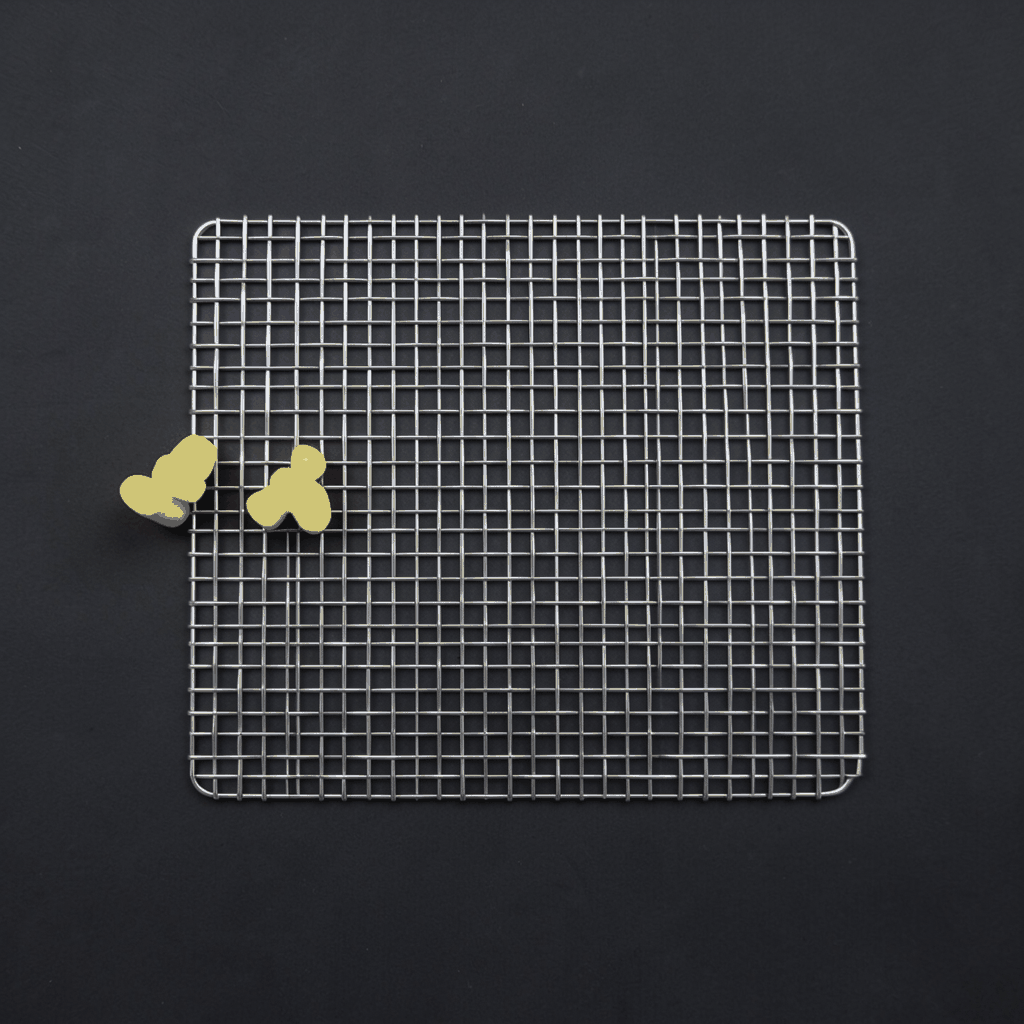
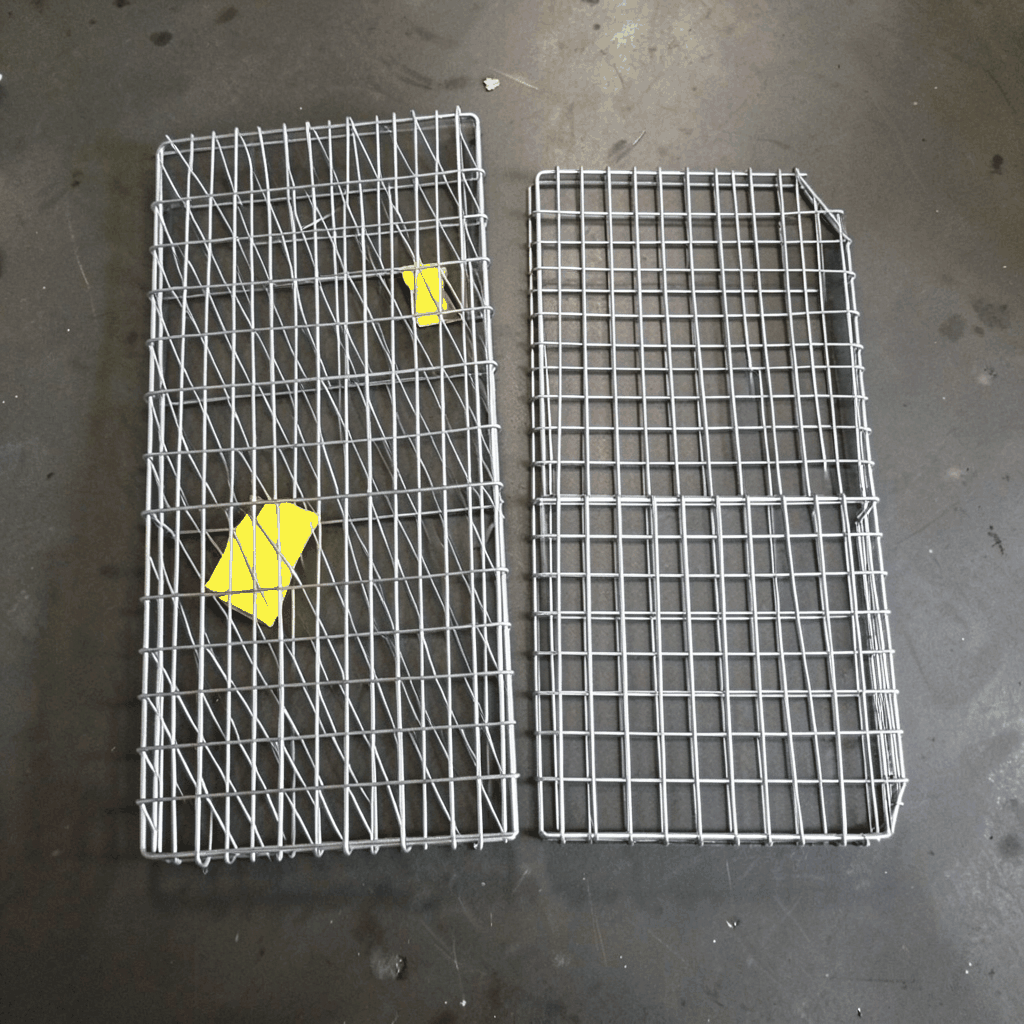
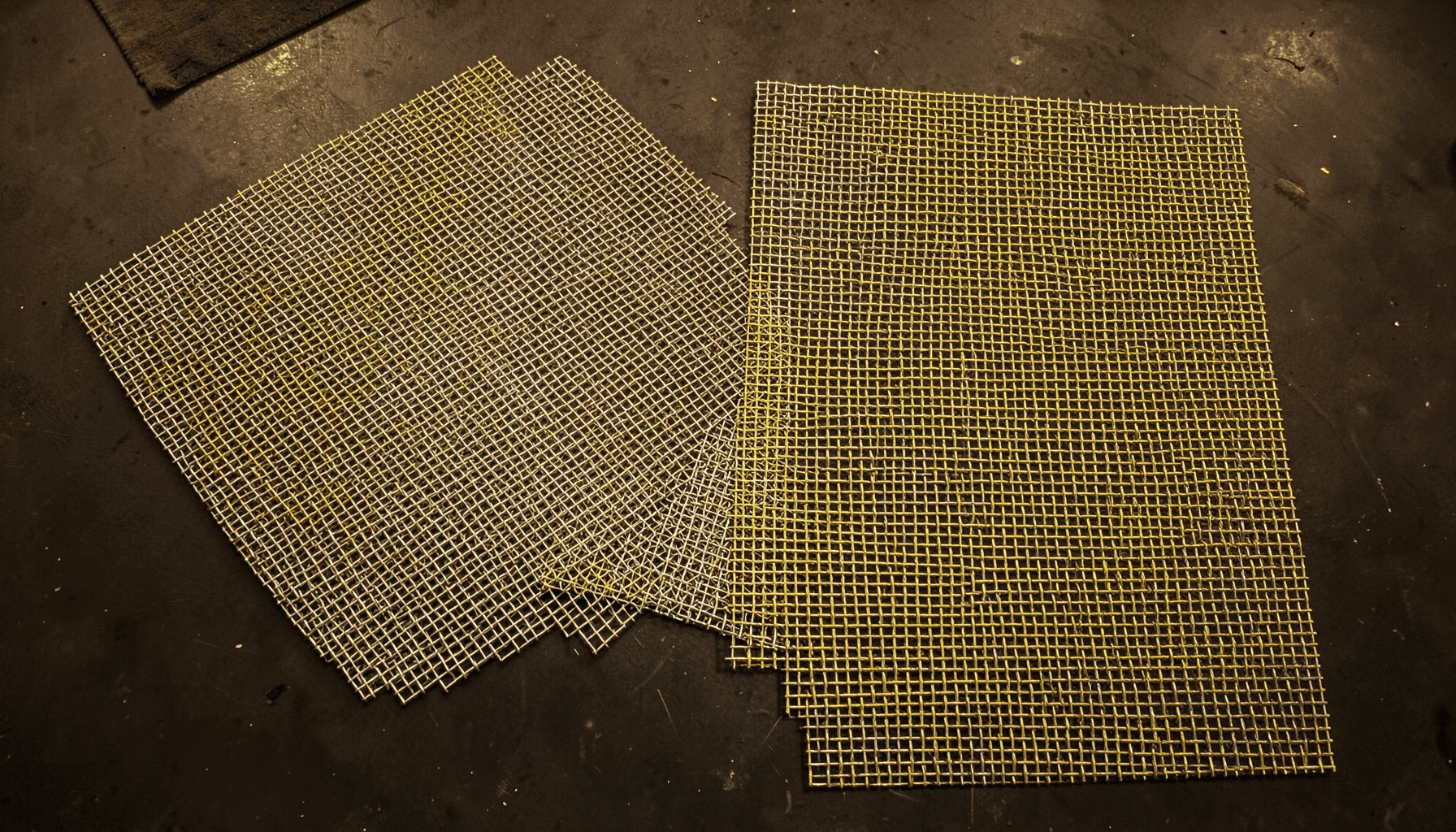
Woven wire mesh is commonly selected when a regular opening, cleanable surface, and predictable flow path are important. Plain weave handles many general duties, while twill or Dutch weave can provide finer filtration with stronger support characteristics. Welded mesh may suit coarse screening, structural reinforcement, baskets, and strainers where rigidity is more important than very fine retention.
Opening size should be considered together with wire diameter and open-area percentage. A very fine mesh can create high pressure loss, blind rapidly, or require a stronger support layer. Estimate clean and dirty pressure drop, maximum flow rate, viscosity, solids loading, and acceptable replacement or cleaning intervals. These values help prevent an apparently precise mesh specification from becoming impractical in operation.
Select the right construction and support
A chemical filter rarely consists of loose mesh alone. It may include a cylindrical cartridge, flat screen, basket, disc, panel, pleated pack, or multilayer element. State the shape, dimensions, flow direction, sealing method, support grid, and attachment points. The mesh must remain stable under differential pressure and should not deform into a larger effective opening.
Layered construction can combine a fine filtration layer with coarser protective or drainage layers. Dutch weave and sintered assemblies may offer finer retention than a single open weave, while perforated plate or coarse welded mesh can provide mechanical backing. The choice depends on the required particle size, flow rate, cleanability, and available installation space.
Avoid unsupported fine mesh in high-pressure service. Localized loading around clamps, joints, or corners can initiate distortion and fatigue. Specify a support screen, frame, or reinforced edge where needed. If the element will be backwashed, pulsed, brushed, or subjected to vibration, include those loads in the mechanical design rather than treating them as secondary operating details.
Control fabrication, joining, and surface condition
Corrosion resistance can be reduced by poor fabrication even when the alloy is correctly chosen. Carbon-steel tooling, embedded iron particles, rough scratches, and heat tint from welding can create localized corrosion sites on stainless steel. Ask how the mesh is cut, formed, welded, cleaned, and handled before delivery.
For welded filter assemblies, define the joining alloy and method. Welds should be compatible with the base metal and the chemical environment, with distortion controlled so the opening pattern remains consistent. Depending on the grade and application, pickling, passivation, electropolishing, or another surface treatment may be appropriate. The required finish should reflect cleanability and corrosion exposure rather than appearance alone.
Edges deserve specific attention. A cut mesh edge can be sharp, unstable, or more exposed to crevice attack if it is trapped inside a housing. Specify rolled edges, welded frames, protective rings, or formed collars where operators handle the filter or where the assembly must seal against a gasket. For removable elements, design the joint to avoid stagnant pockets that retain corrosive liquid.
Verify the specification with practical testing
A complete purchase specification should state alloy grade, wire diameter, mesh count or opening, weave type, dimensions, tolerance, support construction, finish, and inspection requirements. Include the chemical service, operating temperature, pressure, flow, and cleaning procedure so the manufacturer can assess the design as a complete assembly.
Request material certificates and, where necessary, positive material identification. Dimensional checks should cover opening size, wire diameter, flatness, element diameter, seam position, and frame alignment. For critical filtration, define bubble-point, integrity, burst, or pressure testing according to the filter design and applicable industry practice.
Useful verification steps include:
- Compare the proposed alloy with concentration, temperature, pH, chloride level, and oxidizer data from the process.
- Confirm nominal or absolute particle retention using an agreed test method and particle type.
- Check clean pressure drop, maximum differential pressure, and the load capacity of the support structure.
- Inspect welds, edges, passivation, surface cleanliness, and areas that may form crevices.
- Run a representative immersion, circulation, or pilot filtration test when the chemistry is mixed, proprietary, or unusually severe.
Testing should reproduce the actual failure risks as closely as possible. A short coupon exposure may reveal general corrosion, but it may not show erosion at high velocity, blockage from solids, thermal cycling, or stress corrosion cracking. For valuable production equipment, testing the complete filter geometry can expose sealing and support problems that material data alone cannot predict.
Plan maintenance and replacement from the start
Even corrosion-resistant alloy mesh requires a maintenance strategy. Establish inspection intervals based on pressure drop, flow reduction, visual condition, mass loss, and particle breakthrough. A gradual increase in differential pressure may indicate fouling, while a sudden change can signal tearing, deformation, bypass, or a damaged seal.
Cleaning instructions should identify compatible solvents, acids, alkalis, temperatures, agitation, and maximum mechanical force. Aggressive cleaning can shorten service life by removing protective surface films or bending fine wires. If chemical cleaning is required, verify that the cleaning solution is compatible with both the filter alloy and the housing, gasket, and support materials.
Keep a record of alloy certificates, mesh specifications, batch numbers, service hours, cleaning cycles, and failure observations. This information helps determine whether a problem originates from corrosion, incorrect sizing, process changes, or poor cleaning practice. It also makes replacement procurement faster and reduces the risk of substituting a visually similar but chemically unsuitable mesh.
For corrosive chemical filtration, a reliable specification connects chemistry, filtration duty, mechanical design, fabrication quality, and verification. Shuo Ke Wire Mesh Product Technology Co., Ltd. can develop customized metal mesh filters and supporting components around those requirements, with material and construction choices suited to industrial service. Send the process conditions, target retention, dimensions, and operating constraints to begin a technically grounded filter design.