How To Specify Mesh For Custom Barbecue Grills And Smokers
A well-designed barbecue or smoker depends on more than the shape of its body and the power of its burner. The cooking mesh controls food support, heat transfer, smoke circulation, cleaning, and long-term hygiene. Choosing the wrong opening size or wire material can lead to sagging grates, sticking food, difficult cleaning, or corrosion after only a short service life.
Custom mesh allows manufacturers, hospitality businesses, and serious home cooks to match the cooking surface to a particular fuel, food style, temperature range, and enclosure. Stainless steel woven wire, perforated sheet, expanded metal, and rigid welded mesh each have useful applications. The specification should account for Australian weather, cleaning habits, local regulations, and the expected workload rather than focusing on appearance alone.
Choose A Metal For Heat, Food Contact, And Corrosion
Stainless steel is usually the most versatile choice for barbecue grates, smoker racks, grease screens, and removable cooking baskets. Grade 304 stainless steel provides a strong balance of corrosion resistance, availability, formability, and cost for many residential and commercial applications. It is suitable for outdoor cooking equipment when the surface is correctly finished and maintained.
Grade 316 stainless steel contains molybdenum, which improves resistance to chloride exposure. This makes it a useful option for coastal locations such as Sydney, Brisbane, Perth, and the Gold Coast, where salt-laden air can accelerate corrosion. It can also be considered for mobile catering equipment that is frequently washed or transported near marine environments. The higher material cost should be weighed against the replacement and maintenance cost of lower-grade mesh.
Food-contact suitability involves more than choosing a stainless designation. The wire or sheet should be free from harmful coatings, oils, residues, and sharp burrs. Galvanised mesh is generally unsuitable for direct cooking contact because its zinc coating can be affected by high heat. Painted, powder-coated, or PVC-coated mesh should be kept away from the cooking zone unless the coating supplier has specifically approved the temperature and application.
Match The Mesh Pattern To The Cooking Task
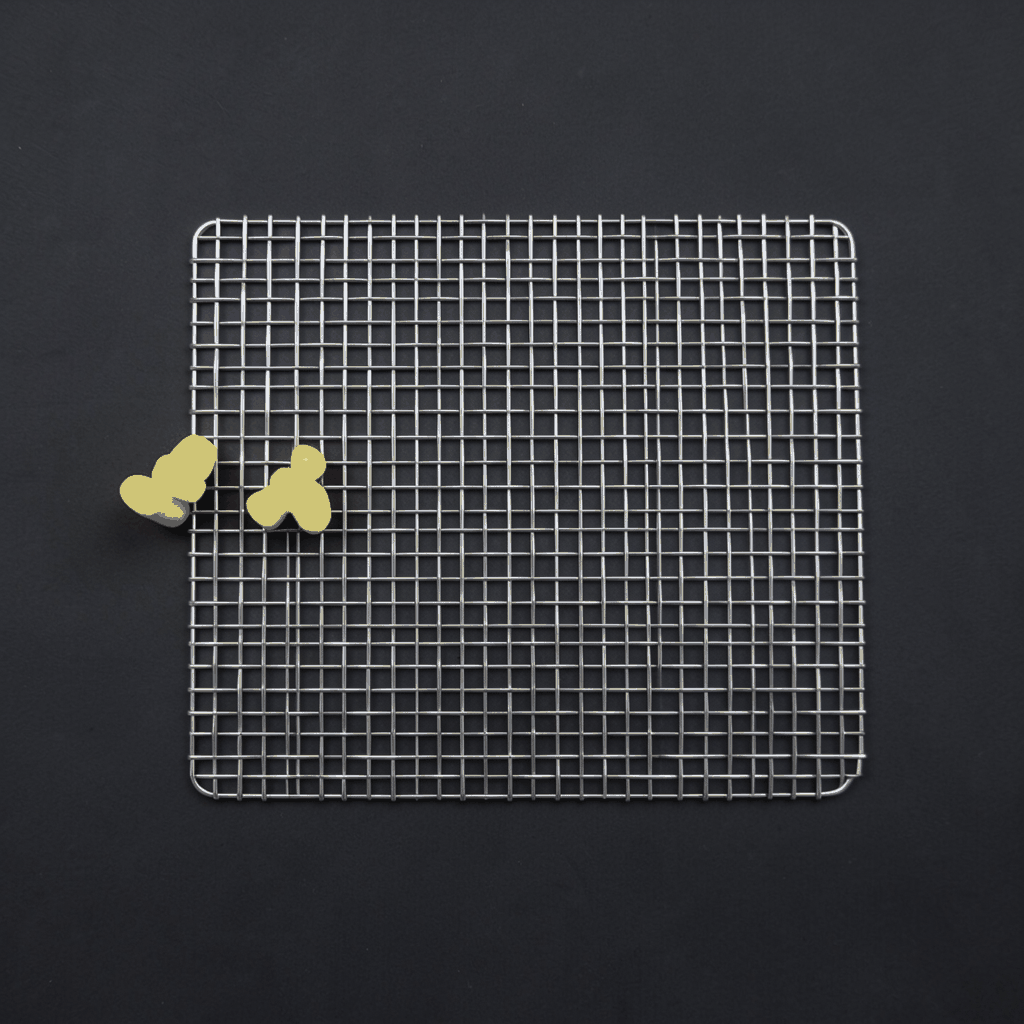
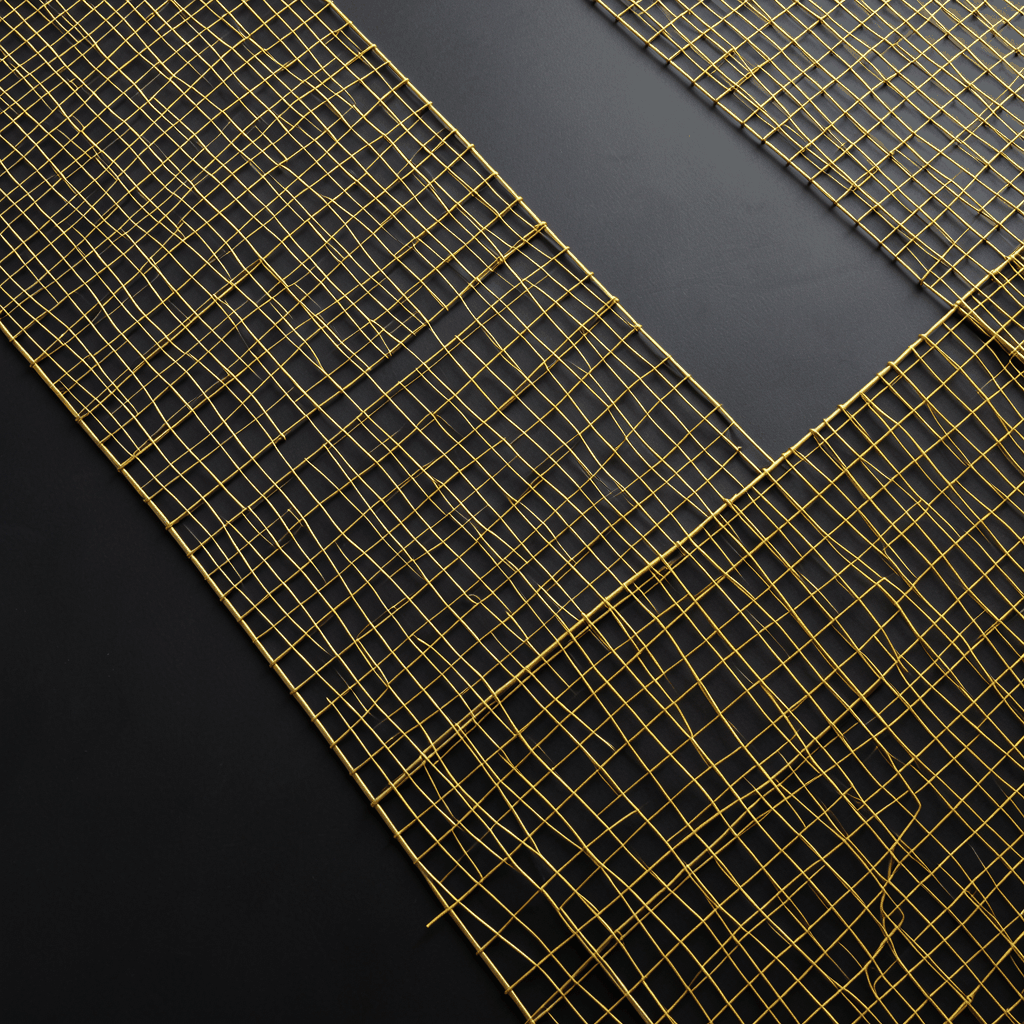
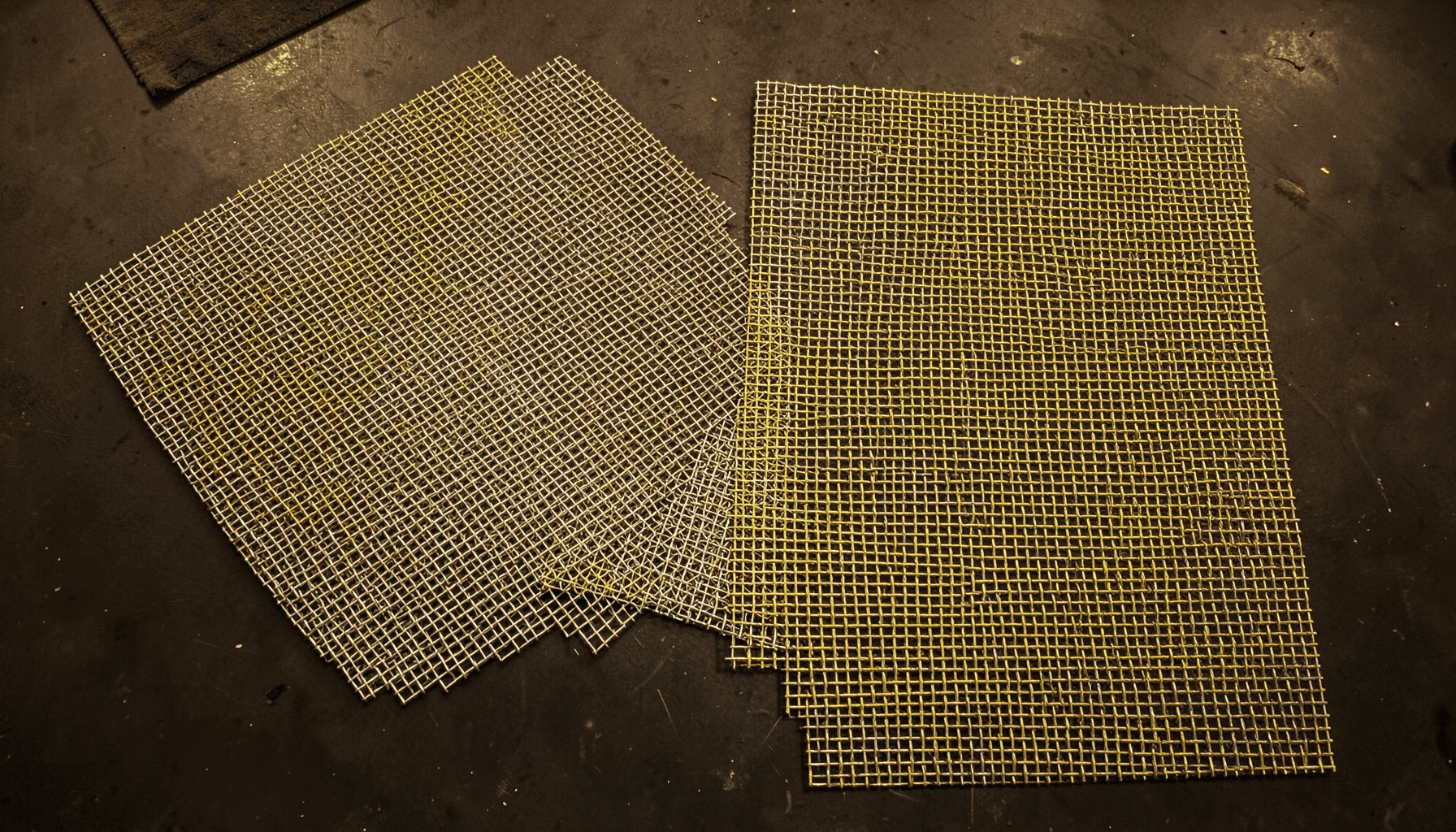
Woven wire mesh offers excellent airflow and smoke circulation. Square openings provide a familiar cooking surface for sausages, vegetables, seafood, and larger cuts of meat, while plain weave creates a relatively smooth profile that is easy to inspect and clean. Heavier woven wire can be used for smoker shelves, although the edges need careful finishing so they do not unravel or become sharp after cutting.
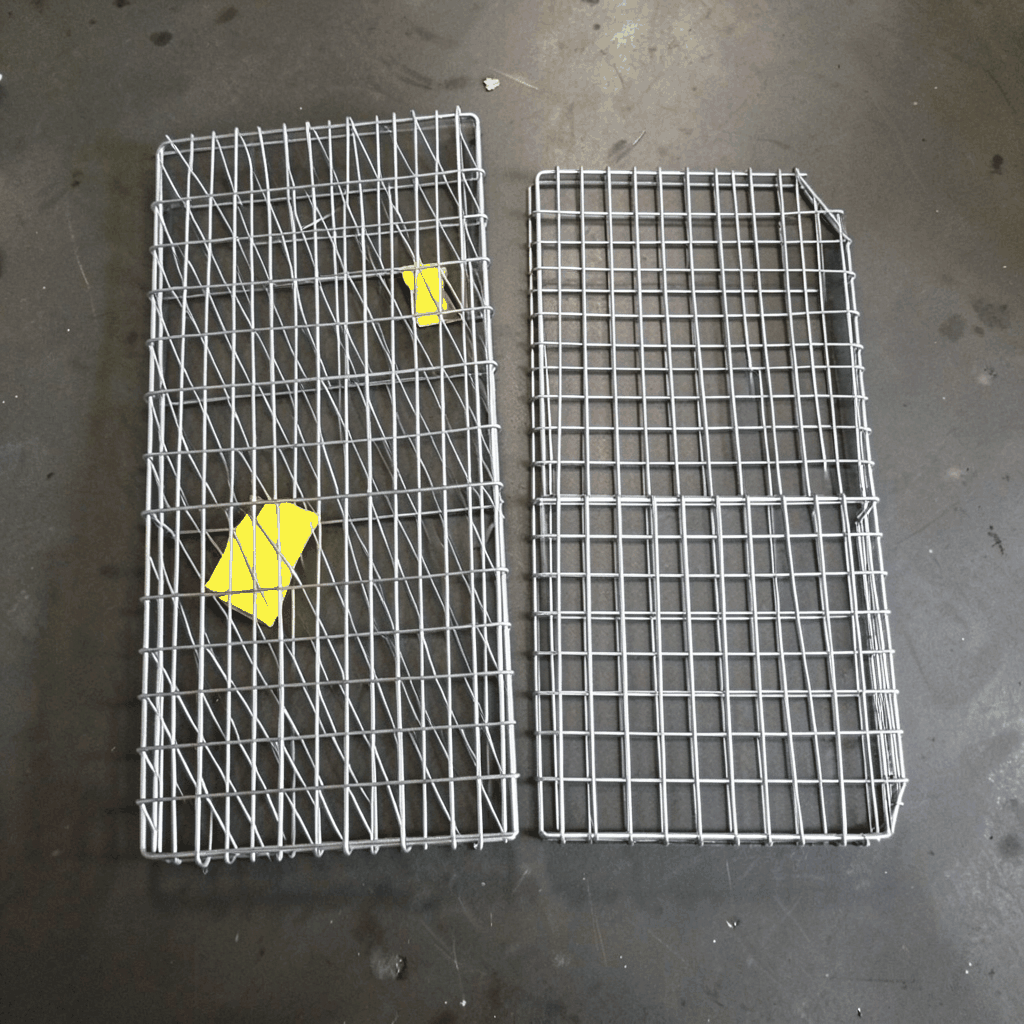
Welded wire mesh has fixed intersections and good dimensional stability. It is useful for charcoal baskets, fire boxes, removable racks, and cooking platforms that need to remain flat under repeated heating cycles. Welded joints can collect grease or ash if they are poorly finished, so the weld quality, wire intersection, and cleaning access should be considered during design.
Perforated sheet and expanded metal provide a more rigid alternative where a smooth, continuous support surface is needed. Perforated stainless sheet can suit delicate food, smaller vegetables, or a smoker tray, while expanded metal provides strong ventilation with fewer separate wires. These patterns may retain more grease than open woven mesh, so drainage and access for a scraper or brush should be built into the assembly.
Specify Opening Size Around The Food
The clear opening is one of the most important dimensions in a custom grill mesh specification. Large apertures improve airflow and allow smoke to move freely, but small food items can fall through. Small apertures support seafood, sliced vegetables, prawns, and finely chopped ingredients, yet they can restrict circulation and create a surface that is harder to clean.
For a general cooking grate, the opening should be small enough to support the intended food without requiring foil or secondary screens. A smoker shelf for brisket or large roasting cuts can normally use a more open pattern than a grill basket for mushrooms, prawns, or diced vegetables. A supplier should receive the smallest item expected to be cooked, along with its likely size after preparation.
The relationship between opening size and wire diameter also affects usable cooking area. A nominal 10 mm mesh does not provide 10 mm of clear space if the wire is thick. Ask for the clear aperture, wire diameter, overall panel size, and tolerance rather than relying on a mesh count alone. Metric dimensions are the practical standard for Australian fabrication and make communication with local workshops easier.
Account For Heat, Load, And Thermal Movement
A cooking grate must support wet food, cast-iron cookware, trays, and the force applied when turning or scraping. A thin mesh may appear adequate when new but can sag after repeated thermal cycles. Long spans are especially vulnerable, so intermediate supports, folded edges, perimeter frames, or cross-bracing may be needed.
Thermal expansion is another key consideration. Stainless steel and other metals expand when heated and contract as they cool. If a grate is fixed tightly inside a frame with no allowance for movement, it may buckle, distort, or place stress on welds. A small clearance around removable panels can help the mesh remain serviceable while still preventing food from slipping into the fire.
The operating environment should be described clearly. A charcoal kettle, low-temperature offset smoker, wood-fired pit, gas grill, and high-output commercial barbecue can expose the mesh to different heat patterns. Local hot spots near burners or fire baskets may require thicker wire, a stronger frame, or a sacrificial heat shield. The manufacturer can then select a construction that reflects actual temperatures instead of using a generic stock panel.
Design For Cleaning And Safe Handling
Grease, smoke residue, salt, and ash create a demanding cleaning environment. A mesh grate should have accessible corners, smooth welds, and a finish that does not trap residue unnecessarily. Rounded or folded edges are safer than raw cut wire, particularly on removable racks that are handled while wearing heat-resistant gloves.
A grate intended for frequent commercial use should be designed for rapid removal and inspection. Handles, lifting tabs, or a framed perimeter can make cleaning more practical, but these features must remain outside the hottest food-contact area where possible. Drainage paths should prevent liquid cleaners or grease from collecting inside hollow sections.
Avoid specifying a highly polished surface solely for visual appeal. A consistent mill finish or a suitable brushed finish is often easier to maintain and less likely to show every mark. After fabrication, the mesh may require deburring, passivation, or another suitable finishing process. Cleaning chemicals should be compatible with the selected alloy; aggressive products containing chlorides can stain or pit stainless steel.
Australian operators should also consider the difference between domestic and commercial cleaning routines. A weekend backyard barbecue may be brushed and washed occasionally, while a café, food truck, or catering business may require daily cleaning and documented hygiene procedures. Food businesses must meet applicable state or territory requirements and should verify their equipment and cleaning process with the relevant local authority.
Build The Specification Around The Complete Assembly
Mesh rarely works alone. The surrounding frame, hinges, supports, handles, trays, and fasteners determine whether the finished component remains flat and safe. Stainless fasteners are often appropriate for stainless mesh, while dissimilar metals may require isolation to reduce galvanic corrosion, especially in damp coastal areas.
Give the fabricator a drawing showing the finished length and width, fold locations, support points, required clearances, and any cut-outs. State whether the dimensions refer to the outside of the frame or the usable cooking area. Include the fuel type, estimated operating temperature, maximum load, cleaning method, and whether the panel must be removable without tools.
Gas-fired equipment needs particular care because airflow and burner performance can be affected by changes to the grate, diffuser, or heat shield. Gas appliances and installations in Australia may be subject to applicable AS/NZS standards, state or territory rules, and certification requirements. A custom mesh insert should not obstruct burners, alter ventilation, or compromise a certified appliance without review by a suitably qualified professional.
Bushfire conditions also influence outdoor cooking decisions in parts of Australia. Fire restrictions, total fire bans, council rules, and site-specific requirements can affect when and where solid-fuel barbecues or smokers may be operated. Mesh design cannot make an appliance compliant by itself, so the complete equipment and intended location should be checked before production or installation.
Practical Details To Include In Your Order
A clear purchase specification reduces revisions and helps a mesh manufacturer quote accurately. It should identify the material, pattern, wire or sheet thickness, opening size, panel dimensions, edge treatment, finish, quantity, and intended use. Photos or a simple sketch are useful when replacing an existing grate or fitting a custom smoker chamber.
For repeated orders, request a sample panel or first-off component before approving the full production run. Check that food sits securely, the panel fits when cold and hot, the edges are comfortable to handle, and the support structure does not create difficult-to-clean pockets. A trial also reveals whether the selected aperture produces the desired smoke flow and browning.
Specification Checklist For A Custom Cooking Mesh
- Select 304 stainless steel for many general-purpose applications, or assess 316 stainless steel for coastal and high-chloride environments.
- State the clear opening and wire diameter separately instead of specifying mesh count alone.
- Describe the smallest food item, heaviest expected load, fuel type, and approximate operating temperature.
- Choose woven, welded, perforated, or expanded mesh according to airflow, rigidity, food support, and cleaning requirements.
- Require deburred edges, smooth welds, suitable finishing, and no unapproved coating in the cooking zone.
- Allow for thermal expansion and provide frames, folds, or intermediate supports for large panels.
- Confirm gas, fire-safety, hygiene, and local council requirements before modifying certified or outdoor cooking equipment.
A precise brief enables Shuo Ke Wire Mesh Product Technology Co., Ltd. to develop a practical custom solution for barbecue grates, smoker shelves, fire baskets, grease screens, and related metal components. Share the required dimensions, material preference, cooking application, loading conditions, and finish requirements so the design can be assessed for manufacture, durability, and everyday use in Australia.