Industrial Mesh Filtration for Pulp and Paper Mills
Pulp and paper production depends on dependable separation at every stage, from preparing raw fibre to recovering process water and producing a clean, consistent sheet. Industrial wire mesh supports this work by controlling particle size, retaining fibres, allowing liquids to pass through, and protecting pumps and downstream equipment from contamination. When the mesh is correctly specified, it can improve filtration performance without creating unnecessary pressure loss or frequent maintenance stoppages.
Australian mills operate across varied conditions, from humid coastal environments in Brisbane and Sydney to drier inland locations and colder southern sites such as Hobart and Gippsland. Local water quality, chemical use, energy costs, access to replacement parts, and strict workplace expectations all influence the choice of filter cloth, perforated support, or woven metal screen. A practical filtration system must therefore combine accurate engineering with materials suited to the operating environment.
Choosing mesh for the filtration duty
The correct mesh starts with the process objective rather than the appearance of the screen. A pulp mill may need to remove bark, shives, sand, plastic fragments, and oversized fibres, while a paper mill may be focused on white-water recovery, coating preparation, stock cleaning, or the protection of spray nozzles. Each duty calls for a different balance of aperture size, open area, strength, and resistance to plugging.
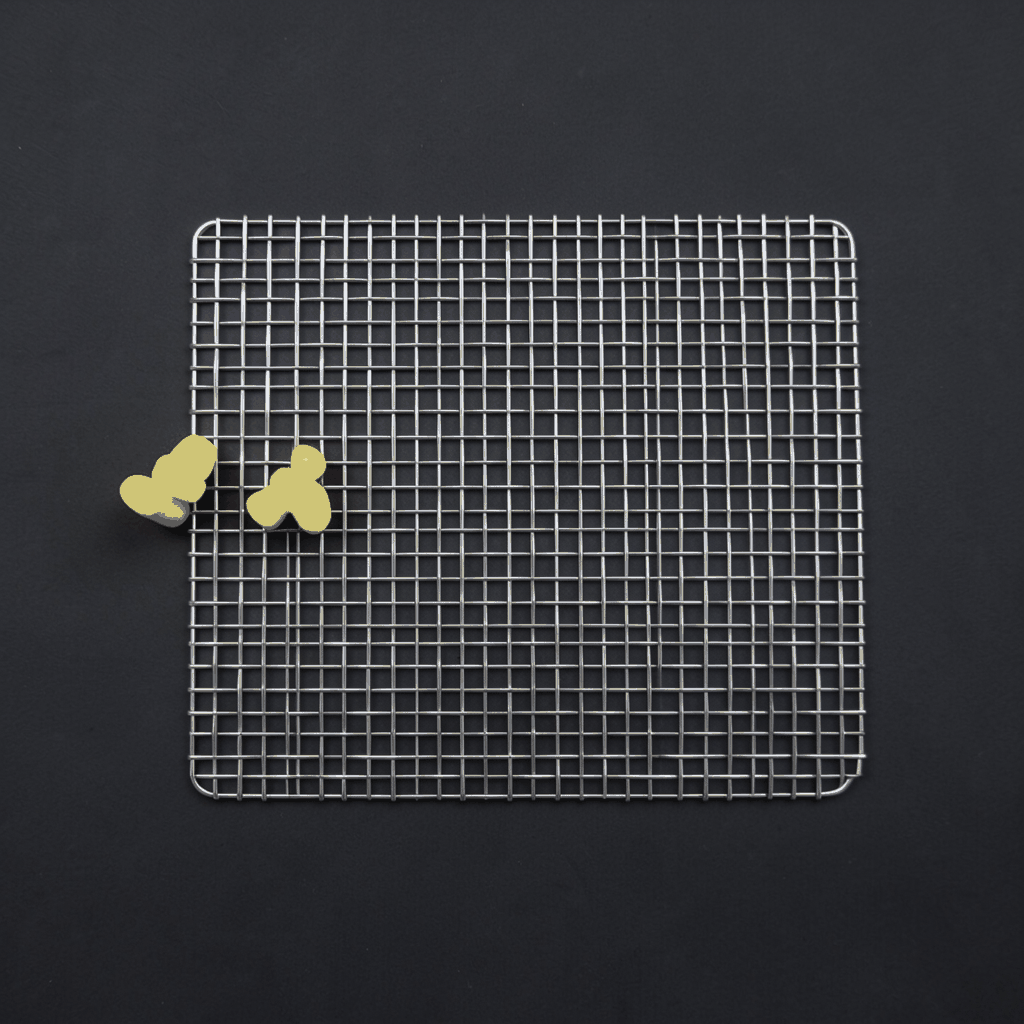
Woven wire mesh is commonly selected when a precise opening is required. Plain weave is useful for many general filtration duties, while twill and Dutch weave can provide greater mechanical strength or finer retention. Square openings offer predictable separation, whereas specialised filter mesh may use a different construction to improve filtration of fine particles under pressure. The choice should account for both the nominal aperture and the actual particle size distribution in the process stream.
Mesh thickness affects service life and flow behaviour. A finer wire may provide a smaller opening but can be more vulnerable to damage during cleaning or handling. Heavier wire improves durability and load-bearing capacity, though it may reduce open area. Engineers should consider flow rate, solids concentration, slurry viscosity, operating temperature, differential pressure, and the possibility of impact from foreign objects before settling on a specification.
Where metal mesh supports mill processes
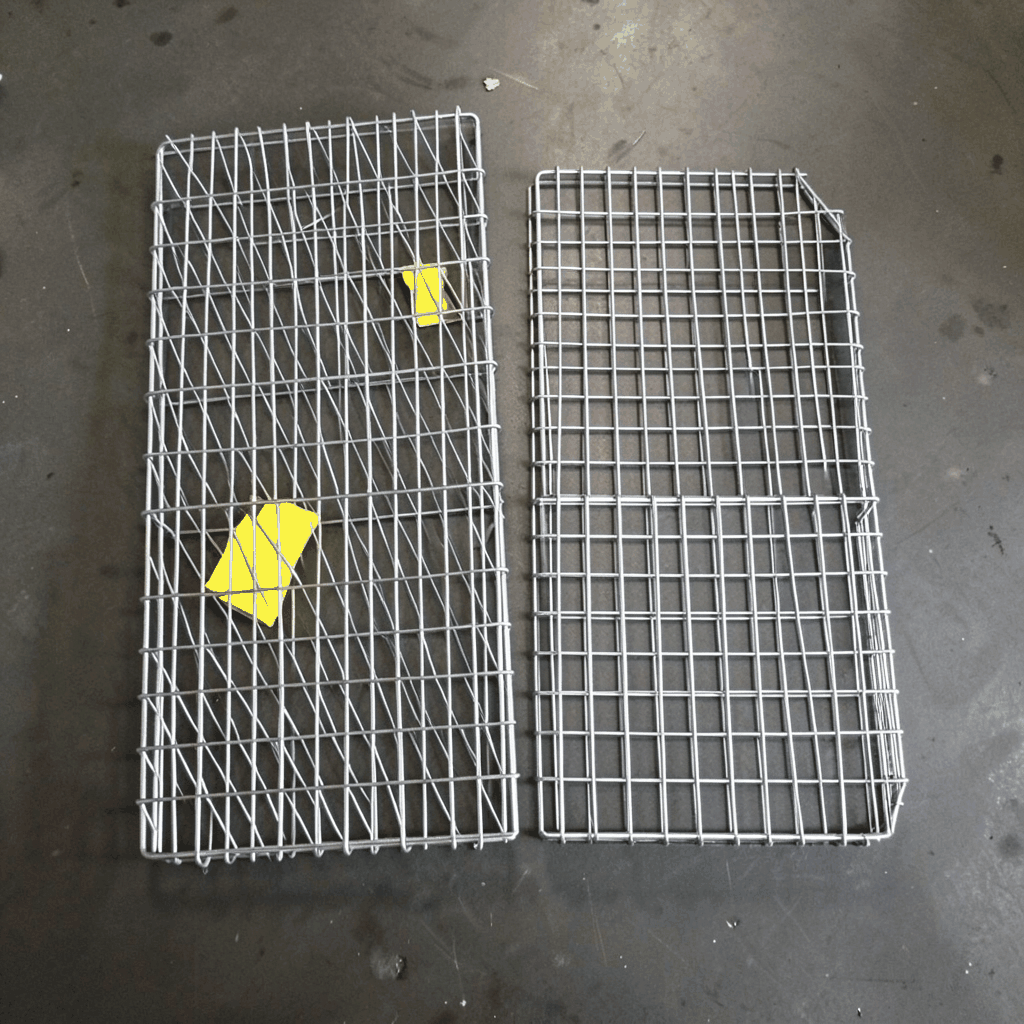
In stock preparation, screens help separate usable fibre from contaminants and oversized material. Coarse industrial screens may be installed around pulpers, reject systems, and fibre recovery equipment, where they must tolerate abrasion and intermittent impact. Strong welded or woven mesh can be formed into baskets, screens, and panels that match the geometry of existing machinery.
Fine filtration is important in white-water systems and approach-flow circuits. A suitable filter screen can capture unwanted solids before water is reused or sent to further treatment. This helps reduce blockages in valves, pumps, spray bars, and instrumentation. In some installations, mesh elements are used in pressure screens, disc filters, rotary filters, and strainer assemblies, with the final design determined by the mill’s flow pattern and cleaning method.
Metal mesh also has a role in wastewater treatment and fibre recovery. Screens can retain suspended solids while allowing water to continue through a treatment stage, helping mills recover valuable fibre and reduce the load on clarification equipment. In paper coating and chemical preparation areas, finer filtration can protect application equipment from agglomerates and foreign particles that might cause streaks or surface defects in the finished product.
A screen should be treated as part of the whole filtration assembly. Support rings, frames, clamps, seals, drainage layers, and access arrangements can affect performance as much as the woven mesh itself. A filter element that fits poorly may bypass solids, vibrate in service, or become damaged at the edges even when its mesh specification is technically correct.
Materials that withstand chemical and thermal stress
Stainless steel is a common choice for pulp and paper filtration because it combines strength, corrosion resistance, and cleanability. Grades such as 304 and 316 may be considered depending on the process chemistry, chloride exposure, temperature, and cleaning agents. In coastal regions such as Newcastle or Geelong, ambient salt exposure can add to the corrosion burden, especially where equipment is stored outdoors or washed down regularly.
316 stainless steel is often preferred for more demanding environments involving chlorides or aggressive process fluids, although the correct grade depends on the complete chemical profile. The presence of bleaching agents, acids, alkalis, and residual salts should be reviewed before selecting the material. A mesh that performs well in a neutral water stream may have a much shorter life in a bleaching or chemical recovery area.
Other metals can be suitable for particular requirements. Aluminum offers low weight and may be useful for access panels, ventilation screens, or non-aggressive applications, but it is generally less suitable for harsh chemical filtration. Copper and copper alloys can provide special conductivity or decorative properties, though compatibility with the process fluid must be carefully checked. Carbon steel or galvanised mesh may be economical for dry handling, guarding, or preliminary separation where corrosion exposure is limited.
Surface finish also matters. A smooth, cleanable surface can reduce fibre accumulation and make inspection easier. Welded joints should be even and securely finished, while cut edges should be treated to prevent sharp projections and premature corrosion. For food-contact or hygiene-sensitive paper applications, the mesh finish and fabrication method should align with the plant’s cleaning and contamination-control procedures.
Designing for Australian mill conditions
Filtration equipment in Australia must often cope with water restrictions, variable supply quality, and strong pressure to recover process water. In regional facilities, replacement components may need to be transported over long distances, so a mesh element with a slightly higher initial cost can be worthwhile if it provides longer service intervals and simpler stock management. Standardised dimensions across several filter housings may also reduce the number of spare parts held on site.
Climate affects storage and operation. High humidity around coastal mills can accelerate corrosion on unprotected carbon steel, while heat in parts of New South Wales, Queensland, and Western Australia can increase the temperature of process fluids and outdoor equipment. Dust can enter open handling areas, and sudden weather changes may affect materials stored near loading zones. Stainless steel, appropriate packaging, and clear storage procedures help preserve filter components before installation.
Australian maintenance teams also place strong value on safe access and predictable shutdown work. A filter basket or mesh panel should be designed for practical removal, lifting, washing, and inspection. Where hot water, steam, or chemical cleaning is used, operators need enough clearance and suitable handling equipment to avoid manual strain. Clear identification of mesh grade, aperture, dimensions, and installation orientation can prevent errors during a planned outage.
Compliance expectations should be included at the design stage. Mill operators may need to document material traceability, welding quality, pressure performance, guarding, and safe maintenance procedures. Requirements can vary between sites and states, so the filter assembly should be reviewed against the plant’s engineering standards, risk assessments, and procurement rules rather than relying on a generic catalogue description.
Cleaning, inspection, and service life
The best screen can fail early if the cleaning method is poorly matched to its construction. Backwashing may remove soft fibre deposits, while spray bars, vibration, air pulses, or rotating brushes can be used for other filter designs. Chemical cleaning can dissolve scale or biological deposits, but the cleaning solution must be compatible with the metal, welds, seals, and support frame.
Operators should monitor differential pressure and flow rather than waiting for a visible blockage. A gradual rise in pressure may indicate fibre build-up, scale, deformation, or a change in the incoming slurry. Sudden pressure changes can point to a damaged screen, an incorrectly seated seal, or a process upset. Recording these trends gives maintenance teams an early warning and helps determine the right cleaning interval.
Inspection should cover the full element, including corners, welded seams, fasteners, gaskets, and support surfaces. Small tears or stretched openings can allow contaminants into equipment and may become larger during the next cleaning cycle. For fine mesh, magnified visual checks or simple aperture verification can help confirm that the screen remains within operating tolerance.
Service life depends on abrasion, chemical exposure, pressure cycling, impact, cleaning frequency, and handling practices. A robust mesh specification may reduce replacement frequency, but overdesign can restrict flow or increase capital cost. The most economical option is usually the one that delivers stable separation with manageable cleaning requirements and a documented replacement strategy.
Working with a specialist mesh manufacturer
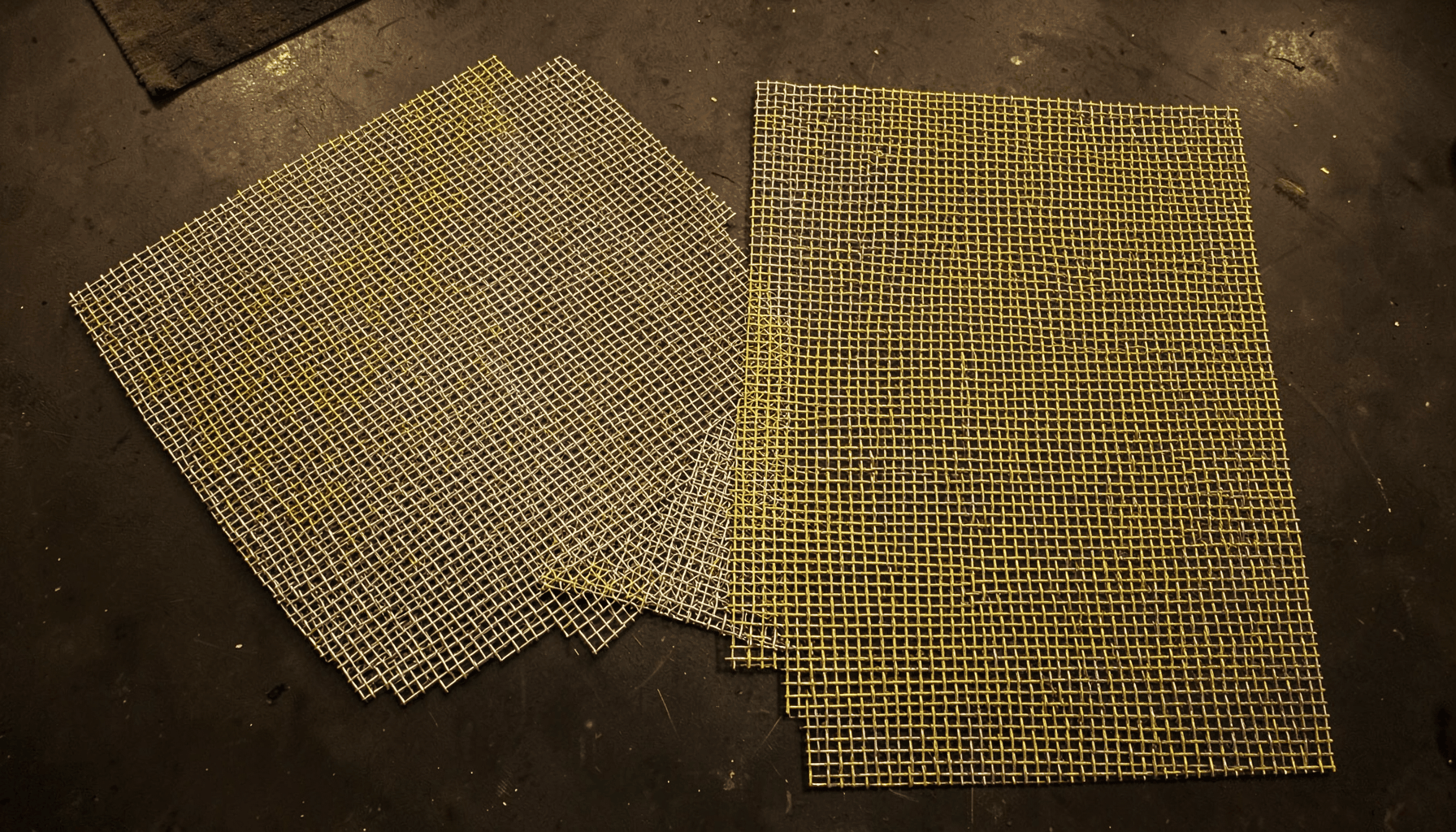
Custom fabrication is valuable when a mill uses unusual filter housings, legacy equipment, or several filtration stages with different dimensions. A specialist manufacturer can produce mesh sheets, cylinders, baskets, screens, and framed assemblies to match drawings or samples. Details such as rolled edges, reinforced rims, mounting holes, welded frames, and drainage supports can be incorporated before the component reaches the site.
A useful technical review should include the process fluid, solids type, target retention, operating temperature, pressure, cleaning method, and available installation space. Drawings should identify outside diameter, inside diameter, length, flange details, tolerances, and the direction of flow. If an existing component is being replaced, photographs and measurements can support the design, but critical dimensions should be verified before production.
For mills comparing imported and locally available options, communication and consistency are important. A manufacturer experienced in architectural and industrial products may be able to supply custom mesh solutions using stainless steel, aluminum, iron, copper, and other alloys. The procurement team should request material information, mesh specifications, fabrication details, inspection records, and packaging requirements to support receiving and quality checks.
Good packaging is especially important for long-distance freight to Australian sites. Fine filter elements should be protected from bending, impact, moisture, and contamination during transport. Each item should be labelled with its part number, material, mesh opening, and installation reference. This makes it easier for a maintenance crew in a regional mill or a metropolitan plant in Melbourne to identify the correct component during a short shutdown window.
When filtration performance is stable, the benefits extend beyond the screen itself. Pumps experience fewer blockages, water recovery becomes more predictable, product quality is easier to control, and maintenance teams spend less time responding to avoidable failures. A considered metal mesh specification gives pulp and paper mills a dependable foundation for cleaner processing and longer equipment life.
Review current filter elements, operating records, and maintenance intervals before the next planned outage. Share the required dimensions, process conditions, material preferences, and filtration targets with a qualified mesh manufacturer to develop a durable screen, basket, or framed assembly suited to the mill’s Australian operating environment.