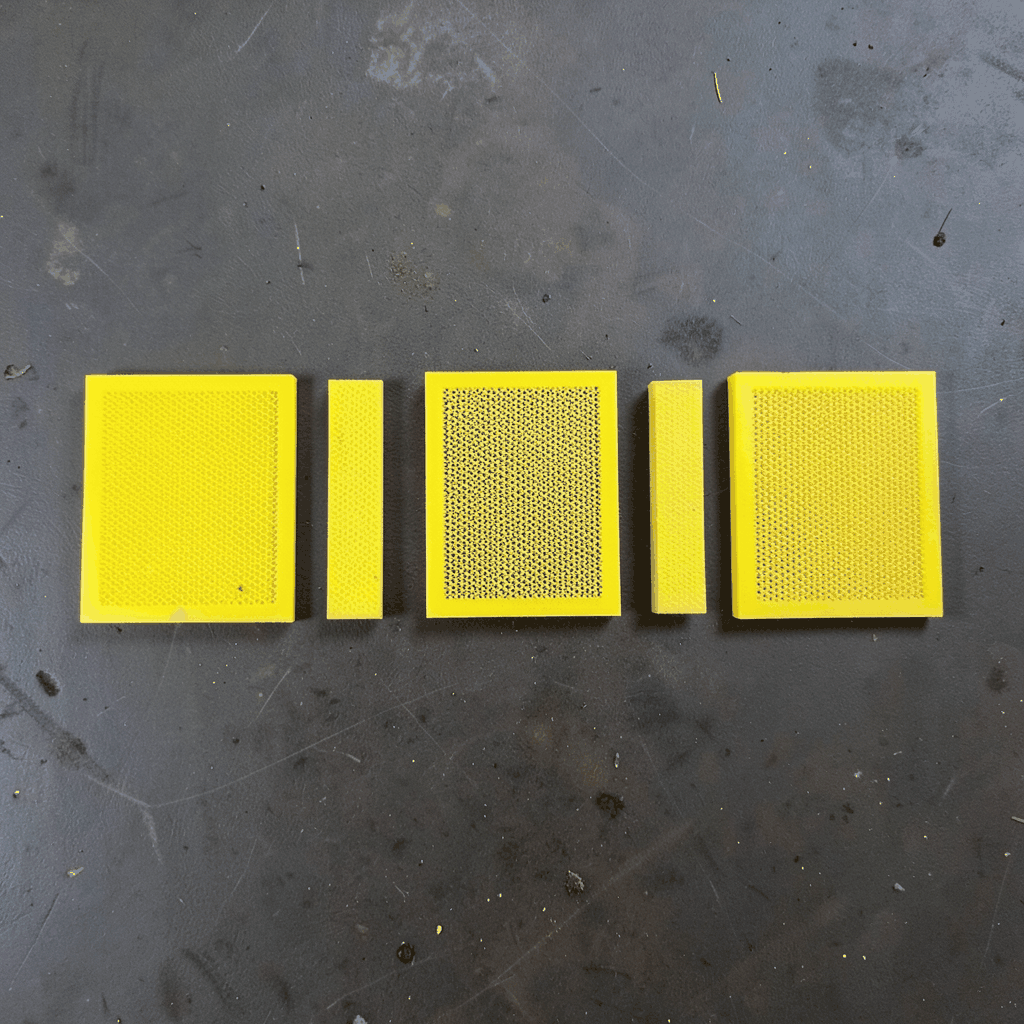
Integrating LED lighting behind laser-cut metal mesh screens
Laser-cut metal screens bring structure, texture, and visual identity to architectural spaces. When LED lighting is positioned behind or within these panels, the screen becomes more than a separator or decorative surface. It can act as a luminous feature wall, branded backdrop, wayfinding element, privacy partition, or exterior façade detail.
The quality of the result depends on coordination between the perforated pattern, metal finish, light source, mounting system, and control equipment. A screen that looks attractive in daylight may produce harsh hot spots, weak shadows, or unwanted glare after dark if these elements are selected independently.
Shuo Ke Wire Mesh Product Technology Co., Ltd. manufactures and processes customized metal mesh products for architectural and industrial applications. Its experience with stainless steel, aluminum, copper, iron, and other alloys supports projects that require both decorative precision and practical engineering. With the right specification, illuminated laser-cut panels can provide a durable and visually controlled solution for interior and exterior use.
Define the visual effect before selecting components
The first decision is the intended lighting effect. A concealed light source can create a soft halo around the entire panel, emphasize the cut pattern with crisp silhouettes, or produce a glowing surface where the metal appears partially transparent. These effects require different combinations of panel depth, aperture ratio, diffuser material, and LED placement.
Backlighting works best when the light is distributed evenly across the rear of the screen. If LED strips are placed too close to the metal, individual diodes may appear as bright points through larger openings. If the light source is too far away, the assembly may require excessive depth and produce soft, indistinct shadows. A mock-up is valuable for confirming the relationship between pattern size, stand-off distance, and brightness.
The screen should also support the function of the space. A hotel lobby may benefit from warm, atmospheric illumination, while a retail display may require adjustable white light for accurate color rendering. An exterior entrance might need a stronger, weather-resistant system with programmed dimming. Establishing the atmosphere and performance target early prevents costly revisions during fabrication.
Match the mesh pattern to light transmission
Laser-cut metal screens are available in custom patterns ranging from geometric perforations to organic motifs, logos, and repeated architectural designs. The percentage of open area has a direct effect on light transmission. A dense pattern creates stronger contrast and privacy, but it can absorb or block more light. A pattern with larger openings gives a brighter projection and clearer visibility through the panel.
Stainless steel is a reliable choice for high-traffic interiors, humid locations, and many exterior applications. It offers strength, corrosion resistance, and a clean contemporary appearance. Aluminum reduces panel weight and is useful for large suspended screens, ceiling features, and façade elements. Copper can provide a distinctive warm finish that changes naturally over time, while coated iron may suit controlled interior environments where structural rigidity and finish flexibility are priorities.
Finish selection also changes the lighting response. A mirror-polished surface can create reflections and glare, whereas a brushed or satin finish diffuses reflected light more gently. Powder coating allows color matching and can give a bold contrast against the illuminated background. For outdoor projects, the coating system, alloy grade, drainage, and edge protection should be selected according to local exposure conditions.
Select an LED system for uniform illumination
LED strips are often used for narrow reveals, linear coves, and shallow panel assemblies. They are flexible, easy to cut to specified lengths, and available in different color temperatures and power ratings. Rigid LED bars or modular light panels can provide better uniformity when the screen is large, the depth is limited, or the pattern has substantial variation in open area.
The light source should be chosen according to the desired brightness rather than simply the highest wattage available. Excessive output can cause glare through the perforations, increase heat buildup, and raise energy consumption. Dimmable LED drivers allow the installation to operate at a comfortable level for normal use while retaining additional output for events, presentations, or nighttime visibility.
A diffuser or translucent backing is often useful behind a laser-cut screen. Opal acrylic, polycarbonate, fabric scrim, or a stretched membrane can soften diode images and distribute light across the panel. The backing should be spaced sufficiently from the metal to avoid visible pressure marks and should be compatible with the required fire, impact, and maintenance standards.
| Lighting approach | Suitable screen condition | Main visual result | Key specification concern |
|---|---|---|---|
| LED strip in a rear perimeter channel | Small or medium panels with a clear border | Edge glow and soft halo | Channel depth and corner continuity |
| Linear LED bars behind the panel | Medium to large screens with repeated patterns | More even full-surface illumination | Bar spacing and thermal management |
| LED panels with diffuser | Dense patterns or shallow assemblies | Broad, uniform luminous field | Diffuser transmission and service access |
| Programmable RGB or tunable white LEDs | Feature walls, hospitality, retail, and events | Changeable color and scene control | Control compatibility and color consistency |
| Exterior-rated modules | Entrances, façades, gates, and municipal features | Durable nighttime visibility | IP rating, drainage, UV resistance, and power protection |
Build the screen as a coordinated assembly
An illuminated metal screen should be designed as a complete system rather than a single decorative panel. The assembly may include the laser-cut face, rear frame, spacers, diffuser, LED channels, ventilation openings, wiring routes, access panels, and structural supports. Each component affects the final appearance and the ability to service the installation later.
A stand-off distance between the metal face and the light source is one of the most important dimensions. Greater depth generally improves blending and reduces visible hot spots, but it increases the size and weight of the assembly. A shallow screen may need a high-transmission diffuser or closely spaced LED bars to achieve acceptable uniformity. The ideal distance should be verified with a sample panel using the actual metal finish and cut pattern.
Mounting details should accommodate thermal movement, especially on large aluminum or stainless steel panels exposed to sunlight. Slotted brackets, floating fasteners, and segmented frames can prevent distortion and stress at connection points. For suspended partitions and decorative ceilings, the support structure must account for the combined weight of the metal, lighting equipment, drivers, wiring, and any access hardware.
Manage heat, wiring, and electrical safety
LED products generate less heat than traditional lamps, but they still require thermal management. Enclosed cavities can trap heat and shorten diode or driver life. Aluminum LED profiles help transfer heat away from the strip, while ventilation gaps can improve air circulation where the design allows them. Any vents should be positioned so they do not admit water, dust, or insects in exposed locations.
Drivers and control equipment should remain accessible without requiring the removal of the entire screen. A nearby service hatch, removable rear panel, or divided frame makes troubleshooting significantly easier. Wiring should be concealed where possible, with clear separation between low-voltage LED circuits and mains connections. Electrical installation must comply with applicable local codes and should be completed by qualified personnel.
For exterior applications, choose luminaires, connectors, junction boxes, and drivers with suitable ingress protection. Water may enter through panel joints, fastener penetrations, or the top of an enclosure even when the LED strip itself is rated for outdoor use. Sloped caps, drainage paths, sealed cable entries, and corrosion-resistant hardware provide better long-term protection than relying on a product rating alone.
Plan fabrication and installation around the pattern
Laser-cut artwork must be translated into a fabrication file that considers minimum web widths, internal corners, edge distances, panel size, and material behavior. Very narrow bridges between openings can weaken the sheet or create distortion during cutting and finishing. Large panels may need stiffening ribs, folded edges, or a concealed perimeter frame to remain flat.
Pattern registration matters when several panels form a continuous image. The cutting layout should identify panel numbers, orientation marks, seam positions, and fixing locations. For branded screens, logos and lettering should be reviewed at the actual viewing distance, since small openings may disappear under low light while large openings can reduce legibility.
Installation sequencing is equally important. The support frame and electrical rough-in should be checked before finished panels are delivered. LED testing should take place before final closure, with the room viewed from normal occupant positions and from nearby reflective surfaces. This process can reveal glare, uneven brightness, or unwanted shadows while adjustments are still practical.
Use illuminated mesh in varied architectural settings
In commercial interiors, backlit laser-cut panels can define reception desks, elevator surrounds, retail displays, restaurant dividers, and hotel feature walls. They provide visual separation without creating the heavy appearance of a solid wall. Decorative metal mesh curtains can be combined with rigid laser-cut panels to create layered depth, while a warm light source can emphasize copper, bronze-toned coatings, or brushed stainless steel.
Residential applications include stair screens, headboards, media walls, entry partitions, and covered outdoor areas. The pattern can be coordinated with cabinetry, railing details, or façade elements to create a consistent design language. Since household spaces are viewed at close range, low-glare lighting and concealed service access are especially important.
Municipal and industrial projects can use illuminated screens for entrance markers, pedestrian barriers, protective enclosures, and public art features. In these settings, impact resistance, vandal resistance, cleaning access, and replacement planning may be more important than complex color-changing effects. Durable metal fabrication paired with a simple dimmable white LED system often delivers dependable performance with lower maintenance demands.
Practical specification checks
A clear specification helps the manufacturer, lighting designer, electrical contractor, and installer coordinate their work. Before production, review the following items:
- Confirm the metal alloy, sheet thickness, surface finish, coating, color, and corrosion-resistance requirements.
- Define the pattern, open-area percentage, panel dimensions, seam locations, edge returns, and logo or artwork details.
- Specify LED color temperature, brightness target, dimming method, color rendering requirements, driver location, and control protocol.
- Establish the rear cavity depth, diffuser type, ventilation strategy, access panels, cable routes, and mounting structure.
- Request a representative sample or illuminated mock-up using the actual mesh material, finish, lighting equipment, and viewing distance.
These checks are particularly useful for customized architectural mesh solutions, where a small change in aperture size or panel depth can noticeably affect the light distribution. They also create a shared reference for approving the appearance before the full order moves into fabrication.
Create a durable illuminated feature
The strongest results come from treating light and metal as a single architectural composition. A carefully selected laser-cut pattern controls visibility and shadow, while the LED system establishes depth, atmosphere, and nighttime identity. Proper spacing, thermal design, electrical access, and weather protection ensure that the visual effect remains reliable after installation.
Shuo Ke Wire Mesh Product Technology Co., Ltd. can support projects requiring customized laser-cut screens, architectural partitions, wall cladding, elevator finishes, fences, gates, guardrails, and other metal mesh products. Share the intended application, dimensions, pattern concept, material preference, lighting effect, and installation conditions with the engineering team to develop a practical illuminated screen assembly for your project.