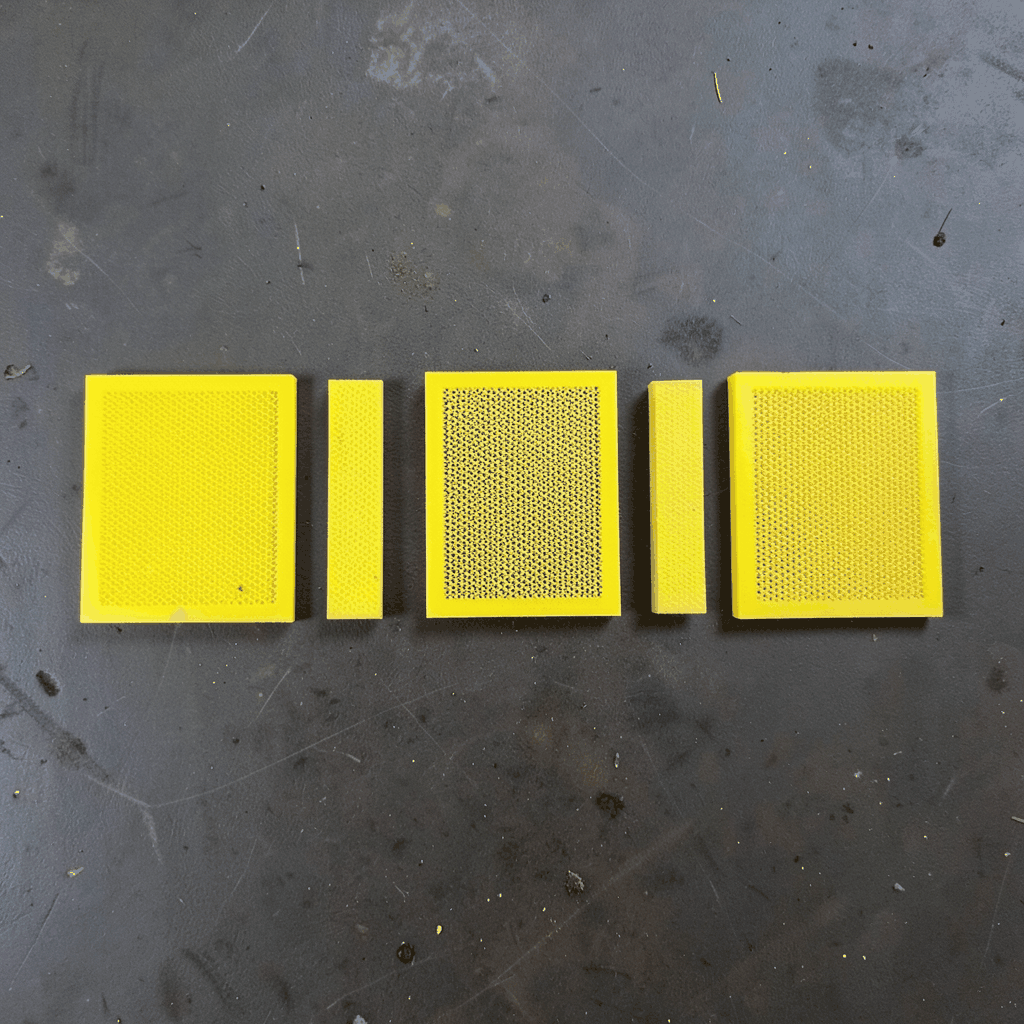
Matching Mesh Color to Building Trim With Custom Powder Coating
Architectural metal mesh has a strong visual presence. Used for elevator cladding, balcony screens, partitions, gates, façades, and decorative curtains, it can either blend quietly into a building or become a deliberate design feature. Color plays a central role in that decision, especially when the mesh is installed beside window frames, doors, roof edges, handrails, or other finished trim.
Custom powder coating gives architects, contractors, and property owners a practical way to coordinate metal mesh with the existing color palette. The process creates a durable finish across aluminum, iron, galvanized steel, and selected other metal substrates, while offering a wide range of standard and custom colors.
A successful match involves more than choosing a similar paint chip. Surface texture, gloss, lighting, surrounding materials, and the distance from which the mesh will be viewed can all change the appearance. Careful specification helps the finished product look intentional and remain attractive through years of use.
Why Trim Coordination Matters
Building trim creates visual boundaries. Window frames define openings, metal coping finishes rooflines, and door or railing systems establish repeated lines across a façade. When a mesh screen or partition relates to those elements in color, the building appears more unified. When it clashes without a clear design reason, even high-quality fabrication can look disconnected.
Matching does not always mean using the exact same color. A bronze mesh beside dark bronze window frames may provide a quiet tonal transition, while a charcoal screen against black trim can create a sharper, contemporary appearance. A lighter warm gray may help a large façade screen remain visually open instead of appearing heavy.
The intended level of contrast should be determined early in the design process. A close color match supports continuity and allows the architectural form to lead. A moderate contrast highlights the mesh pattern and can make perforations, woven strands, or laser-cut motifs easier to see. Strong contrast creates a focal point, but it requires consistent use elsewhere in the project.
How Powder Coating Supports Custom Design
Powder coating applies dry color particles to a prepared metal surface, followed by heat curing. The coating bonds into a continuous finish that resists ordinary abrasion, moisture, and weather exposure. Compared with many liquid paint applications, it provides a consistent factory finish with efficient coverage and a broad range of color options.
The finish can be specified in different gloss levels and textures. Matte and fine-textured surfaces reduce glare and often suit modern façades, privacy screens, and dark trim. Satin finishes provide a balanced appearance for partitions, gates, and elevator surrounds. Higher-gloss colors can emphasize decorative mesh, although they may reveal surface marks and reflect more light.
Color selection should account for the base metal and the final application. Aluminum mesh is lightweight and useful for screens, cladding, and indoor partitions. Steel and stainless steel offer strength for guardrails, fencing, baskets, and industrial components. Copper and special alloys may be selected for their natural character or distinctive appearance. Each material may require a different pretreatment and coating specification.
For exterior products, the powder system should be chosen according to exposure. A sheltered interior partition has different requirements from a coastal fence, rooftop screen, or municipal guardrail. UV resistance, corrosion protection, edge coverage, and substrate preparation are essential parts of a dependable color-matching plan.
Choosing A Color Relationship
The most reliable starting point is the building’s fixed trim. Record the color reference, finish, material, and location of the trim before selecting the mesh coating. A window frame viewed in a showroom may appear different from the same frame under direct sun, shade, or artificial lighting. Samples should therefore be assessed near the actual installation area whenever possible.
Architectural color systems such as RAL are useful for communication, repeat orders, and production control. A reference code gives the manufacturer a clear target, though it does not guarantee that two different materials will appear identical. Texture, gloss, application thickness, and light reflection can create visible variation even when the color code matches.
| Design Goal | Mesh Color Direction | Recommended Finish | Typical Applications |
|---|---|---|---|
| Quiet visual continuity | Match or closely coordinate with trim | Matte or satin | Elevator cladding, façade screens, office partitions |
| Soft contrast | Choose a lighter or darker tone in the same family | Fine texture or satin | Balcony panels, privacy screens, entrance features |
| Strong architectural accent | Use a deliberate contrasting color | Satin or controlled gloss | Laser-cut screens, gates, feature walls |
| Industrial appearance | Select charcoal, black, gray, or metallic tones | Textured matte | Fences, guardrails, equipment enclosures |
| Warm decorative effect | Use bronze, copper, champagne, or muted earth tones | Satin or fine texture | Retail interiors, hospitality spaces, decorative curtains |
| Low-maintenance exterior finish | Use a weather-resistant color system suited to exposure | Matte or textured | Municipal fencing, outdoor partitions, façade mesh |
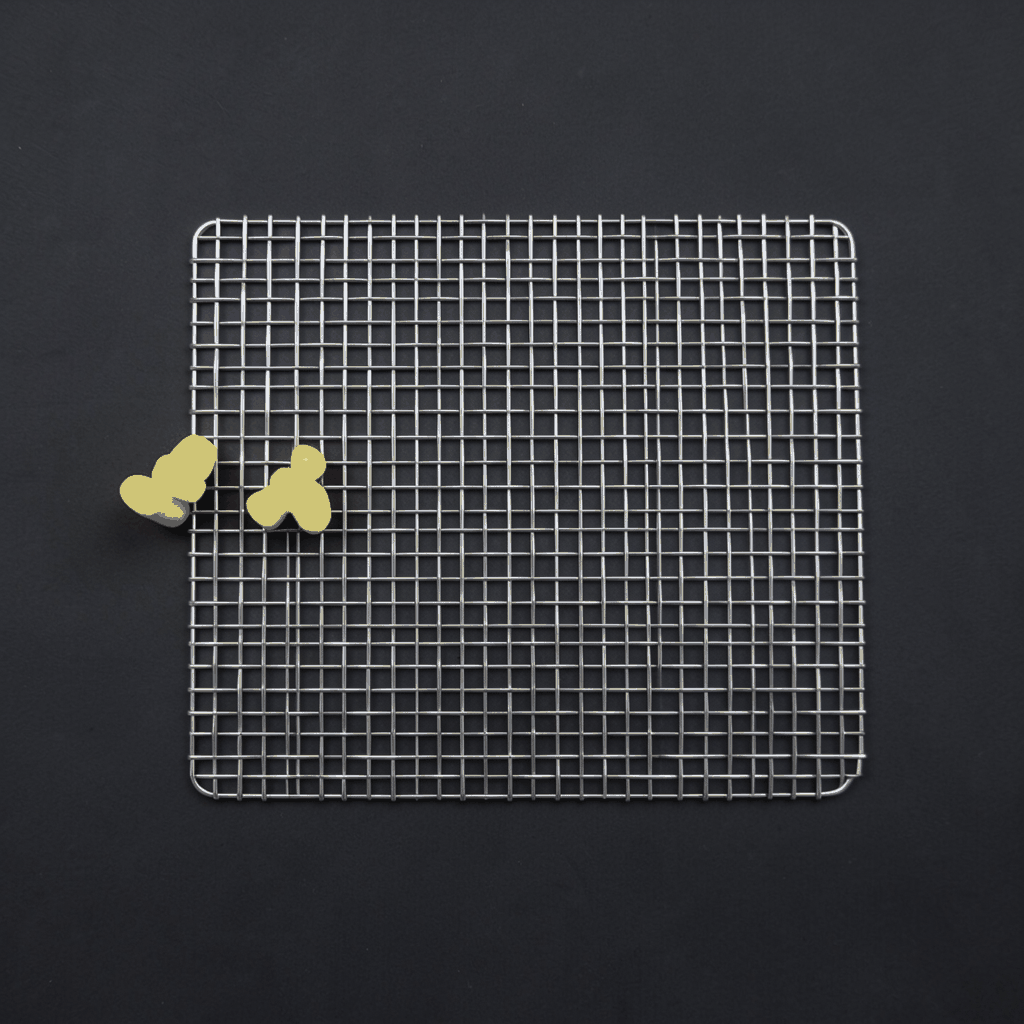
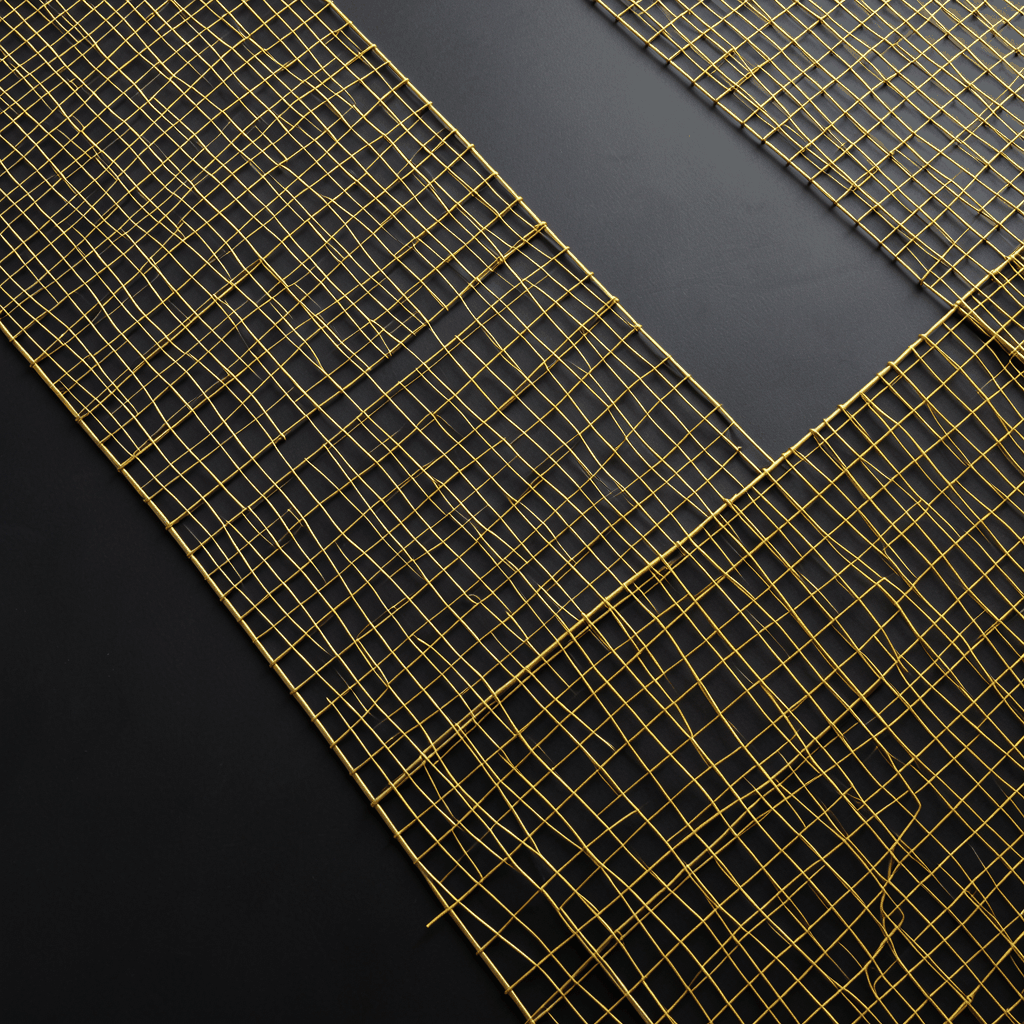
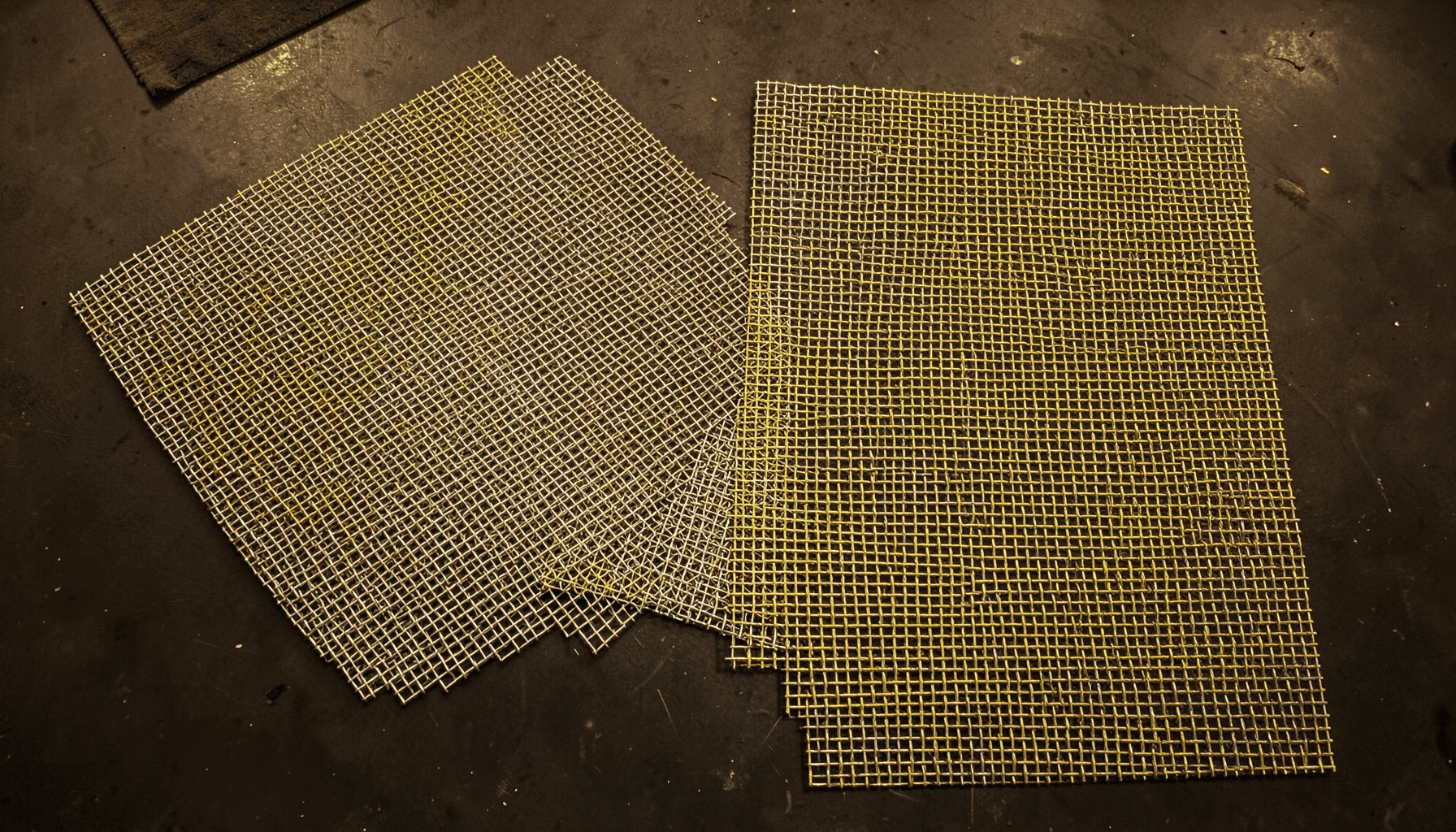
A physical sample is especially valuable when the mesh has an open weave. The background behind the mesh influences perceived color, and the ratio of metal to empty space can make a coating appear lighter or darker. For this reason, a solid coated panel may not represent the appearance of a woven wire curtain or expanded metal screen accurately.
Balancing Color With Mesh Pattern
Mesh geometry changes how color is read. Fine woven wire creates a delicate visual field and can appear less saturated at a distance. Large expanded openings expose more of the wall or interior behind the product, making the surrounding surface part of the color composition. Perforated panels show a more solid face, while laser-cut screens use pattern density to control shadow and visual weight.
A dark coating can make a fine mesh recede into a façade, which is useful when the goal is privacy or a clean architectural envelope. The same dark color on a dense perforated panel may appear bold and substantial. Light colors reflect more illumination and can make the pattern easier to notice, though they may show dust or installation marks sooner in exposed locations.
The viewing distance should guide the decision. A partition seen from a few feet away benefits from close attention to texture and gloss. A high-level façade screen viewed from the street should be assessed at a broader scale. Large samples, elevation mockups, or digital renderings can help stakeholders understand how the finished mesh will relate to the building trim.
Interior lighting also deserves attention. Warm lamps can enhance bronze, copper, beige, and cream finishes, while cool lighting may make gray or blue-based colors appear cleaner. In elevator interiors and retail spaces, changing light sources can affect the appearance throughout the day.
Finish Selection For Different Applications
Decorative mesh curtains and interior partitions often allow greater freedom in color and gloss. A satin black divider can define zones in a restaurant or showroom, while a champagne or bronze finish can add warmth to hospitality interiors. For these applications, tactile appearance and coordination with furniture, wall panels, and lighting may be more important than maximum weather resistance.
Elevator cladding and wall mesh require close control of alignment, edge details, and visible joints. A coating that matches adjacent trim can make separate panels appear like a continuous architectural surface. Low-sheen finishes are often useful because elevators contain many reflective surfaces and strong overhead lighting.
Fences, gates, guardrails, and municipal screens need a coating system suited to handling, impact, and outdoor exposure. Dark green, gray, black, and brown remain common because they coordinate with landscaping, masonry, and public infrastructure. Custom colors can support a corporate identity or help a facility use a consistent palette across entrances, boundaries, and equipment zones.
Filters, baskets, barbecue mesh, and industrial parts have more functional priorities, yet color can still support organization and identification. A specific coating color may distinguish equipment groups, identify maintenance zones, or align visible components with a facility’s branding. For parts exposed to heat, chemicals, abrasion, or food-related cleaning, the coating specification must be reviewed alongside the operating conditions.
Practical Steps For A Reliable Match
A coordinated result depends on clear information moving from design to production. The following steps help reduce color variation and prevent avoidable rework:
- Identify the trim reference, substrate, gloss level, and installation environment before requesting a coating sample.
- Review a physical powder-coated mesh sample rather than relying on a digital screen or isolated color card.
- Compare samples in daylight, shade, and the project’s expected artificial lighting.
- Confirm whether the mesh will be viewed against a wall, glazing, landscape, interior space, or another backing surface.
- Specify batch consistency and retain an approved sample for future additions or replacement panels.
The mesh manufacturer should also receive the required dimensions, weave or perforation pattern, edge treatment, quantity, and installation method. These details affect how much of the coated surface will be visible and how the product should be packed and handled. A color that works on a small decorative panel may need a different texture or sheen when applied across a large façade.
Approval should cover the complete visual assembly, not just the powder color. Check the mesh pattern, frame, fasteners, supporting structure, and adjacent trim together. This approach makes it easier to identify whether a perceived mismatch comes from color, reflection, shadow, or the relationship between open and solid areas.
Working With A Custom Mesh Manufacturer
A specialized architectural mesh supplier can translate a design intention into a manufacturable specification. The process may include material selection, mesh pattern development, cutting, forming, welding, surface preparation, powder coating, inspection, and packaging. Coordinating these stages through one experienced manufacturer can simplify communication and improve consistency.
Shuo Ke Wire Mesh Product Technology Co., Ltd. produces and processes decorative and industrial metal mesh for architectural, residential, commercial, and municipal projects. Its product range includes mesh curtains, partitions, wall and elevator cladding, laser-cut screens, fences, gates, guardrails, filters, baskets, and barbecue mesh. Stainless steel, aluminum, copper, iron, and other alloys can be selected according to the required appearance and performance.
Custom powder coating is useful when a project needs more than a standard black, white, or metallic finish. The supplier can help evaluate the relationship between the selected metal, mesh structure, coating texture, and service environment. This is particularly important for large orders, repeated building elements, and projects where replacement components may be required later.
Good production documentation should include the approved color reference, coating type, gloss or texture, substrate, pretreatment requirements, inspection criteria, and packaging instructions. Keeping these details together supports repeatability across batches and helps preserve the intended design language as a project expands.
Making The Color Decision With Confidence
Color matching works best when it is treated as part of the engineering and design process rather than a final decorative adjustment. Trim color, mesh openness, substrate, lighting, exposure, and maintenance requirements all influence the finished appearance. Powder coating provides the flexibility to bring these factors into one coordinated specification.
A thoughtfully selected mesh finish can disappear into the building, define a boundary, emphasize a pattern, or add warmth to an otherwise neutral façade. The right result depends on controlled samples, suitable coating technology, and accurate communication between the designer, contractor, and manufacturer.
For a custom architectural or industrial mesh solution, share the trim reference, application, dimensions, material preference, and exposure conditions with Shuo Ke Wire Mesh Product Technology Co., Ltd. Its technical team can help develop a durable, color-coordinated product that supports both the building’s visual identity and its practical requirements.