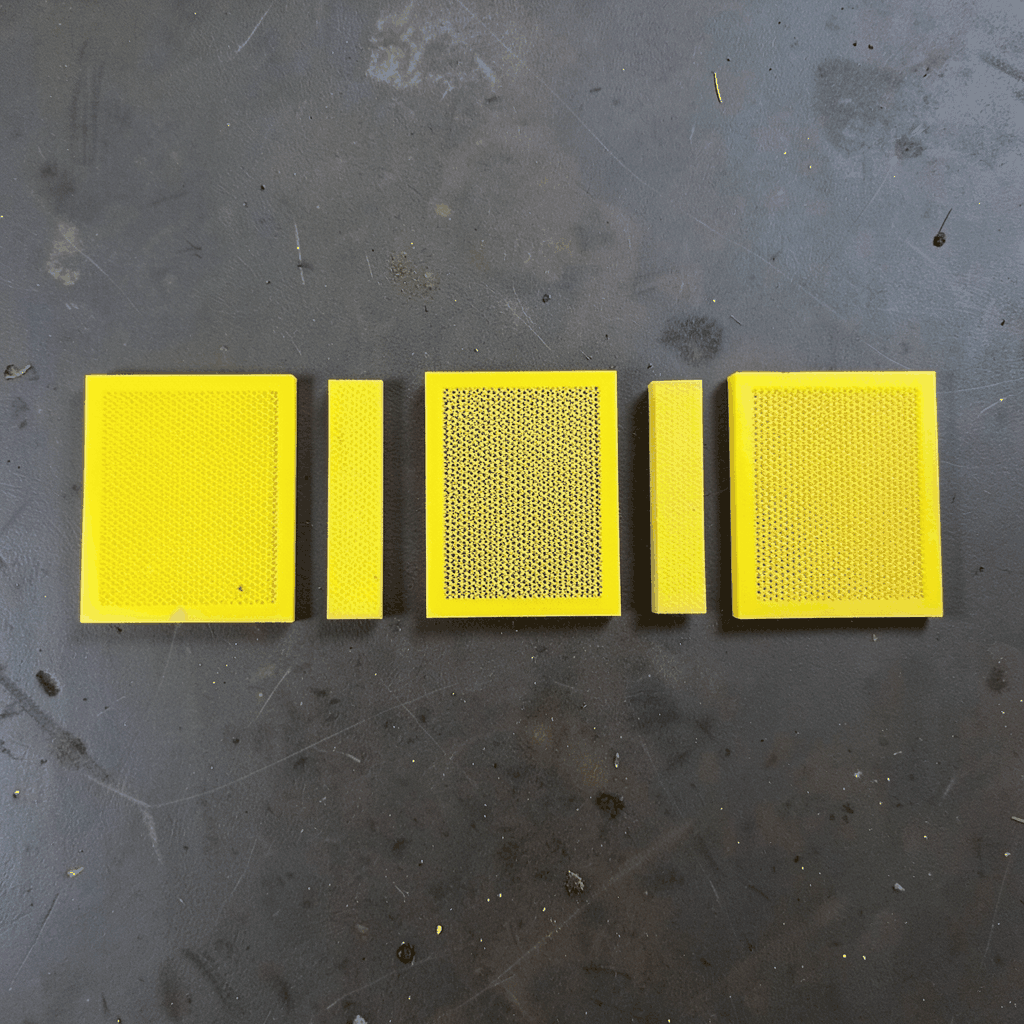
Mesh baskets for centrifuge and spin dryer applications
Mesh baskets for centrifuge and spin dryer equipment are working dewatering components, not generic accessories. They support a load while liquid drains from the material and remain stable as the assembly accelerates. Correct geometry keeps the drum balanced and preserves the drainage or airflow path on which the process depends.
In Australia, these baskets appear in commercial laundries, food-processing plants, laboratories, manufacturing finishing lines and wash-down areas. Industrial spin dryers used by hospitality operations in Sydney and Melbourne, for example, may handle linen with different moisture and lint profiles from wet product handled in regional mining or agricultural work.
Performance changes with basket diameter, depth, perforation, wire or sheet thickness, edge treatment and installed mass. A small imbalance can produce vibration, bearing wear or premature failure, while openings that are too fine can retain liquid and extend cycle time.
A useful specification combines machine details with the material being processed. Load weight, moisture content, operating speed, chemicals, cleaning regime and expected service life all influence the design. Custom fabrication is often necessary when a standard basket cannot meet the required capacity, mounting arrangement or duty cycle.
Why basket geometry drives performance
A centrifuge mesh basket has two jobs: retain the charge and let separated liquid escape. During a spin cycle, centrifugal force presses that charge against the basket wall, so every welded joint, perforation edge and support ring must carry predictable stress. The open area also sets how quickly water or process liquor drains rather than pools.
Basket shape affects more than capacity. A deeper basket may improve batch volume but adds mass and can disturb balance when the load shifts. Wider diameters reduce depth for the same volume, yet require more clearance inside the drum. A tapered or stepped profile may help loading and unloading, provided it does not create a shoulder where material can lodge.
Edge construction is equally important under high-speed loading. A rolled lip, welded reinforcing band or formed rim prevents the mesh edge from becoming the weakest point. Handles and lifting points must also remain clear of rotating components, while the base must allow liquid to leave the basket without trapping residue underneath.
Materials for Australian service conditions
Common material choices include 304 and 316 stainless steel, aluminium, copper alloys and coated iron or steel. Stainless steel suits most wet processing because it combines strength, corrosion resistance and cleanability. Aluminium can reduce moving mass where its lower strength is acceptable, while copper alloys have specialist uses where appearance, conductivity or chemical compatibility matters.
Coastal exposure changes the specification. Salt-laden air around Sydney, Melbourne, Brisbane and Perth can attack unprotected metals and create galvanic issues at fasteners or dissimilar joints. Grade 316 stainless is often considered for chloride-exposed wash-down areas, but the machine environment, cleaning chemicals and immersion conditions still govern the final choice. Bare aluminium and carbon steel need especially careful protection.
In mining and agricultural settings across Western Australia and Queensland, abrasion, acidic soils and variable water quality may matter more than salt air. A coated or heavier-gauge basket can be practical there, although coatings, welds and edges must all be checked for impact damage. Australian sites value equipment that can be run hard, serviced with basic tools and repaired without waiting for an overseas replacement.
Mesh constructions and their workload
Perforated metal baskets offer a stiff, consistent shape and a high proportion of clear openings. They work well for load retention, especially with fibrous or granular products that might escape through open wire. Hole size, shape and pattern should be selected so the material cannot pass through under acceleration while liquid still drains freely. Smooth punched or laser-cut edges reduce snagging.
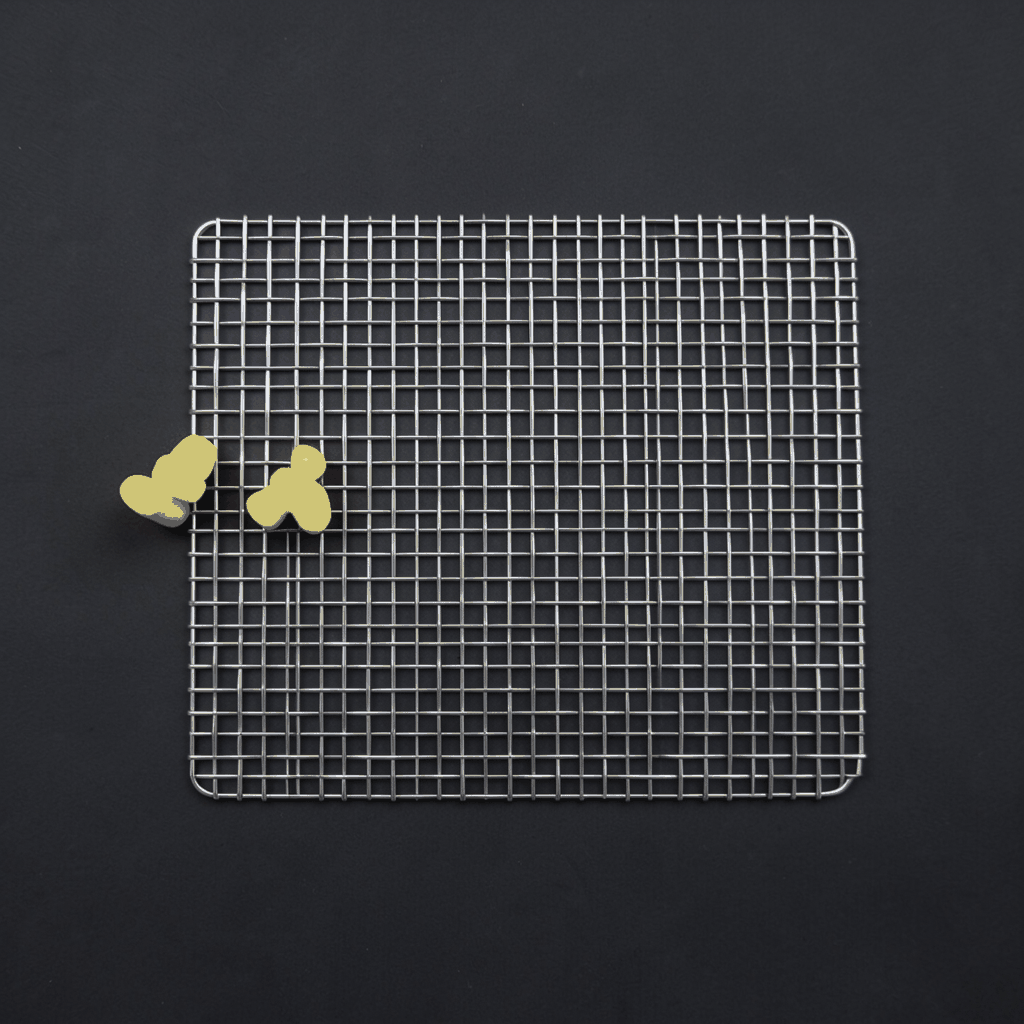
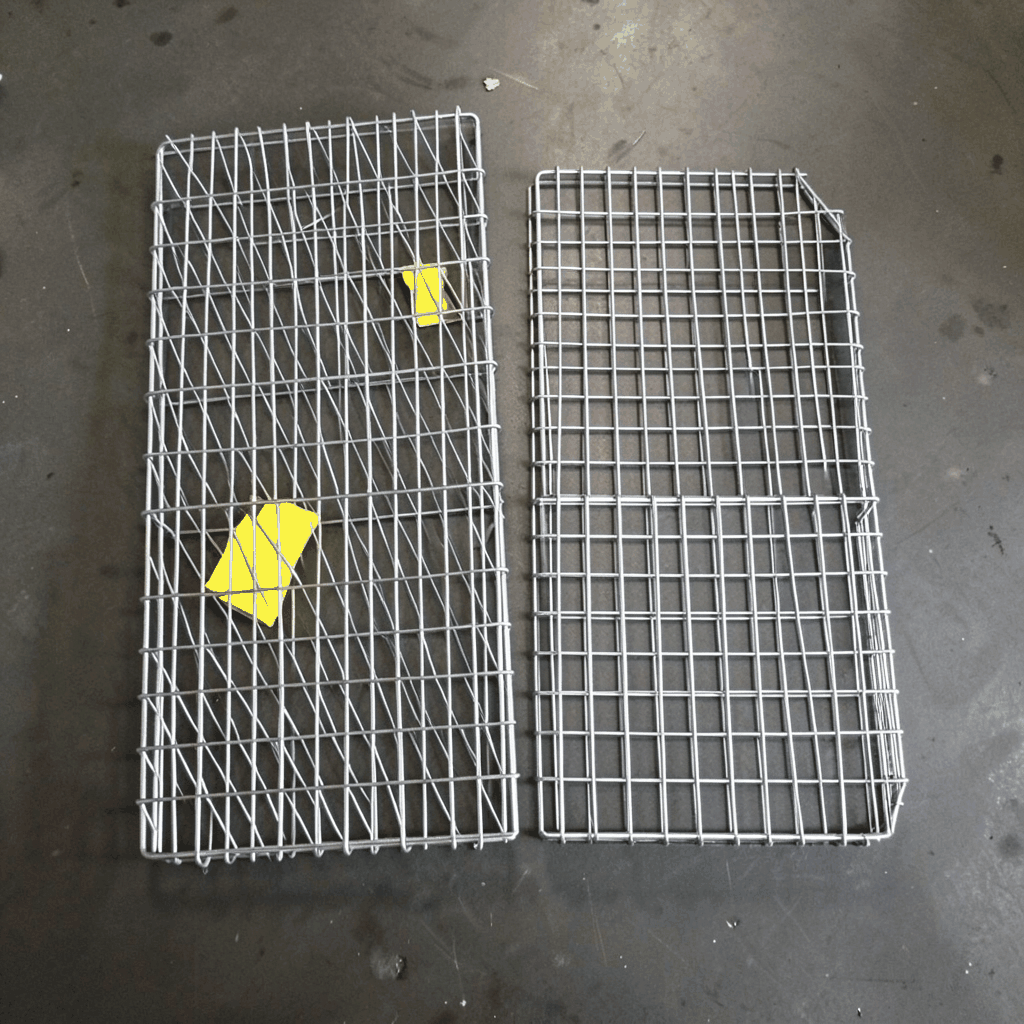
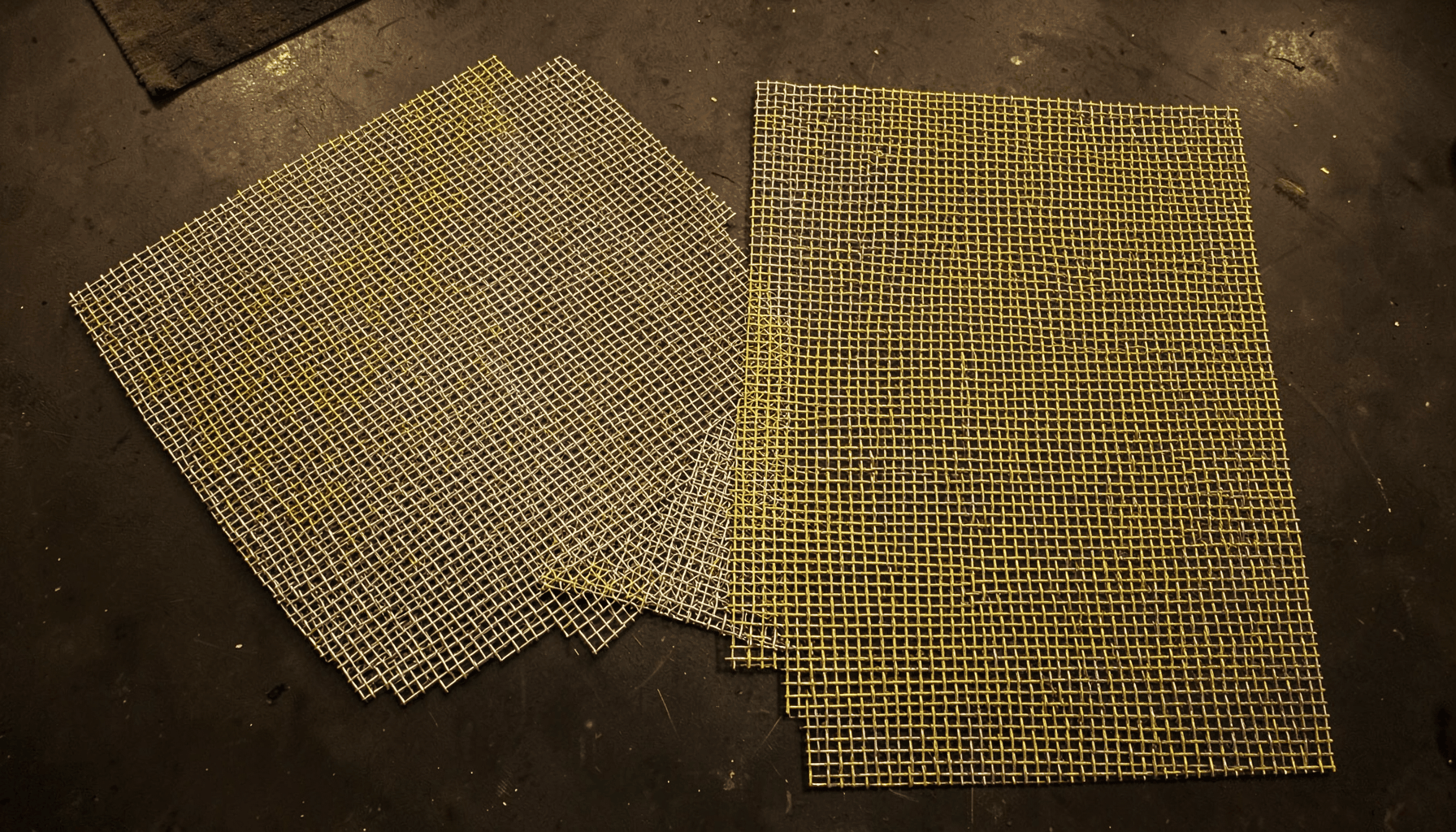
Welded wire mesh provides high open area and good drainage, making it useful for spin dryer baskets and centrifuge inserts carrying loose product. Panel intersections can add weight, and narrow wire may distort if it is not properly framed. Woven wire offers an even, flexible surface with fewer abrupt intersections, but it generally needs strong edge bands and careful tensioning to resist permanent deformation.
The best construction balances retention, drainage, cleanability and fatigue strength. Reinforced rims, rolled lips, radial ribs and a sound hub connection keep stresses away from the mesh field. A fabricator should also consider whether product sits directly on the mesh; in many applications, a liner or screen can protect fine openings without slowing extraction.
Capacity, fit and high-speed balance
Dimensional compatibility starts with the machine drawing rather than the nominal basket size. Internal drum diameter, usable depth, shaft or hub profile, flange shape, door clearance and removal path all need checking. Metric tolerances matter in Australian workshops, yet a nominal diameter alone does not confirm that a replacement basket will locate squarely or lock correctly.
The design must suit the machine’s approved maximum speed and centrifugal load. Basket mass, product mass and product distribution should be balanced as one rotating assembly. Uneven loading can amplify vibration long before visible failure appears, particularly if a flexible woven basket changes shape under load. Direction of rotation, retention of the load during transfer and the method for removing damp material also affect safe operation.
Open area and pressure drop deserve attention too. Very fine mesh can slow dewatering and retain residue, while very large openings may let valuable product escape. For a fabricator, the practical brief includes a measured sample of the product, its moisture level, target batch weight and the spin cycle used on site. Those details allow the mesh pitch and sheet thickness to be judged as an engineered system.
Cleaning, hygiene and long-term reliability
A basket designed for wet service should release residue and drain fully. Smooth welds, rounded transitions, accessible drainage points and removable lifting features reduce the places where soil, detergent or lint can collect. Fasteners should not trap water, and dissimilar metals should be isolated where cleaning chemistry could cause galvanic attack.
Cleaning methods need to match the alloy. Stainless steel may tolerate alkaline detergents and some sanitisers, but chlorine-based products can promote pitting if concentrations are excessive. Passivated 316 stainless still needs sensible chemical control. Steel wool and abrasive pads can scratch the surface and leave particles that encourage corrosion. In food businesses, cleaning schedules and chemical records commonly form part of HACCP-based quality programmes.
Reliability depends on inspection as much as material selection. Operators should check for distorted rims, cracked weld toes, blocked openings, loose hubs and sharp edges before each shift. A spare basket with matching drawings can shorten downtime, especially for sites in remote areas. Keeping the model number, mesh specification and modification history in one place makes replacement ordering much easier.
Practical choices by industry
The term mesh basket covers different duties. A commercial laundry basket must release water from linen without trapping lint; a process centrifuge may need to retain fine solids while removing oil, brine or another liquid; an industrial washing basket may carry heavier, sharper product. Those jobs reward a fit-for-purpose specification rather than simply choosing the largest available option.
Food processing and commercial laundry
- Choose stainless steel grades compatible with the wash-down chemistry and local cleaning programme.
- Use a smooth, open construction that releases liquor or water without retaining fibre and residue.
- Confirm the batch limit, hub arrangement and spin cycle with the machine supplier.
- Provide a balanced loading method so damp product cannot shift during extraction.
Mining, agriculture and industrial finishing
- Select a reinforced, load-rated basket for heavy or irregular product.
- Match wear resistance to the material, moisture and chemistry being handled.
- Set the clear opening to prevent valuable fines from escaping or blinding the mesh.
- Record mounting dimensions and service details for fast spare-part matching.
Australian buyers often involve the original machine maker or a local service company before approving a non-standard basket, particularly where imported spares have a long lead time. That sign-off protects the warranty and helps prevent an otherwise simple fit from becoming an expensive trial on a busy line.
For local operations, quote the actual batch mass in kilograms, the fullest permitted spin speed and the measured product dimensions. This gives the fabricator enough information to compare open area and material thickness without guesswork. It also makes comparisons between suppliers more useful across projects.
Custom fabrication and local sourcing
Non-standard baskets benefit from a drawing-based process. A useful pack includes the machine model, key dimensions, sample product, expected load, rotation direction, target cycle time and photographs of the existing hub or mounting area. Welded seams, reinforcing rings and lifting points can then be positioned around the actual stress path rather than added afterwards without engineering.
A supplier offering custom mesh options can evaluate perforated sheet, welded wire and woven mesh against the required capacity. Shuo Ke Wire Mesh Product Technology Co., Ltd. manufactures and processes architectural and industrial metal mesh products, including custom forms in stainless steel, aluminium, copper, iron and other alloys. That breadth is useful when basket retention, drainage and appearance must be balanced in one component.
Quality control should cover dimensions, weld continuity, edge finish, mesh count, balance-critical symmetry and surface condition. One approved sample should be retained for comparison with production units. For Australian buyers, local assembly or installation support can be valuable, while documented materials and inspection records make technical review and maintenance simpler.
Specify the machine, load and service environment before selecting a centrifuge or spin dryer mesh basket. A verified drawing, product sample and clear duty-cycle data give a manufacturer the basis for a safe, balanced and serviceable design. That is the difference between a basket that merely fits and one that supports dependable extraction every cycle.
Send Shuo Ke the machine dimensions, product details and application requirements for a custom mesh assessment. The team can identify the construction, alloy and reinforcement needed for practical operation, then prepare a clear fabrication proposal for Australian projects.