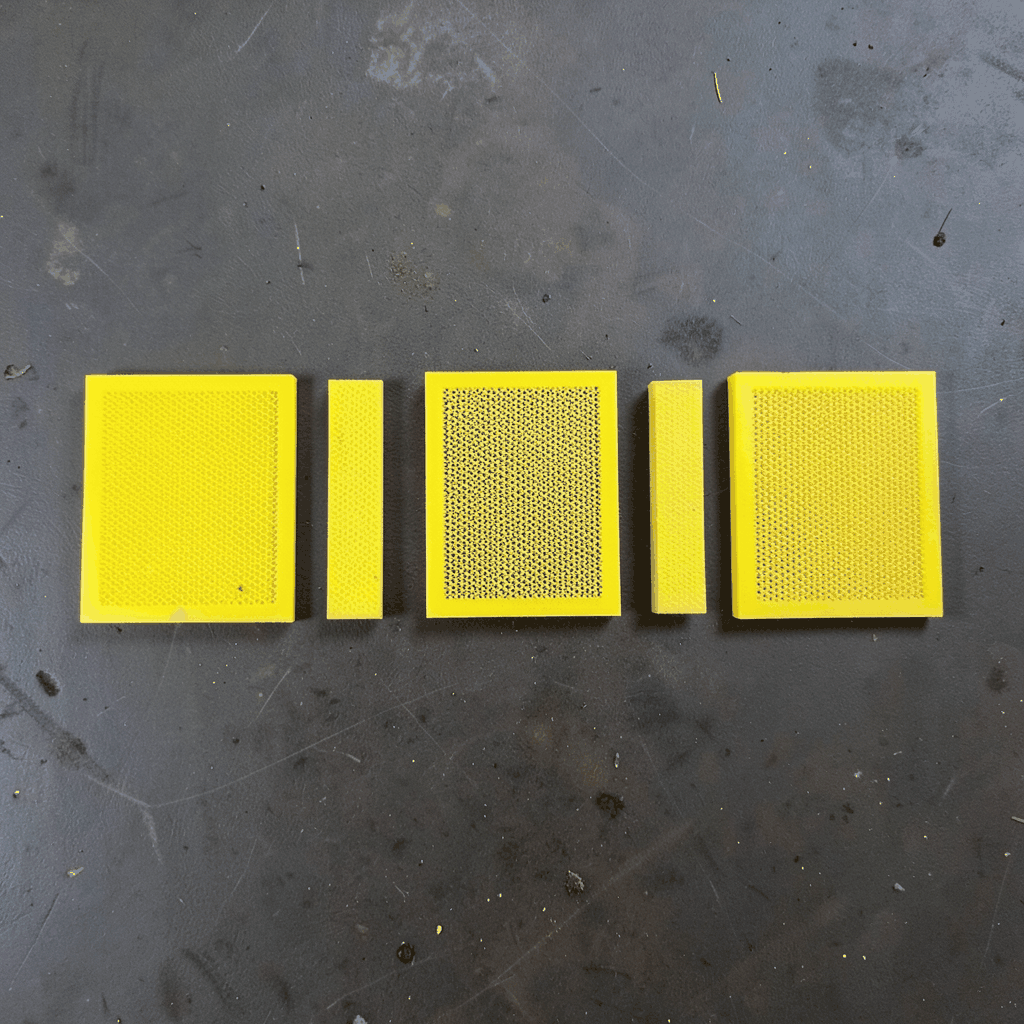
Mesh Baskets for Holding Parts During Electroplating Operations
Electroplating depends on controlled contact between the workpiece, plating solution and electrical current. A suitable basket keeps small components together, supports consistent immersion and helps operators move parts safely through cleaning, activation, rinsing and plating stages. Without the right container, parts can pile up, rub against one another or lose reliable contact with the power supply.
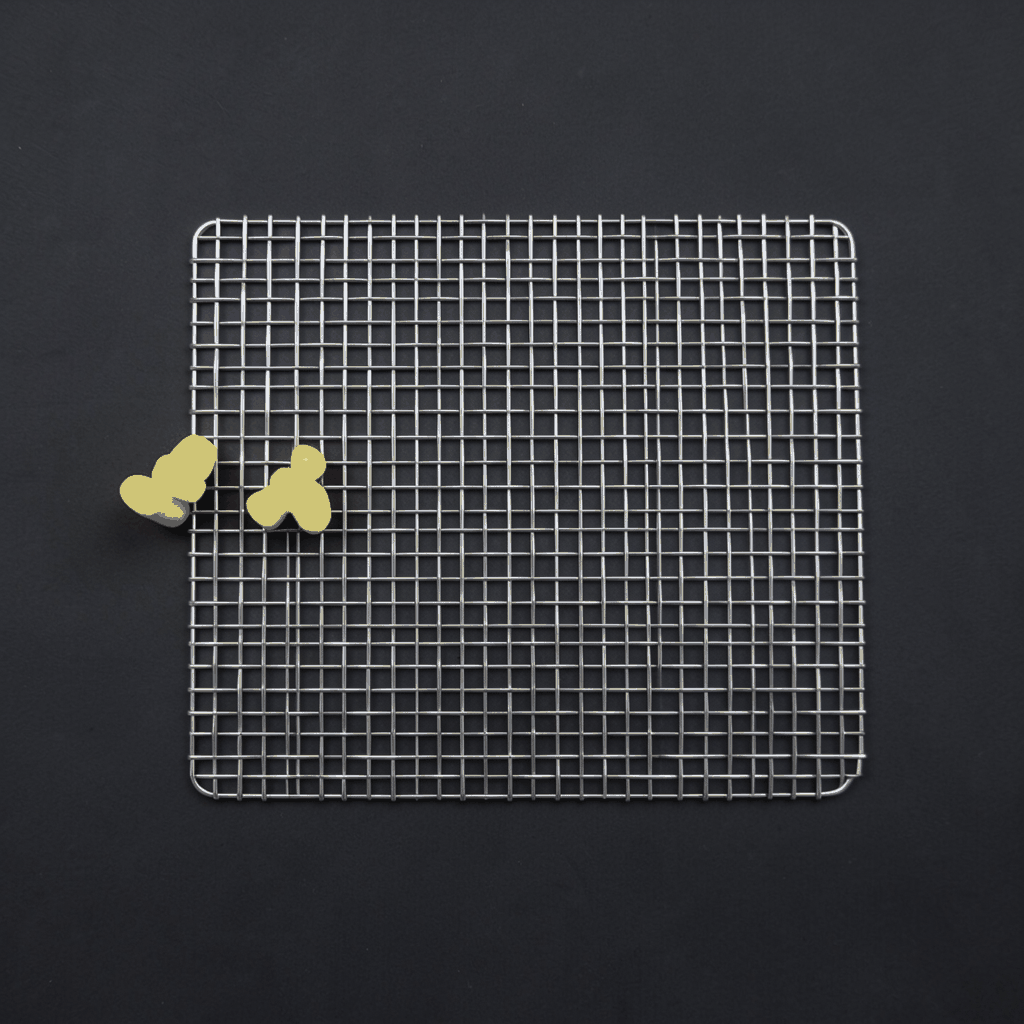
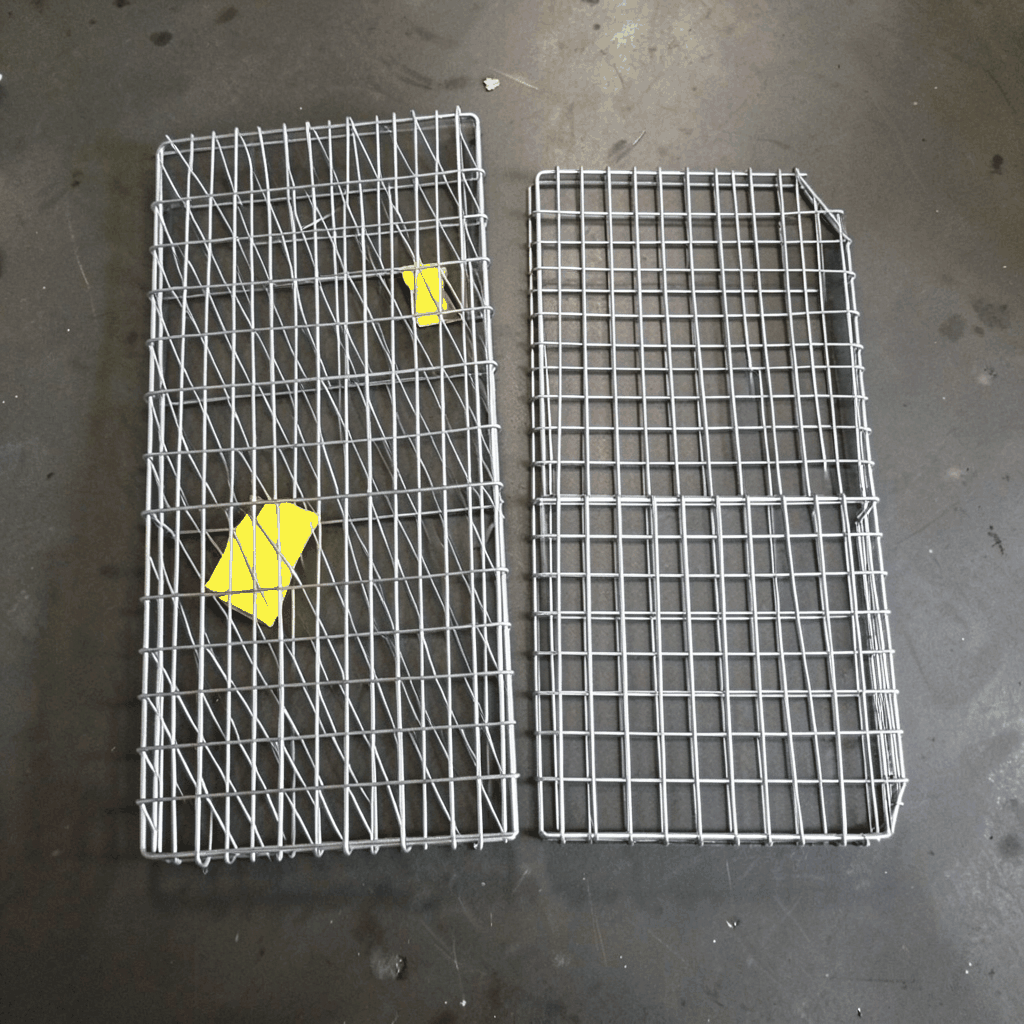
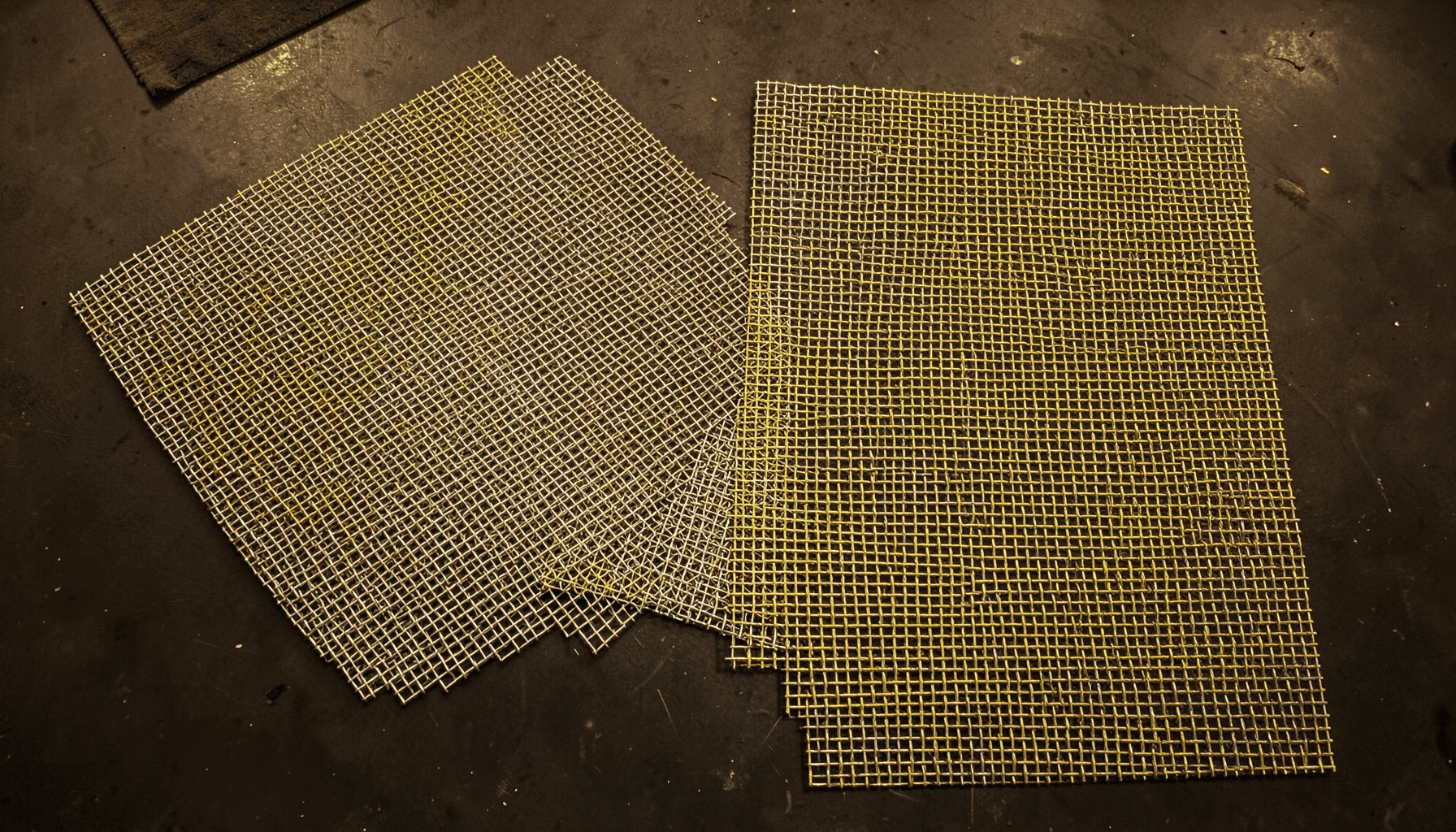
Mesh baskets for holding parts during electroplating operations are commonly manufactured from perforated sheet, expanded metal or woven wire mesh. The opening pattern allows solution to circulate around each component while the frame provides strength during lifting, draining and transfer between tanks. The correct design depends on the part size, process chemistry, production volume and loading method.
Australian workshops often handle varied production runs rather than one standard part all year. A Brisbane job shop may plate fasteners in the morning and machined fittings in the afternoon, while a Melbourne or Sydney finishing contractor may need baskets that suit both manual hoists and automated lines. That flexibility makes basket dimensions, mesh selection and attachment details important purchasing considerations.
A reliable manufacturer can produce standard baskets or develop a custom electroplating container around the process. Shuo Ke Wire Mesh Product Technology Co., Ltd. supplies custom metal mesh solutions for industrial and architectural applications, including fabricated baskets made to suit different materials, shapes and operating conditions.
How Plating Baskets Support The Process
A plating basket acts as a practical carrier for components that are too small, numerous or irregular to rack individually. Parts are loaded into the basket, immersed in a sequence of treatment tanks and removed as a group. The mesh surface gives liquid access to the load while keeping components contained during handling.
The basket must also help maintain electrical continuity where the process requires cathodic contact through the container or a dedicated contact bar. Inadequate contact can create uneven deposits, dull areas or parts that remain unplated. A well-designed basket therefore combines open construction with an appropriate conductive material and a dependable connection point.
Drainage is another important function. When a basket leaves a tank, trapped solution adds drag-out, increases chemical consumption and can contaminate the next bath. Open mesh, sloped surfaces and rounded corners allow liquid to drain quickly, supporting cleaner transfers and better housekeeping around the plating line.
Selecting Mesh And Construction Materials
Stainless steel is a common choice for handling baskets because it offers good mechanical strength, cleanability and resistance to many industrial environments. Different stainless grades may be selected according to the process chemistry and temperature. The exact grade should be checked against the plating solution, cleaning agents and any heated stages used in the line.
Titanium can be appropriate for specialised applications where high corrosion resistance and low contamination are essential, although it generally carries a higher purchase cost. Polypropylene and other plastics may suit certain chemical environments, but they do not provide the same electrical characteristics as metal. Mild steel can be economical for general handling, yet it may require surface protection and careful separation from aggressive baths.
Mesh opening size should be matched to the smallest component being processed. Openings that are too large allow parts to escape or become wedged, while very fine mesh can restrict solution flow and make rinsing less effective. The wire diameter or sheet thickness must also withstand repeated loading, hoisting and contact with the tank or transfer equipment.
Basket Shapes For Different Components
Rectangular baskets are useful for general-purpose production because they make efficient use of tank space and are easy to stack or position on a support frame. They suit washers, clips, brackets and other compact components. A reinforced rim helps prevent distortion when the basket is full, particularly when operators lift it manually or with a small overhead hoist.
Cylindrical and round-bottom baskets can improve circulation around loose parts and work well in rotating or vibrating equipment. They are often selected for pins, screws, small castings and components that need movement to prevent nesting. A rotating basket can expose fresh surfaces to the solution, although the process must be controlled to avoid marking or tangling.
Shallow trays are better for flat items, sheet components and parts that need to remain separated. Dividers, perforated shelves and internal compartments can reduce contact marks and make unloading faster. For delicate components, a supported layer is often more useful than placing a large quantity into one deep container.
Managing Current Contact And Part Movement
Electrical contact deserves attention before the basket enters production. Operators should identify where the current enters the load and how resistance changes as parts move, settle or accumulate. Contact bars, hooks, reinforced rims and dedicated electrical points can be incorporated into the design to create a stable connection.
Loose components may shield one another if they are packed too tightly. This can cause uneven coating thickness, especially on recessed faces and areas where parts touch. Controlling the fill level, using internal dividers or applying gentle agitation can improve exposure without requiring a completely different basket.
Movement must be balanced carefully. Excessive tumbling can cause scratches, edge damage and tangling, while too little movement may leave solution pockets or create uneven deposition. Trial runs with the actual parts are valuable because the best loading pattern depends on mass, geometry, surface finish and the required plating thickness.
Designing For Australian Workshop Conditions
Australian plating facilities may operate in coastal areas where salt-laden air increases corrosion risk around storage and transfer equipment. A facility near Newcastle, Wollongong or Perth may need stronger attention to material selection and post-use rinsing than an inland workshop. Stainless construction, clean drainage and dry storage can help extend the service life of baskets and lifting accessories.
Temperature variation also affects handling. In a large shed in Adelaide or regional Queensland, operators may work with significant changes between summer and winter conditions. Handles, welds and support frames should be designed for repeated thermal exposure, chemical contact and the weight of saturated loads rather than for static use only.
Workplace practice matters as well. Australian sites commonly use forklifts, jib cranes, hoists and manual transfer frames, with procedures shaped by state-based safety requirements and site risk assessments. Basket lifting points should be visible, balanced and compatible with the rated lifting equipment. Smooth edges and secure welds reduce snagging risks when staff are wearing gloves and moving quickly between tanks.
Practical Selection Checklist
Process Details To Confirm
- Part dimensions, weight and minimum component size
- Plating chemistry, temperature and immersion time
- Required electrical contact method
- Manual, hoist-assisted or automated handling
Fabrication Features To Review
- Mesh opening, wire diameter or sheet thickness
- Reinforced rim, handles and lifting points
- Drainage, internal dividers and rounded corners
- Weld finish, surface treatment and cleanability
A basket supplier should receive more than a simple request for a box made from mesh. Drawings, photographs, sample parts and details of the chemical line allow the fabricator to assess load distribution, opening size and lifting arrangements. Where dimensions are still being developed, a production trial can reveal whether parts bridge across the mesh, collect in corners or require internal separation.
The operating environment should be recorded as accurately as possible. Include bath composition, operating temperature, current requirements, expected basket weight and the number of cycles per shift. These details help determine whether a standard wire basket is adequate or whether the project needs a heavier frame, special alloy, welded sheet construction or replaceable contact components.
Fabrication Quality And Maintenance
A plating basket should have consistent welds, a stable frame and a surface that does not shed loose wire, scale or coating fragments into the bath. Crevices and sharp internal corners can hold chemicals and make rinsing difficult. Clean, continuous joins and accessible surfaces simplify inspection and reduce the chance of contamination.
Routine maintenance should include checking lifting points, handles, contact areas, welds and signs of distortion. Baskets should be rinsed according to the site procedure after use, allowed to drain fully and stored where they can dry. A basket that has become heavily coated with deposits may alter current flow and should be cleaned or refurbished before it returns to service.
Operators can also improve basket life by avoiding overloads and preventing baskets from being dragged across tank edges. Parts should be distributed evenly rather than piled high on one side. Keeping separate baskets for incompatible chemicals or different process stages can prevent cross-contamination and make traceability easier.
Custom Baskets For Production Efficiency
Custom fabrication becomes worthwhile when standard baskets waste tank space, leave parts unplated or require excessive manual sorting. A tailored design can match the working dimensions of an existing tank, fit a specific hoist beam and hold the required quantity without overloading the line. It may also incorporate removable partitions, replaceable mesh panels or a shaped base for a particular component.
For Australian manufacturers, local production schedules and freight distances can influence the choice between imported standard equipment and a purpose-built basket. A mining equipment supplier in Western Australia may need robust containers for heavy components, while an electronics or precision engineering operation in Victoria may prioritise gentle handling and controlled separation. The design brief should reflect the actual process instead of relying on a generic catalogue size.
Customisation does not have to mean a complex or expensive structure. Changes such as a deeper rim, larger lifting eyes, a different mesh aperture or a strengthened base can solve recurring production problems. When baskets are made in compatible sizes, they can also share storage racks, hoists and transfer equipment across several plating stages.
Selecting the right container improves plating consistency, operator handling and chemical control at the same time. Discuss the part drawings, bath conditions and lifting method with a qualified metal mesh fabricator, then request a basket design suited to the real production line. A properly engineered solution can be specified, manufactured and introduced with less disruption while providing dependable service through repeated electroplating cycles.