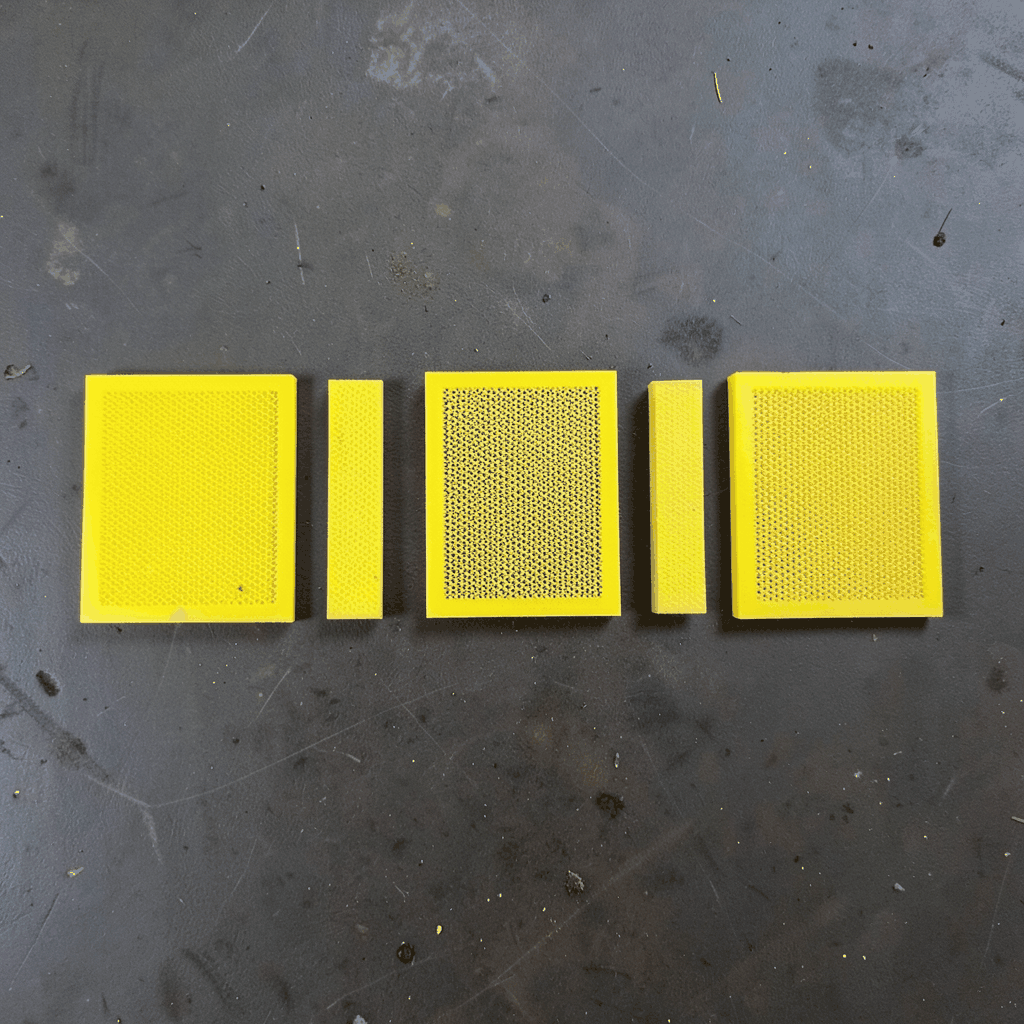
Drain grate and gutter mesh covers for Australian homes and worksites
A steady stream of gum leaves and twigs sliding into a stormwater system sounds harmless until the first heavy downpour after a long dry stretch. Across Sydney's harbourside suburbs, Brisbane's leafy inner-west, Adelaide's tree-lined streets and Melbourne's older inner-north, blocked downpipes and flooded garden beds remain a recurring headache for homeowners, body corporates and tradies. Drains and gutter grates sit at the front line of that problem, and a well-chosen mesh cover is the simplest way to keep debris, pests and embers out of the system.
Shuo Ke Wire Mesh Product Technology Co., Ltd. produces woven and welded metal mesh in stainless steel, aluminium, copper and iron alloys, supplying decorative facade screens and functional drainage filters. The same manufacturing capability used for architectural cladding and laser-cut partitions translates directly into engineered mesh covers for domestic and commercial stormwater hardware, giving Australian buyers a path to custom sizes, apertures and finishes without the limitations of off-the-shelf plastic.
Why drain and gutter protection matters down under
The continent's mix of mature eucalypts, jacarandas, deciduous street trees and flowering gums means that no two seasons deliver the same debris load. In autumn, a single mature plane tree sheds thousands of broad leaves that mat together like a thatched roof over a gutter. In spring and summer, gum nuts, seed pods and blossoms form a finer sludge that passes through coarse plastic guards and settles in the bottom of downpipes. By the time a summer storm rolls in over the ranges, the gutter is already partly blocked and the overflow pours onto paths or subfloor vents.
Beyond the leaf load, Australian conditions place unusual demands on outdoor hardware. Coastal homes from Coffs Harbour to Geraldton deal with salt-laden air that corrodes unprotected steel within a season or two. Inland regions such as Dubbo, Mildura and the western slopes of the Great Dividing Range see wide temperature swings, harsh UV and dry, dusty conditions that embrittle plastic mesh. Replacing damaged plastic guards every few years has become a quiet but persistent household expense.
For commercial and strata sites, the maths are sharper. A blocked stormwater pit at a shopping centre carpark, an industrial estate in Perth's western suburbs, or a hospital loading dock can mean trade waste, safety hazards and council rectification notices. Engineered metal mesh covers, sized to the pit and load-rated for foot or vehicle traffic, give facility managers a long-service alternative that can be lifted, cleaned and reinstalled without specialist tools.
Materials that survive the climate
Stainless steel is the workhorse of Australian drainage mesh. Marine-grade 316 alloy holds up to salt spray, while the common 304 grade performs reliably in suburban and light-industrial settings. Welded stainless mesh holds its shape under foot traffic and can be pressed into a recess frame, while woven stainless mesh is flexible enough to be cut on site and shaped over irregular gutter profiles. Both resist the rust staining that discolours cheaper galvanised products once their protective coating is breached.
Aluminium mesh is the lightweight favourite for roof and gutter applications, particularly on Colorbond and zincalume roofs where weight loading matters. Aluminium does not rust in the conventional sense, instead forming a stable oxide layer that protects the underlying metal. It suits the long runs of gutter common on single-storey Queenslanders, Perth bungalows and Adelaide villas, although it dents more readily than steel under a fallen branch.
Copper and brass mesh remain a small but steady niche. They appear on heritage restorations in areas such as The Rocks in Sydney, the Adelaide Hills and parts of Hobart's waterfront, where the brief calls for a material that will patina rather than corrode. Copper mesh also has natural biocidal properties that slow the algae and biofilm growth that makes black plastic guards slippery and unsightly, though stainless or aluminium delivers better value for most suburban work.
Galvanised steel and powder-coated mild steel fill the commercial and industrial end of the market. They handle heavy debris loads, vehicle traffic over stormwater pits and the rough handling that comes with construction sites and civil infrastructure projects. Hot-dip galvanising after fabrication is the key to long service life, particularly in the humid coastal strip running from Cairns through Townsville and down to Gladstone.
Common mesh grades and their typical Australian uses
- 316 stainless woven: coastal homes, marine precincts, salt-exposed industrial sites.
- 304 stainless welded: suburban gutters, stormwater pits, balcony outlets.
- Aluminium mill-finish or powder-coated: long-run roof gutters on Colorbond and zincalume roofs.
- Hot-dip galvanised mild steel: vehicle-rated pit grates, civil and council infrastructure.
Bushfire defence and ember screening
For properties in designated bushfire-prone areas, mesh covers do more than keep leaves out. Under Australian Standard AS 3959 and the Bushfire Attack Level (BAL) framework, openings in roofs, eaves, gutters and subfloor vents must be screened with corrosion-resistant metal mesh with a maximum aperture of 2 mm when assessed against ember attack. Plastic gutter guards do not satisfy this requirement, however well they keep leaves out.
BAL-LOW and BAL-12.5 zones cover a surprising amount of suburban Australia, including the urban-bushland fringes around Brisbane's Mount Coot-tha, the Adelaide Hills, the Perth hills suburbs extending towards the Darling Scarp, and large parts of the NSW Central Coast. BAL-29 and BAL-40 zones sit closer to the bush interface and demand tougher solutions, often including enclosed eaves, sealed gutters and finer mesh. A stainless steel or aluminium ember mesh with a 2 mm aperture, fixed securely and clear of accumulated debris, lets the gutter continue to function while denying embers a place to land and ignite.
Shuo Ke supplies woven and welded mesh in a full range of apertures, including the fine 2 mm and 1.5 mm weaves used in BAL-rated installations. For councils and builders working across mixed BAL zones, this flexibility means one supplier can cover the standard leaf-guard mesh on a suburban home and the tighter ember screen on a neighbouring rural block.
Vermin, pests and downpipe guarding
Mesh on a drain or gutter is not just a debris filter. Across much of Australia, rats and mice use unmeshed downpipes as a highway into roof spaces, chewing cabling and contaminating insulation. Possums squeeze through surprisingly small openings, and in newer suburbs on the urban fringe of Melbourne, Sydney and Brisbane, the sight of a brush-tailed possum raiding the roof is now almost routine. Snakes, including eastern browns in rural Victoria and South Australia, occasionally follow downpipes upward, while lizards, cane toads and large insects exploit the same gaps.
A properly fitted stainless or aluminium mesh cover over the gutter-to-downpipe outlet, the downpipe itself where it enters the ground, and the stormwater pit at ground level creates a physical barrier that most vermin cannot breach. Apertures of around 6 mm are usually fine enough to exclude rats and mice while still allowing water to flow freely during a heavy storm. Where bushfire ember screening is also required, the same mesh can be specified at 2 mm to deliver both functions in one product.
Body corporates in apartment blocks along the Sydney light rail corridor, around South Bank in Brisbane and in inner-Melbourne townhouse developments are increasingly specifying vermin-rated mesh as part of routine roof plumbing upgrades. The cost is modest compared with a callout to remove a possum or repair chewed wiring, and the mesh can be colour-matched or concealed within the existing gutter profile.
Choosing the right aperture and profile
Matching the mesh to the job starts with aperture size. A 4 mm to 6 mm aperture is the standard choice for general leaf and debris protection on suburban gutters. Where finer debris such as pine needles from introduced radiata pines along the ranges, or flowering gum blossom, is the dominant problem, a 2 mm to 3 mm aperture works better but needs more frequent cleaning to prevent water sheeting across the surface rather than draining through. Ember-rated mesh at 2 mm or 1.5 mm is mandatory in BAL-rated construction and recommended in any area where summer storms and bushfire risk overlap.
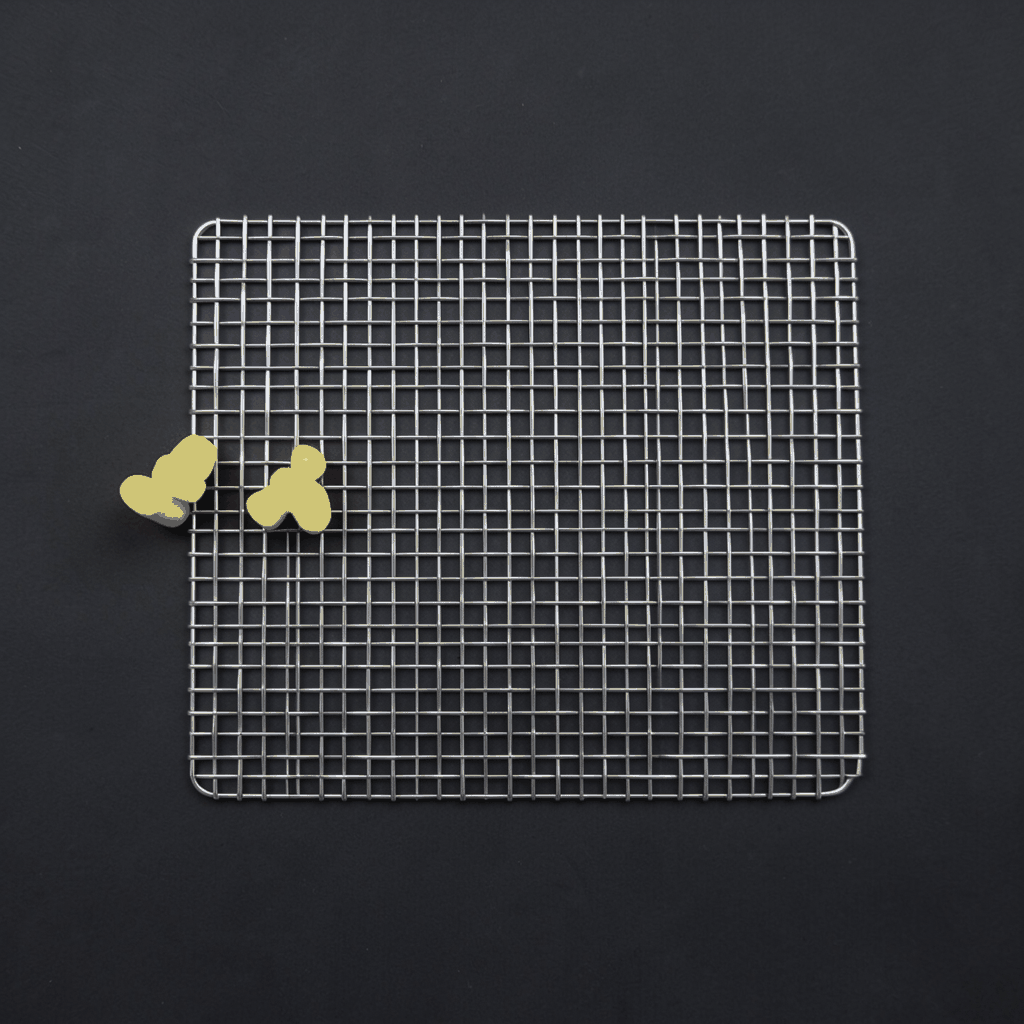
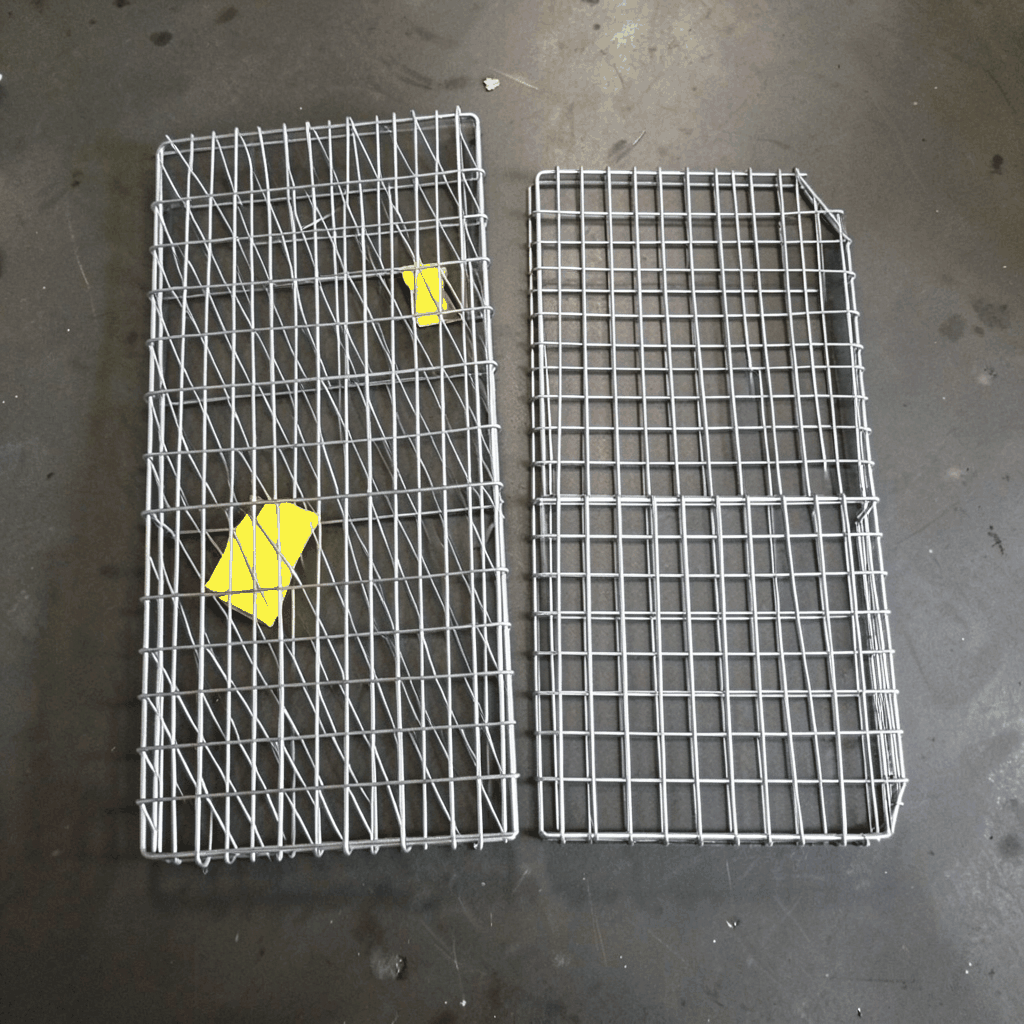
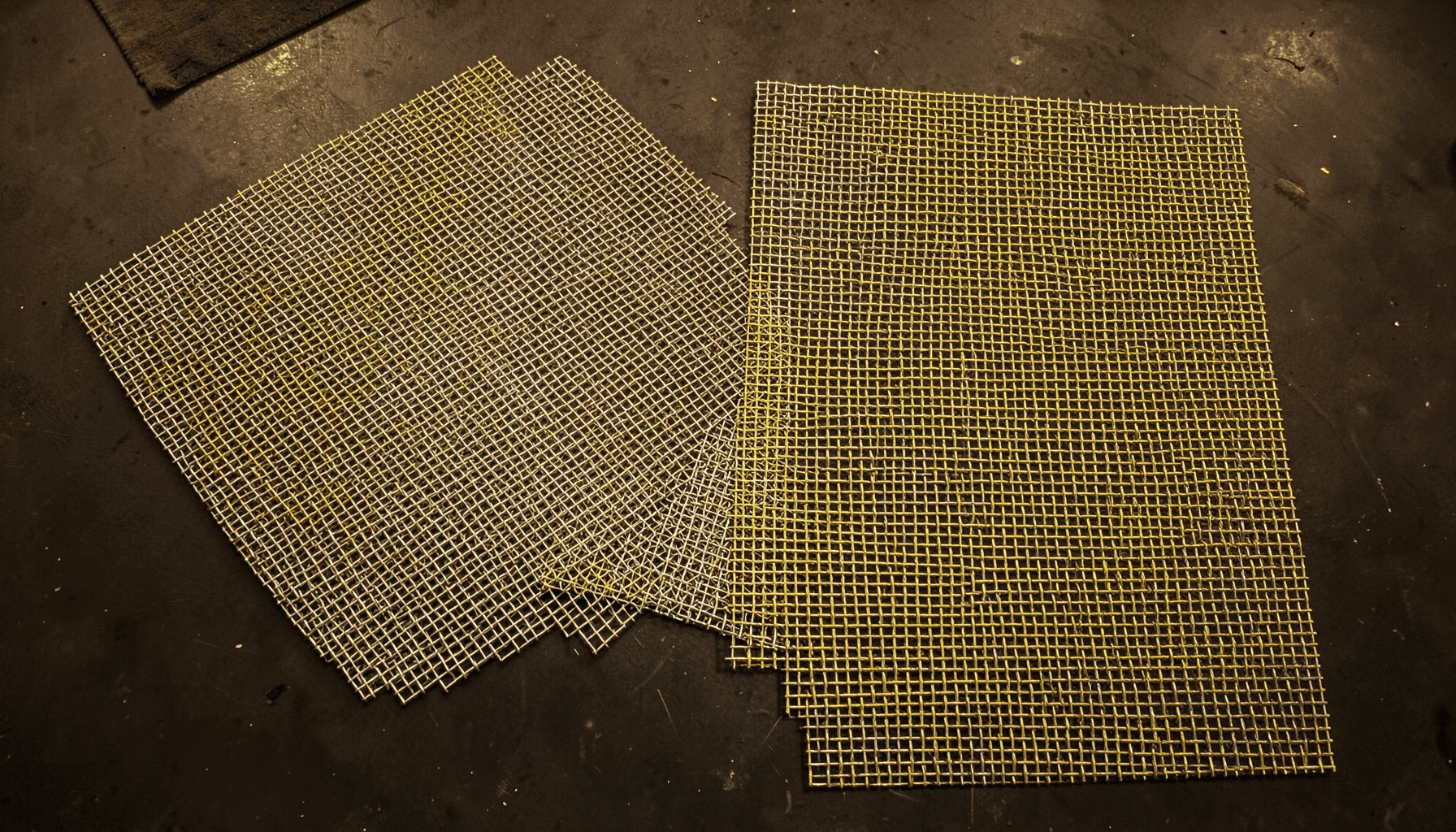
Profile matters as much as aperture. Flat panels of welded mesh can be cut and framed to drop into a stormwater grate or pit, with cross wires adding rigidity under foot or light vehicle traffic. For gutters, mesh supplied in rolls of woven stainless or aluminium is laid over the gutter and fixed under the roof sheets or with a clip-on edge profile. Custom-pressed or laser-cut panels suit unusual situations such as heritage cast-iron downpipe gratings, balcony outlets and box gutters on commercial buildings.
Shuo Ke's in-house processing covers slitting, pressing, welding, weaving and laser cutting, which means non-standard widths, custom apertures and made-to-pattern panels are achievable without long lead times. For Australian buyers, that often translates into same-week turnaround on replacement covers for stormwater pits, rather than waiting months for a generic imported part.
Matching aperture to the debris and risk profile
- 4–6 mm woven or welded: general suburban leaf and twig load, suitable for most gum and plane tree areas.
- 2–3 mm: fine debris, pine needles, flowering gum blossom, rainwater tank pre-filters.
- 2 mm BAL-rated: bushfire ember zones under AS 3959, paired with vermin exclusion.
- 1.5 mm woven: maximum debris and ember protection, used on critical facilities and high-BAL builds.
Installation, maintenance and compliance
Most mesh covers are designed to be lifted, cleaned and replaced without tools, which encourages the regular maintenance that keeps them working. A quick visual check at the change of each season, with a brush or leaf blower, is usually enough. In areas of heavy debris, an annual wash-down with a hose prevents fine silt from accumulating on top of the mesh and slowing water flow. Stainless and aluminium meshes tolerate this routine without issue; galvanised mesh benefits from a check for coating damage at the same time.
Compliance with local council and water authority requirements is part of the picture. Many Australian councils, including several in greater Sydney and Melbourne, publish guidelines on what can and cannot discharge into the stormwater system. A correctly fitted mesh cover keeps litter, leaf litter and pet hair out of the kerbside pit, helping the wider community meet its obligations under local stormwater quality targets. For rainwater tank installations, mesh at the gutter and a finer pre-filter at the tank inlet work together to keep harvested water clean enough for garden use and, with appropriate downstream filtration, for laundry and toilet flushing.
Shuo Ke Wire Mesh Product Technology Co., Ltd. works directly with Australian importers, builders and trade customers to specify mesh covers for drains, gutter grates, downpipe outlets and stormwater pits. Custom sizes, aperture grades and material options are available on request, with samples and technical data supplied to confirm suitability before manufacture.
If you're upgrading a stormwater pit, refitting a gutter system or specifying ember-rated mesh for a bushfire-prone site, request a quotation with your required aperture, panel dimensions and material preference. Shuo Ke's team can recommend a mesh grade suited to coastal, urban or rural conditions and arrange production to your timeline.