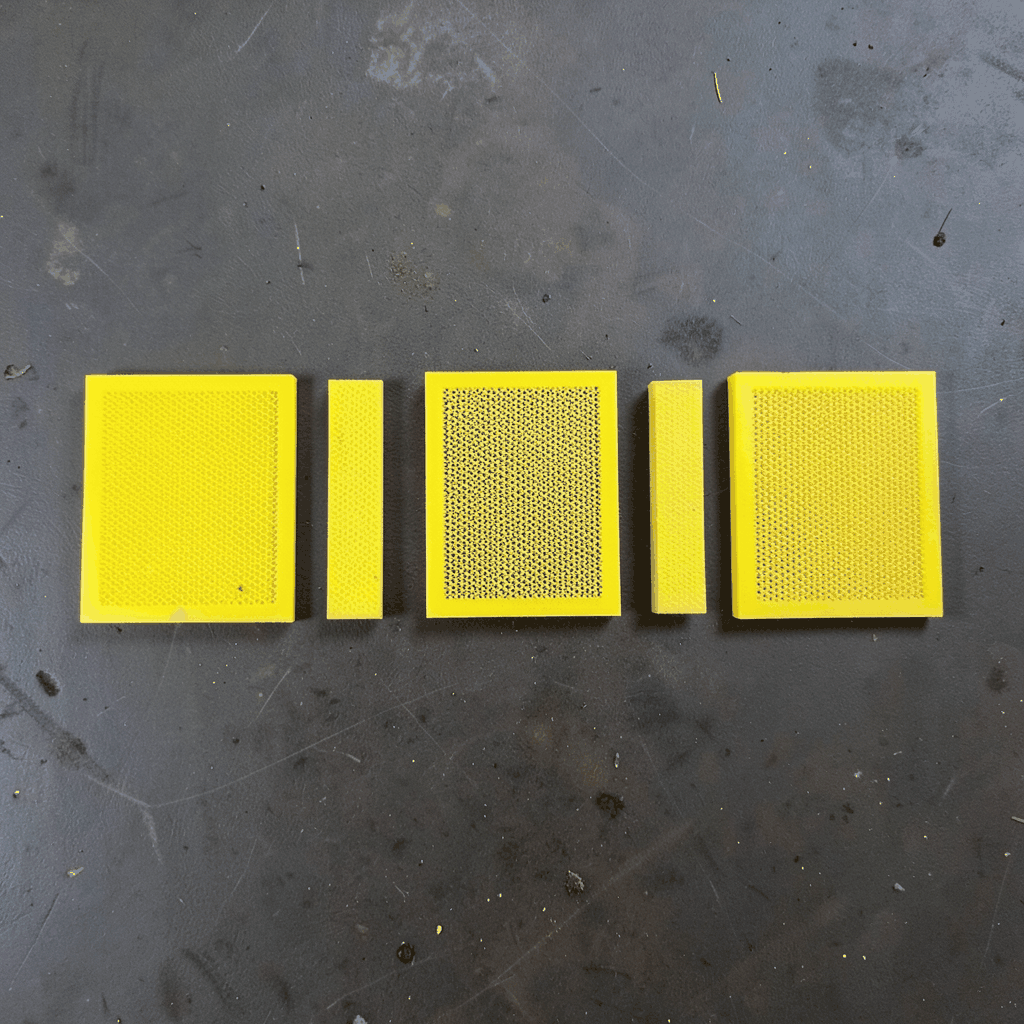
Mesh covers for industrial exhaust fans and louvers built to last
Industrial exhaust systems move huge volumes of air, and the openings that let that air pass in or out are vulnerable to everything nature and the working environment can throw at them. Leaves, nesting birds, dust, hail, sparks and inquisitive rodents all find their way into unprotected louvres and fan apertures. A correctly specified mesh guard or louvre screen acts as the first line of defence, keeping the air path clear while preserving airflow and reducing unplanned maintenance.
Across Australia, the conditions that strain ventilation equipment are particularly varied. Coastal plants in Sydney, Geelong and Fremantle face salt-laden air. Industrial sheds in the Adelaide Hills and the western suburbs of Brisbane sit in bushfire-prone land where embers can be carried on hot northerlies. Mining operations near Kalgoorlie and the Pilbara must contend with fine abrasive dust. The right protective screen is built with these realities in mind, using metals that resist corrosion, hold their shape under thermal cycling, and keep performing year after year.
Why exhaust openings and ventilation louvers need protective screening
Exhaust fans and weatherproof louvres are designed to move air efficiently, but their performance depends on clear openings. Birds are a particular problem in warmer months, with pigeons, starlings and Indian mynahs choosing the warmth of rooftop fans above the cool nights in spring and early summer. Rodents squeeze through surprisingly small gaps, and once inside, they chew cabling, foul insulation and create fire risks. Insects, leaves and airborne debris accumulate over time and quietly strangle airflow, raising fan energy use and shortening motor life.
In Australian industrial settings these risks arrive with a local flavour. Distribution centres along the M7 corridor in western Sydney often run around the clock through peak retail seasons, leaving maintenance teams little slack to clean heat exchangers clogged by jacaranda fluff. Processing facilities on the outskirts of Perth deal with seasonal easterlies that dump red dust into anything left open. A robust mesh guard stops this contamination before it reaches the fan or coil, protecting equipment and keeping air change rates consistent with design.
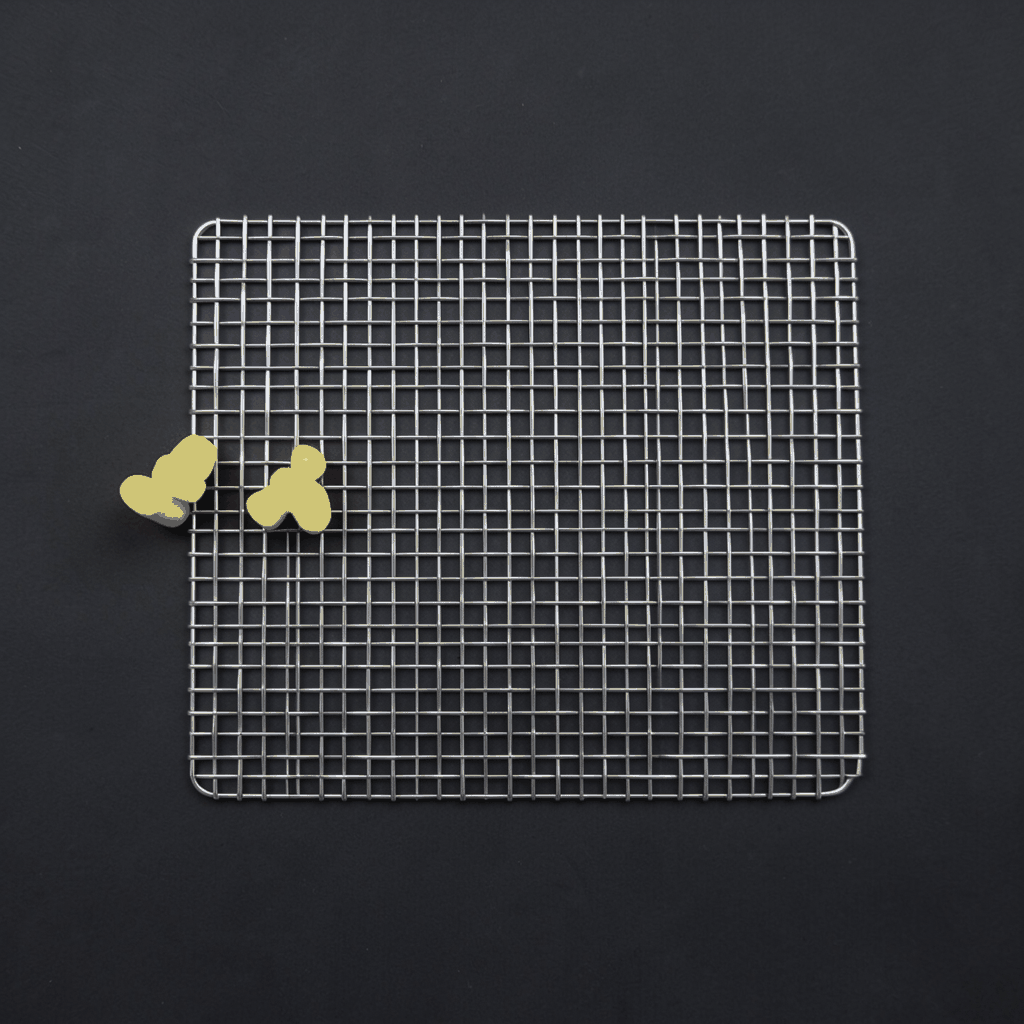
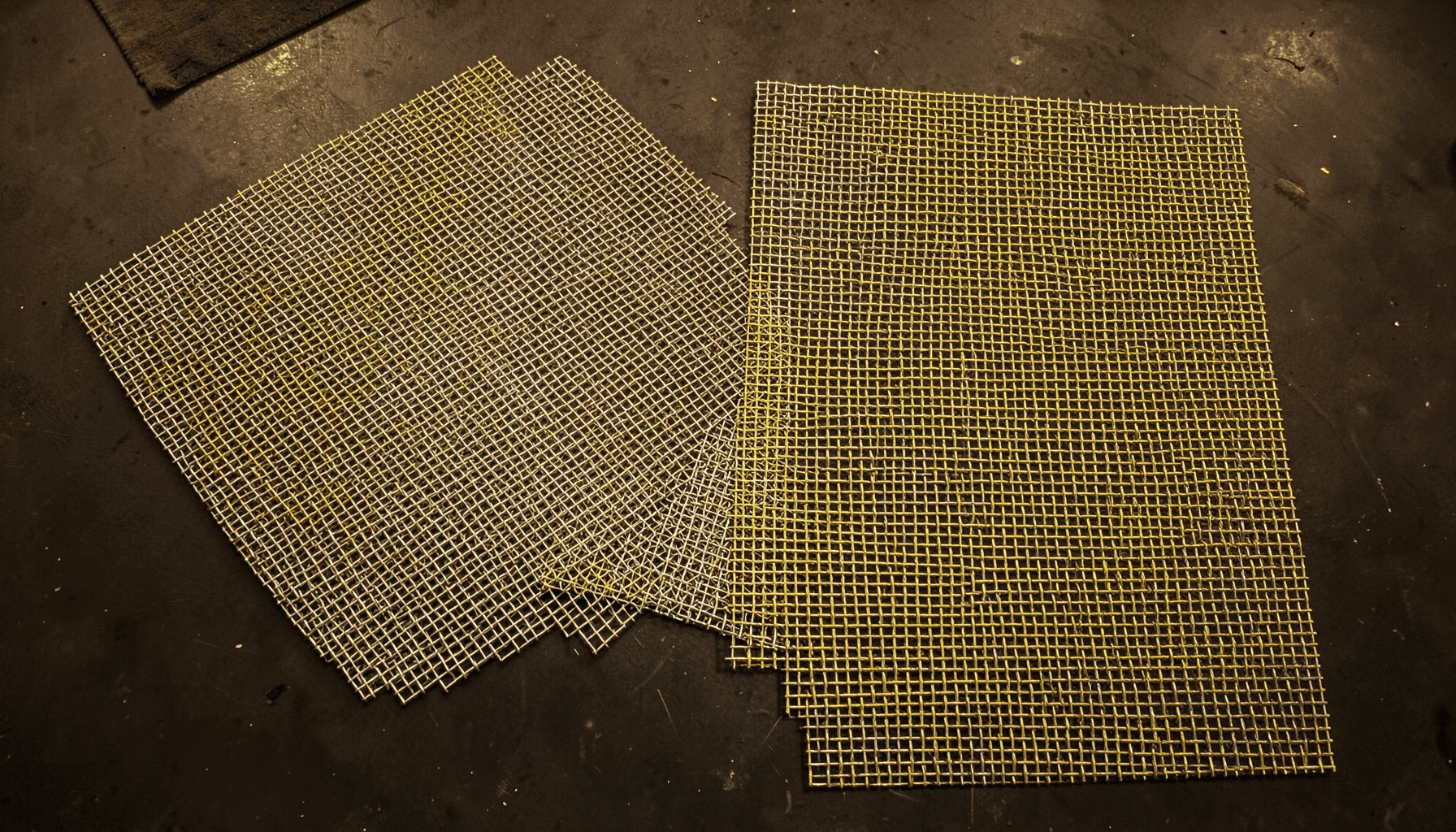
Three common constructions cover most needs: woven wire cloth in stainless or galvanised steel for fine screening, expanded metal sheet for stiffer panels with good open area, and perforated plate in aluminium or stainless for architectural louvres where appearance matters as much as function.
Choosing the right material for Australian operating conditions
Material choice has a bigger impact on service life than almost any other specification. Stainless steel grade 304 suits most general industrial environments, offering solid corrosion resistance at a sensible cost. Grade 316 contains molybdenum, which lifts its resistance to chlorides and makes it the default selection for coastal facilities and chemical plants. For milder conditions, powder-coated aluminium performs well and is lighter to handle on tall installations, though it can pit in highly saline environments such as boatyards and refineries.
Coastal Australia is unforgiving. Stainless fasteners and frames last far longer than zinc-plated alternatives within a few kilometres of the surf at Coffs Harbour, the Mornington Peninsula or Geraldton. In heavy industry near Port Kembla or Gladstone, the air carries salt plus industrial pollutants, and 316 stainless or even higher nickel alloys earn their premium. Where bushfire attack level considerations apply, mesh fabricated from non-combustible metals helps satisfy screening requirements in BAL-12.5 to BAL-40 zones, and in BAL-FZ flame-zone areas solid metal screens are typically specified over any polymer-based alternative.
Heat tolerance matters too. Shed roofs in inland Queensland and the Sunraysia region regularly see surface temperatures above seventy degrees Celsius, and any covering must retain its mechanical properties without sagging. Stainless steel and aluminium both cope, while PVC-coated products can fail prematurely under sustained UV and heat exposure.
Performance specifications that matter on fan and louver covers
A mesh cover sits in the airstream, so it must be engineered to keep performance loss to a minimum. Open area ratio is the key figure: a typical specification might require forty to sixty percent free area, balancing debris protection against airflow restriction. Aperture size is set by what the screen must exclude, whether that is a six-millimetre gap to block insects and vermin or a smaller opening to keep lint out of a textile exhaust.
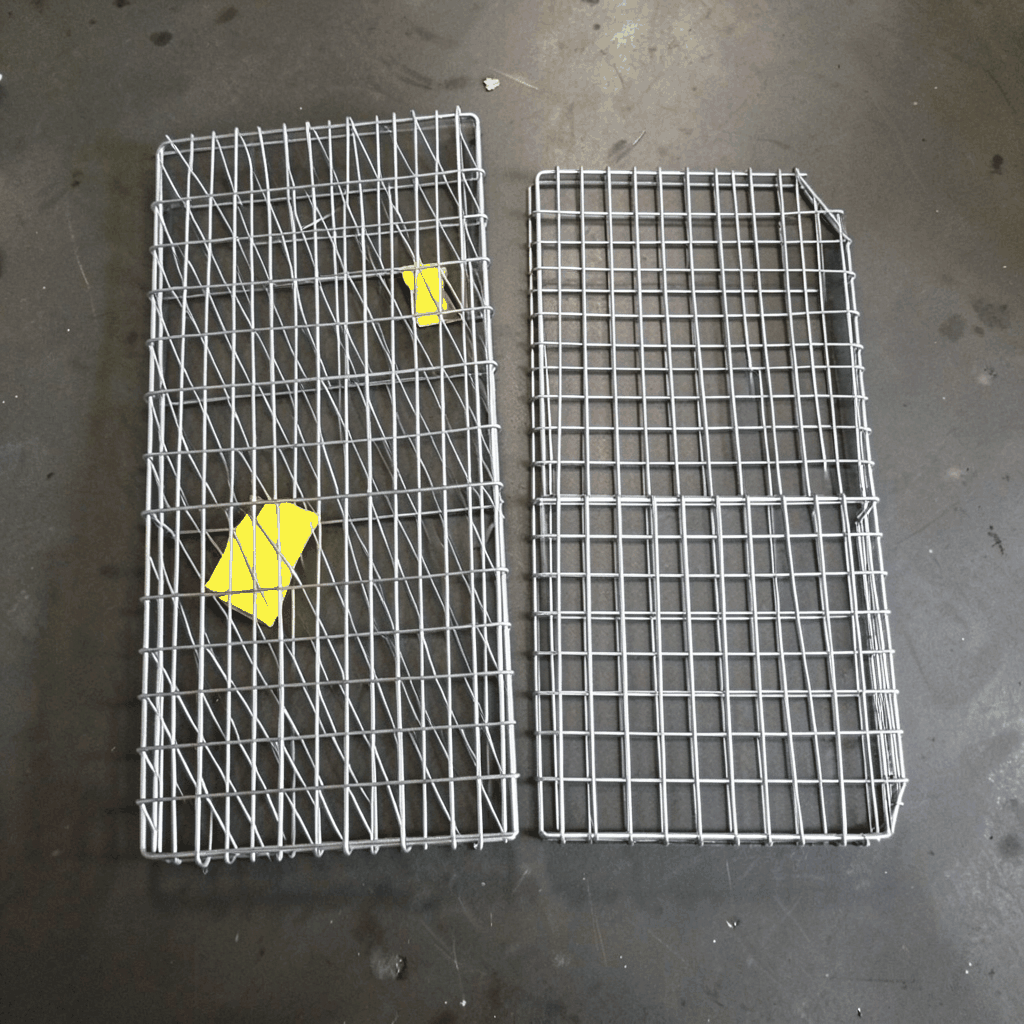
Frame design is equally important. A simple flat panel screwed into a louvre frame is the cheapest option, but a hinged or quick-release cover makes routine cleaning practical. For larger fans, the cover may be split into panels to limit the weight any technician needs to lift from a ladder or scissor lift. Edges should be hemmed or welded to remove sharp burrs, and fixings should be stainless to avoid the bimetallic corrosion that ruins galvanised fasteners when paired with aluminium frames.
Surface finish depends on the setting. A plain mill finish works on a hidden rooftop installation. A powder-coated cover in a corporate colour may be required where the screen is visible on a façade or entry louvre. Anodised aluminium holds colour well outdoors, while PVDF coatings resist chalking under the strong UV typical of Australian summers.
Design flexibility for retrofits and new industrial builds
Every industrial site is different, and off-the-shelf covers rarely fit perfectly. Custom manufacture lets engineers match the cover exactly to the louvre profile, fan cowl or wall opening, including unusual shapes such as circular spigots, modular weather hoods and angled intake banks. Drawings can be produced from a site survey or from architectural plans, with prototypes available when geometry is unusual.
Custom work also extends to industry-specific needs. Food and beverage plants in Melbourne's outer west require hygienic designs with smooth welds that wipe down easily and minimise harbourage for bacteria. Mining ventilation in the Pilbara often demands heavier-gauge mesh that resists impact from falling rocks and tools. Agricultural sheds processing grain or seed need fine apertures that exclude weevils and dust, while cattle and poultry operations benefit from corrosion-resistant aluminium in ammonia-rich atmospheres.
When a project is architectural as well as functional, mesh can be supplied with decorative perforation patterns, custom logos or laser-cut motifs that turn a louvre cover into a design feature. This dual role of protective screen and visual element is increasingly common on commercial facades and car park ventilation shafts.
Cleaning, maintenance, and long service life
A mesh guard is a maintenance tool, not a maintenance problem. Without one, fans and coils need internal cleaning several times a year. With one, the cover itself takes most of the dirt and can usually be cleared with a soft brush, a hose or low-pressure wash. Specifiers should plan for simple removal, either by lift-off clips, swing bolts or hinges, so the cleaning task does not require a full shutdown.
Inspection intervals depend on environment. A factory near a busy road may build up black grime on windward faces within twelve months, while a clean rural shed could run for several years before needing attention. Setting a calendar reminder tied to other maintenance rounds is the simplest way to keep covers clear.
In the harshest Australian conditions, even stainless mesh benefits from an annual freshwater rinse to wash away salt or chemical residues. Where covers are part of a planned shutdown cycle, replacement panels can be held in stores so a damaged unit is swapped out quickly rather than left until parts arrive. This approach keeps ventilation systems operating at design airflow and avoids the cumulative cost of underperforming fans.
Meeting Australian standards and on-site compliance
Specification must align with the National Construction Code and the relevant Australian Standards. AS 1668 covers mechanical ventilation and air conditioning in buildings, including provisions for fire and smoke control that influence louvre placement and screening. AS/NZS 1530 sets methods for fire testing building materials, useful when specifying covers in fire-rated walls. State workplace health and safety acts, including the model WHS laws adopted across most jurisdictions, place duties on operators to keep plant safe and guarded, which extends to openings large enough for debris or pests to compromise exhaust systems.
Bushfire considerations are critical in many Australian sites. Properties in bushfire-prone areas of the Adelaide Hills, the Blue Mountains west of Sydney, the Perth Hills and parts of the Mornington Peninsula fall within designated BAL zones. Non-combustible mesh with appropriate aperture size contributes to ember protection when selected as part of a broader bushfire strategy, and suppliers should be able to provide documentation to support assessment under AS 3959.
Procurement teams should request material certificates, weld procedure records and, where relevant, fire test reports. Reputable manufacturers will trace raw material back to the mill and supply documentation that satisfies project specifiers and building surveyors.
Working with a custom mesh manufacturer
Sourcing custom mesh guards works best when the supplier receives a clear brief. Dimensions, preferred material, aperture size, open area target, fixing method, finish and any relevant standards should all be set out in a simple enquiry. Drawings or photographs of the existing opening help the fabricator anticipate tolerances and propose practical solutions.
For buyers in Australia working with overseas production, sample evaluation before bulk manufacture is well worth the modest cost. A single prototype reveals finishing quality, weld integrity and flatness. Once approved, a production run can be scheduled with confidence, and a third-party inspection on shipment protects against the occasional quality drift that affects any high-volume manufacturing process.
Total cost of ownership often favours a slightly dearer, better-built cover. A cover that lasts fifteen years with only an annual rinse delivers better value than a cheaper panel that needs replacing after five.
Practical guidance when specifying exhaust mesh guards
- Specify material grade by environment: 304 stainless for general use, 316 stainless within five kilometres of coast or in chemical exposure.
- Set open area above forty percent where airflow is critical, and document the trade-off against debris exclusion.
- Use stainless or compatible fasteners to avoid galvanic corrosion between cover and frame.
- Design for cleaning access: hinged, lift-off or split panels save hours over the life of an installation.
- Request documentation on material grade, weld procedure and any fire-related testing before placing the order.
Engineers, facility managers and procurement officers looking for tailored mesh covers for industrial exhaust fans and louvres can share drawings, photos or sample requirements directly with the Shuo Ke team to receive a quotation, technical recommendation and lead-time estimate suited to Australian site conditions and standards.