Winter-ready mesh covers for outdoor furniture
Outdoor furniture can deteriorate faster in storage than in regular use when cushions hold damp, leaves trap moisture against a tabletop, and a poorly fitted cover creates condensation on metal frames. In Australia, the storage calendar varies: Melbourne, Adelaide, Hobart and alpine towns have a distinct winter season, while households in Sydney and Brisbane may store furniture for shorter periods or keep it under cover year-round. A winter storage mesh cover provides a ventilated barrier against dust, grime, insects, scratches and contact stains without sealing moisture into the furniture.
Properly fitted mesh covers are especially effective for protecting outdoor furniture in winter storage, providing a practical alternative to heavy plastic sheeting. The useful question is not whether mesh blocks every raindrop, but whether it protects the item while allowing damp air to escape. A fine, tensioned cover can reduce debris and abrasion in a garage, under eaves or on a sheltered patio; it is less suitable as the sole weather shield for an exposed table. Material grade, weave density, edge reinforcement and fastening all influence service life. Shuo Ke Wire Mesh Product Technology Co., Ltd. offers the custom metal mesh processing expertise to develop covers suited to these practical requirements.
Why mesh covers suit winter storage
Unlike heavy plastic sheeting or a close-fitting tarpaulin, breathable mesh lets airflow continue around cushions, timber joints and steel tubing. That matters after dew, drizzle or a humid night, when trapped water can encourage mildew, loosen adhesives and leave permanent marks. Fine woven mesh can also reduce contact from leaves, grit, insects and bird droppings on surfaces that are difficult to clean.
A see-through cover has another advantage: the furniture remains visually present and the storage area stays brighter, which is useful in a crowded garage or compact apartment balcony. It also dries faster after occasional rain. The mesh should sit above—not rub against—the furniture, with enough clearance for air to circulate. This reduces chafing on timber, fabric and powder-coated finishes.
A mesh cover is a debris and contact barrier, not a guaranteed waterproof or stormproof enclosure. Driving rain, hail and strong wind can still reach the furniture or distort a lightly secured cover. In exposed locations, place the covered set beneath a roof or combine the mesh with a suitable waterproof outer layer that can be removed for ventilation.
Choose a material for the climate
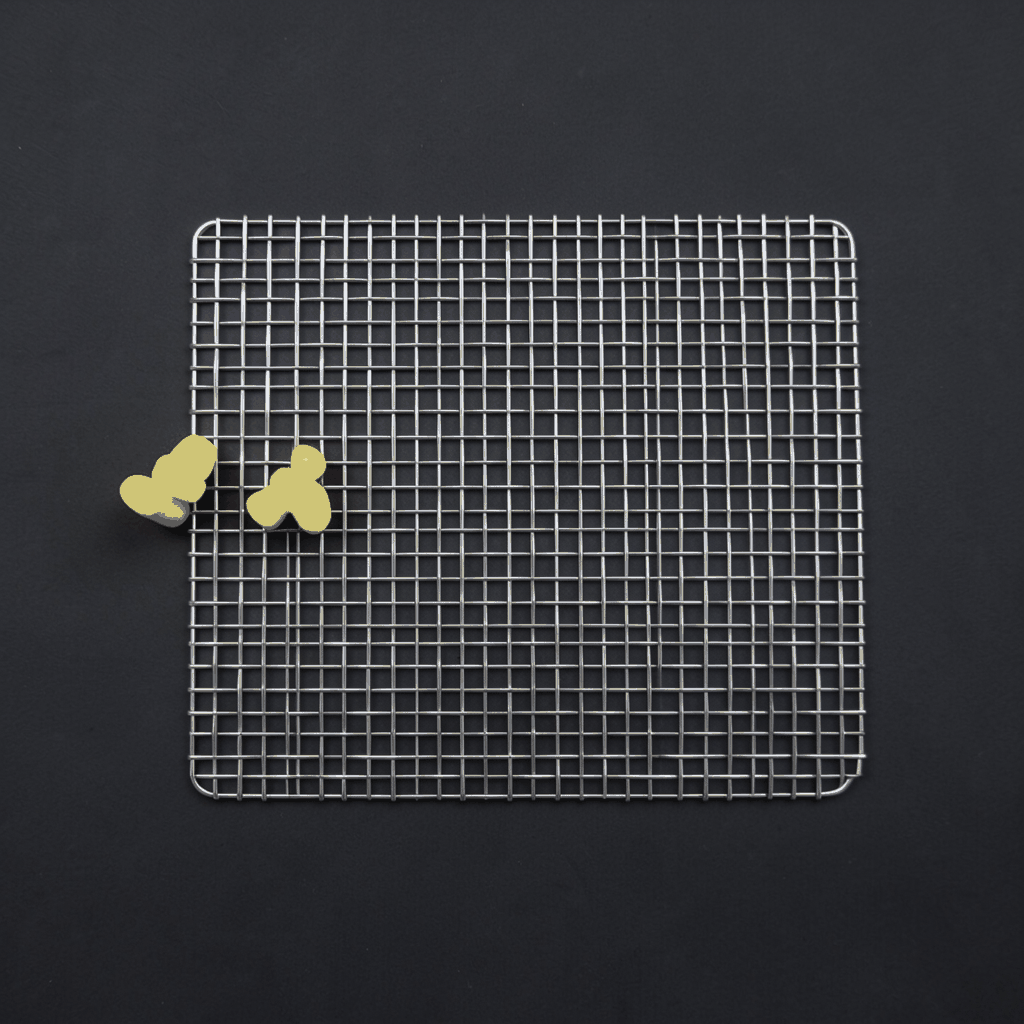
Stainless steel mesh is a strong choice for garages and coastal properties. Grade 304 stainless provides good corrosion resistance for many normal environments; Grade 316 has added chloride resistance and is more appropriate near surf, pools or saline industrial areas. Neither grade should be treated as immune to corrosion, especially if low-grade fasteners are used or salt is left on the surface. Match the grade of mesh, stitching, rivets and clips so one incompatible component does not spoil the rest.
Aluminium mesh is lighter, easy to form and naturally resistant to rust. It is convenient for removable covers that one person must lift regularly, although sharp folds can weaken fine weave and aluminium can corrode when electrically connected to dissimilar metals. Isolated stainless fittings and careful edge handling help. Copper mesh brings a decorative finish and develops a patina, while iron and carbon steel offer strength but need a reliable protective coating.
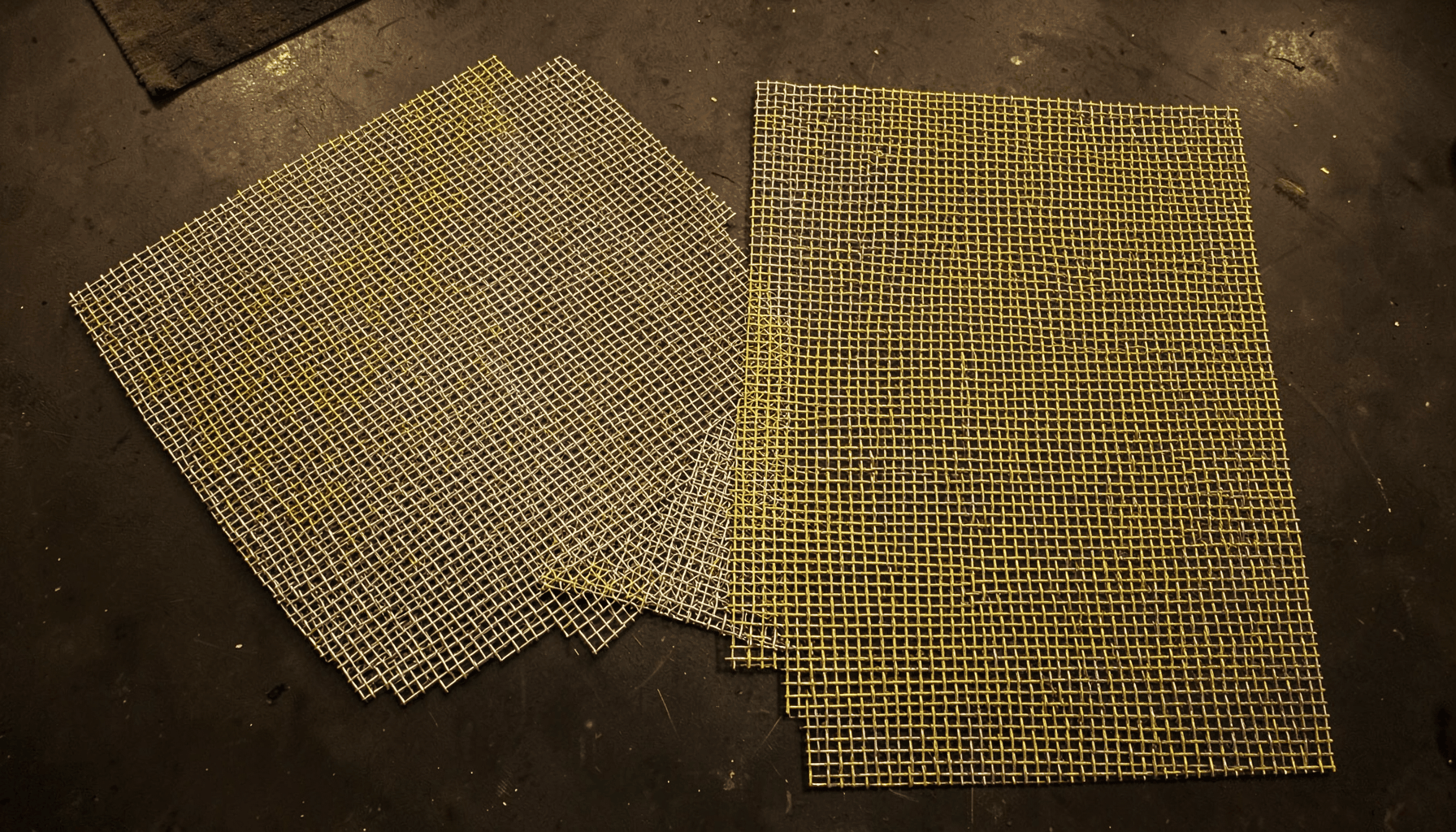
Choose by storage duration and exposure rather than by appearance alone. A light-gauge aluminium mesh may suffice for a few dry weeks under cover; year-round outdoor storage, coastal air or alpine moisture calls for a more robust metal mesh. Finer apertures improve exclusion of grit and small insects but can slow drying, so the mesh count should reflect local humidity. Ask the supplier to define the wire or sheet thickness, aperture size, finish and expected load rather than relying on vague terms such as heavy duty.
Account for Australian weather conditions
Southern Australia provides the clearest winter storage window. Melbourne’s cool, damp and changeable conditions can leave a covered table wet for days, Adelaide often sees frost and overnight condensation, and Hobart can bring persistent moisture and hard frost. Sydney has milder winters, yet coastal humidity and salt-laden air still matter. For these cities, clean and fully dry furniture before covering it, allow space beneath the cover and inspect it after rain rather than leaving a wet item enclosed.
Conditions differ sharply elsewhere. Perth and much of inland Australia receive intense ultraviolet exposure, which degrades many plastic covers and outdoor fabrics. A metal mesh cover avoids UV-driven deterioration of the cover itself, although its open structure will not fully shade the furniture. Northern Queensland and northern New South Wales experience humid summers, monsoon rain and tropical cyclones, so year-round covers need secure perimeter attachment and corrosion-resistant fittings. Ordinary mesh should never be presented as a cyclone debris shield or a substitute for an engineered shelter.
In alpine regions, repeated frost, freeze-thaw cycles and snow load can make an unsupported cover sag or crack. A taut or framed design is more useful than a loose sheet, and furniture should rest off bare ground. If the cover remains outside, check accumulated snow, debris and standing water. Indoors, look for condensation on the first cold night and ventilate the area where practical.
Prepare the storage space and fit
Begin with a dry, stable location. A raised timber or metal rack in a garage is preferable to a concrete slab because it protects legs from splash, dirt and rising damp. Leave access for the furniture and keep the cover clear of heaters, hot-water systems, electrical outlets and shared escape routes. Stacking should follow the manufacturer’s guidance, especially for flat-pack chairs and recliners whose mechanisms can be damaged under uneven loads.
Australian homes and the local outdoor-furniture market reward planning because patios, balconies and garages often combine seating with grills, bikes and garden tools. Measure doorways, roof lines, shelves and the furniture itself before ordering. Modular collections sold through national retailers are commonly taken apart before storage, but some powder-coated frames can still be awkward to turn. A custom-size cover can include access panels or shaped sections instead of forcing every item through one narrow opening.
Apartment and strata properties add another layer. Body corporate by-laws may limit what can be placed on balconies or in common areas, particularly where it blocks access or creates a fire hazard. Properties in bushfire-prone parts of Victoria, New South Wales, South Australia or Western Australia may also be subject to requirements for ember protection. A loose furniture cover is not an ember-protection screen and must not be represented as compliant with AS 3975.
The cover itself should be dimensioned to the stored arrangement. Allow enough clearance for cushions, table leaves and lifting handles, then specify reinforced hems, corner patches and marine-grade tie points. Fasteners should close without pinching mesh or fabric. The Australian Consumer Law requires goods to match their description and be of acceptable quality, so a written specification is valuable for custom orders. Keep that record with the invoice and installation details.
Run a practical protection check
Good preparation takes less effort than restoring damaged furniture later. Use the following checks before the cover goes on and while the set remains in storage.
Before cover-up
- Remove cushions and dry them separately according to their care instructions.
- Clean the furniture and let timber, metal and fabric dry fully.
- Repair loose joints, torn fabric or active rust before storage.
- Record the arrangement, measurements and hardware for reassembly.
During storage
- Check ties, corners and the lowest points after wind or heavy rain.
- Brush away leaves and grit before they work into seams or mesh.
- Keep airflow paths open and rotate stored cushions periodically.
- Inspect for condensation, tears, salt deposits or insect activity.
A stainless or aluminium cover can last for several storage cycles when its hardware is cleaned and the mesh is not left creased. Rinse salt-contaminated surfaces with fresh water, dry them and retighten clips gently. Avoid abrasive cleaners on decorative finishes. For timber furniture, retain the maker’s recommended moisture and ventilation practices; a mesh cover controls the storage environment but cannot correct damp wood that was packed wet.
Order a tailored cover before storage season
Shuo Ke Wire Mesh Product Technology Co., Ltd. is a China-based manufacturer and processor of architectural and industrial metal mesh products. Its range includes decorative mesh curtains and partitions, wall and elevator cladding, laser-cut screens, fences, gates, guardrails, filters, baskets and barbecue mesh. That wider manufacturing base is relevant to a furniture-protection project because the cover can be developed in stainless steel, aluminium, copper, iron or another suitable alloy, with a format that suits both practical protection and visible architectural spaces.
For an Australian buyer, a useful specification includes the furniture dimensions, storage location, exposure level, preferred mesh aperture, fastening method, reinforcement details and delivery timetable. Request material samples or a technical drawing where the project is substantial, and confirm the finish, packing method and shipping terms in writing. Long-lead custom items are best ordered before the southern winter and before the summer wet season in northern Australia.
Send Shuo Ke your dimensions, a site photograph and the conditions the cover must withstand to prepare a tailored quotation and material recommendation.