Mesh Covers for Protecting Ripening Fruit from Insects
Ripening fruit attracts more than customers at an Australian market. Fruit flies, moths, beetles, wasps, birds and possums can all damage a crop shortly before harvest. A mesh cover creates a physical barrier around developing fruit, reducing pest access without relying entirely on repeated chemical treatments.
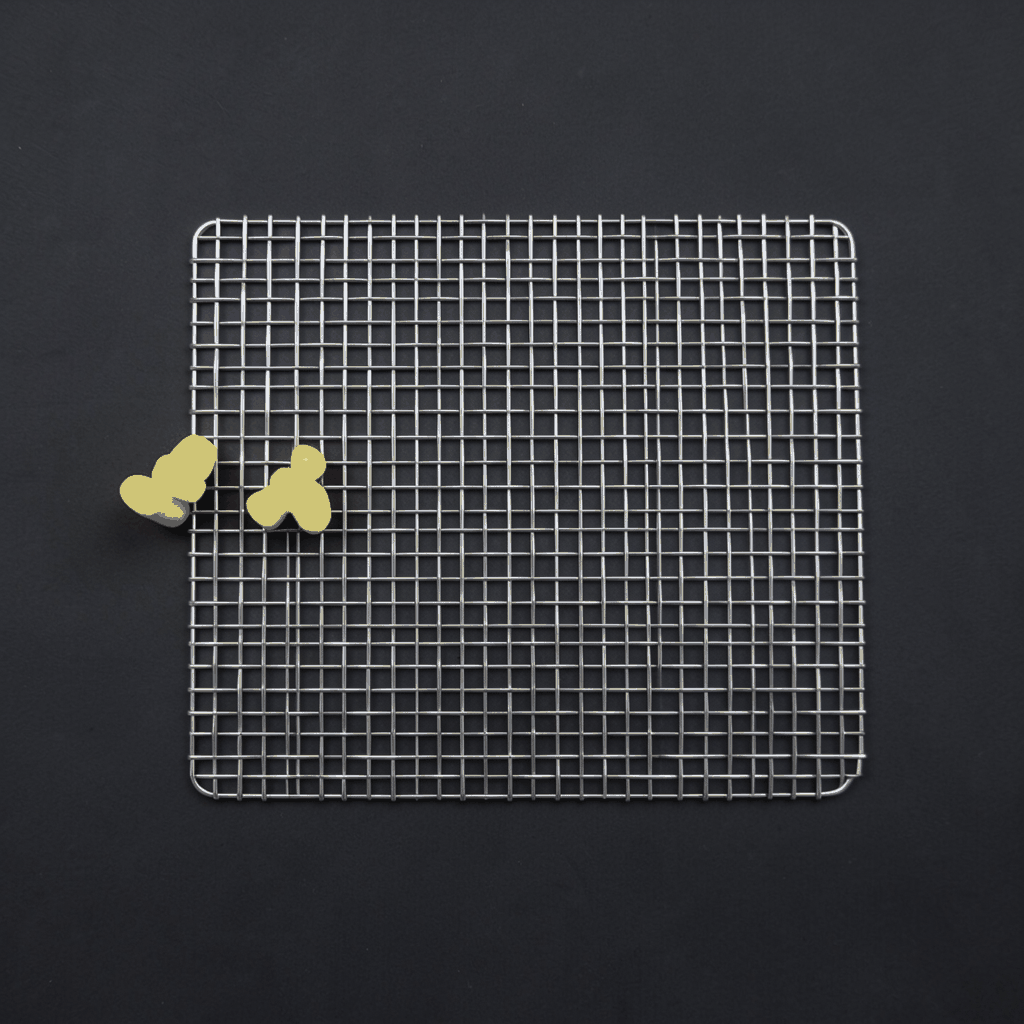
For home growers, community gardens and commercial orchards, the right protective screen can improve fruit quality while making crop management more predictable. Fine insect mesh is useful for trees, berry frames, raised beds and greenhouse openings, while stronger metal mesh can provide a long-lasting structure, support cage or access panel.
Australia’s growing conditions make timing especially important. Warm weather in Brisbane, Sydney and Perth can accelerate both fruit development and insect activity. In Melbourne and Adelaide, sudden changes in temperature, wind and rainfall can also affect flowering, pollination and cover performance.
A practical system should suit the crop, local climate, frame design and required level of protection. It should allow ventilation and sunlight, resist rust, remain secure in wind and avoid creating hazards for native wildlife. The best result comes from treating mesh as part of an integrated fruit protection system rather than as a loose sheet placed over a tree.
How Insect-Exclusion Mesh Protects Fruit
Insect-proof mesh works by reducing the openings through which pests can reach flowers and fruit. Fine woven netting can restrict access by fruit flies, codling moths, citrus leaf miners and other small insects. When fitted before pests become established, it can interrupt feeding and egg-laying around the crop.
A cover also provides a degree of protection from birds, hail and windblown debris. It does not eliminate every risk, since pests may already be inside the enclosure or enter through gaps at ground level. Fruit should be inspected before covering, and the edges need to be closed carefully around trunks, posts, doors and irrigation lines.
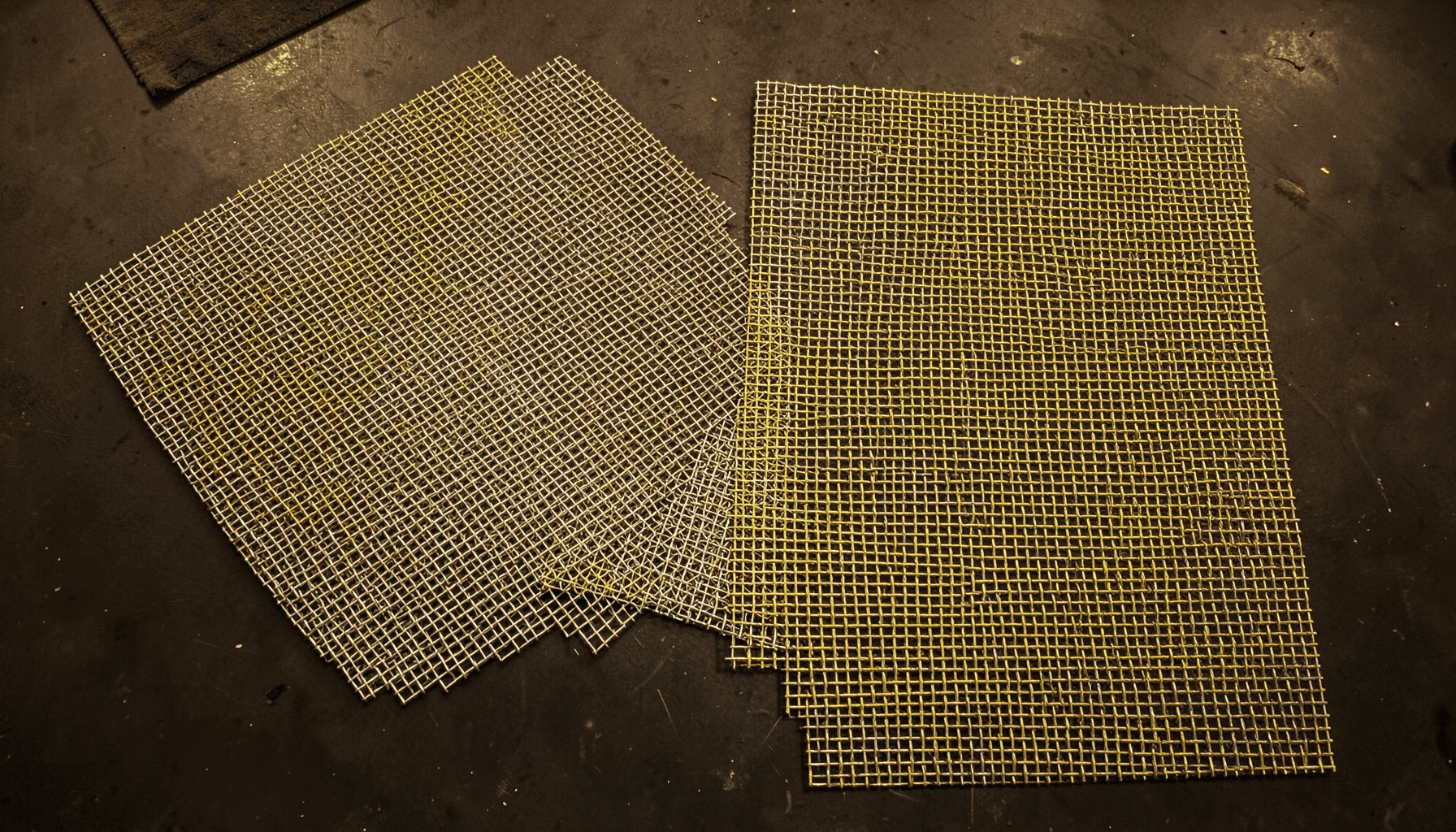
Mesh size should be selected according to the target pest. Very fine insect netting gives stronger exclusion but may reduce airflow and make access more difficult. Larger openings provide better ventilation and visibility but may allow smaller insects through. A supplier can help match aperture size, wire diameter and panel format to the intended use.
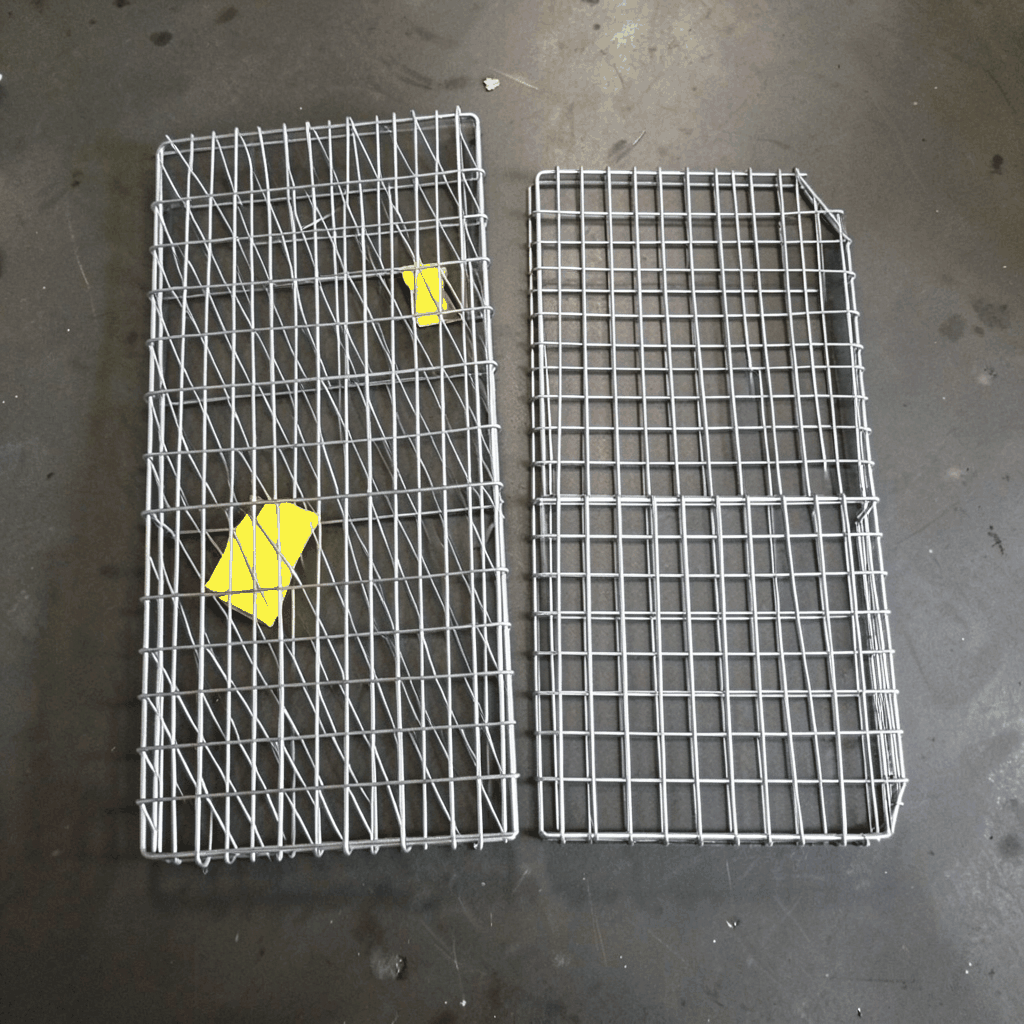
For permanent orchard structures, rigid mesh panels can form doors, vents, screens or protective cages. Flexible netting is more convenient for seasonal covers and small garden frames. A combination of both materials can provide a durable lower structure with removable overhead protection.
Selecting Materials for Australian Conditions
Stainless steel is a strong option where a mesh component must tolerate moisture, regular washing or long-term outdoor use. It is especially suitable for fixed frames, access doors, vents and protective panels in coastal areas such as Newcastle, Wollongong and the Gold Coast. Stainless steel resists corrosion more effectively than untreated mild steel, although salt deposits should still be washed away periodically.
Aluminium offers a lighter alternative for frames, screens and removable sections. Its lower weight can make installation easier around backyard trees, shade houses and lightweight tunnel structures. Aluminium may suit growers who frequently remove covers after harvest or need to open a structure for pollination.
Galvanised or coated steel can be useful where greater rigidity and impact resistance are required. The quality of the coating matters, particularly in humid Queensland conditions or exposed coastal locations. Cut edges, drilled holes and damaged surfaces should be protected so corrosion does not begin beneath the coating.
The mesh itself should be free from sharp burrs, protruding wire ends and rough welds. Smooth edges reduce damage to leaves, fruit and hands during pruning or harvesting. Decorative architectural mesh may be appropriate for visible garden screens or farm shop displays, but agricultural insect exclusion generally requires a carefully specified aperture and a construction suited to continuous outdoor exposure.
Designing Covers for Different Fruit Crops
Berry plants often benefit from tunnel-shaped covers supported by hoops. Strawberries, raspberries, blueberries and grapes need access for picking, so hinged ends, roll-up sides or removable panels can make daily work easier. The cover should sit far enough away from foliage to prevent insects reaching fruit through the mesh and to avoid rubbing during windy weather.
For citrus, stone fruit and pome fruit, a complete tree enclosure may be more practical than a loose canopy. The frame needs enough height for pruning and harvesting, with a skirt or buried edge that prevents insects and small animals from entering below. Doors should overlap the frame and close firmly after each visit.
Netting over flowering plants requires special care. Bees and other pollinators may need access during bloom, depending on the crop and whether pollination is supplied by a managed hive, hand pollination or a self-fertile variety. A cover installed too early can reduce pollination, while a cover installed too late may allow fruit flies or moths to reach the fruit.
In suburban gardens, a modular design is often the most useful. Removable panels can protect a single espalier, raised bed or dwarf tree without turning the whole garden into an enclosed structure. Commercial growers may prefer standardised panels, reinforced corners and wider access openings to reduce labour during inspection and harvest.
Wildlife-Safe Installation Practices
In Australia, protective netting must be designed with native wildlife in mind. Birds, microbats, possums and small reptiles can become trapped in loose or damaged covers. Fine, visible white netting is commonly recommended by wildlife authorities because animals can see it more easily than loose black netting. The cover should be pulled tight, maintained regularly and secured at ground level.
The exact requirements can differ between states and local circumstances. Growers in New South Wales, Victoria, Queensland and Western Australia should check current guidance from the relevant wildlife or environment authority before installing large orchard enclosures. Some native animals are protected, and harming or relocating them may require approval.
Useful installation checks include:
- Keep the mesh taut and repair holes as soon as they appear.
- Use openings smaller than approximately 5 mm where bird-safe exclusion is required.
- Secure edges around trunks, posts and gates to prevent entry.
- Inspect the cover early each morning for trapped wildlife.
A rigid frame can improve safety because it keeps the mesh away from branches and prevents sagging pockets. Doors should close automatically or be easy to check, while low sections should not leave loops where claws or wings can catch. Regular inspections are particularly important after storms, pruning and harvest activity.
Managing Ventilation, Heat and Moisture
A tightly enclosed cover changes the microclimate around fruit. On hot days, fine mesh can slow air movement and increase humidity, especially when foliage is dense. Poor ventilation may encourage fungal diseases, soft fruit and condensation. Adequate side openings, raised vents or breathable mesh can help maintain airflow.
In northern Australia, including Darwin and tropical Queensland, heat and humidity need to be considered from the beginning. A cover that works in a dry Canberra garden may require wider ventilation openings in a tropical orchard. In southern regions, the cover may need to withstand frost, winter rain and strong seasonal winds instead.
Watering systems should be tested after installation. Drip irrigation is often preferable because it delivers water to the root zone without wetting the mesh or fruit. If overhead irrigation is required, the frame must support the additional weight and allow water to pass evenly through the material.
Colour and mesh construction also affect light levels. Excessively dense fabric can shade fruit and delay ripening, while an open structure may fail to exclude small insects. The suitable balance depends on the crop, season and local exposure. A sample section can be tested over part of the planting before a larger order is made.
Combining Mesh with Orchard Hygiene
Physical exclusion works best when combined with sanitation and monitoring. Fallen fruit should be removed promptly because it can support fruit fly breeding and attract wasps, ants and other pests. Overripe fruit should be harvested rather than left beneath the canopy, and pruning should maintain enough space for inspection.
Traps can help identify when adult pests are active, but they should not be treated as a substitute for a sealed cover. Check traps from inside and outside the enclosure, since a sudden increase may indicate a gap, damaged seam or pest already present before installation.
Australian growers also need to follow directions for any pesticide, bait or attractant used near edible crops. Products registered for particular crops and pests should be used according to the label, and the APVMA label directions and withholding periods must be observed. Organic growers should also confirm that materials and pest-control products meet the requirements of their certification program.
A simple maintenance routine keeps the system effective:
- Inspect seams, corners, doors and ground edges each week.
- Remove fallen fruit and plant debris from inside the enclosure.
- Check for condensation, heat stress and signs of fungal disease.
- Wash or brush off dirt when it begins to reduce light or airflow.
Planning Mesh Covers for Long-Term Use
Before ordering, measure the full structure rather than estimating from the tree canopy alone. Include the height of the frame, door clearances, overlap at joins and extra material required for anchoring. A poorly measured cover may leave exposed corners or create tension that damages the mesh.
Fasteners should match the mesh material and the frame. Stainless steel clips, corrosion-resistant screws, edge binding and reinforced hems can extend service life. Where panels are removed each season, labelled sections and replaceable fixings simplify storage and reinstallation.
A manufacturer experienced in customised metal mesh can produce panels, screens, gates and support components to suit unusual dimensions. This is valuable for commercial orchards, public gardens, farm-gate retail areas and properties where appearance matters as much as function. Decorative metalwork can also be incorporated into an entrance or boundary without compromising the practical purpose of the enclosure.
The initial cost should be assessed against crop value, labour savings and expected service life. A reusable frame with replaceable netting may suit a small grower, while a welded stainless steel or aluminium assembly may be more economical for a permanent commercial installation. Clear drawings, material specifications and aperture details help prevent unsuitable substitutions.
Working With a Custom Mesh Manufacturer
A project brief should state the crop, target pests, installation location, climate exposure and whether the cover will be seasonal or permanent. Include dimensions, access requirements, preferred material, frame type and any need for doors, vents, hinges or removable sections. Photographs and sketches can make the intended arrangement easier to understand.
For Australian projects, shipping and packaging should also be considered. Large rigid panels need protection from bending during transport, while folded or rolled material must be unpacked without creating creases or sharp distortions. Local installation teams may need hole positions, panel weights and fixing details before work begins.
Shuo Ke Wire Mesh Product Technology Co., Ltd. produces and processes metal mesh for architectural, industrial and customised applications. Its experience with stainless steel, aluminium, copper, iron and alloy products supports the development of practical mesh components for protective frames, screens, gates and enclosure systems.
A well-specified mesh cover can protect ripening fruit, improve harvesting conditions and support a cleaner approach to pest management. Share your crop type, measurements, climate conditions and required protection level with Shuo Ke to develop a durable mesh solution suited to your Australian growing environment.