Mesh enclosures for quieter, safer generator installations
Generators provide essential backup power for homes, businesses, construction sites, hospitals and public facilities across Australia. Yet the engine, exhaust system, cooling fan and vibration can create a persistent low-frequency hum that travels through nearby walls and open spaces. A carefully designed enclosure helps control this disturbance while keeping the equipment accessible for servicing and protected from impact, weather and unauthorised access.
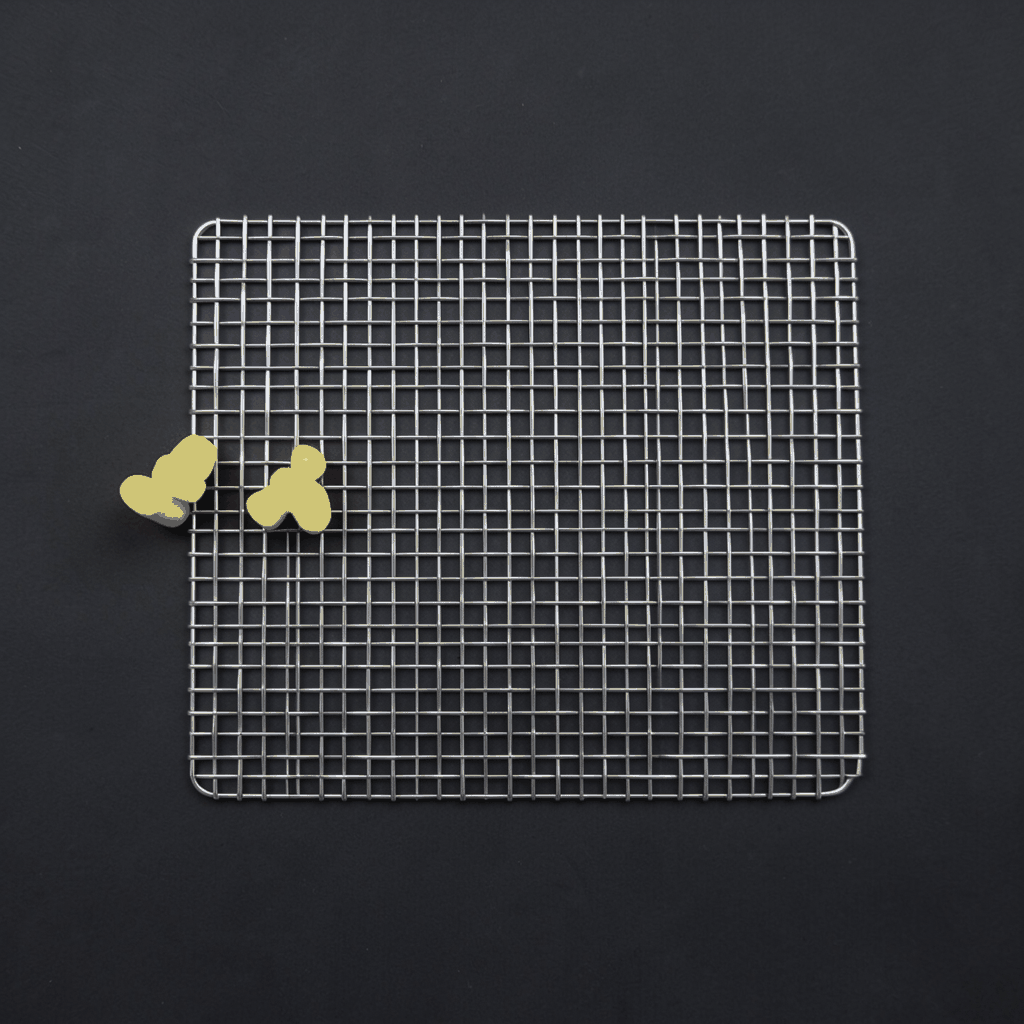
Metal mesh has an important role in this type of installation. It can form a strong outer cage, support acoustic lining, maintain ventilation and complement the appearance of commercial or architectural environments. The most effective solution combines mesh engineering with sound-absorbing materials, airflow planning and compliance with local requirements.
How generator noise travels through an enclosure
Generator sound reaches surrounding areas through several paths. Airborne noise comes directly from the engine and exhaust, while structure-borne vibration transfers through the base, frame and surrounding surfaces. Cooling fans can produce a high, rushing sound, and poorly designed openings may allow noise to escape in a concentrated direction.
A mesh enclosure by itself is usually a security and ventilation barrier rather than a complete acoustic wall. Open wire mesh has little ability to block low-frequency engine noise. It becomes more useful when paired with solid or perforated panels, mineral wool or other rated acoustic infill, and an absorbent internal lining. The mesh then protects the lining and creates a durable outer surface without sealing the generator into an unsafe compartment.
The position of the generator also affects the result. Locating it away from bedroom windows, neighbouring boundaries and reflective masonry walls can reduce perceived noise. In a Sydney townhouse development or a Melbourne commercial laneway, even a moderate reduction may make a meaningful difference because sound can bounce between hard surfaces and remain audible after dark.
Ventilation must come before noise reduction
A generator enclosure needs a constant supply of cool air and a reliable route for hot air to leave. Restricting airflow in the pursuit of a quieter installation can cause overheating, reduced engine performance and premature component failure. The design should account for the manufacturer’s required air volume, radiator discharge, exhaust routing and access to emergency shut-offs.
Large ventilation openings can be fitted with acoustic louvres or baffled pathways. These allow air to move while interrupting a direct line of sight for sound. Expanded metal, perforated sheet and welded wire mesh may be selected according to the opening size, strength requirement and desired appearance. A finer mesh can help prevent birds, rodents and debris from entering, but it must not become clogged with dust or reduce the free-air area below the equipment specification.
In Brisbane and other humid parts of Queensland, airflow planning also needs to account for moisture and condensation. Drainage, corrosion-resistant finishes and removable access panels help prevent a quiet enclosure from becoming a damp maintenance problem. The generator room should never rely on mesh alone to manage exhaust gases; exhaust components require suitable clearances, heat protection and safe discharge above or away from occupied areas.
Choosing metal mesh for acoustic protection
Material selection depends on exposure, security, weight and visual requirements. Stainless steel mesh offers strong resistance to corrosion and is suitable for coastal locations such as Perth, Adelaide’s exposed suburbs and seaside developments around Sydney. Aluminium is lighter and can be powder coated in a wide range of colours, which is useful when the enclosure must blend with a façade or rooftop plant area.
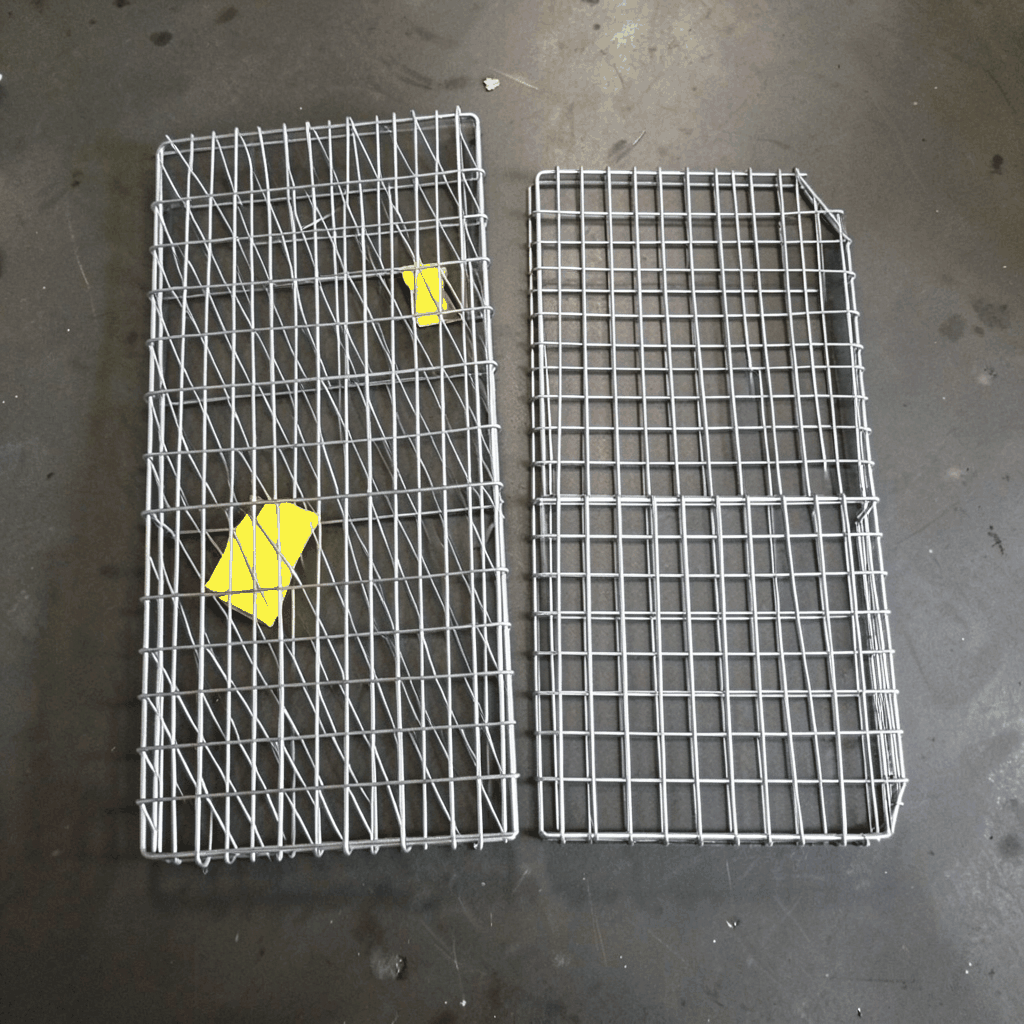
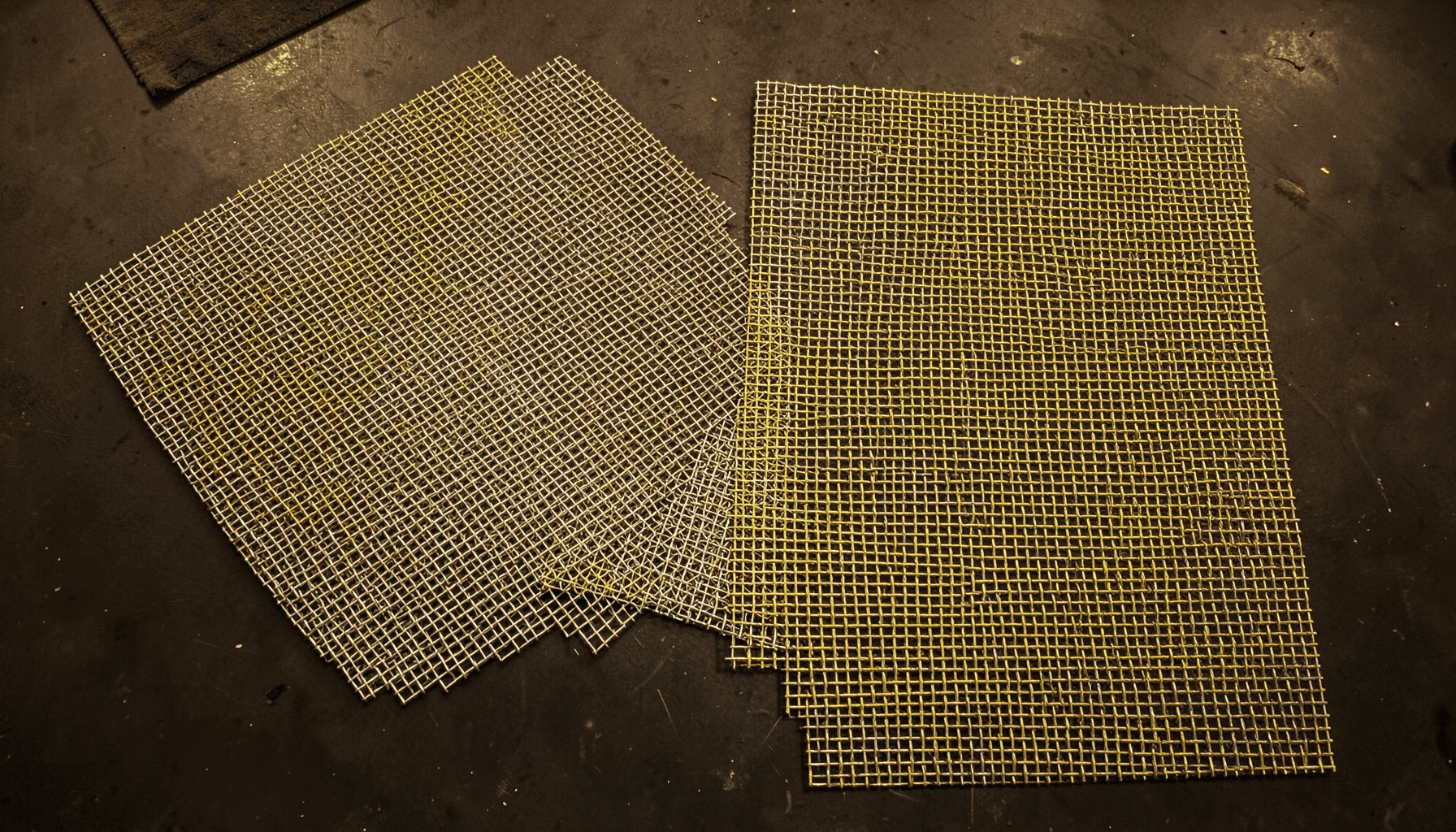
Mild steel can provide economical strength for industrial yards, workshops and temporary sites when it receives a suitable galvanised or painted finish. Copper may be chosen for decorative architectural details, although it is less common for large protective cages and needs consideration of cost, patina and contact with other metals. Welded mesh, woven wire mesh, expanded metal and perforated panels each offer different levels of rigidity, visibility and open area.
For a custom fabrication project, a specialist architectural mesh manufacturer can help match the panel type, opening ratio, finish and frame construction to the generator’s operating environment. The mesh should be sufficiently rigid to resist tampering and vibration, while its fixings should avoid rattling, sharp edges and galvanic contact between incompatible metals.
Combining mesh with acoustic barriers
Effective sound attenuation generally uses several layers rather than one material. A practical arrangement may include a rigid steel or aluminium frame, an outer mesh guard, acoustic panels behind selected sections, and a non-combustible sound-absorbing layer facing the generator. The inner lining reduces reflected noise, while the outer structure protects it from weather, tools and accidental impact.
The enclosure should avoid large untreated gaps around doors, cable entries and service penetrations. These openings can become sound leaks even when the main panels are well engineered. Doors may use overlapping seals and robust hinges, while removable roof or side panels can provide access for filters, batteries, belts and control equipment without requiring the entire cage to be dismantled.
Low-frequency noise is more difficult to control than high-frequency fan noise. Heavy barriers, vibration isolation mounts and flexible connections often matter more than adding thin decorative lining. A concrete plinth with resilient mounts can reduce vibration entering the building structure, while flexible exhaust sections and properly supported pipework help prevent metallic buzzing through the enclosure.
Planning for Australian sites and approvals
Noise rules vary between Australian states, territories and local councils. Requirements may depend on zoning, time of day, land use and the relationship between the generator and nearby residences. A generator serving a warehouse in Western Australia may face different operating conditions from one installed beside apartments in inner-city Melbourne. Early consultation with the relevant council, acoustic consultant and electrical contractor helps identify measurable noise limits before fabrication begins.
Mining, agricultural and remote sites also bring special demands. In regional New South Wales or Queensland, an enclosure may need to withstand dust, intense sunlight, large temperature changes and transport between locations. On a coastal site, salt-laden air can quickly expose weak coatings and unprotected fasteners. Galvanised steel, stainless steel fixings and a durable powder-coated or marine-grade finish can extend service life when specified appropriately.
Australian installation practice also places strong emphasis on safe access, electrical protection, fire separation and clear maintenance zones. The enclosure should not obstruct emergency isolation, fuel filling, battery inspection or fire response. Bushfire-prone areas may require additional consideration of combustible materials, vegetation clearance and ember exposure. These details should be resolved with qualified local professionals rather than treated as an afterthought.
Security, appearance and everyday maintenance
A generator enclosure often sits in a visible location, so appearance can be as important as performance. A clean rectangular frame with consistently spaced mesh, concealed or tamper-resistant fixings and a coordinated powder-coat colour can make plant equipment look intentional. Laser-cut screens or decorative perforated panels may be used on selected faces where branding or architectural integration is required, provided ventilation remains adequate.
Security features can include lockable doors, anti-climb mesh, reinforced corners and internal hinges. The correct level depends on the site: a fenced municipal facility may need stronger anti-vandal construction than a secured commercial rooftop. In public areas, the enclosure should prevent contact with hot surfaces, moving parts and electrical components while keeping inspection points easy for authorised personnel to reach.
Maintenance begins with keeping ventilation openings clear. Dust, leaves and insect nests can reduce cooling efficiency and increase fan noise. Coatings should be inspected for chips and corrosion, especially around welded joints, door bottoms and drainage points. In salt-exposed areas, periodic freshwater washing and prompt replacement of damaged fasteners can prevent small defects from spreading across the frame.
Designing a durable custom enclosure
The best design starts with a site survey and a clear equipment schedule. Important information includes generator dimensions, radiator position, exhaust height, fuel system, control-panel location, operating hours, service clearances and expected sound levels. Photographs and measurements of nearby buildings, boundaries and access routes also help the fabricator avoid conflicts during installation.
A modular design can simplify transport and future replacement. Separate roof, wall and door panels are easier to move through narrow accessways and can be removed for major repairs. For large units, lifting points and panel weights should be considered from the beginning. A well-designed frame can accommodate acoustic boards, cable trays, louvres and lighting without requiring improvised site modifications.
For venues, commercial properties and public-facing projects, metal mesh can provide a balance between practical engineering and decorative design. Event spaces sometimes use coordinated screens, partitions and protective barriers to conceal equipment while retaining a polished visual character; specialist event design services can also provide useful inspiration for integrating functional structures into hospitality or public settings. The generator enclosure itself should remain engineered for heat, access and service life rather than treated as a purely decorative feature.
A written specification should identify the metal grade, wire or panel thickness, aperture, frame profile, coating system, acoustic treatment, access arrangement and expected maintenance schedule. It should also state who is responsible for final noise testing and approval. This level of detail reduces misunderstandings between the generator supplier, acoustic consultant, metal fabricator and installation team.
A well-planned enclosure can make backup power more acceptable in residential, commercial and industrial settings throughout Australia. Combining ventilation, vibration control, acoustic barriers and durable mesh creates a solution that protects the generator without creating a new hazard or an unattractive obstruction. Contact Shuo Ke Wire Mesh Product Technology Co., Ltd. to discuss custom mesh panels, frames, screens and protective structures suited to the generator, site conditions and architectural requirements.