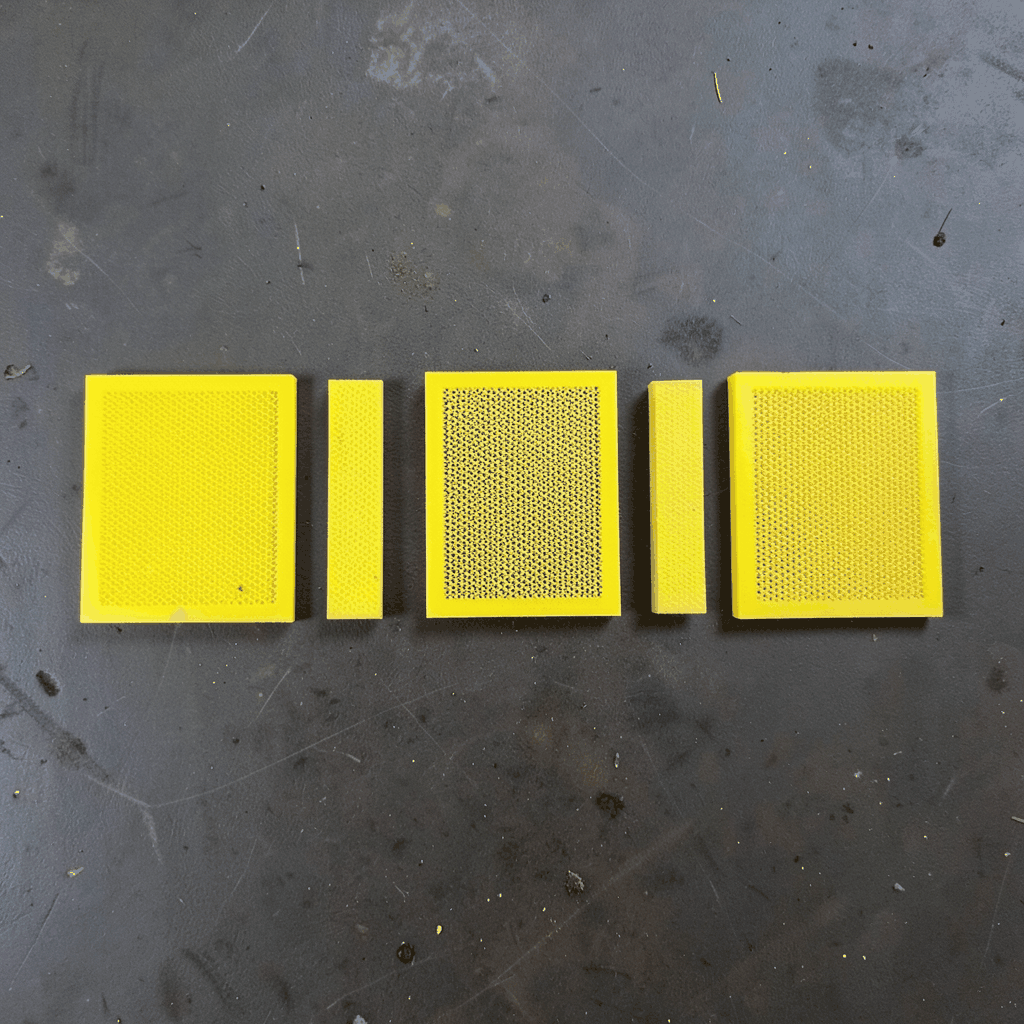
Mesh Enclosures for Wind Turbine Maintenance Platforms
Australia's wind sector continues to scale up, with the Clean Energy Council reporting record new connections across Victoria, South Australia and Queensland. Macarthur, Snowtown, Coopers Gap and the growing arrays around Portland and Warrnambool now dot a coastline where operators regularly schedule service work at one hundred metres or more above the ground. Maintenance teams depend on stable platforms inside the nacelle and around the yaw system, and increasingly they want those platforms wrapped or guarded by protective mesh. Enclosures keep tools from falling, prevent dropped fasteners from reaching rotating components, and stop debris from being blown off the tower during a southerly buster or a sudden desert gust.
The same enclosures double as a barrier for technicians working on hydraulic lines, pitch motors and generator bearings. A well-designed mesh cage lets light, ventilation and radio signals pass while keeping hands, harnesses and loose items contained. For Australian operators balancing tight service windows with strict safety duties under the national Work Health and Safety Regulations, specifying the right enclosure material and geometry has become as important as selecting the turbine itself.
Engineering demands on turbine service enclosures
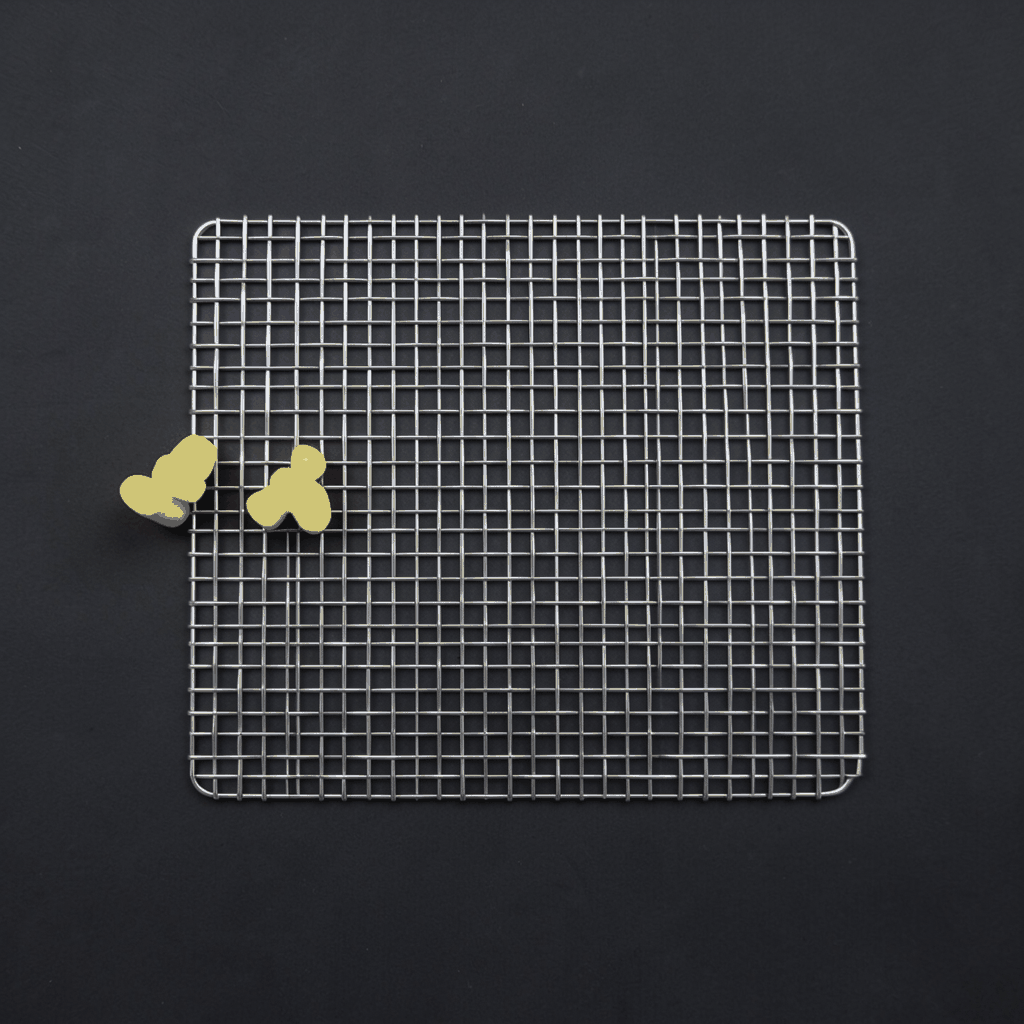
A wind turbine maintenance platform sits at the top of a tower that sways, vibrates and twists throughout every operating cycle. Any enclosure fitted to that platform must tolerate constant fatigue loading without cracking or working loose. Engineers typically specify welded stainless steel or aluminium mesh with apertures sized between twelve and twenty-five millimetres, balancing the need to catch a dropped spanner with the need to avoid trapping wind that would add drag to the structure.
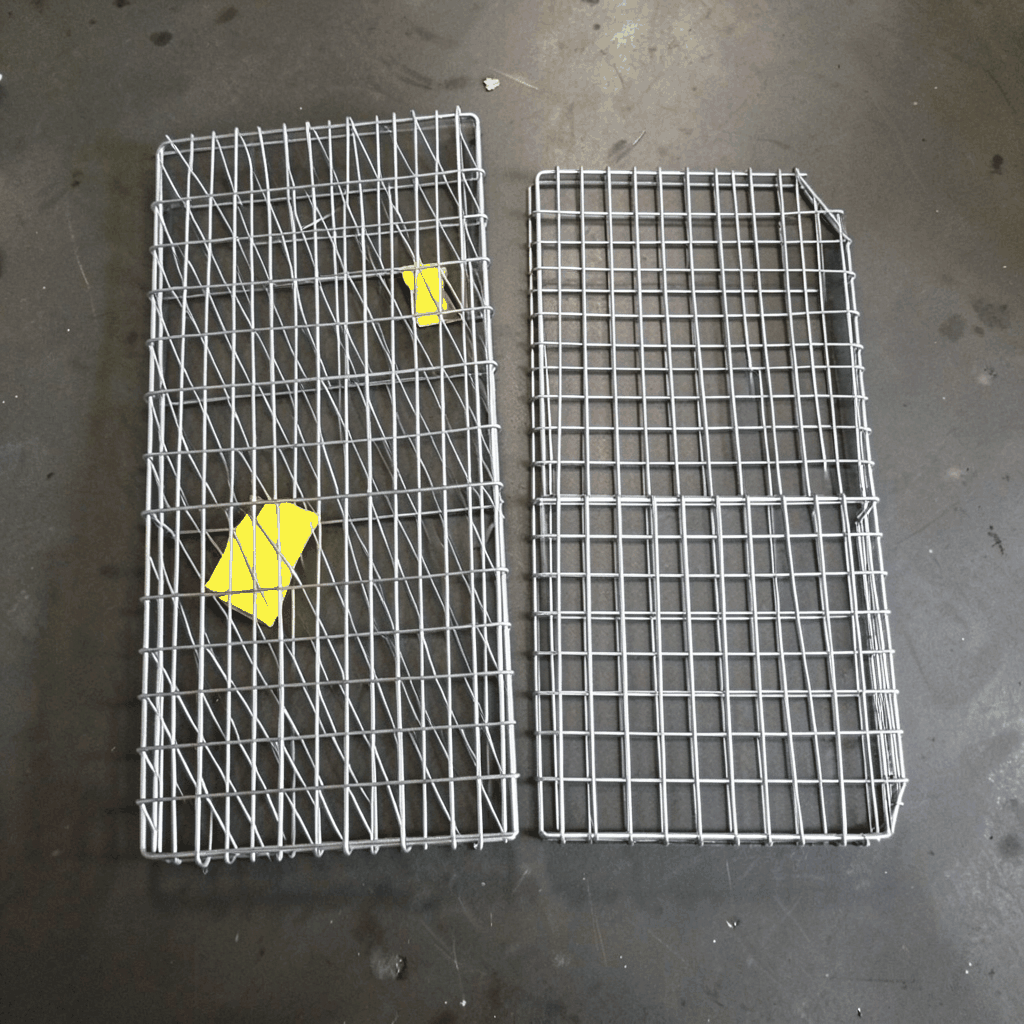
The geometry has to account for access hatches, ladder openings, davit arms and the curvature of the internal platform. Rather than flat panels, fabricators often deliver modular sections that bolt together on site, allowing technicians to remove individual panels when they need to swing a gearbox component out through the nacelle roof. This modularity also means a single damaged panel after a hailstorm can be swapped out in a fraction of the time it would take to rebuild an entire cage.
Material choices for harsh Australian conditions
Coastal arrays around the Bass Strait and the Southern Ocean face salt spray that punishes mild steel within a single season. Most Australian operators now request marine-grade 316 stainless or anodised aluminium for their platform enclosures, particularly for sites within one kilometre of the surf line. Inland sites near Broken Hill or the Pilbara face a different problem: windblown red dust that combines with overnight condensation to form a mildly corrosive paste on every horizontal surface.
Material selection should also reflect bushfire risk. In New South Wales and Victoria, turbines have been deliberately shut down during code-red days, and enclosures near the nacelle are sometimes upgraded with intumescent coatings or replaced with heavier-gauge galvanised mesh that resists ember attack. The shift toward larger rotors in the five to eight megawatt range also raises the stakes, because the platforms supporting them sit higher and are harder to evacuate quickly if a fire sweeps across the ridge.
Compliance, fall protection and rated loads
Every mesh enclosure on an Australian turbine platform must align with the national fall protection code, AS/NZS 1891, and with the wind industry's own best-practice guidelines published through the Clean Energy Council. Panels positioned within two metres of an unprotected edge are often required to resist a point load equivalent to a one-hundred-kilogram worker stumbling into the barrier. That translates into welded frames with kick plates at the base and a continuous top rail.
Documentation matters. Most wind farm owners, whether operating in South Australia or Tasmania, will ask for a compliance package that includes material certificates, weld procedure records, and third-party load testing. Mesh enclosures are typically tested as a system rather than as individual panels, which is why suppliers capable of fabricating and certifying a complete platform cage tend to win repeat orders from operators who would rather not chase paperwork across multiple subcontractors.
Custom fabrication and modular assembly
No two service platforms are identical, which is why off-the-shelf mesh rarely fits. A fabricator working from accurate laser scans of the nacelle interior can produce panels that follow the curvature of the tower wall, wrap around cable trays, and clear the yaw motor without leaving gaps. The same supplier can then punch mounting holes to match existing studs on the platform, reducing drilling work at height.
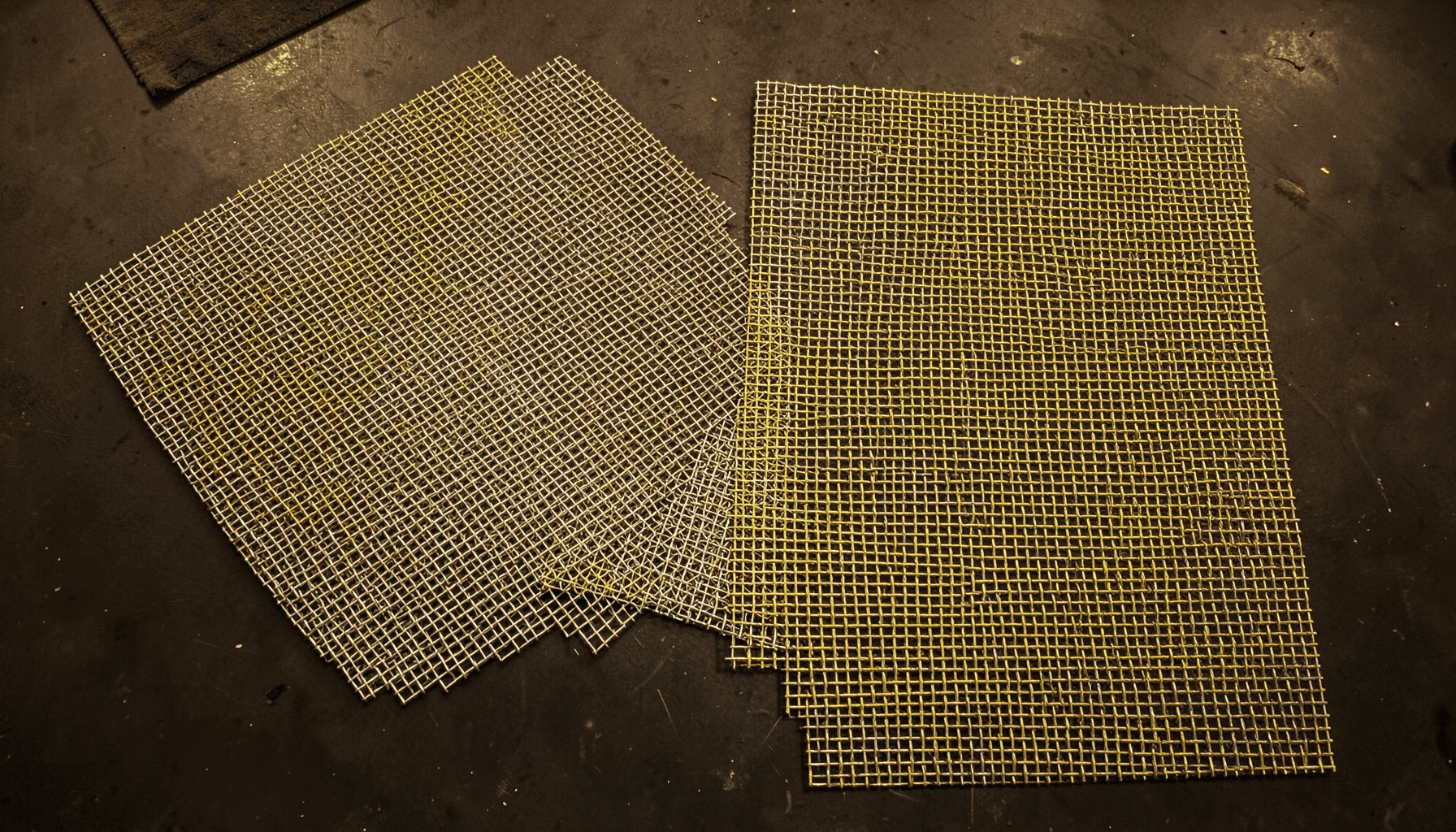
This is also where laser cutting earns its place. Modern fibre-laser systems can produce mesh sheets with smooth, burr-free edges that protect technicians from cuts when they lean against the enclosure. For projects that combine safety with branding, the same machinery used to cut decorative panels for hotel lobbies can be repurposed for turbine platforms, allowing operators to laser-etch identification codes or maintenance access points directly into the mesh.
Logistics across remote and coastal sites
Getting fabricated mesh panels to a wind farm is not as simple as dispatching a courier to a suburban workshop. The largest Australian arrays sit along gravel roads that wash out after a single downpour, and many inland sites are several hundred kilometres from the nearest B-double-capable freight route. Suppliers that pre-assemble enclosures into flight-cases or palletised kits help crews at the base port, because the panels can be forklifted directly onto a service vehicle without rehandling.
Coastal sites introduce their own variables. Ferry bookings across to King Island or to Tasmania's remote west coast need to be coordinated with crane windows at the dock, and any marine-grade mesh must be packed with desiccant so salt crystals do not form on the surface during transit. Forward planning of this kind is one of the reasons wind farm operators in Australia tend to keep close working relationships with a small number of fabricators who understand the rhythm of the local supply chain.
Inspection access and long-term serviceability
An enclosure that is difficult to inspect will eventually be ignored, which defeats the point of fitting it. Good design provides hinged doors, removable sections, or at the very least a clear sightline through the mesh so a technician can check bolts and welds with a torch rather than dismantling the barrier. Mesh apertures in the ten to fifteen millimetre range tend to give the best balance between visibility and debris capture.
Routine inspection cycles in Australia typically follow the six-month service interval common across the industry. During those visits, technicians look for signs of stress cracking around welded corners, evidence of galvanic reaction where stainless mesh sits against carbon steel brackets, and any loss of tension in mounting hardware. Replacing a single panel or a hinge during a planned outage is far cheaper than an unscheduled climb triggered by a discovered defect, which is why spare-panel kits are now considered standard stock at major service depots.
Sustainability and circular economy considerations
Wind energy is sold as clean power, and operators are increasingly expected to extend that thinking to the components that keep turbines running. Stainless steel and aluminium mesh enclosures are fully recyclable, and most Australian scrap merchants will pay for clean, uncontaminated offcuts. Some operators now ask fabricators to provide a passport for each enclosure, listing alloy grades, weights and the origin of the raw material so that end-of-life recovery can be planned from day one.
The lighter the enclosure, the less energy is consumed lifting it to the nacelle during installation. Engineers designing platforms for the next generation of fifteen-megawatt turbines are looking at hybrid structures that combine laser-cut aluminium mesh with composite kick plates, shaving kilograms off every panel while still meeting Australian Standards. As the country's renewable targets tighten and new wind farms come online across the Wheatbelt, the Pilbara and the Bass Strait, mesh enclosures will continue to play a quiet but essential role in keeping maintenance crews safe, productive and on schedule.
If your wind farm team is reviewing platform safety upgrades, specifying new turbines, or planning a refurbishment programme across Australian assets, request a fabrication consultation and material sample pack from Shuo Ke Wire Mesh Product Technology to compare marine-grade mesh options, modular panel layouts and certified load ratings.