Mesh Fencing for Golf Course Perimeter and Safety Barriers
Australia carries one of the highest per-capita golf participation rates in the world, with more than 1,500 courses scattered from the tropical links of Cairns to the wind-swept fairways of Barnbougle in Tasmania. That geographic spread means a fence that works on the Melbourne Sandbelt may struggle along a salt-exposed layout such as The National on the NSW South Coast. Perimeter fencing on Australian courses has to juggle UV intensity, salt spray, summer heat past forty degrees, seasonal bushfire risk, and the steady presence of curious wildlife.
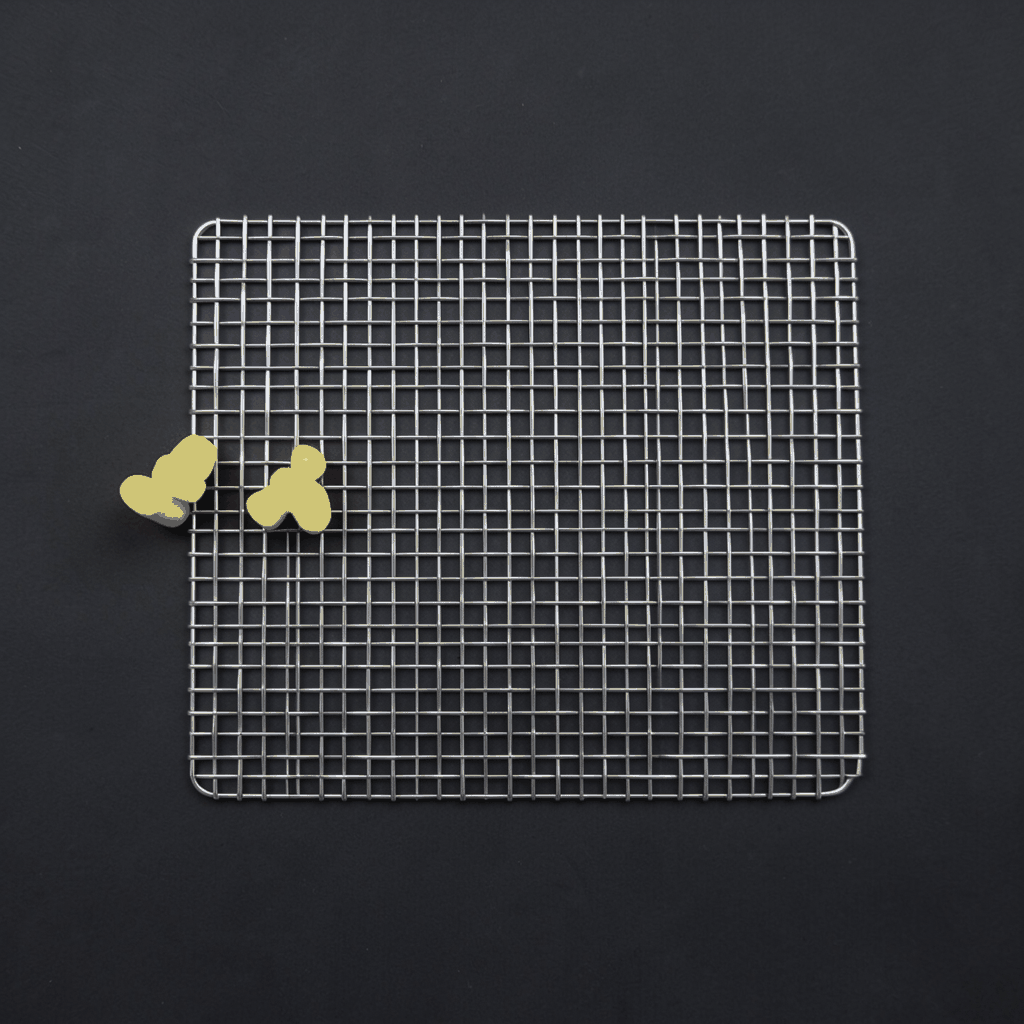
Mesh fencing answers these demands in a way timber paling or chain link rarely can. A well-specified woven or welded panel delivers the structural containment a course needs around tees, greens, cart paths and water hazards, while preserving the sightlines that keep a layout visually open. For committees weighing cost against longevity, mesh also offers a quiet architectural quality, screening without becoming a wall, which matters when the backdrop is a string of eucalyptus or a coastal dune system.
Engineering mesh fencing for Australian conditions
Coastal courses at Royal Adelaide or The Australian in Sydney face salt-laden air that chews through unprotected ferrous metals within a few seasons. Inland layouts near Mildura or Alice Springs deal with dust, thermal cycling and UV that degrade most organic coatings inside a single summer. Mesh fencing for these environments typically relies on marine-grade 316 stainless steel, powder-coated aluminium, or weathering steel that develops a stable oxide layer over time. Framing should be hot-dip galvanised to AS/NZS 4680 where steel is specified, and any fastener exposed to weather should match the panel's corrosion rating.
Wind loading is the other serious engineering consideration. Open links-style courses around King Island or the Mornington Peninsula routinely see gusts above one hundred kilometres an hour, so posts need to be set deep enough to resist overturning, and bracing should be specified at corners and gate junctions. Local contractors familiar with Australian wind region classifications tend to specify heavier post diameters than would be used in a sheltered suburb, and they often insist on continuous welded mesh rather than clips that work loose under cyclic loading. A bit of hard yakka on the foundations pays off the first time a southerly buster comes through.
Ball containment and player safety on course
A perimeter fence's primary job on a golf course is to keep stray shots from reaching roads, neighbouring properties, walking tracks or car parks. Standards published by Golf Australia, together with local council guidelines, generally require barriers tall enough and tight enough to contain a driven ball from the longest tees. Heights between three and four metres are typical for boundary fencing, while internal safety screens beside practice greens, clubhouse outdoor dining areas, or cart crossings are usually shorter and denser.
The risk profile changes depending on the hole. A short par three beside a public road needs a different barrier strategy to a long par five bounded only by bushland. Committees often ask suppliers to model ball trajectories at worst-case launch conditions for each hole, which is why reputable mesh manufacturers offer parametric CAD drawings before fabrication. Quality control on aperture size, weld integrity and panel flatness is then checked against the design file so the as-installed fence matches the model.
Common containment specifications requested by Australian clubs
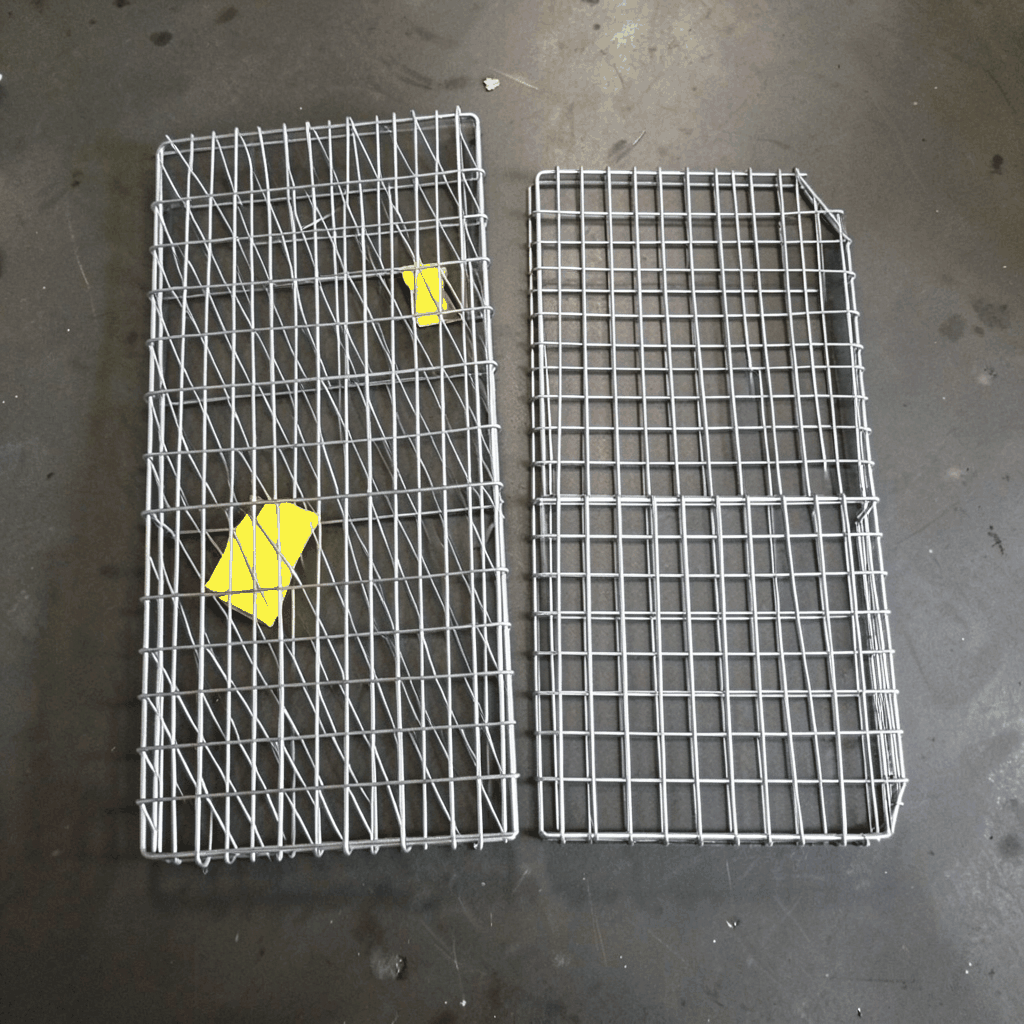
- 3.0 to 4.0 metre boundary heights with mid-rail anti-climb features
- 40 mm or smaller mesh apertures in the lower 1.2 metres for tee and green screens
- Flush ground finish or shallow buried skirt to prevent ball roll underneath
- Reinforced corner posts at every change of direction over twenty degrees
Quality assurance during manufacture is straightforward when the supplier is set up for it. Independent verification of mesh performance can also be supported through instruments such as those supplied by Cavendish Instruments, which provide testing capability for woven and welded mesh products.
Native wildlife and perimeter integration
Australian courses share their land with eastern grey kangaroos, swamp wallabies, brush-tailed possums, and an assortment of lizards that treat a fairway as open tucker. A perimeter mesh that is too fine, or that ends with an aggressive buried skirt, will trap wildlife against the fence. The result is stress, injury and a steady stream of calls to the local wildlife rescue volunteer network. Sensible design uses a mesh aperture large enough for the smallest local animal to pass through without entrapment, paired with a flush ground finish rather than a buried apron where possible.
On courses near bushland reserves, such as several layouts around the Yarra Valley, the McLaren Vale vineyards or the foothills of the Adelaide Hills, the perimeter also doubles as a low-level fauna corridor barrier. Committees that want to exclude foxes or feral cats from the playing surface while allowing native species to pass can specify a graduated mesh height, with a denser band only at the bottom and an open lattice above. This is the kind of detail a Chinese mesh manufacturer with deep customisation capacity can accommodate without inflating lead times, since the panel pattern lives in a CAD file rather than a fixed catalogue.
Material choices for coastal and inland courses
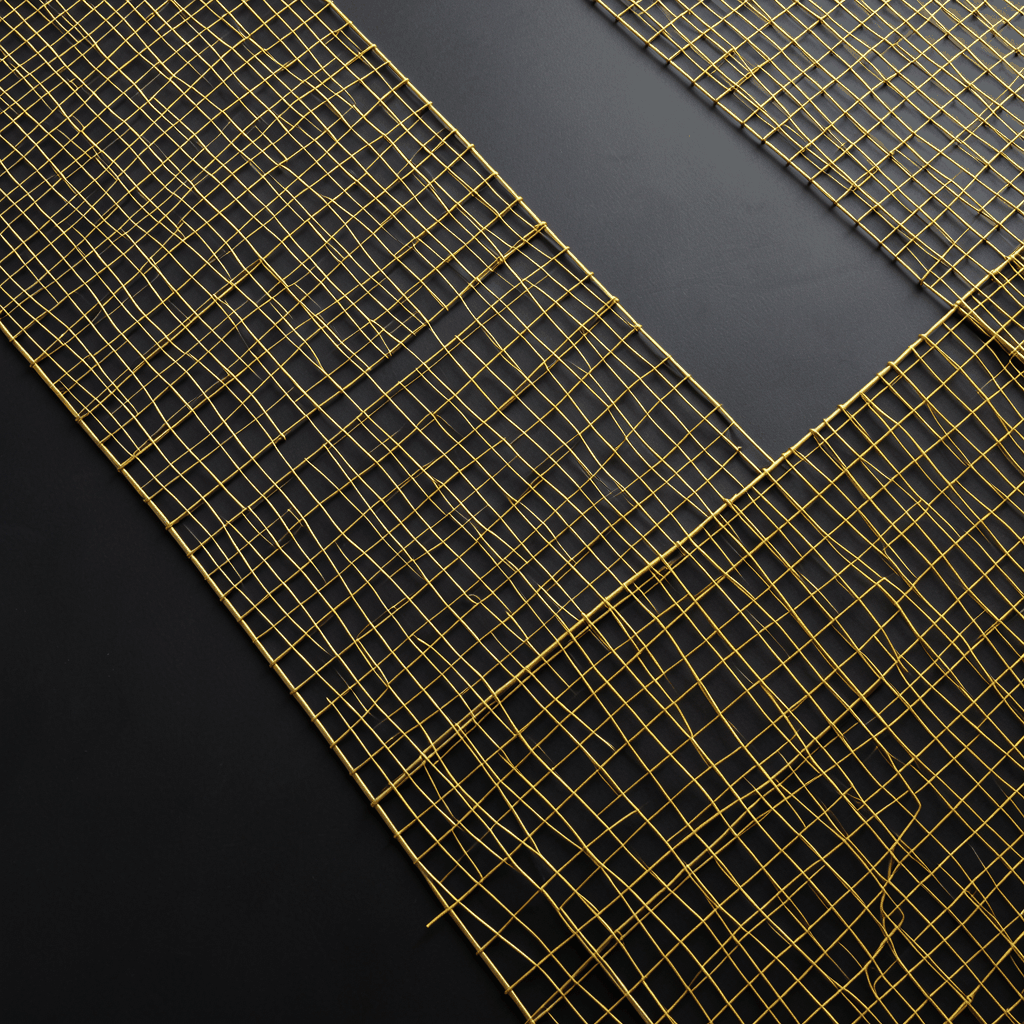
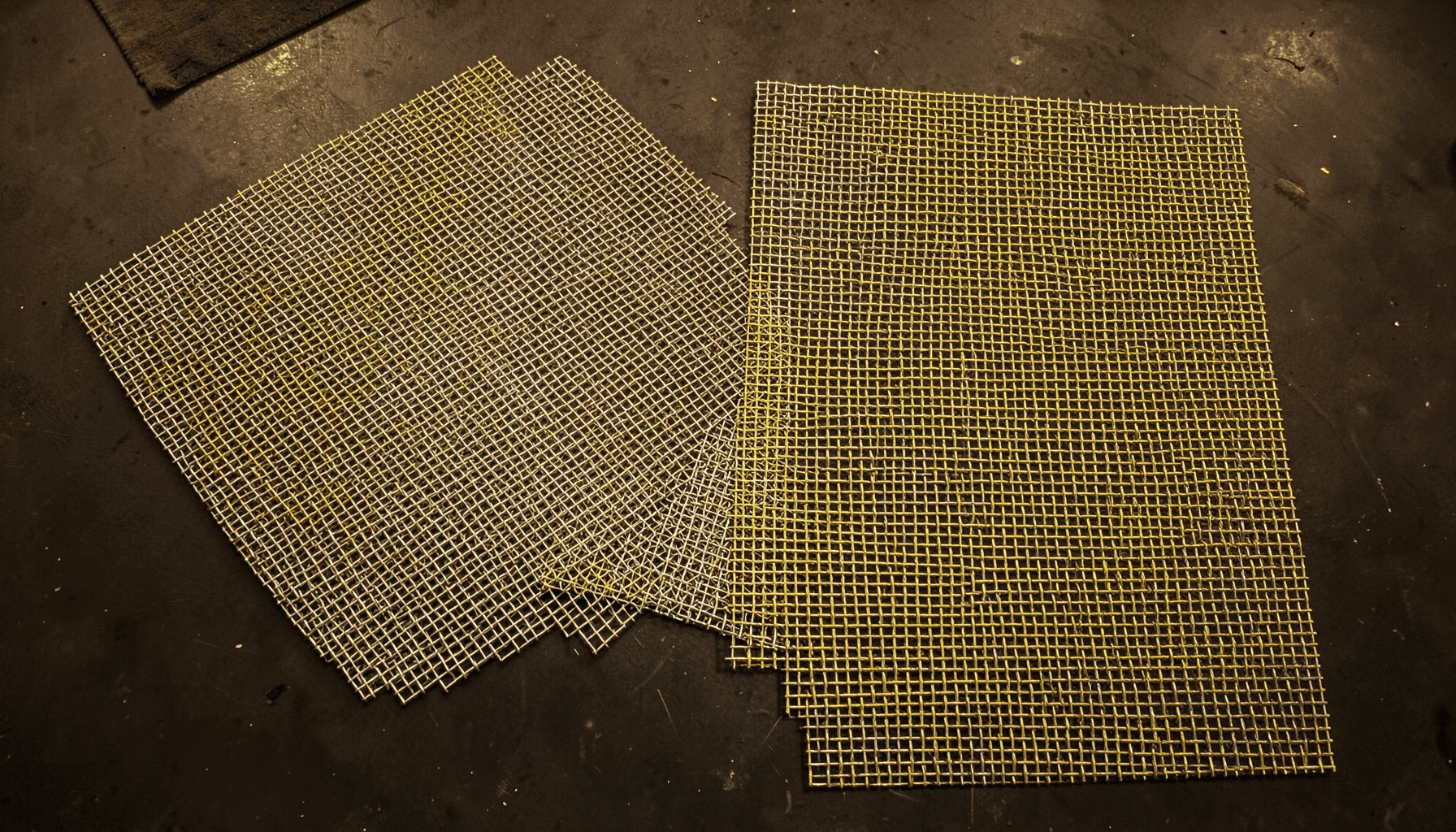
Not every club wants stainless steel, and not every fence has to last thirty years. For community courses in suburban Brisbane or western Sydney where the budget is tighter but the visual standard is still high, powder-coated aluminium mesh offers an excellent balance. For premium layouts where the fence frames an entrance drive or sits in view of the clubhouse, woven brass, copper or bronze mesh introduces a warm architectural finish that complements the sandstone or timber clubhouse architecture found at many heritage Australian clubs.
When a club wants something completely bespoke, laser-cut screens with the club crest, sponsor motif or local landscape silhouette turn a perimeter fence into a piece of branding. The same factory process that cuts architectural cladding for hotel lobbies also cuts golf course screens, which is why leading mesh suppliers treat every order as a small design job rather than a stock item.
Standard material options available for Australian projects
- 304 or 316 stainless steel in woven, welded and cable-net configurations
- Powder-coated aluminium for lightweight, corrosion-resistant panels
- Copper, brass or bronze alloys for premium architectural entrances
- Mild steel with hot-dip galvanising and powder coat for budget installations
Customisation, branding and architectural finishes
A perimeter fence is rarely just a fence on a well-run Australian club. It frames the entrance drive, screens the cart shed and often sits in the same camera frame as the clubhouse in membership brochures. The move in the last decade has been toward fences that look like architecture rather than infrastructure, and mesh is unusually well suited to that brief. A CAD file can hold a club crest, a stylised outline of the local mountain range, a row of gumnuts, or a sponsor motif, and the same file drives the laser cutter that shapes the panels. There is no mould, no minimum print run and no penalty for a one-off design.
Colour also travels further than most committees expect. Standard powder-coat palettes cover heritage green and black, but bespoke matches to Dulux or Colorbond codes are routine. Some clubs add a subtle metallic flake to soften the look under floodlights during a summer twilight competition. The point is that mesh panels can be specified to harmonise with the existing clubhouse finish rather than fight it, which is the kind of decision that turns a maintenance line item into a brand asset.
Compliance, installation and long-term performance
Australian fencing projects for golf courses sit at the intersection of several regulatory frameworks. The relevant Australian Standard for fencing is AS 2423, with additional guidance from AS 1926 for adjacent pool enclosures and AS/NZS 1170 for structural wind design. Council permits often hinge on fence height, finish and visual transparency, particularly in heritage overlays around places like Royal Sydney or the historic sandstone clubhouses of the Melbourne Sandbelt. A clear documentation pack that includes material certificates, weld procedure records and a maintenance schedule will shorten the approval process considerably.
Installation itself is best handled by fencing contractors who have worked on golf courses before. The ground is contoured, irrigation lines run close to the surface, and post foundations need to avoid the root systems of mature eucalyptus and radiata pine. A typical perimeter job in Australia is staged over several weeks, with panels delivered pre-finished and posts set in concrete footings, so the course can keep trading during the build. For ongoing care, an annual wash-down to remove salt, dust and leaf litter extends the life of any mesh, whether it sits on a coastal headland or beside an outback fairway. Fair dinkum maintenance is the difference between a fence that lasts a decade and one that lasts thirty.
Get in touch with our team to scope a perimeter or safety mesh solution sized to your course, your climate and your club's design language, with samples and CAD drawings available on request.