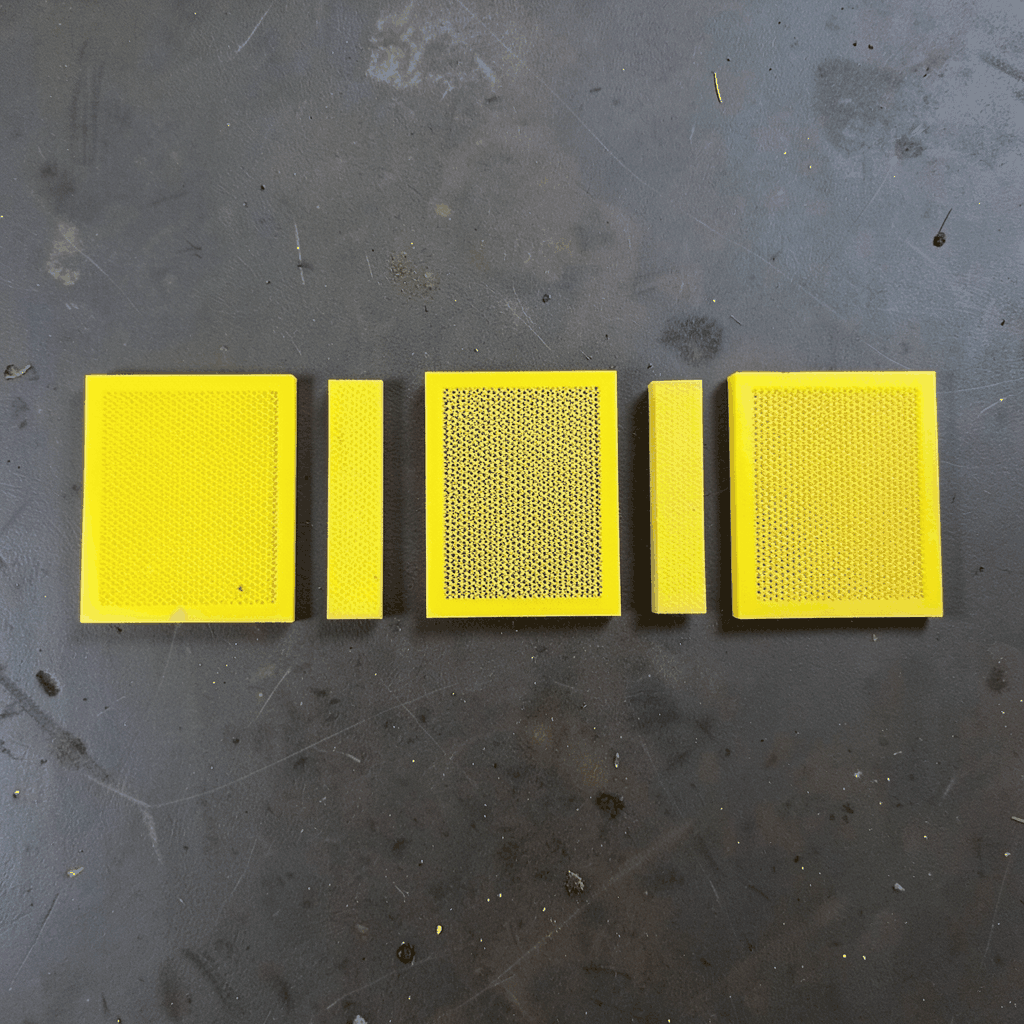
Mesh filters for air intake systems in diesel generators
Mesh filters for air intake systems in diesel generators provide a practical barrier against dust, leaves, insects and airborne debris. Particles that pass through a coarse screen can still reach the compressor, cylinder and turbocharger, where they may increase wear or affect combustion. For standby power in Australia, a suitable intake filter supports dependable starting, stable output and longer engine life.
A genset intake filter is not simply another decorative wire screen. It must preserve the airflow required at the engine’s highest rated load while excluding the debris common at the installation site. The screen also needs to fit the existing air cleaner, remain secure during vibration and be serviceable with ordinary workshop equipment. An oversized panel fitted without airflow testing can be as damaging as no filter at all.
The right choice depends on the engine, filter housing, operating environment and maintenance regime. This guide explains how mesh pre-cleaners and intake guards work, where they fit, and what Australian buyers and facilities teams should specify before ordering a replacement or retrofit.
Why Australian conditions place extra demands on intake protection
Sydney, Melbourne and Brisbane sites often combine traffic dust, construction activity and coastal salt. Fine metal particles and salt-laden air can lodge in an intake grille or accelerate corrosion around the filter frame. Similar exposure occurs around industrial estates and loading yards, particularly where a generator is close to a road, roof exhaust or recirculating plant-room air.
Regional operations face a different load. Mining equipment in the Pilbara and remote Queensland can encounter abrasive dust, while bushfire seasons add smoke, ash and windblown vegetation across several states. A robust pre-cleaner can hold larger particles before they reach the primary and secondary elements, but it cannot replace the engine maker’s specified filtration stages or an appropriate enclosure design.
Australian buyers also value equipment that can be maintained locally. Hospitals, aged-care facilities, data centres, shopping centres, commercial buildings and remote worksites often test standby generators regularly, commonly under monthly or quarterly maintenance schedules. Screens that use standard dimensions, common fasteners and readily available cleaning tools are generally easier to support than one-off parts.
How a mesh pre-cleaner differs from a fine air element
A mesh pre-cleaner sits ahead of the engine’s main air cleaner and intercepts coarse debris. An intake guard may sit even farther upstream at the louver or weather hood, protecting the housing from leaves and objects while allowing normal airflow. These are useful separation and protection layers, not substitutes for the fine filter element that captures smaller particles.
A fine element, often pleated paper, synthetic fibre or another designed media, creates a controlled restriction as clean air passes into the engine. Mesh has greater open area and usually lower pressure drop, but its effectiveness depends on wire diameter, mesh count, depth and how contaminants affect the screen. Combining a serviceable mesh pre-cleaner with the specified fine element can extend service intervals without changing the engine’s filtration requirements.
Restriction is the critical issue. A blocked screen reduces airflow, particularly when the engine is hot, heavily loaded or running at altitude. The result may be difficult cold starting, smoke, reduced power, elevated exhaust temperature or premature turbocharger wear. Any added screen should therefore be checked for pressure loss at rated flow, not judged only by the number of holes visible on a sample.
Selecting mesh, material and airflow performance
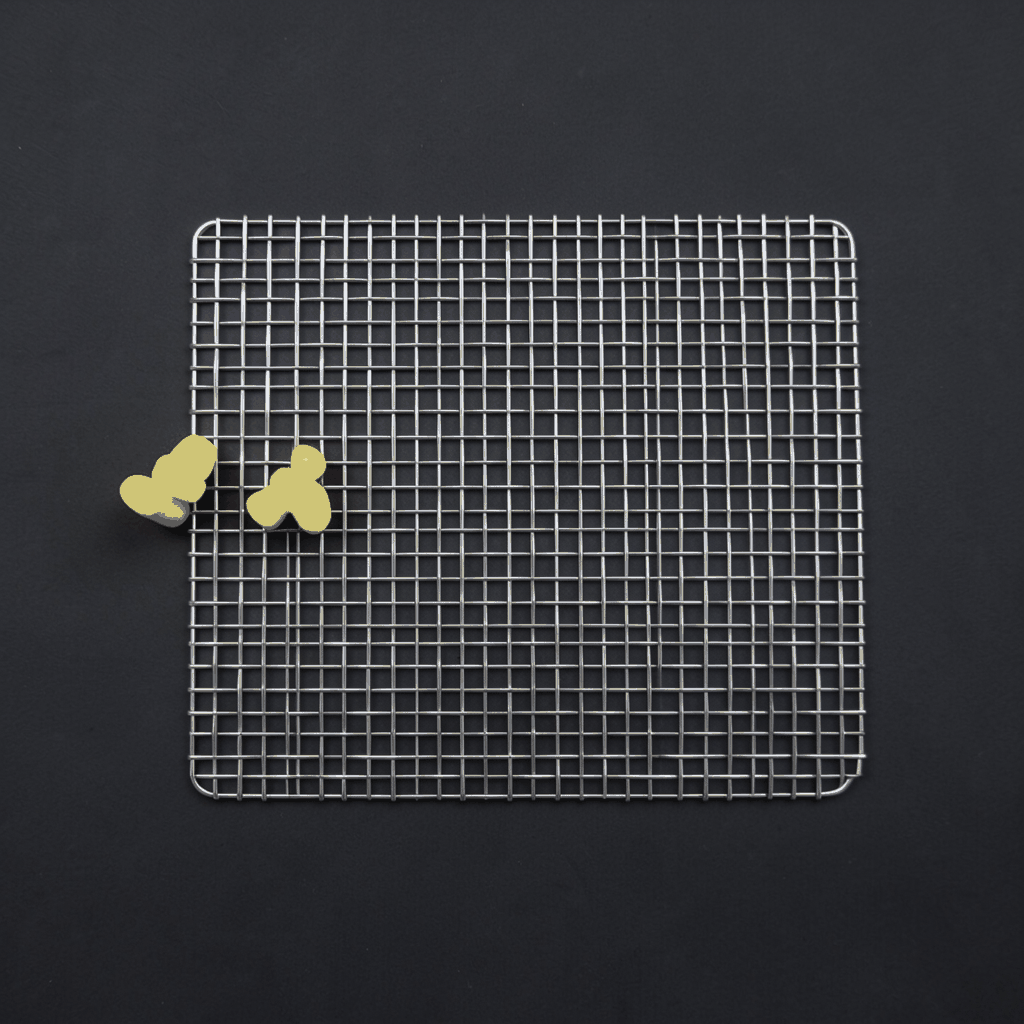
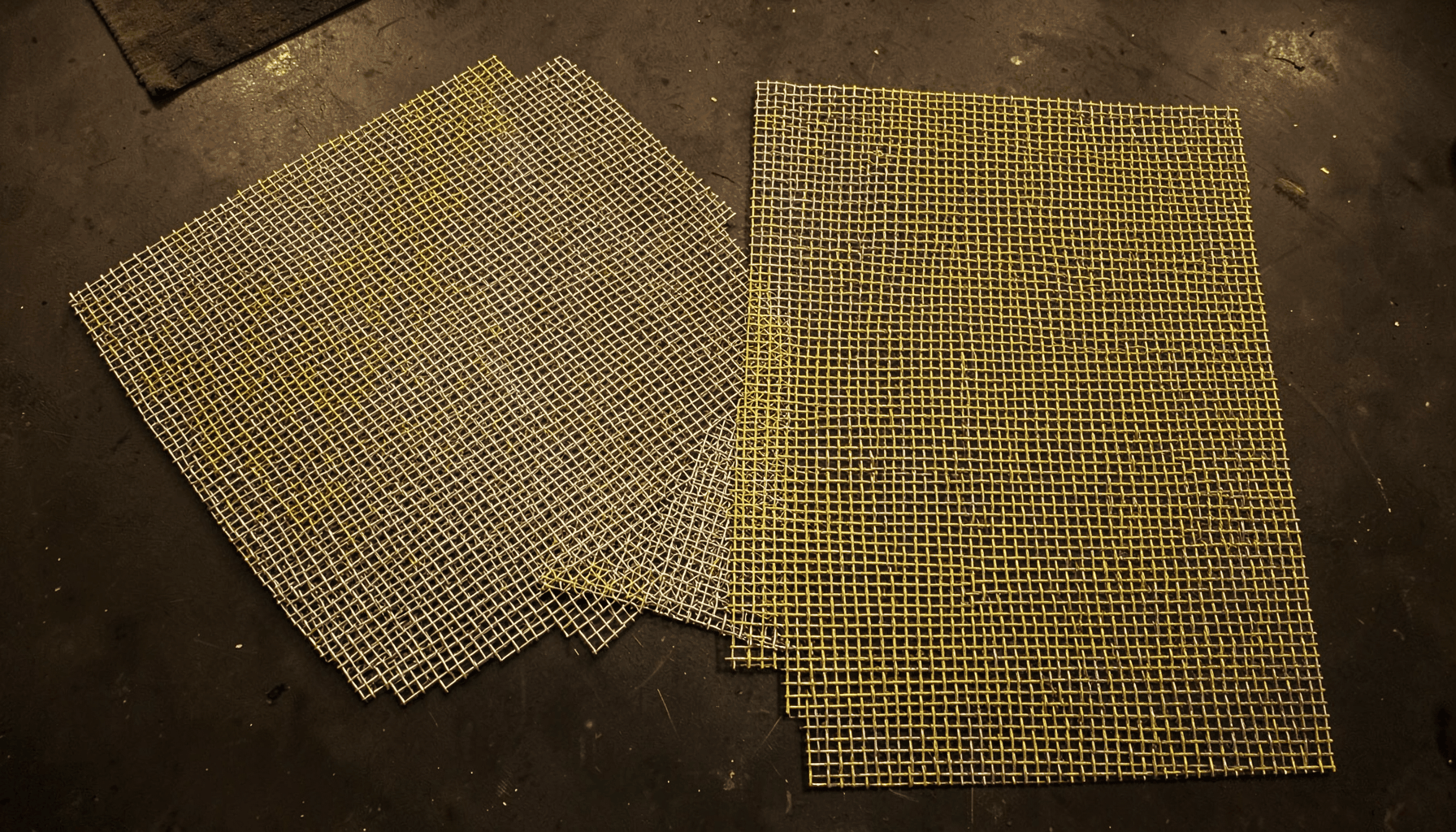
Mesh count alone does not describe filter performance. Buyers should ask for open area, wire diameter, aperture size, free-area ratio and tested pressure drop at the generator’s maximum intake airflow. A deeper or finer woven screen may capture more dust, but it can also load rapidly. For lightly dusty sites, a relatively open square or Dutch weave may be sufficient; heavy dust usually calls for a finer media or a more serviceable multi-stage arrangement.
Material choice must balance corrosion resistance, galvanic compatibility and cleanability. Aluminium is light, economical and easy to rinse, while stainless steel is more robust for coastal and industrial atmospheres. Type 316 stainless steel offers a higher level of chloride resistance than many lower-grade options, but the frame, fasteners and surrounding housing still need review. Components with different metals should be isolated where galvanic corrosion is possible.
For non-standard openings, Shuo Ke Wire Mesh can evaluate custom mesh solutions in stainless steel, aluminium and other suitable alloys before production. A supplier can also prepare different edge treatments, frames and mounting arrangements, but the design must remain consistent with the generator manufacturer’s air cleaner and warranty requirements.
Matching screens to common generator installations
Outdoor standby sets commonly use a weather hood, louver and intake connection beside the enclosure. The screen should cover the actual opening, sit where it can be inspected without dismantling major equipment and not obstruct rain shedding. A neat decorative grille placed on the wrong face of the louver can collect water or debris and give a misleading impression that the intake is protected.
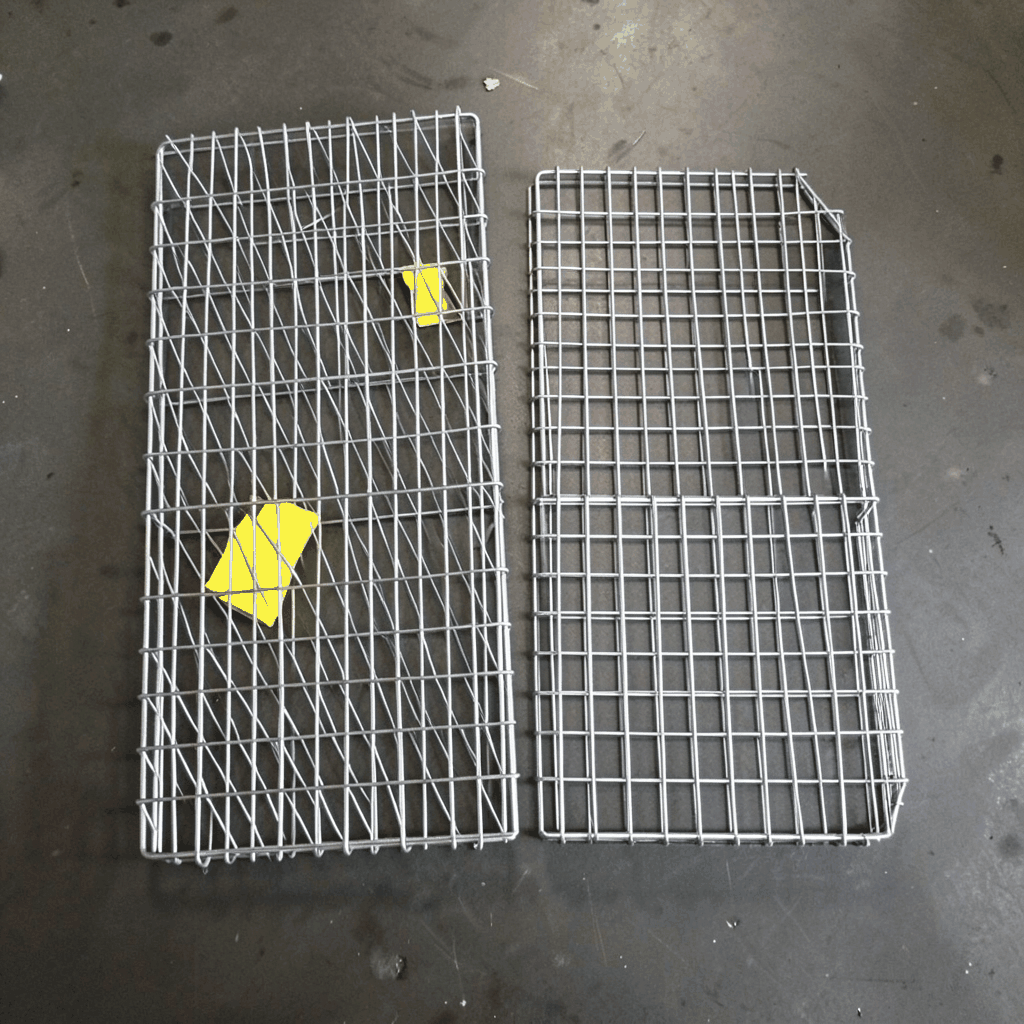
Mobile and temporary generators need a different priority. Screens must resist vibration, handle field movement and remain easy to remove for daily checks. At mining, construction and road-maintenance sites, a heavier framed panel may suit the environment, provided its cleanability and pressure drop are documented. Local rules for hazardous areas and site-specific risk assessments also need to be considered before equipment is modified.
Packaged units inside data centres, hospitals and high-rise plant rooms often have cleaner air than external installations, but access remains restricted. Here, a compact cassette that locks into the existing pre-cleaner frame is usually easier to service than a large bolted panel. In coastal cities, condensation and salt should be checked alongside dust because a filter that traps moisture can create odour, corrosion or early blockage.
Installing, inspecting and cleaning intake screens
Installation starts with the engine maker’s instructions. Confirm the filter’s orientation, clearances and approved position, then fit it without pinching the mesh or sealing a drainage path unintentionally. The panel must be firmly restrained so it cannot move toward the compressor, and its fasteners should not project into the airflow. Where the generator is supplied with an approved pre-cleaner, changing the original arrangement may affect warranty or emissions compliance.
Inspection should be based on site conditions as well as calendar intervals. A monthly walk-around may be sensible for a generator beside a dusty construction zone; a unit in a cleaner plant room may need less frequent attention. Look for a visible dust mat, uneven loading, damaged wire, loose fasteners and signs of water ingress. Record the findings, because a rapidly accumulating layer often points to a larger intake or environmental problem.
Cleaning methods should suit the material and the engine maker’s guidance. A removable mesh panel can often be vacuumed, brushed or washed with clean water and allowed to dry fully before refitting. Compressed air can drive dirt into fine elements or the engine, while aggressive pressure washing can distort woven mesh and remove coatings. If differential-pressure monitoring is available, use the manufacturer’s limit as the trigger for service rather than an arbitrary cleaning interval.
Safe isolation and competent work are essential. Electrical isolation and reconnection must comply with AS/NZS 3000 and applicable state electrical safety legislation, with licensed electricians used where required. Mechanical inspections should also follow the site’s work health and safety procedures, guarding against hot surfaces, rotating parts and unexpected engine start. Filters, lubricants and contaminants must not be allowed to contaminate the work area.
Specifications to collect before ordering
Prepare the generator make, model, serial number, engine output, intake airflow and filter dimensions. Include photographs, a drawing, the existing filter media, the louver arrangement and the location of the installation. State whether the screen is a primary pre-cleaner, an upstream guard or a replacement cassette, and provide the expected dust level, cleaning frequency and coastal exposure.
Useful purchasing decisions cover:
- Confirm compatibility with the approved intake design and airflow rating.
- Specify open area and tested pressure drop at maximum operating flow.
- Select corrosion-resistant materials and compatible fasteners for the site.
- Provide secure framing, adequate access and a clear removal method.
- Document the cleaning interval, inspection method and replacement trigger.
These details make quotations comparable and reduce the chance of a visually suitable panel producing an unacceptable restriction. They also help a supplier reproduce the part after an installation is modified or a replacement unit arrives with a different intake arrangement.
A practical specification protects both the generator and the people responsible for keeping it ready. Before releasing a custom screen for production, have the dimensions checked against the actual housing, confirm the material against the coastal or industrial environment, and obtain written agreement on performance and installation. Shuo Ke Wire Mesh Product Technology Co., Ltd. can support this process with architectural and industrial mesh fabrication for generator intake applications across residential, commercial, municipal and remote Australian sites.