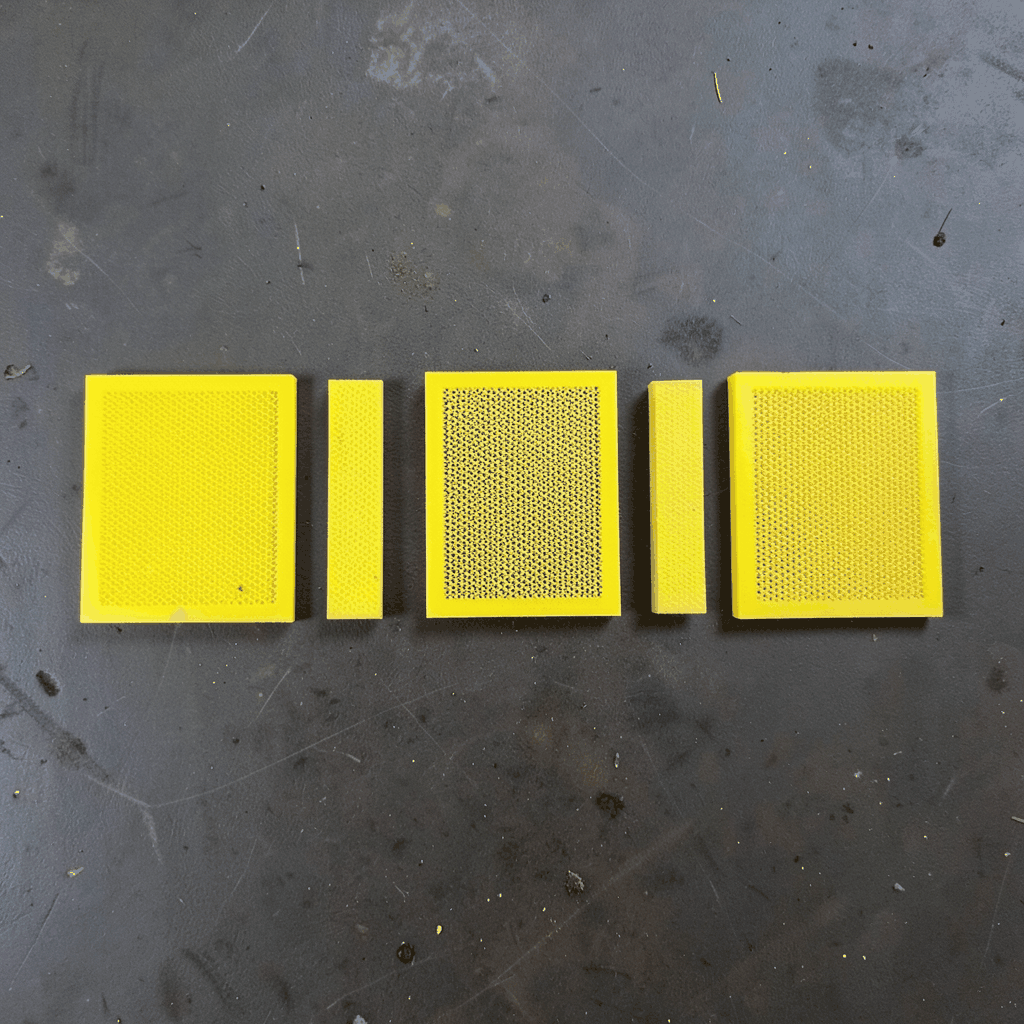
Mesh Filters for Chemical Processing Vessel Outlets
Outlet filtration is a small component with a large influence on chemical plant performance. A correctly specified mesh filter can retain solids, protect pumps and downstream equipment, stabilise product quality, and reduce unplanned shutdowns. A poorly selected screen may clog quickly, corrode in service, collapse under pressure, or release fragments into the process.
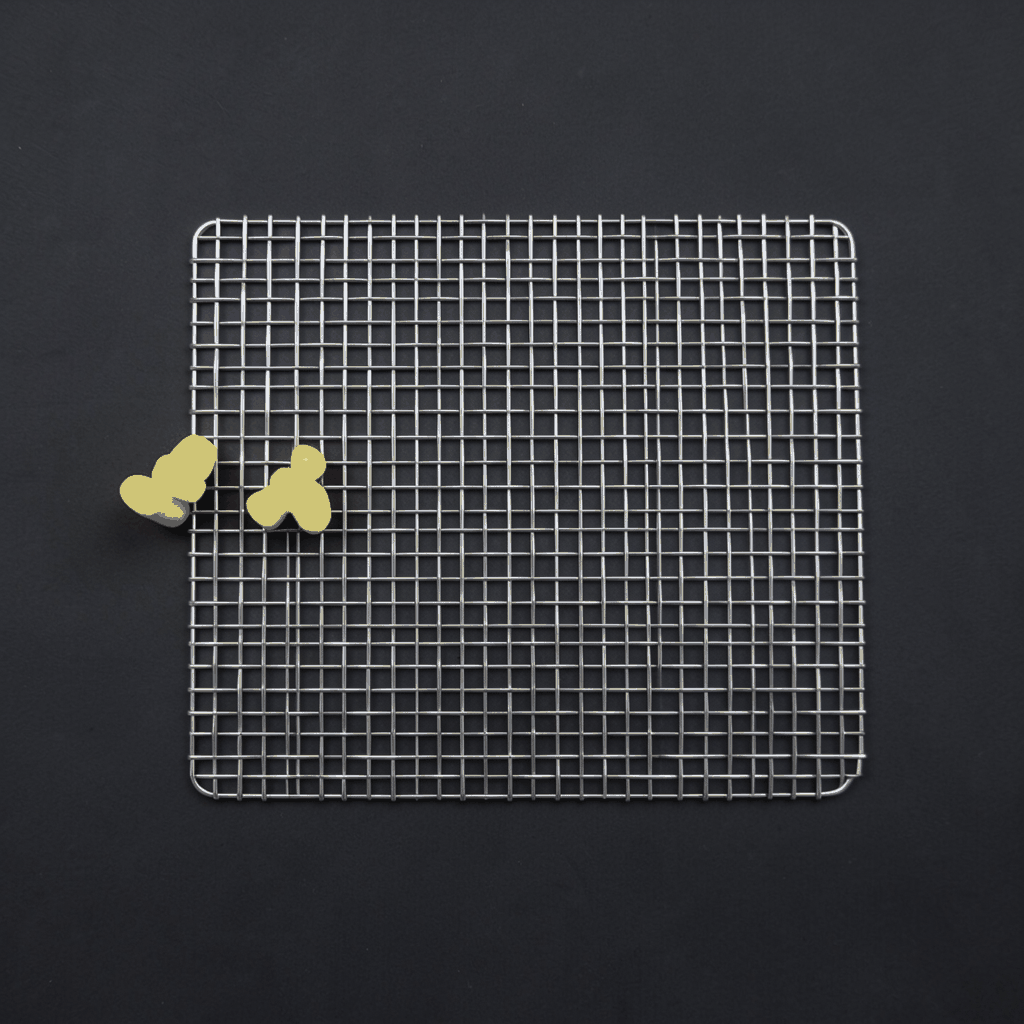
For Australian operators, the right solution must suit the chemical duty, vessel geometry, cleaning method, and local compliance requirements. Stainless steel, alloy, copper, and other metallic meshes can be manufactured as flat screens, cylindrical strainers, conical baskets, or reinforced assemblies. The best design balances open area and filtration accuracy with mechanical strength, cleanability, and long operating life.
Why Outlet Filtration Matters
A vessel outlet is often the point where suspended material leaves a reactor, mixing tank, storage vessel, or process column. Solids may come from catalysts, crystallisation, corrosion, raw-material contamination, polymer agglomeration, or a reaction that has not reached complete conversion. If these particles pass through the outlet, they can damage valves, foul heat exchangers, block spray nozzles, and interfere with pumps or filling equipment.
A mesh filter also helps protect process consistency. In food, pharmaceutical, paint, resin, and specialty chemical production, a small quantity of unwanted material can affect appearance, viscosity, purity, or batch acceptance. In wastewater and mineral-processing applications, outlet screens help prevent larger debris from entering treatment stages that rely on close clearances or sensitive instrumentation.
The filter should be considered part of the entire outlet assembly rather than an isolated piece of wire cloth. Support rings, retaining grids, gaskets, welds, access covers, and the vessel nozzle all influence performance. A fine mesh installed without adequate support may deform under differential pressure, while a strong basket with insufficient free area may create excessive head loss.
Selecting Mesh, Material, And Open Area
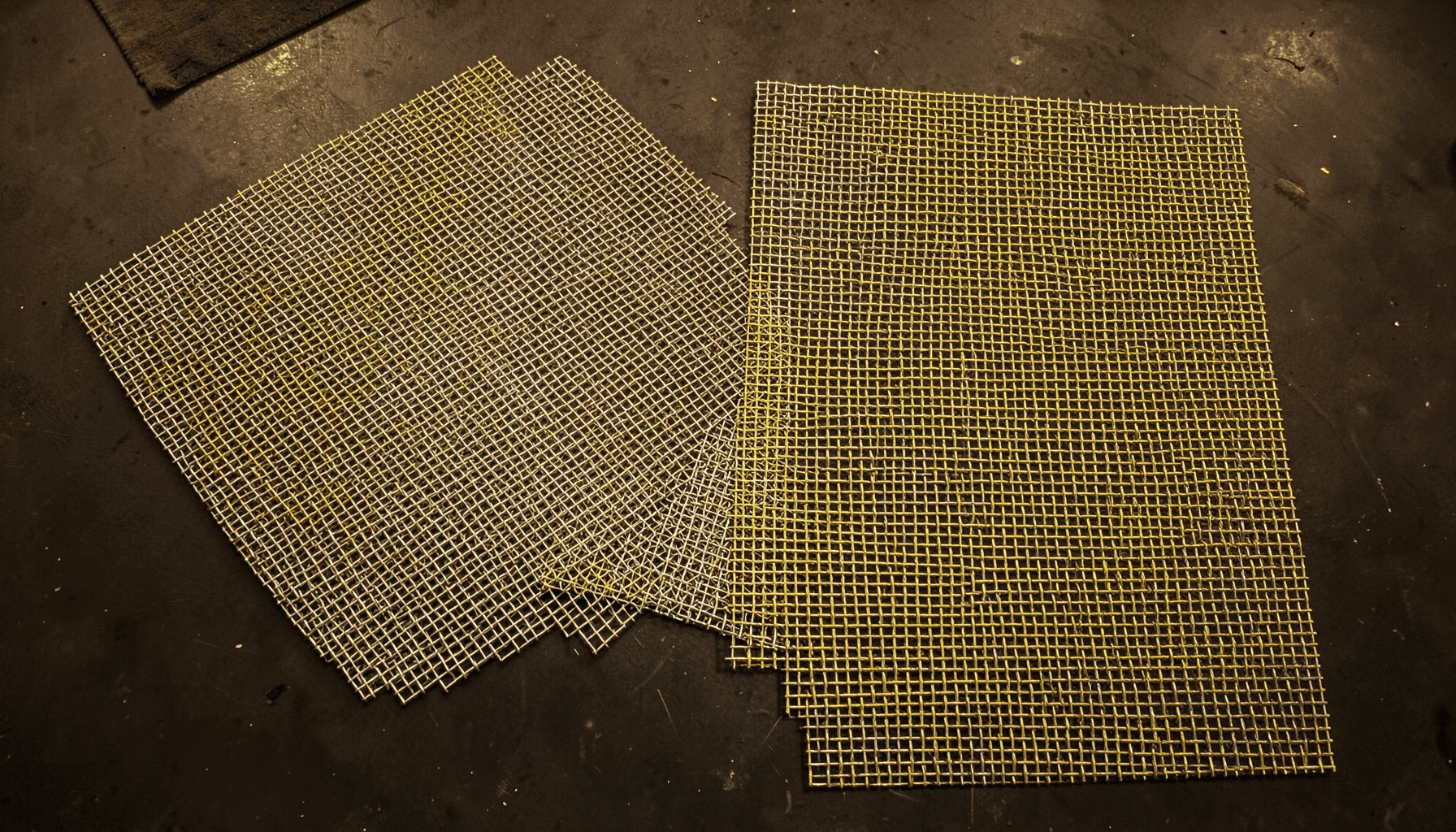
Mesh count describes the number of openings across a defined length, but it does not fully describe filtration performance. Wire diameter, aperture size, weave type, and manufacturing tolerance are equally important. Plain weave is suitable for many general-purpose screens, while twilled or dutch weave can provide finer filtration and improved retention. Perforated plate or wedge-wire support may be added where the screen must handle higher solids loading.
The target particle size should be established from actual process data rather than a general assumption. Engineers should identify the largest particle that must be retained, the likely solids concentration, fluid viscosity, temperature, pressure, and acceptable flow restriction. A nominal opening size can then be matched with the required safety margin. For difficult duties, pilot testing or a review of used filter media can reveal whether blinding, tearing, or premature corrosion is likely.
Stainless steel is widely used because it combines strength, availability, and resistance to many chemical environments. Grades such as 304 and 316 may be suitable for different duties, although chloride exposure, acidic solutions, caustic cleaning, and elevated temperature require careful assessment. Duplex stainless steel, nickel alloys, titanium, or specialised coatings may be justified for aggressive service. Aluminium and copper can be useful in selected architectural or industrial applications, but their chemical compatibility must be checked before they are placed inside a process vessel.
Open area is a key design variable. A larger open area generally reduces pressure drop and delays blockage, but it may require a coarser aperture or a larger filter footprint. Increasing the screen diameter, length, or number of baskets can preserve filtration accuracy while maintaining flow. The filter supplier should provide dimensional information, material grade, mesh opening, wire diameter, effective area, and any limitations on pressure and temperature.
Designing For Pressure, Flow, And Cleaning
A vessel outlet screen should be designed for both normal operation and abnormal conditions. The pressure difference across the filter may rise rapidly when solids accumulate or when a downstream valve is closed. The assembly therefore needs sufficient rigidity to resist collapse, buckling, fatigue, and vibration. A perforated backing plate, support cage, or multi-layer construction can protect fine mesh from deformation.
Flow direction also affects durability. In some applications, fluid moves from the vessel through the basket and into the outlet pipe. In others, reverse flow is used for backwashing or cleaning. The retaining structure must support the mesh in the direction of the highest differential pressure. Welded seams should be continuous where required, with smooth edges that will not trap residues or damage seals.
Cleaning arrangements should be selected during the initial design stage. Removable baskets are practical where operators can isolate the vessel and lift out the element. Backflushable screens may reduce manual handling in continuous processes, while spray balls, chemical cleaning, ultrasonic systems, or controlled air pulses can be useful for specific residues. A fine filter that cannot be inspected or cleaned safely may create greater operating cost than a slightly coarser, accessible design.
Maintenance access is particularly important in Australian facilities where plants may be separated by long distances and specialist service teams are not always available at short notice. A site near Perth may need a different spare-parts strategy from a plant in Melbourne or Newcastle. Clear lifting points, standardised fasteners, accessible inspection covers, and a documented replacement procedure can shorten downtime. For routine mechanical work around guards and access assemblies, suitable cordless maintenance tools can also help crews work efficiently when fixed power is inconvenient, provided the equipment is used under the site’s safety controls.
Australian Compliance And Site Conditions
Chemical facilities in Australia operate under state and territory work health and safety legislation, supported by risk-management duties and hazardous-chemical requirements. The exact obligations vary between jurisdictions, so the filter design should be reviewed within the site’s process safety system. A vessel outlet may involve pressure, corrosive chemicals, hot surfaces, confined spaces, isolation hazards, or exposure during cleaning. Safe access and lockout procedures are as important as the filter’s nominal rating.
Engineering teams commonly refer to relevant Australian and international standards for pressure equipment, materials, welding, guarding, and hazardous areas. The appropriate standard depends on the vessel, process, location, and risk profile. Documentation should identify the material traceability, weld procedure where applicable, dimensional tolerances, surface finish, and inspection requirements. A supplier able to provide drawings and test information makes procurement and future audits easier.
Local environmental conditions can influence material selection. Coastal operations around Brisbane, Sydney, Adelaide, and Perth may face airborne salt and humid conditions that increase external corrosion risk. Mining and mineral-processing sites in Western Australia and Queensland often experience abrasive solids, remote logistics, and high dust loads. Food and chemical plants around Melbourne and regional manufacturing centres may place greater emphasis on hygienic surfaces, repeatable cleaning, and batch traceability.
Australian operators should also consider water availability and waste handling. A filter that requires frequent high-volume washing can increase operating cost and effluent load, particularly in drought-affected regions. Capturing retained solids may be necessary for controlled disposal or recovery. The mesh assembly should be compatible with the site’s cleaning chemicals and wastewater process rather than creating a secondary environmental problem.
Custom Fabrication And Lifecycle Value
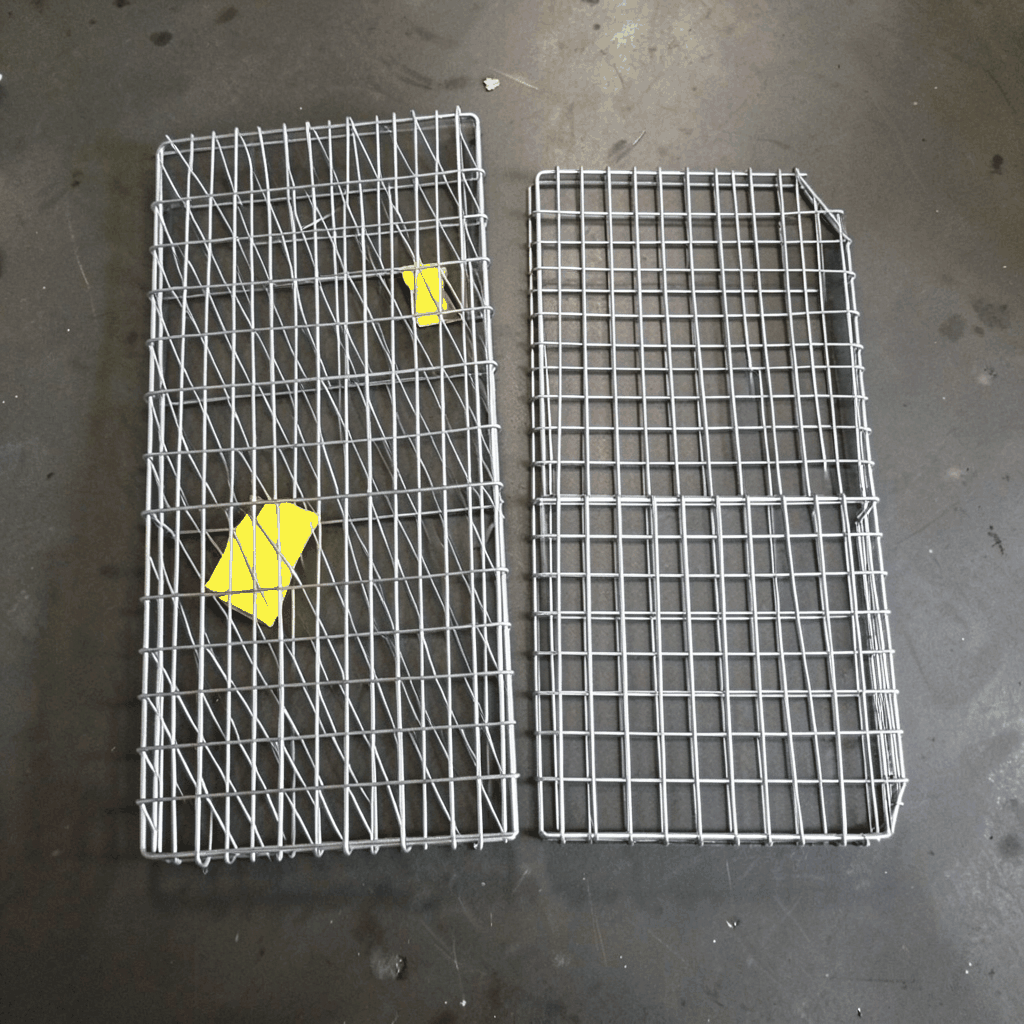
Standard mesh sizes are useful for straightforward applications, but vessel outlets often require a custom shape. Fabricators can produce cylindrical baskets, flat discs, conical strainers, framed panels, and multi-stage assemblies to suit a nozzle, manway, skid, or discharge chute. Dimensions should be taken from approved drawings, with attention to insertion clearance, seal compression, thermal expansion, and removal space.
Joining methods affect service life. TIG welding can provide neat, controlled seams for stainless assemblies, while folded edges, retaining rings, bolted frames, and spot-welded supports may suit other duties. Internal corners should be designed to minimise product accumulation and make cleaning easier. Where the filter is used in a hygienic process, the surface finish and weld quality should be specified rather than left to assumption.
The lowest purchase price is rarely the lowest total cost. A filter that blocks every few days may cause lost production, labour expense, and disposal costs. A more open design with a larger surface area, stronger support, and reliable cleaning access may deliver a better lifecycle result. Operators should track pressure drop, cleaning frequency, replacement intervals, corrosion, and any evidence of mesh damage.
A practical supplier should be able to discuss the process conditions, review drawings, recommend a suitable metal, and produce samples or prototypes where needed. It should also be capable of repeat manufacture so replacement elements match the original fit. For a Chinese manufacturer serving industrial and architectural markets, export packaging, dimensional records, corrosion-resistant materials, and communication around custom drawings are important parts of the purchasing decision.
Practical Specification Priorities
Before requesting a quotation, compile the operating information that will determine the filter’s performance. A clear specification reduces redesign, prevents incompatible material selections, and gives the fabricator enough information to recommend a realistic construction.
- State the fluid, suspended solids, particle-size target, viscosity, temperature, pressure, and expected flow rate.
- Define the required filtration opening, mesh type, wire diameter, effective area, and allowable pressure drop.
- Nominate the metal grade and confirm compatibility with process chemicals, cleaning agents, chlorides, and temperature.
- Provide vessel nozzle dimensions, outlet geometry, insertion clearance, sealing method, and removal requirements.
- Specify support arrangements, reverse-flow conditions, backwash pressure, and protection against collapse or abrasion.
- Request drawings, material certificates, weld details, surface-finish information, inspection records, and replacement identification.
- Establish a maintenance plan covering isolation, inspection, cleaning, spare elements, disposal of retained solids, and safe handling.
A sound specification should also identify what happens when the screen becomes blocked. Differential-pressure monitoring, an alarm, a bypass arrangement, or a planned shutdown procedure may be necessary depending on the process risk. These controls give operators warning before flow is severely restricted or the filter is damaged.
Selecting a mesh filter for a chemical vessel outlet is an engineering decision involving filtration, metallurgy, fabrication, safety, and maintenance. When these factors are considered together, the resulting assembly can protect downstream equipment without imposing unnecessary pressure loss or cleaning labour.
Shuo Ke Wire Mesh Product Technology Co., Ltd. can develop customised metal mesh components for industrial processing applications, including outlet baskets, screens, strainers, and reinforced filter assemblies. Share the vessel drawing, process conditions, target opening, material requirements, and cleaning method to request a practical design and quotation for your Australian operation.