Mesh Filters for Cleaner, Safer Woodworking Shops
Fine timber dust can travel far beyond a saw bench or sanding station. It settles on motors, ledges and lighting, enters the breathing zone, and can create a serious fire or explosion hazard when it accumulates in the wrong places. An effective extraction system must therefore capture dust at the tool, transport it efficiently, and separate particles without restricting airflow.
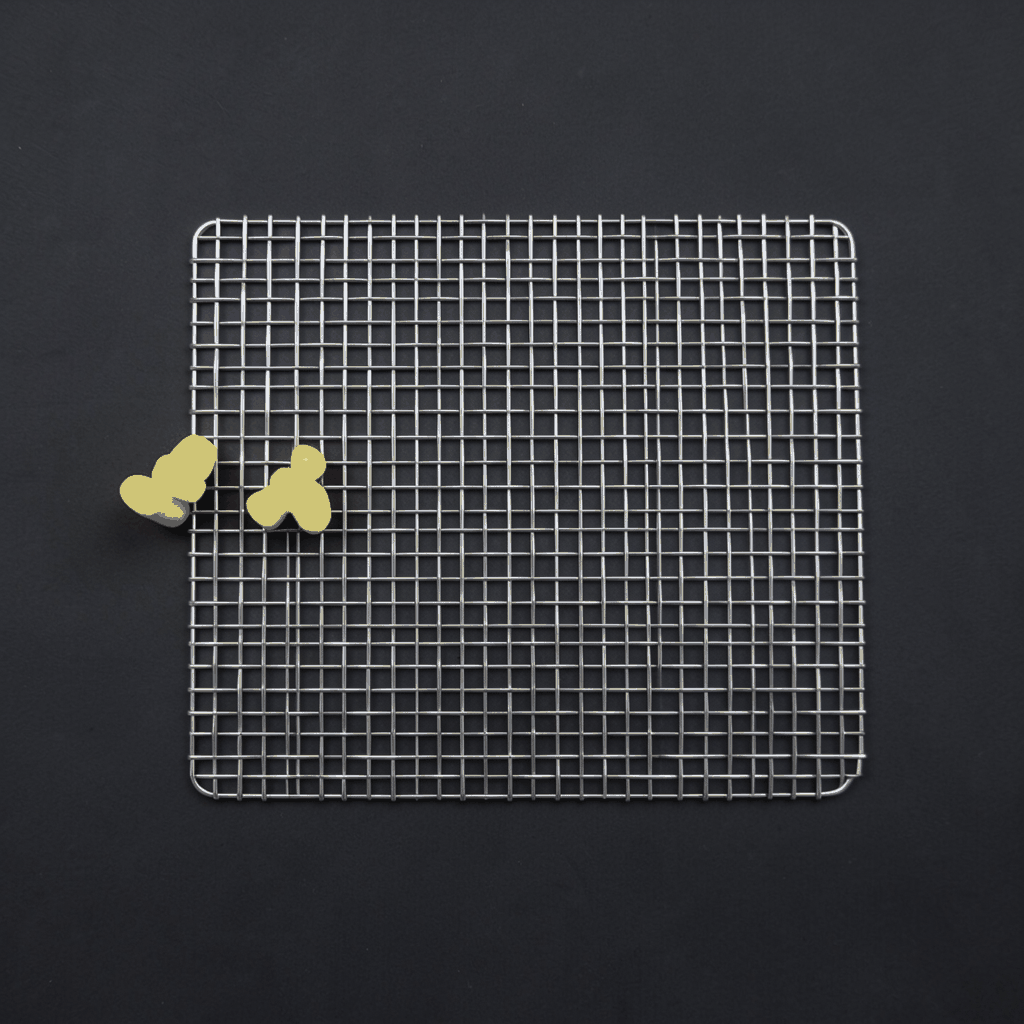
Mesh filters are valuable components in this process. Depending on the system design, they may act as coarse pre-filters, spark-resistant screens, protective guards, chip separators, or reusable filtration elements. Their open structure allows air to pass while intercepting larger debris before it reaches finer filter media, fans and ductwork.
For Australian woodworking businesses, the right filter must suit local working conditions as well as the machinery. A small joinery shop in Melbourne may have different space and humidity concerns from a cabinetmaker in Brisbane, while a busy commercial workshop in Sydney may need corrosion-resistant components near the coast. Material grade, aperture, wire diameter and cleaning access all affect long-term performance.
A mesh manufacturer with fabrication and processing capability can produce filter baskets, screens and support layers to suit unusual dimensions. Shuo Ke Wire Mesh Product Technology Co., Ltd. supplies metal mesh solutions in stainless steel, aluminium, copper, iron and other alloys, allowing workshops and equipment builders to match filtration components with their dust extraction requirements.
How mesh supports dust extraction
A mesh filter works through a simple mechanical principle: particles larger than the openings are retained while air continues through the screen. In a woodworking dust collector, this can reduce the load placed on cartridge filters, filter bags and downstream separators. It is particularly useful for wood chips, shavings and coarse sanding debris.
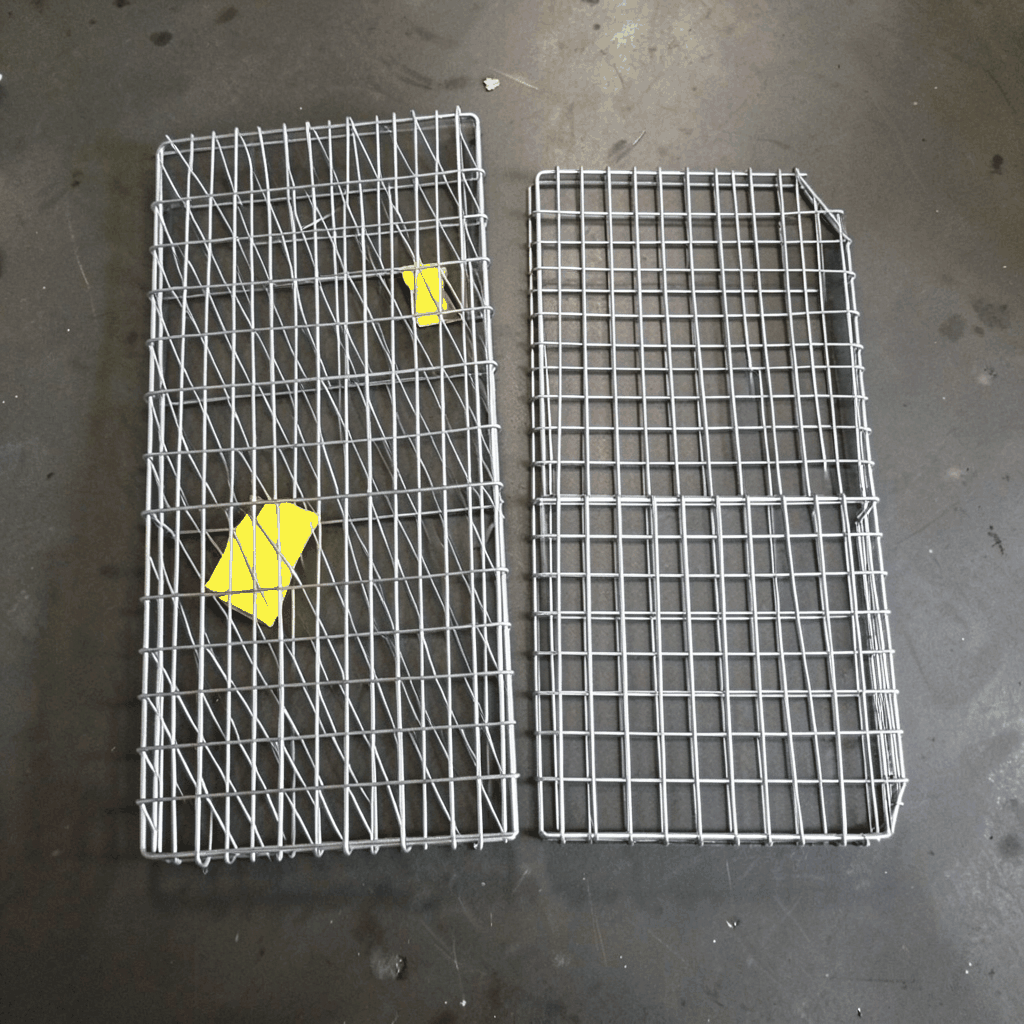
The filter may be installed as a flat panel, cylindrical screen, conical basket or removable cage. A basket can sit inside a collection hopper, while a perforated or woven screen can protect an inlet or fan assembly. The correct form depends on the air path, available space and the size of particles produced by the machinery.
Mesh is generally a pre-filtration component rather than a complete solution for fine respirable dust. Very small particles from MDF, hardwood sanding and routing may pass through a coarse screen, so the system may still require cartridge filters, fabric bags, cyclonic separation or high-efficiency final filtration. Combining stages is usually more reliable than expecting one mesh layer to capture every particle.
Choosing the right metal and weave
Stainless steel is a strong choice where the filter will face repeated cleaning, abrasion or humid conditions. Grades such as 304 are widely used for general industrial applications, while 316 stainless steel may be considered for coastal sites or environments exposed to more corrosive contaminants. In Sydney, Wollongong and other salt-air locations, corrosion resistance can reduce maintenance and prolong service life.
Aluminium offers low weight and useful corrosion resistance, which can help when a filter basket must be removed frequently. It is suitable for some air-handling and guarding applications, although the final selection should consider impact, temperature, static control and the requirements of the extraction equipment. Mild steel or galvanised steel may provide a cost-effective option for dry indoor workshops where corrosion exposure is limited.
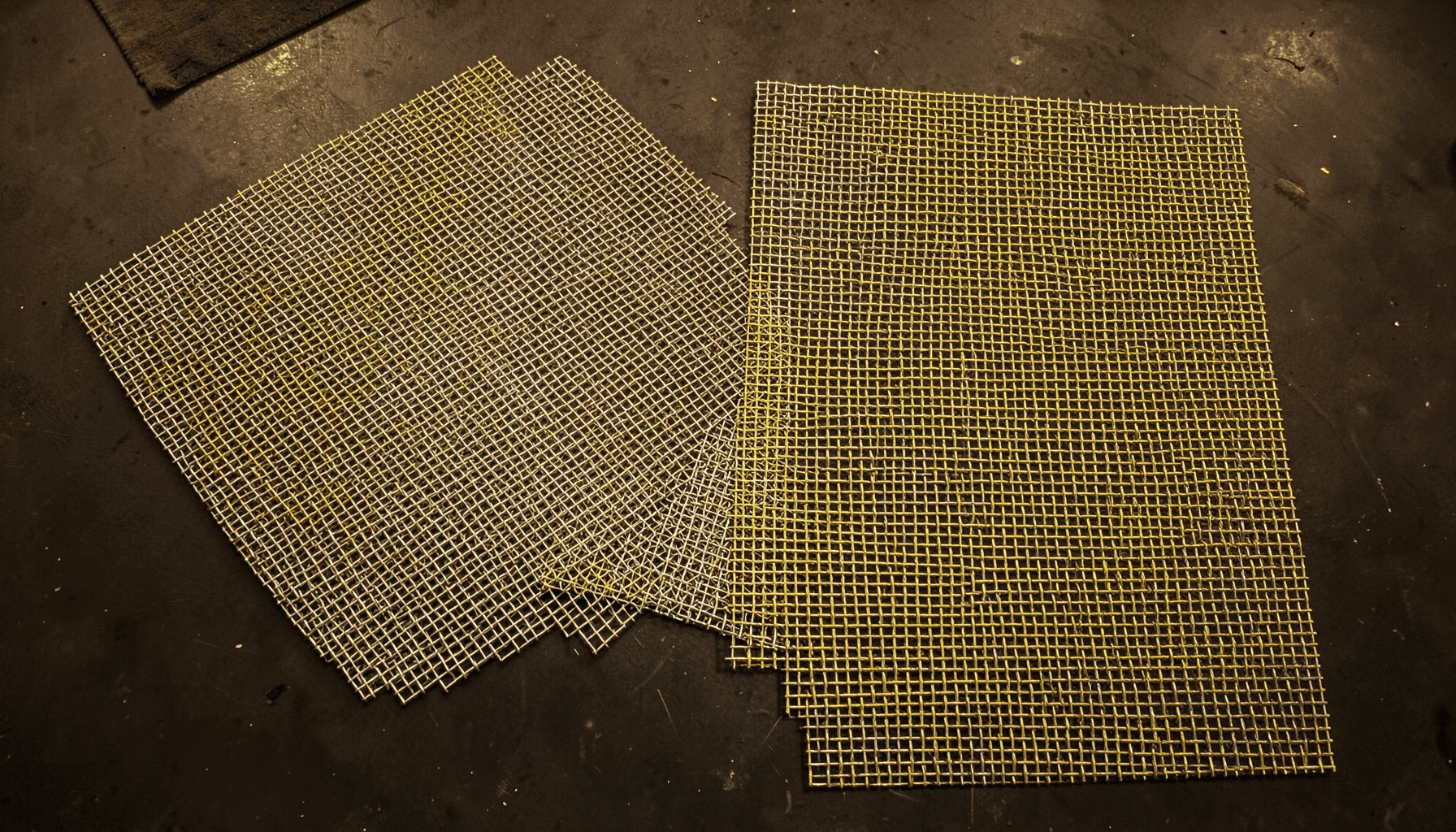
Woven wire mesh provides a regular opening pattern and can be specified by mesh count, wire diameter and aperture size. Expanded metal and perforated sheet offer different balances of stiffness, open area and resistance to deformation. A rigid support layer may be added behind fine mesh to prevent collapse under pressure, especially in large panels or cylindrical filter cages.
Matching filtration to workshop conditions
The dust profile matters as much as the filter material. Solid timber chips are often larger and easier to separate than the fine dust generated by sanding, machining composite boards or cutting engineered wood. MDF and particleboard can produce very fine airborne particles, while resin, paint, glue and finish residues may affect how quickly a filter becomes blocked.
Airflow must remain high enough for effective capture at the tool. If a mesh layer is too fine, dirty, undersized or poorly supported, static pressure can rise and extraction performance can fall. A suitable design balances filtration efficiency with open area, allowing air to move through the screen without forcing the fan to work beyond its intended operating range.
Australian workshops also need to account for climate. Brisbane and northern Queensland can bring high humidity that encourages corrosion on unsuitable steel, while dry conditions around Adelaide, Perth and inland New South Wales can increase airborne dust and static concerns. Coastal premises may benefit from stainless components, sealed edges and a cleaning routine that prevents salt and timber residue from remaining on the screen.
The filter housing should be easy to inspect and remove without exposing workers to an uncontrolled cloud of dust. Hinged access doors, quick-release clamps and smooth internal surfaces can simplify maintenance. Any design should be reviewed alongside the complete extraction installation and the applicable workplace health and safety requirements in the relevant Australian state or territory.
Cleaning, safety and service life
A mesh filter loses performance as debris blocks its openings. Cleaning frequency depends on the quantity and type of dust, the working hours of the shop and the size of the screen. A visual check can identify loading, distortion, corrosion or damaged welds before the problem affects the rest of the collector.
Compressed air can disperse hazardous dust through the workshop and may create a secondary exposure problem. Where practical, use a controlled vacuum suitable for the material, gentle brushing, or a cleaning method recommended by the equipment supplier. Isolate machinery before removing a filter, and use appropriate respiratory and eye protection during maintenance.
Wood dust can ignite when suspended in air or accumulated around heat sources. A mesh screen should never be treated as a guarantee against fire or explosion. The complete system may require earthing, bonding, spark control, explosion relief, suitable fans and correctly selected electrical equipment. A competent designer or installer should assess the risks, especially where the workshop handles large volumes of fine dust.
Service life improves when the filter is correctly supported and protected from impacts. Bent mesh, enlarged openings, failed welds and damaged frames can allow chips to bypass the intended separation stage. Replacement screens should match the original dimensions and airflow characteristics rather than being substituted with an improvised household or agricultural mesh.
Specification and custom fabrication checks
A custom filter starts with accurate information about the equipment. The fabricator may need the frame dimensions, connection method, available installation space, expected particle size, airflow, operating temperature and cleaning procedure. Photographs and a simple drawing can help clarify access points, bends, flanges and unusual mounting details.
Edges should be finished so that the component is safe to handle and fits securely into its housing. Rolled edges, welded frames, reinforced corners and retaining rings can improve rigidity. For a filter basket, the support structure should prevent the mesh from flexing into the airflow or contacting nearby components.
Shuo Ke can process architectural and industrial metal mesh into screens, baskets, guards and other made-to-order forms. Stainless steel, aluminium, copper, iron and alloy options provide flexibility for different budgets and operating environments. A practical specification should still be checked against the dust collector manufacturer’s requirements before production.
Checks before ordering a replacement filter
- Measure the existing frame, basket diameter, depth and connection points
- Record the dust type, approximate particle size and cleaning method
- Confirm the required material, aperture, wire diameter and open area
- Check access clearance for removal, inspection and safe maintenance
Details to confirm with the fabricator
- Welded or folded frame construction and edge finishing
- Corrosion exposure, operating temperature and expected service frequency
- Support ribs or backing layers for larger filter panels
- Quantity, tolerances, packaging and delivery requirements within Australia
A replacement screen that looks similar may still behave differently if its aperture, wire thickness or open area changes. These details influence pressure drop, particle retention and cleaning intervals. For that reason, the mesh should be treated as an engineered part of the extraction system rather than a generic roll of wire cloth.
Local supply arrangements can also affect project timing. Australian workshops may need small quantities for a repair, while machinery builders and dust-control contractors may require repeat batches with consistent dimensions. Clear drawings, sample approval and documented specifications help reduce errors when components are manufactured overseas and shipped to Australia.
For workshops in Melbourne, Sydney, Brisbane, Perth, Adelaide and regional areas, a durable mesh filter can support cleaner equipment and more manageable maintenance. It works best as part of a complete dust-control strategy that includes source capture, suitable ducting, correctly sized fans, downstream filtration and disciplined housekeeping.
Specify your dust collection screen, filter basket or protective mesh assembly with the operating conditions and dimensions available. Contact Shuo Ke Wire Mesh Product Technology Co., Ltd. to discuss a customised metal mesh solution for woodworking equipment, industrial filtration or replacement components, with material and fabrication options suited to the demands of the Australian market.