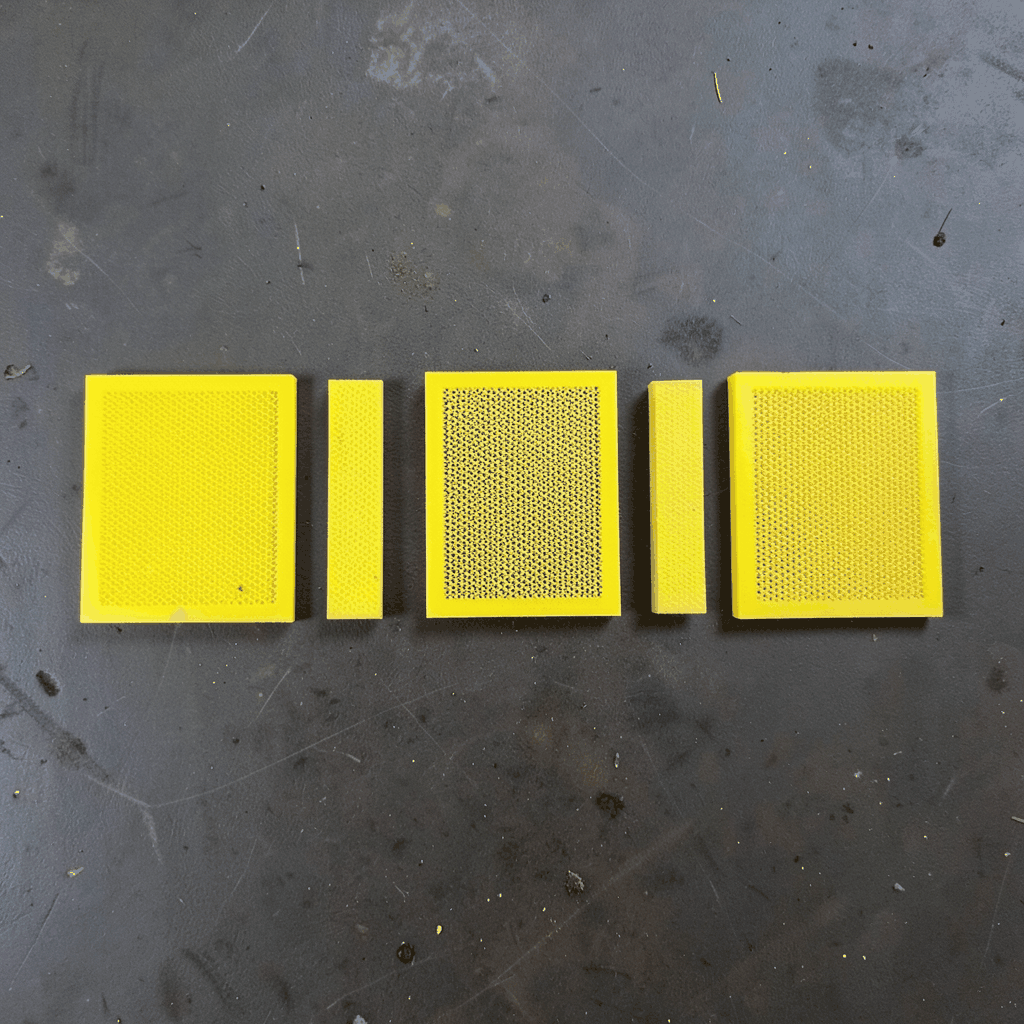
Mesh filters for high-pressure water jet nozzles
High-pressure water jet equipment depends on clean, consistent water to produce a controlled cutting, cleaning, or surface-preparation stream. A small particle that passes through an ordinary supply line can damage a pump, obstruct a jewel orifice, disturb the jet pattern, and create costly downtime. A correctly selected mesh filter provides a practical barrier against rust, scale, pipe debris, and other contaminants before they reach sensitive nozzle components.
For Australian operators, filtration must also suit local water conditions, operating pressures, maintenance practices, and the demands of the job site. A workshop in Melbourne, a fabrication plant in Brisbane, a mining contractor in Western Australia, and a mobile cleaning crew in Sydney may all use high-pressure jetting, yet require different filter materials, mesh openings, connection styles, and service intervals. The right solution combines fine particle control with reliable flow and easy maintenance.
Why filtration matters in high-pressure water jet systems
A water jet nozzle has a very small flow passage compared with the upstream pipework. This makes the nozzle particularly vulnerable to contamination. Particles from aging plumbing, storage tanks, pumps, or municipal water lines can lodge in the orifice and reduce output. In abrasive waterjet equipment, clean water is also important because the stream must pass consistently through the mixing area before abrasive media is introduced.
Filtration protects more than the nozzle itself. It can reduce wear on high-pressure seals, valves, intensifiers, plungers, and regulators. A blocked or partially restricted filter may still allow equipment to operate, but the pump can work harder while pressure becomes unstable. Operators may then compensate by adjusting the machine, when the real issue is a dirty filter element or unsuitable mesh grade.
The filter should be treated as part of the complete fluid path rather than an isolated accessory. Its performance depends on flow rate, pressure, temperature, water chemistry, pipe size, contamination load, and the required cleanliness level at the nozzle. A filter that works well on a low-flow cleaning lance may be unsuitable for a CNC waterjet cutting table.
Selecting the right mesh opening and filter format
Mesh size describes the number of openings across a defined length, while micron rating refers more directly to the approximate particle size retained. These measurements are related but are not interchangeable across all wire diameters and filter constructions. For technical procurement, it is safer to specify the required micron retention, wire material, filtration type, and effective open area rather than relying on a mesh number alone.
A coarse pre-filter can remove larger debris before a finer nozzle protection screen. This staged approach often provides better service life than placing one very fine element directly in the line. The first stage captures rust flakes, sand, and scale; the second stage protects the high-pressure equipment from smaller particles. The correct arrangement depends on the manufacturer’s flow and pressure recommendations.
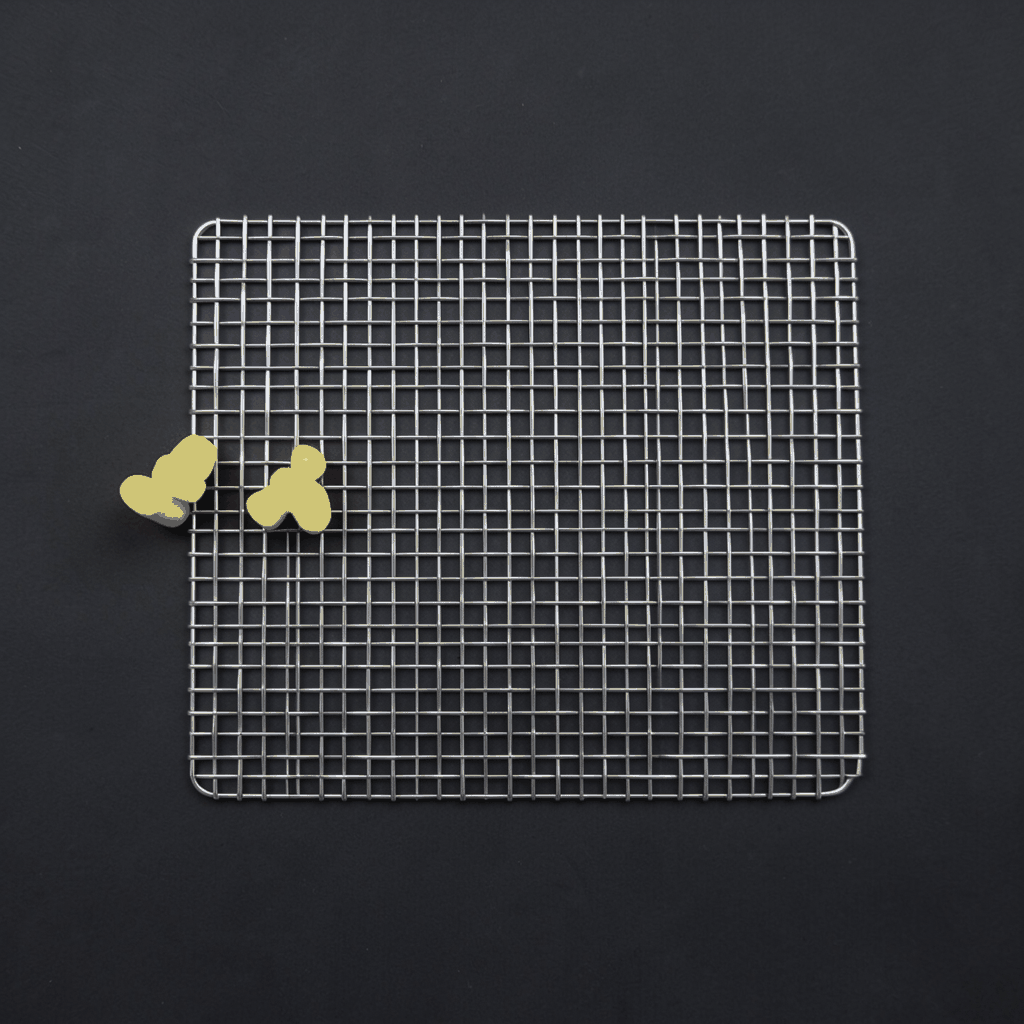
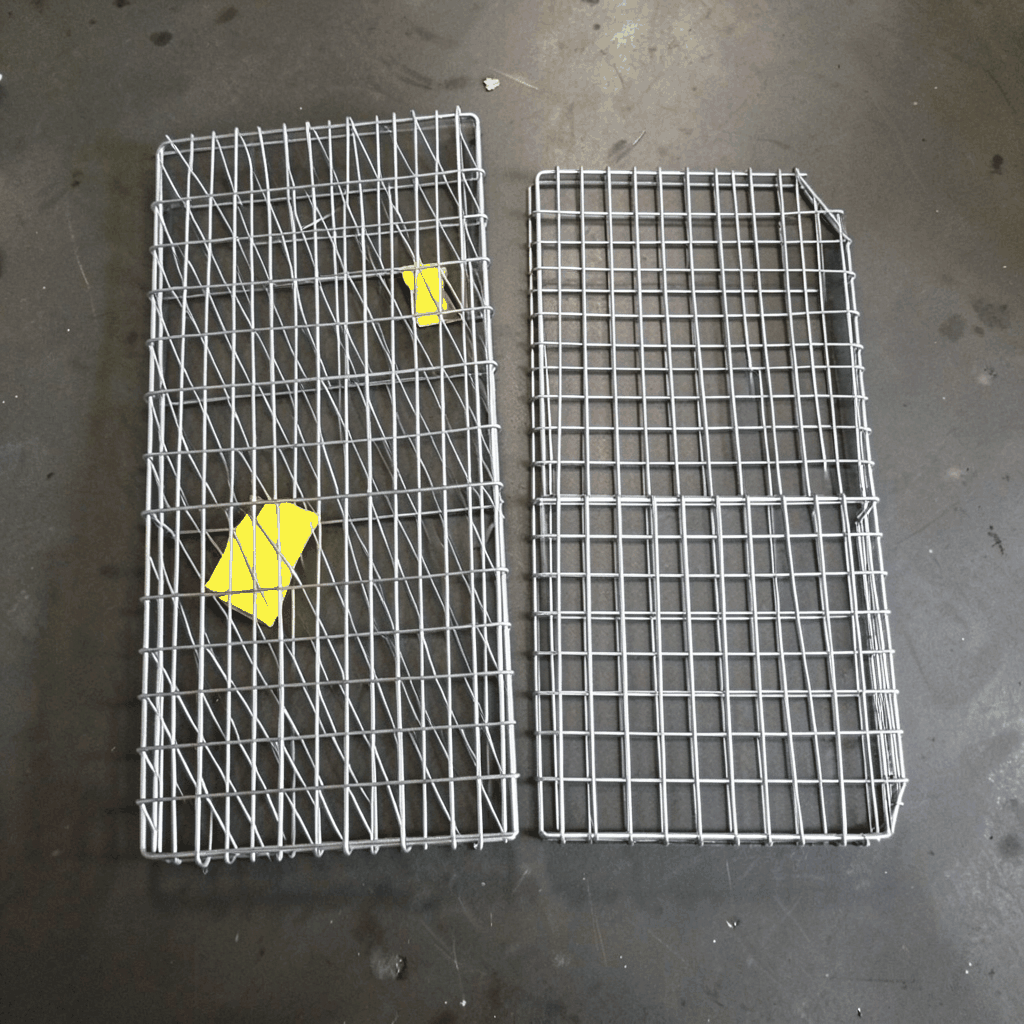
Strainer baskets, cylindrical screens, flat discs, pleated elements, and custom wire mesh cartridges each have useful applications. A basket can offer substantial dirt-holding capacity and straightforward cleaning. A compact screen insert may suit a lance or nozzle manifold where space is limited. Pleated construction can increase surface area, although the support structure must withstand the pressure differential and repeated cleaning cycle.
The nominal filter size must also match the connection and flow path. An element with a fine opening but a small effective area may create more pressure loss than a larger screen with the same retention rating. Engineers should compare the clean pressure drop, maximum operating pressure, collapse rating, and recommended replacement interval before approving a design.
Materials that handle pressure, water, and Australian conditions
Stainless steel wire mesh is widely used for high-pressure water filtration because it offers strength, dimensional stability, and corrosion resistance. Grade 316 stainless steel is often preferred where the water contains chlorides, where equipment operates near the coast, or where cleaning chemicals are used. Grade 304 stainless steel may be suitable for many general industrial applications with less aggressive water chemistry.
Material selection should consider the entire assembly, including the filter body, end caps, support tube, welds, seals, and fasteners. A corrosion-resistant screen fitted into a poorly selected housing can still fail prematurely. Dissimilar metals may also create galvanic corrosion in wet environments, particularly on coastal sites around Perth, Adelaide, or regional Queensland.
Aluminium can be useful where low weight matters, such as portable pressure-washing equipment, but it requires careful consideration of pressure rating, surface treatment, and contact with other metals. Copper and special alloys may suit particular chemical or thermal conditions, while iron-based mesh is generally more appropriate for protected, low-corrosion applications or where a coating system is specified.
Australian operators often work with high ultraviolet exposure, airborne dust, mineral-rich bore water, and seasonal temperature changes. These factors can increase the need for robust housings, protected seals, and cleanable filter media. A manufacturer able to process stainless steel, aluminium, copper, iron, and other alloys can tailor the screen and supporting structure to the operating environment instead of supplying a generic element.
Pressure rating, flow stability, and safe construction
A filter used upstream of a high-pressure nozzle must be rated for the actual system pressure, not merely the expected average pressure. Starting surges, pump pulsation, blocked-element conditions, and pressure spikes can place additional stress on the housing and retaining components. The selected filter assembly should have a documented working pressure and a suitable safety margin for the equipment.
Flow stability is equally important. Excessive restriction reduces pressure at the nozzle and can affect cutting speed, cleaning performance, or surface finish. It may also cause cavitation or overheating at the pump inlet when filtration is installed in the wrong position. Pressure gauges or differential-pressure indicators can help operators identify a filter that is approaching its service limit.
Fine filtration is not automatically better. A very tight screen can clog quickly when the source water contains suspended solids. In a municipal workshop, a moderate pre-screen followed by a finer protective element may deliver more reliable performance than an ultra-fine filter used alone. The best result comes from balancing particle retention, open area, dirt-holding capacity, and cleaning frequency.
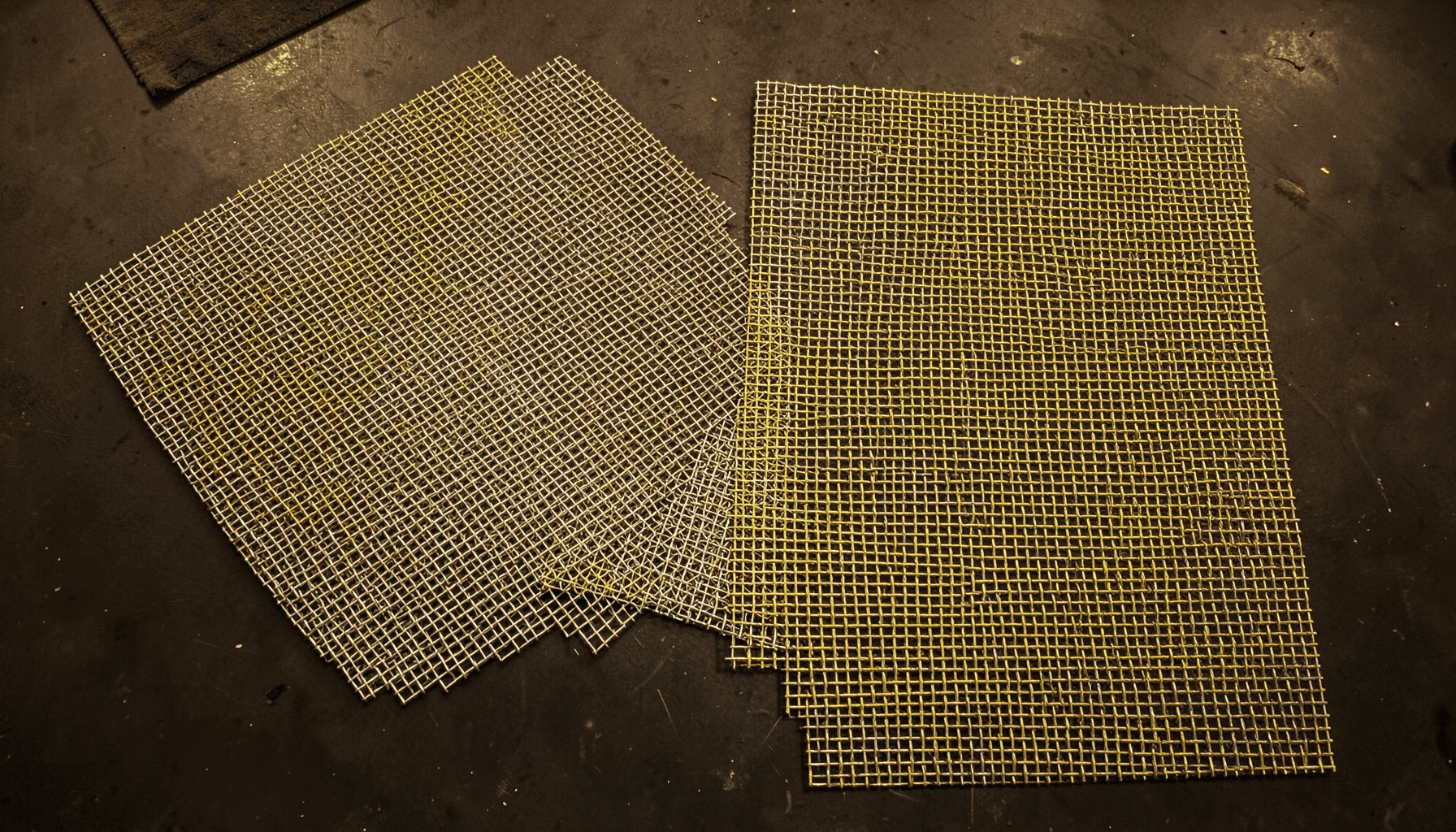
Welded stainless steel mesh panels and formed screens should be manufactured with consistent openings and secure edges. Loose wires, sharp cut ends, poor weld penetration, or distorted frames can release debris into the line or make the element difficult to seat. Quality control should include dimensional checks, visual inspection, and pressure testing appropriate to the finished assembly.
Maintenance and cleaning practices
A filtration system only works when its screen remains open. Operators should inspect the element according to pressure-drop readings, operating hours, water quality, and visible changes in jet performance. Waiting until the nozzle is completely blocked can increase pump stress and make contamination harder to remove from the wider system.
Reusable stainless steel filters can often be cleaned by controlled flushing, soft brushing, ultrasonic cleaning, or an approved chemical process. The method should match the wire diameter and the type of deposit. Hard tools can deform fine mesh, while aggressive chemicals can attack welds, seals, or the filter housing. After cleaning, the screen should be checked for stretched wires, cracks, corrosion, blocked openings, and damaged gaskets.
Australian work practices often involve rapid changeovers between jobs, especially for contractors servicing construction sites, councils, transport infrastructure, and industrial facilities. A spare clean element can reduce downtime while the used screen is inspected. Clear identification of mesh grade, material, flow direction, and installation position also helps different crew members maintain the system consistently.
Water-saving requirements can make maintenance even more important. During dry periods and water restrictions, facilities may recirculate process water or use stored rainwater, which can carry more suspended matter than a fresh mains supply. In these situations, staged filtration and regular tank cleaning help protect the high-pressure equipment while reducing unnecessary water consumption.
Applications from workshops to mining operations
In waterjet cutting, a fine protective screen helps preserve the nozzle orifice and supports repeatable cutting conditions. Stainless steel mesh filters can be integrated into supply manifolds, pump protection assemblies, or compact nozzle systems. The filter must be selected around the machine manufacturer’s recommended flow, pressure, and particle limits so that it supports accuracy without starving the pump.
High-pressure cleaning equipment used on facades, concrete, vehicles, heat exchangers, and industrial floors has different filtration needs. A mobile contractor working across Sydney or Melbourne may encounter variable site water quality and temporary hose connections. A durable, easy-to-clean filter housing can prevent debris from entering the lance while allowing quick service between jobs.
Mining, quarrying, and mineral-processing sites in Western Australia and Queensland place heavy demands on filtration. Bore water, recycled process water, dust, and scale can combine to create a high contamination load. Here, a staged system with a robust coarse screen, a finer downstream element, and accessible cleaning points may be more practical than a single fine filter.
Municipal and infrastructure work can also benefit from custom filter elements. Drain cleaning, bridge maintenance, graffiti removal, and preparation of steel or concrete surfaces may involve long hose runs and changing water sources. Filter assemblies designed for the available connections and transport conditions can help reduce nozzle blockages and improve equipment availability.
Practical specification checklist
Before ordering a mesh filter for a high-pressure water jet system, prepare the operating information that determines the design. A manufacturer or processor can then recommend a screen construction rather than guessing from the nozzle size alone.
Information to provide:
- Maximum and normal operating pressure
- Water flow rate and operating temperature
- Required micron retention or particle size
- Water source, including mains, bore, tank, or recycled water
The physical design is just as important as the filtration rating. Confirm how the element will be installed, removed, supported, and cleaned. If the assembly must fit existing Australian equipment, provide drawings, photographs, thread details, flange dimensions, or a sample component where possible.
Design details to confirm:
- Stainless steel grade or alternative alloy
- Housing dimensions, connection type, and flow direction
- Clean pressure drop and allowable differential pressure
- Replacement, flushing, and inspection arrangements
Custom fabrication is valuable when standard cartridges do not fit the pump skid, nozzle manifold, or compact mobile unit. Wire mesh can be cut, formed, welded, and supported to suit a particular envelope while retaining the required opening and mechanical strength. The final design should still be checked against the pressure rating and service instructions of the complete jetting system.
Working with a custom metal mesh manufacturer
A specialist manufacturer can help translate the waterjet application into a practical filtration element. This may involve selecting wire diameter, opening size, weave pattern, support layers, edge treatment, and frame construction. For high-pressure service, the support arrangement is especially important because a fine mesh may need backing or a perforated support tube to prevent deformation.
Shuo Ke Wire Mesh Product Technology Co., Ltd. supplies processed metal mesh products for industrial and architectural uses, including filters, baskets, and custom components. Its capability across stainless steel, aluminium, copper, iron, and other alloys supports projects that require a particular balance of corrosion resistance, weight, strength, appearance, and cost. Custom dimensions can also simplify integration with existing pumps, manifolds, and nozzle assemblies.
For Australian buyers, useful project documentation includes a dimensional drawing, material specification, mesh or micron requirement, pressure and flow data, preferred finish, and expected quantity. Photos of the installation and information about the water source can help identify practical risks such as limited access, heavy sediment, or frequent cleaning.
A well-made filter should protect the nozzle without becoming the weakest or most restrictive part of the system. When the screen, housing, seals, and supports are designed together, high-pressure water jet equipment can operate with more consistent flow and fewer avoidable interruptions.
Protect your waterjet investment with a filter element matched to its pressure, flow, water quality, and maintenance routine. Contact Shuo Ke Wire Mesh Product Technology Co., Ltd. with your drawings or operating specifications to discuss a durable custom mesh filter for high-pressure nozzle applications in Australia.