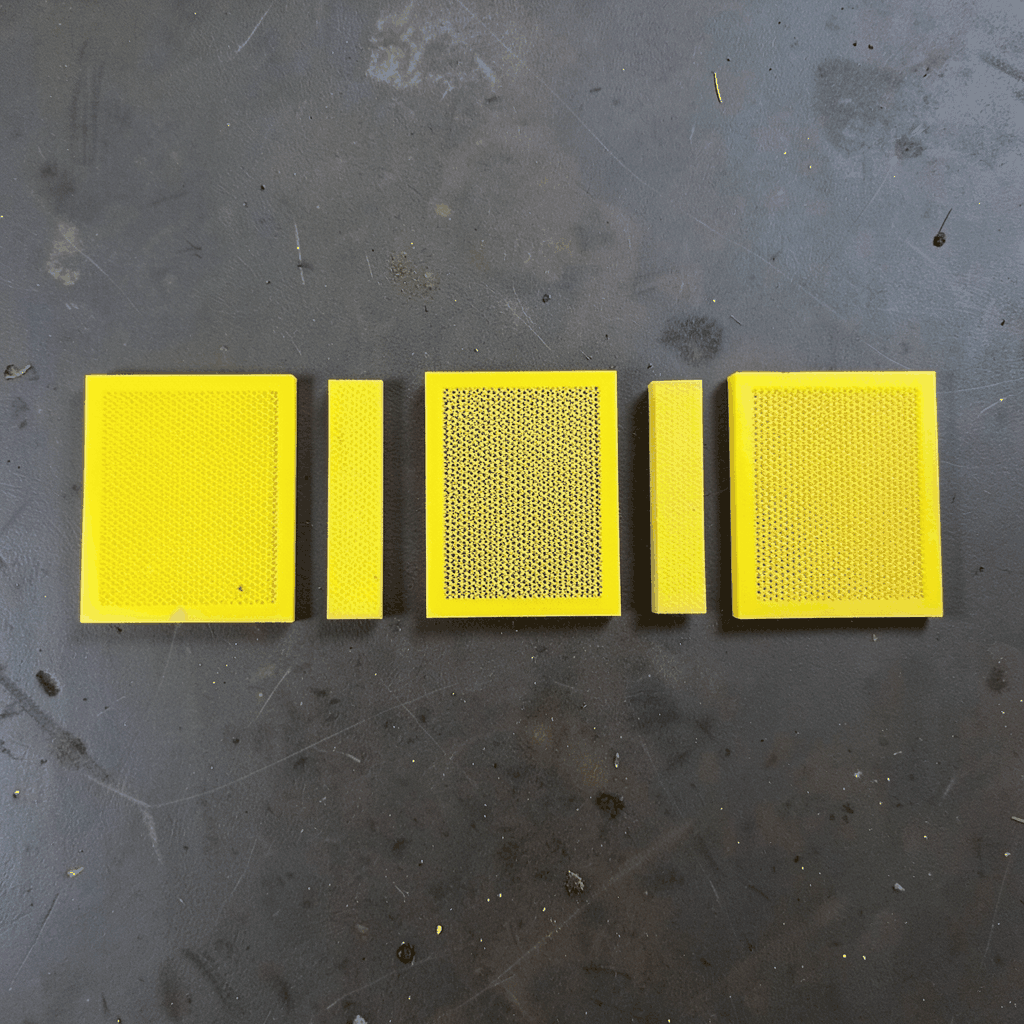
Mesh filters for hydraulic and pneumatic system strainers
Contamination is one of the most reliable causes of shortened component life in hydraulic and pneumatic equipment. Abrasive particles wear pump bearings, valves and seals, while water or rust can promote corrosion and block narrow passages. Mesh filters for hydraulic and pneumatic system strainers provide a practical first line of defence by capturing debris before it circulates through the system.
The right element depends on the fluid, operating temperature, pressure, flow rate and required cleanliness. Shuo Ke Wire Mesh Product Technology Co., Ltd. develops customised metal mesh products for industrial and architectural customers, including precision filter elements, baskets and woven wire components. For Australian buyers, that means a solution can be matched to local operating conditions, installation requirements and maintenance practices rather than relying on a generic off-the-shelf screen.
Where mesh strainers sit in a filtration train
A strainer is normally installed where a specific risk needs to be controlled. Suction strainers protect pumps from large particles entering through a tank or reservoir. Return-line filters remove wear debris generated within a hydraulic circuit, while pressure-line filters protect sensitive valves, actuators and control equipment. Pneumatic systems may use intake screens, compressor filters, receiver protection and line filters at different points.
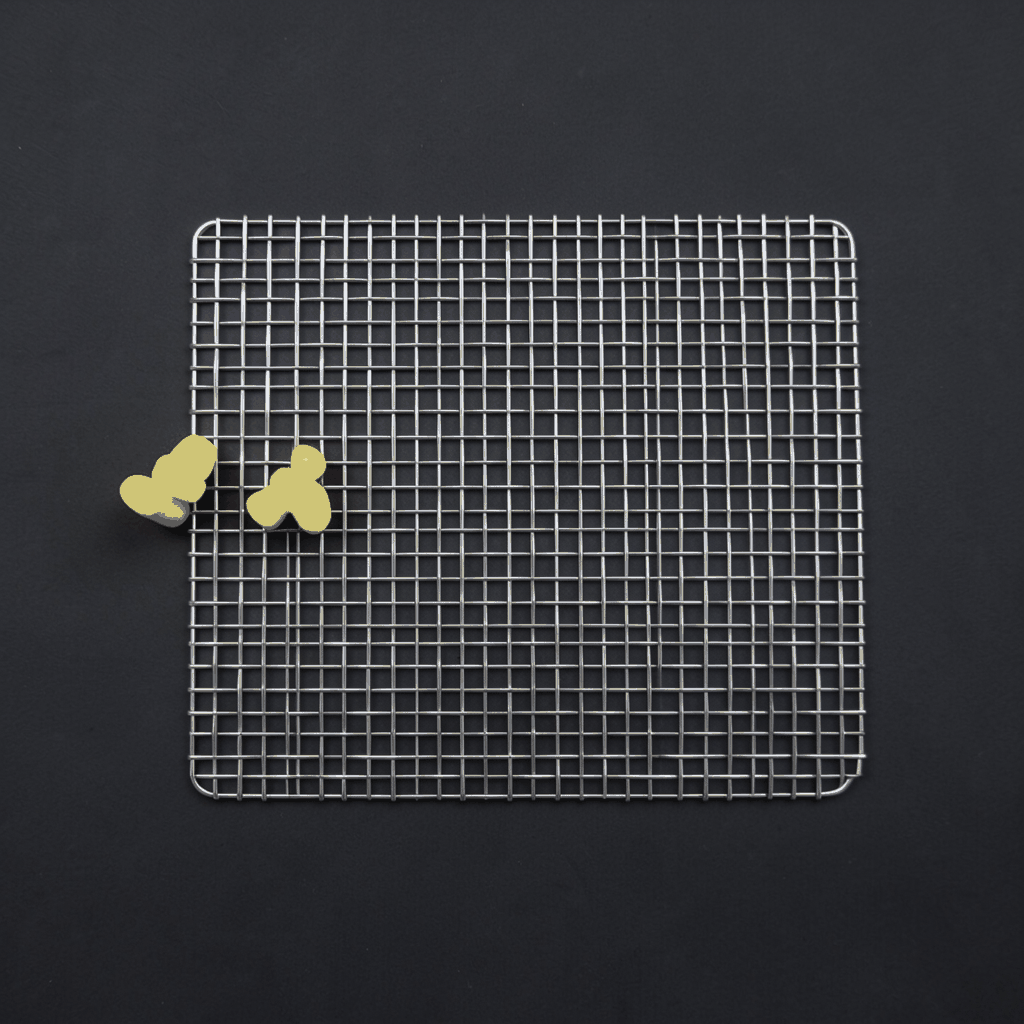
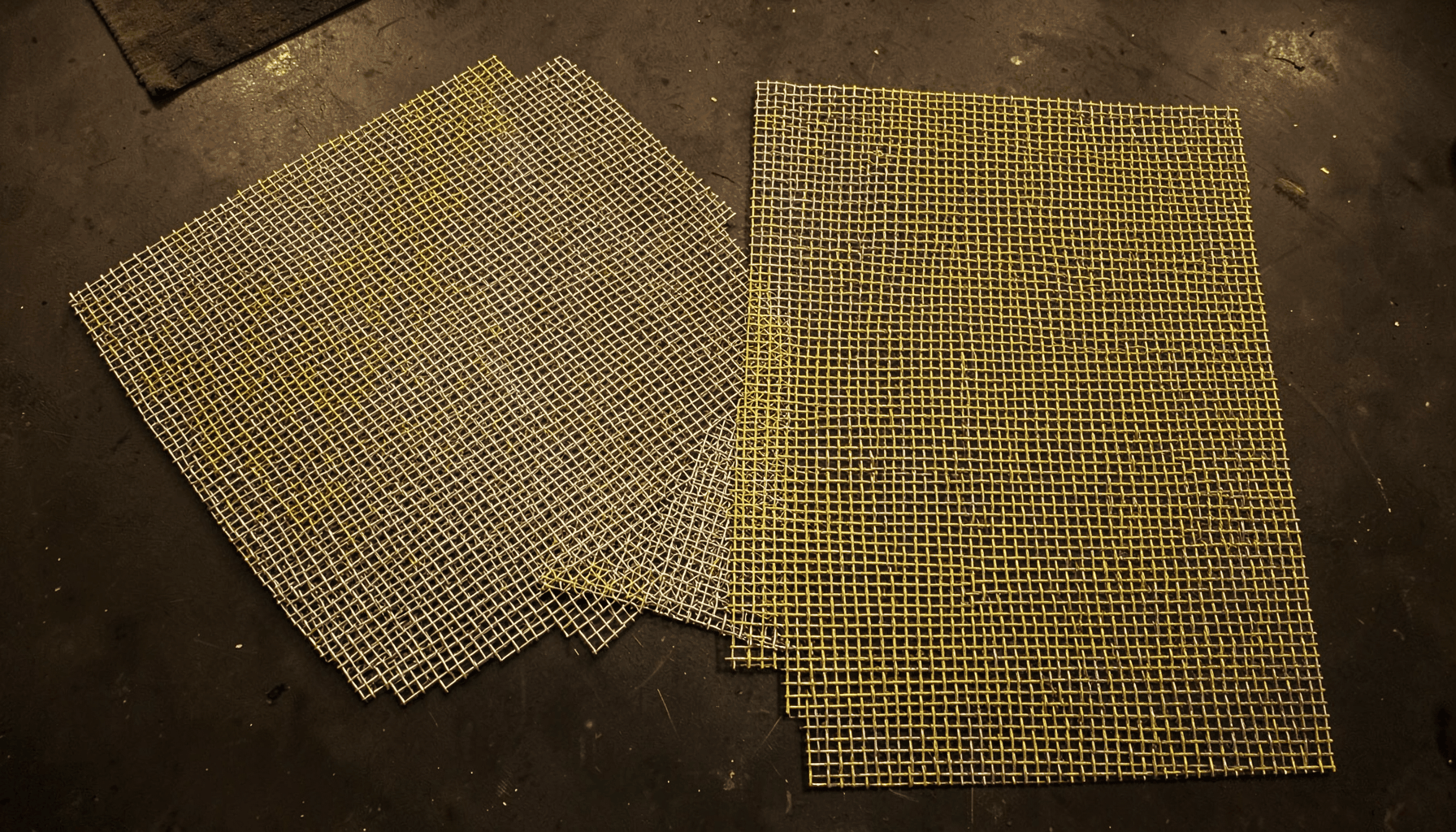
Coarse strainers commonly use woven wire cloth, perforated plate or welded mesh. Fine filtration requires a tighter weave, greater surface area or a more specialised filter medium. A high mesh count does not automatically mean better filtration, so the capture specification should be expressed in microns and supported by a recognised test method. ISO 4406 for hydraulic fluid cleanliness and ISO 8573-1 for compressed air provide useful reference points when defining requirements.
Performance depends on open area, wire diameter, element area and contaminant capacity. A restricted element raises differential pressure, increases energy use and may divert flow through a bypass. Engineers should compare clean-element pressure drop, dirty-element capacity and housing dimensions rather than considering filtration rating alone.
Materials and construction for demanding service
Stainless steel is a common choice for hydraulic filters because it combines strength, corrosion resistance and cleanability. Grade 316 is particularly suitable for coastal installations, washdown environments and applications where chlorides may be present. Grade 304 offers good general performance for less aggressive service, while aluminium can reduce weight in pneumatic equipment. Carbon steel may suit robust coarse baskets when the fluid and environment are not corrosive.
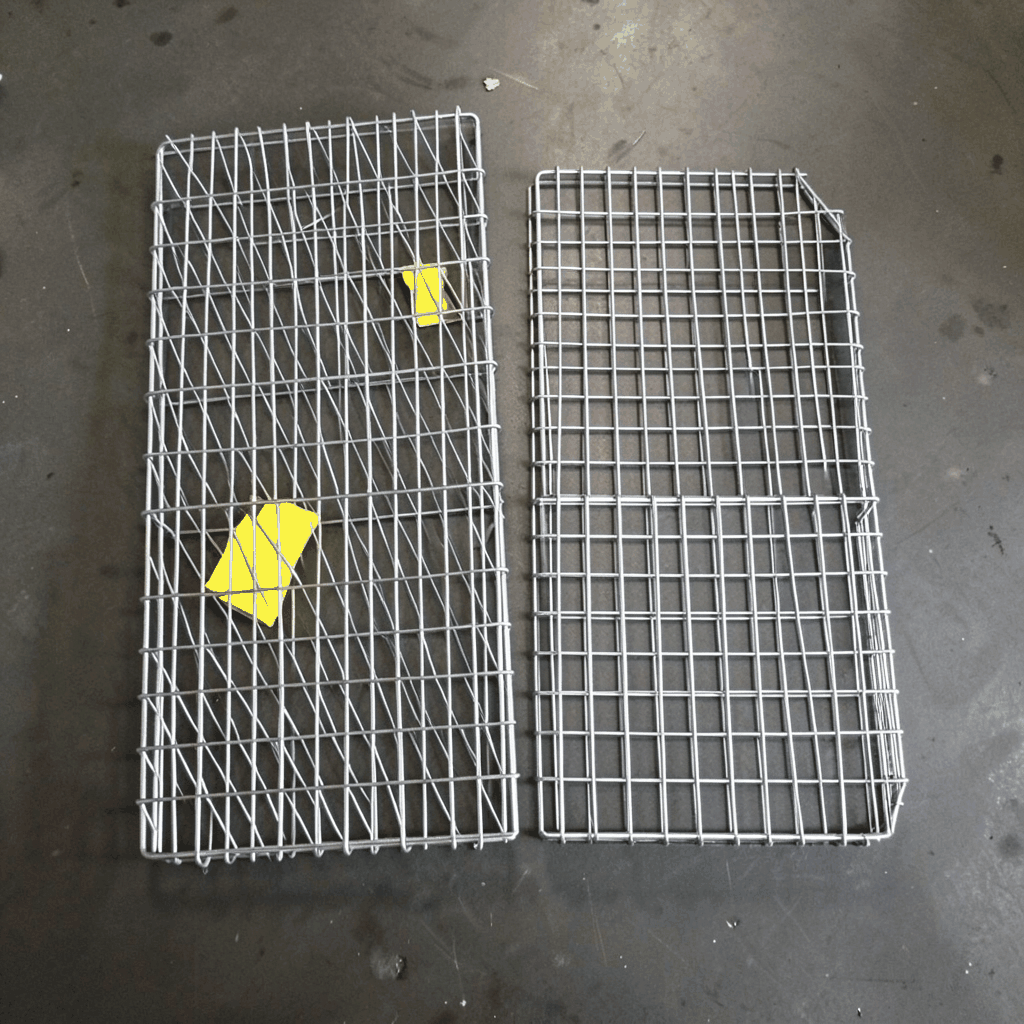
Woven wire cloth offers controlled openings and is useful where a defined particulate capture level is required. Welded mesh provides greater rigidity for larger baskets, while perforated or laser-cut sheets can support a fine mesh or act as a coarse pre-filter. Custom elements may be cylindrical, rectangular, disc-shaped or formed around a support frame, depending on the available installation space.
Surface finish, edge construction and attachment method influence service life. Smooth wires reduce the likelihood that particles will lodge in crevices, and a strong seam helps prevent a damaged element from shedding wire into the line. Removable lift handles, hinged lids and accessible sealing faces can simplify inspection. Cleaning methods should also be confirmed: caustic cleaners, solvents and high-pressure washing may damage coatings, seals or unsupported fine mesh.
Hydraulic oil systems and contamination control
Hydraulic oil carries wear particles from pumps, motors and cylinders back towards the reservoir, where they can remain in circulation. A return-line strainer can intercept this debris before it reaches the pump again. On mobile machinery, the element must tolerate vibration, pressure pulses and frequent servicing, while the housing needs enough open area to avoid excessive restriction during a lengthy shift.
Mining equipment provides a demanding Australian example. Machines working in the Pilbara encounter red dust, abrasive rock and high ambient temperatures, while operating around the Hunter Valley adds coal dust and constant exposure to road spray. In these environments, a robust stainless basket with a large filtration area can reduce contamination-related wear without creating an obvious restriction point.
Suction protection requires particularly careful engineering. A fine mesh placed directly at a pump inlet may create a pressure drop that encourages cavitation. A coarse basket with generous open area is usually more appropriate, followed by finer filtration elsewhere in the circuit. For filters located under pressure, the housing, cover, locking mechanism and seals must be correctly rated; the mesh element alone cannot make an unsuitable strainer safe.
Differential pressure should be monitored where possible. A rising reading between maintenance intervals can identify a blocked element before the bypass opens. Baseline pressure loss should be recorded for each new installation, allowing maintenance personnel to compare operating data with the expected clean condition.
Pneumatic air lines and equipment protection
Pneumatic systems depend heavily on clean, predictable air. Particles from compressors, intake grilles, receivers and pipework can damage solenoid valves, pneumatic cylinders and sensitive instruments. Mesh elements are useful for controlling solid debris, particularly in compressors, dryers, receivers and general air-line protection.
Mesh filtration does not remove every airborne contaminant. It can capture rust, dust and scale, but it will not reliably separate oil mist, water vapour or fine aerosol from the air stream. Coalescing or absorbent elements are needed for those duties. A well-designed pneumatic installation can therefore combine a particulate mesh stage with appropriate moisture and oil-control equipment rather than expecting one element to perform every function.
Air flow is often measured at higher volumes than liquid flow, so the element may need a large face area to keep pressure loss low. Compressor intake protection should resist both dust and airflow restriction, while receiver-mounted elements need reliable seals and straightforward removal. Australian workshops and industrial facilities often service pneumatic equipment during scheduled shutdowns, making replaceable or cleanable baskets especially valuable.
Practical selection details for Australian teams
Local conditions matter when specifying a filter element. Coastal facilities around Melbourne, Brisbane and Sydney may face salt-laden air, while dairy operations in Gippsland require equipment that withstands washdown chemicals. Australian importers and distributors also influence purchasing decisions, with buyers often requesting a sample, comparing lead times and checking material documentation before approving a custom component.
Hydraulic service priorities
- Record fluid type, viscosity, operating temperature, pressure and peak flow rate.
- Define the required micron rating and the test standard used to verify it.
- Compare clean and dirty differential-pressure limits with the available housing.
- Confirm element dimensions, sealing arrangement and removal clearance.
Pneumatic service priorities
- Establish airflow volume, pressure range and compressor or receiver capacity.
- Identify whether the main contaminants are dust, rust, scale, oil or moisture.
- Specify maximum clean-element pressure drop at the intended flow rate.
- Check corrosion resistance, noise requirements and maintenance access.
These details help prevent a common mismatch: an element that captures the intended particles but restricts flow, corrodes quickly or cannot be removed safely. Australian maintenance teams often say they need to “sort out” a recurring contamination problem, and a physical sample lets them check fit, finish and handling before a full order is placed. Dimensional drawings, material certificates and sample approval can be included with the quotation to make local procurement more straightforward.
Build a fit-for-purpose strainer specification
A useful filter specification starts with the failure being prevented, then works through the installation and service environment. Shuo Ke can use those requirements to advise on woven mesh, welded wire, perforated support, material grade, element geometry and cleaning method. Customisation also allows a practical prototype to be reviewed before production of the complete basket or replacement element.
Provide the fluid or gas type, duty cycle, temperature, pressure, flow rate, inlet and outlet dimensions, required filtration level and information about the housing. Where possible, include an existing sample or a photograph of the installed strainer. Request a material and dimensional review, a prototype or production sample, and a quotation for a made-to-measure mesh filter element from Shuo Ke Wire Mesh Product Technology Co., Ltd.