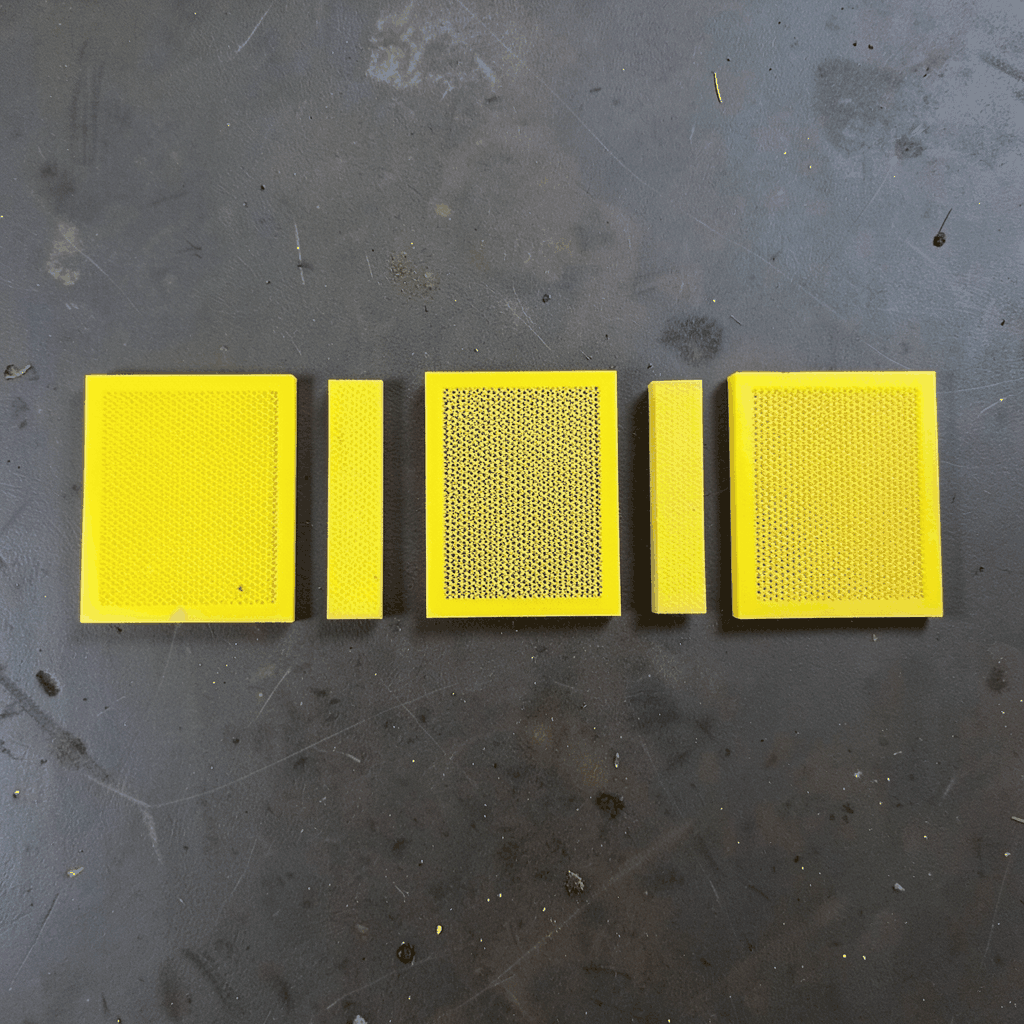
Mesh Filters for Oil Mist Collection in CNC Machining Centres
CNC machining centres produce accurate components, but cutting fluids can create a fine airborne mist that spreads through the enclosure, workshop and ventilation system. The mist may contain oil, water-based coolant, metal fines and chemical residues. If it is left unmanaged, it can settle on floors, machine surfaces and electrical equipment while reducing the quality of the workshop air.
A well-designed mesh filter gives an oil mist collector a practical first stage for separating liquid droplets from the airstream. As contaminated air passes through a mesh pad or layered metal screen, droplets contact the wire, combine into larger beads and drain into a collection area. This process is often called impingement filtration or mist elimination.
Shuo Ke Wire Mesh Product Technology Co., Ltd. manufactures and processes metal mesh products for industrial and architectural applications. Its capabilities include stainless steel, aluminium, copper, iron and alloy mesh, allowing filter elements and support structures to be developed around the airflow, coolant and maintenance requirements of Australian machining facilities.
How Oil Mist Forms Inside CNC Equipment
Oil mist is generated when a cutting tool rotates at high speed through a flood of coolant or neat cutting oil. Turbulence inside the enclosure breaks the fluid into small droplets, while heat from the tool and workpiece encourages evaporation and re-condensation. High-pressure through-tool coolant can create an especially fine aerosol that is harder to capture than larger droplets.
The size and composition of the mist depend on the machining operation. Turning, milling, grinding and high-speed drilling each produce different airflow patterns. Aluminium machining may release a lighter fluid mist, while heavy steel or cast iron work can produce a mixture containing fine metallic particles. Water-miscible coolant can also carry biological contaminants if concentration and housekeeping are poorly controlled.
A mist collector normally draws contaminated air from the machine enclosure through ducting or a direct-mounted intake. A pre-filter, mesh demister, coalescing stage or final high-efficiency filter then removes progressively smaller contaminants. The separated fluid should drain safely rather than collect inside the filter housing, where it can restrict airflow or become a fire and hygiene risk.
Australian workshops face varied operating conditions. A fabrication business in Melbourne may run enclosed machines through a cold winter with limited natural ventilation, while a Queensland facility may deal with heat and high humidity that influence condensation and coolant stability. In Perth and regional mining areas, abrasive dust can also enter the system and load the filter before the oil mist stage is fully used.
Why Metal Mesh Works as a Mist Separator
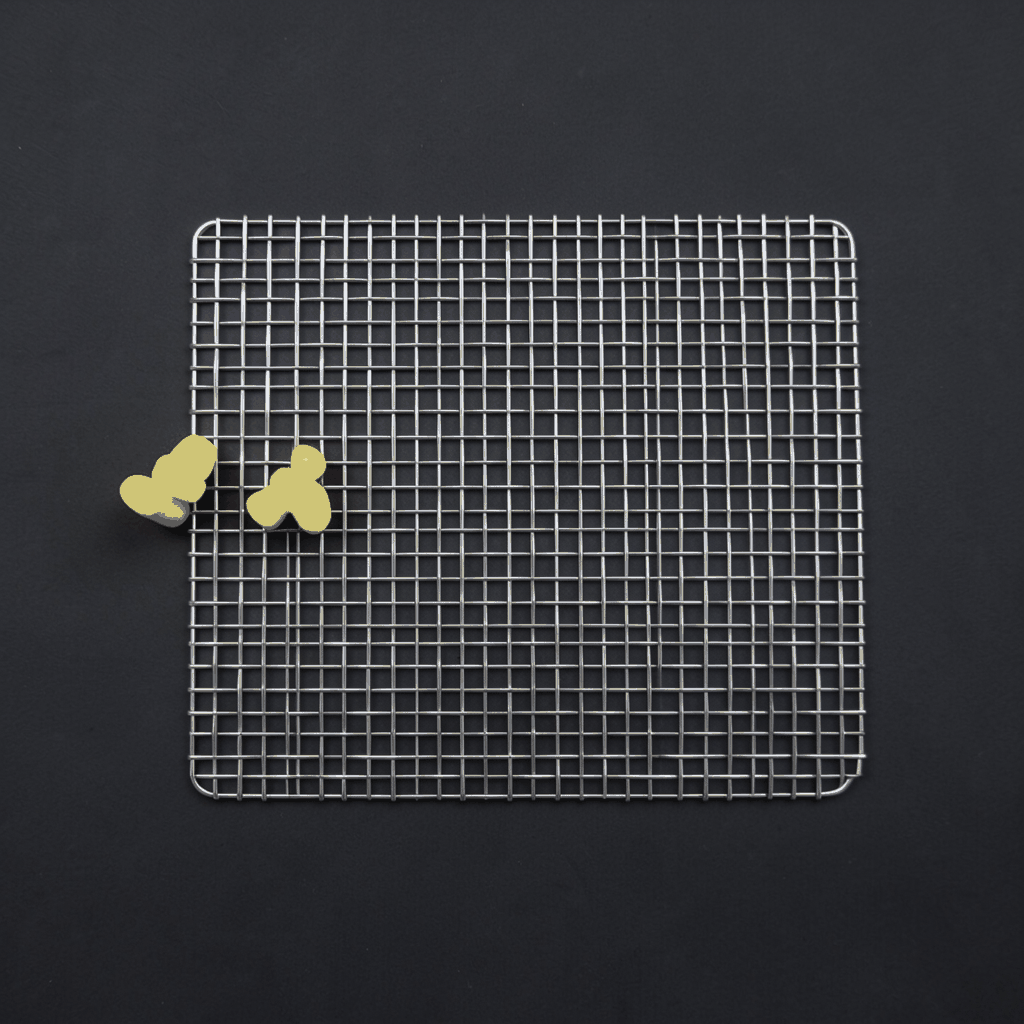
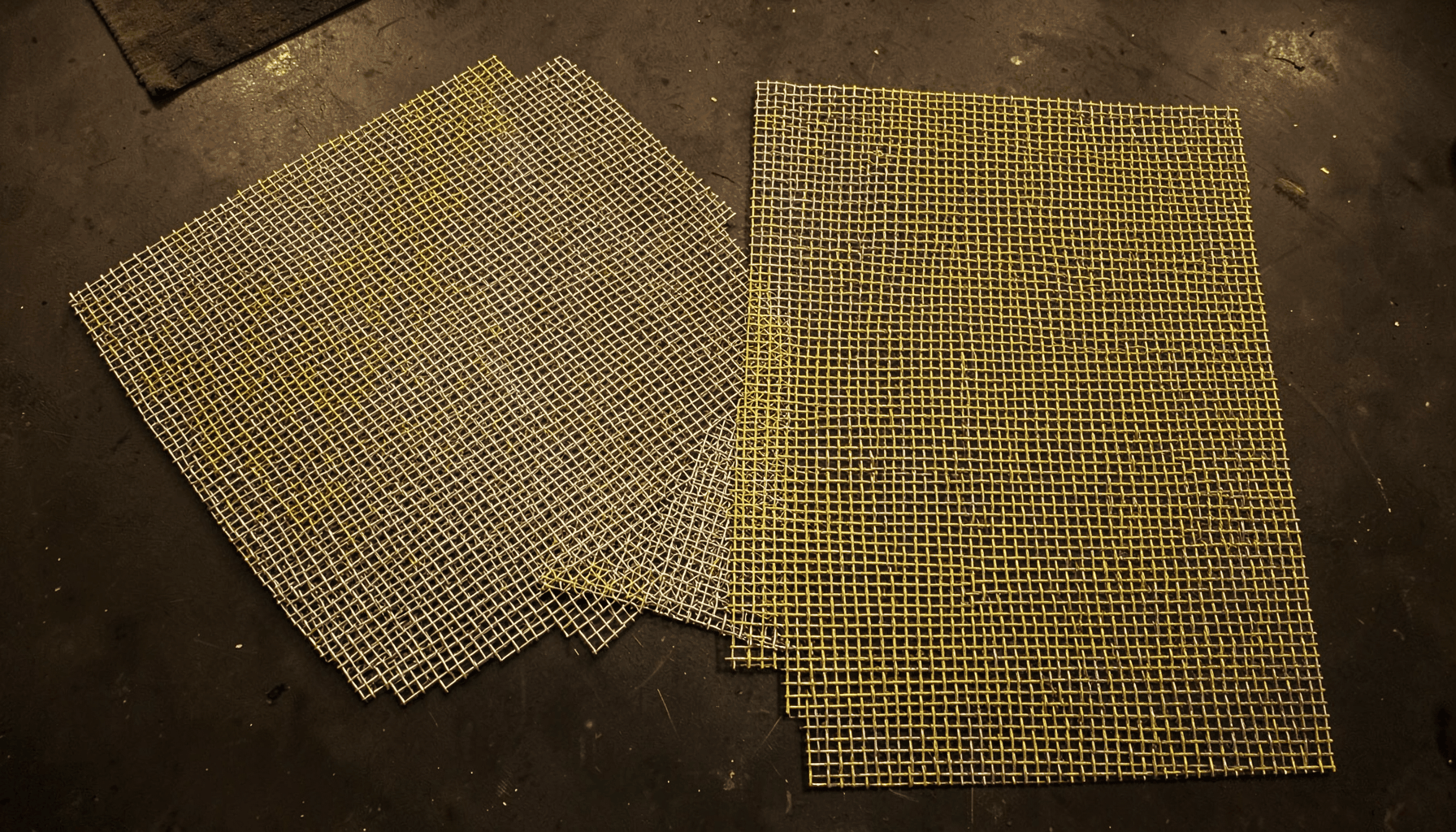
Metal mesh is effective in applications where a robust, washable and reusable separation stage is preferred. Woven wire mesh creates a network of contact points without blocking the airflow as quickly as a dense disposable medium. When several layers are stacked, knitted, corrugated or fitted into a pad, the available surface area increases and liquid droplets have more opportunities to coalesce.
Stainless steel is a common choice for CNC oil mist filtration because it tolerates moisture, many cutting fluids and repeated cleaning. Aluminium offers lower weight and useful corrosion resistance where the fluid chemistry permits it. Copper and specialist alloys may be considered for particular conductivity, temperature or compatibility requirements, while iron mesh can suit less corrosive, cost-sensitive applications when protected appropriately.
The mesh opening, wire diameter, layer count and pad thickness all affect performance. A coarse screen can catch larger chips and droplets with low pressure drop, but it will not remove fine aerosol efficiently by itself. A finer or deeper mesh assembly can improve droplet capture, although excessive density may increase fan energy, reduce extraction flow and shorten service intervals.
For this reason, an oil mist filter should be selected as part of a complete collector rather than judged by mesh fineness alone. A practical system balances capture efficiency, pressure loss, drainage and cleaning access. A support frame, gasket and retaining grid are equally important because a loose or poorly sealed element can allow contaminated air to bypass the filtration media.
Designing Filters for Australian Machine Shops
The starting point is the machining process. Record the type of coolant, approximate flow rate, machine enclosure volume, spindle speed, operating hours and expected air temperature. It is also useful to identify whether the collector serves one machine or several units through a shared duct network. A filter intended for a small enclosed lathe will have different dimensions and loading characteristics from one serving a production line.
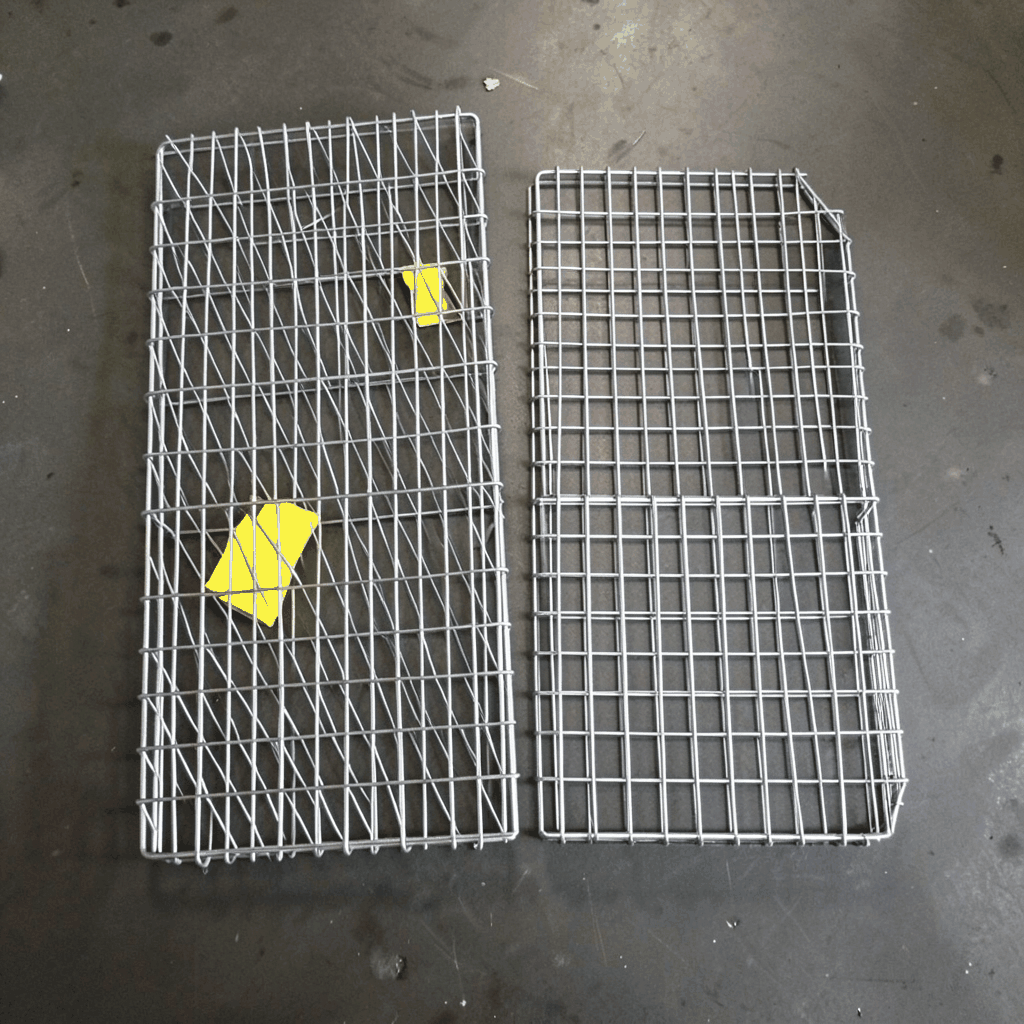
Filter geometry should match the collector housing. Common formats include flat pads, cylindrical cartridges, pleated elements with mesh support, removable baskets and framed panels. A wire mesh demister can be cut, rolled, layered or shaped to suit an existing unit. Custom fabrication is valuable when replacement filters are no longer available or when a workshop needs a washable alternative to a proprietary consumable.
Drainage deserves careful attention. Coalesced oil should move towards a drain or sump under gravity instead of pooling in the centre of the filter. The housing may require a sloped base, drain tube, collection bottle or oil return line. Seals should resist coolant exposure, and the frame must hold the media firmly during fan start-up, vibration and filter cleaning.
Local procurement can influence the best configuration. Australian manufacturers often need dependable replacement intervals because a machine may run through a full shift, including the afternoon or “arvo”, with limited time for maintenance. For sites outside Sydney, Melbourne or Brisbane, holding spare elements locally can be sensible when imported parts have variable lead times. A manufacturer able to confirm drawings, mesh grade and packing requirements before production can simplify this process.
Maintenance, Safety and Operating Costs
A mesh filter only performs reliably when it is inspected and cleaned at suitable intervals. A rising pressure differential, visible oil carryover, reduced extraction or an oily film around the machine can indicate that the element is loaded or damaged. Operators should record pressure readings and cleaning dates so that maintenance is based on actual conditions rather than guesswork.
Cleaning methods depend on the metal and the coolant. A removable stainless steel element may be soaked in an approved degreaser, rinsed and dried before refitting. Low-pressure air can remove loose contamination, but blasting from the wrong direction may drive oil deeper into the mesh or damage fine wires. High-pressure water should be controlled to prevent distortion, residue and unsafe aerosol generation.
The filter housing should be isolated before service, with the fan stopped and stored energy addressed under the site’s lockout procedure. Used coolant, wash water and oily residues need to be handled according to the facility’s environmental and waste requirements. A filter saturated with combustible oil should never be treated as ordinary general waste without checking the relevant site procedure.
Australian businesses commonly manage these activities under state and territory work health and safety systems. A risk assessment should consider airborne exposure, flammability, noise, access, electrical equipment and discharge air. Safe Work Australia guidance and relevant machinery and ventilation requirements, including applicable AS/NZS standards, can inform the design, but the responsible engineer or workplace adviser should verify which provisions apply to the particular installation.
Selecting a Mesh Filter and Collector Assembly
Performance testing should look beyond the nominal mesh aperture. Ask for information about airflow, pressure drop, droplet size range, filter loading and drainage. If the supplier cannot provide a complete efficiency figure, request representative operating data or discuss a trial element. A filter that appears inexpensive may become costly if it causes excessive fan load or requires frequent manual cleaning.
Material compatibility is equally important. Obtain the coolant safety data sheet and check how the fluid behaves with stainless steel, aluminium, copper, seal materials and cleaning chemicals. Cutting fluids vary widely, so a mesh suitable for soluble oil may not be the best option for a synthetic coolant, neat oil or a fluid containing aggressive additives.
A custom metal mesh manufacturer can also assist with practical details such as edge finishing, welded frames, mounting holes, handles, retaining grids and replacement identification. Shuo Ke can produce metal mesh components in different materials and configurations for industrial filtration, including filter baskets, support screens and made-to-size assemblies. Final performance still depends on the collector design, fan selection and installation quality.
Checks Before Ordering
- Confirm coolant type, temperature, viscosity and chemical compatibility.
- Measure the existing filter, frame, gasket and access opening.
- Record normal airflow and pressure-drop limits.
- Specify whether the element must be washable, drainable or replaceable.
Checks During Operation
- Inspect for oil bypass, collapsed mesh and blocked drainage.
- Track pressure readings against the clean-filter baseline.
- Keep spare elements and seals available for planned servicing.
- Review extraction performance after coolant or tooling changes.
A suitable oil mist collection system protects the machining environment, reduces residue on equipment and supports more predictable maintenance. It should also work with the daily habits of the workshop, whether that means a small engineering business in Adelaide, a contract manufacturer in Sydney or a remote operation supporting Western Australia’s resources sector. Good filtration is a balance between separation efficiency, airflow, durability and straightforward service.
Shuo Ke Wire Mesh Product Technology Co., Ltd. can develop metal mesh filter components and supporting products around your machine dimensions, material requirements and operating conditions. Share the filter drawings, mesh specifications, coolant details and target airflow to discuss a practical oil mist separation solution for your CNC machining centre.