Mesh guards for conveyor belt transfer points: practical safety for heavy industry
Transfer points on conveyor systems are where material falls from one belt to another, where spillage is most likely, and where workers on the ground are most exposed to moving parts. Across Australia, this is not an abstract problem. Iron ore operations in the Pilbara shift millions of tonnes a day through networks of conveyors linking pits to stockpiles and trains. Coal moves through the Hunter Valley and the Bowen Basin, often through brownfield sites where older transfer towers sit beside newer builds. In every one of these locations, mesh guards do the unglamorous job of keeping people away from pinch points, idlers, and tail pulleys, and they do it reliably for years without much fuss.
For procurement officers and site engineers working on FIFO rosters out of Perth or Brisbane, a guard that bolts on quickly and survives a Pilbara summer or a Newcastle winter is worth its weight in shutdown hours avoided. The challenge is matching the guard to the application, since a one-size guard will rarely suit a 1600-millimetre primary conveyor feeding a stacker and a 900-millimetre reclaim belt in a washery. The sections below walk through how mesh guards are specified, fabricated, and maintained for Australian bulk-handling conditions, and where customised mesh panels outperform off-the-shelf alternatives.
Why transfer points demand a different kind of guard
A transfer point is not just another stretch of conveyor. It is a zone where the belt changes direction, where material drops through gravity, and where the geometry of the structure leaves little room for error. Rocks can bounce, fines can spray, and a torn belt edge can whip sideways. A flat sheet of plate or a length of chain across the opening is a crude barrier; a properly engineered mesh guard is a system.
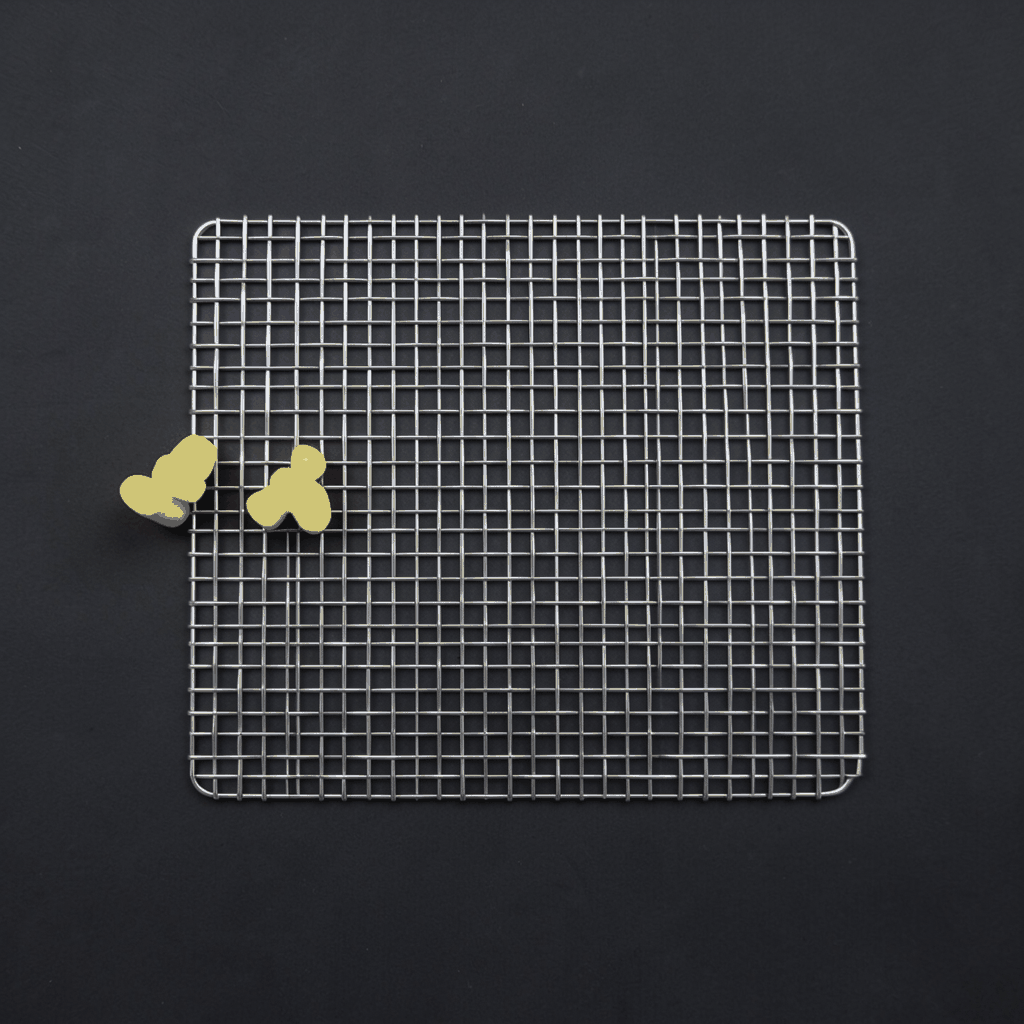
The value of woven or welded mesh in this setting comes from visibility and ventilation. Airflow through the guard helps dissipate dust, which matters in coal handling plants where methane and coal dust are genuine concerns. The open weave also lets a fitter inspect bearings, scrapers, and idlers without removing panels, so routine checks happen on time rather than after someone has hunted for spanners. Many Australian maintenance crews have a fair dinkum preference for guards they can see through, because it cuts the time spent fault-finding and reduces the temptation to leave guards off altogether.
There is also the human factor. Workers on remote sites rotate through long shifts and are often operating in conditions of high heat, dust, and noise. A guard that is awkward to open or that requires special tools tends to be left undone. Mesh panels with quick-release latches or hinged doors encourage correct use because they are designed for the way tradies actually work, not just the way the original equipment manufacturer drew them on a CAD screen.
Material selection for Australian conditions
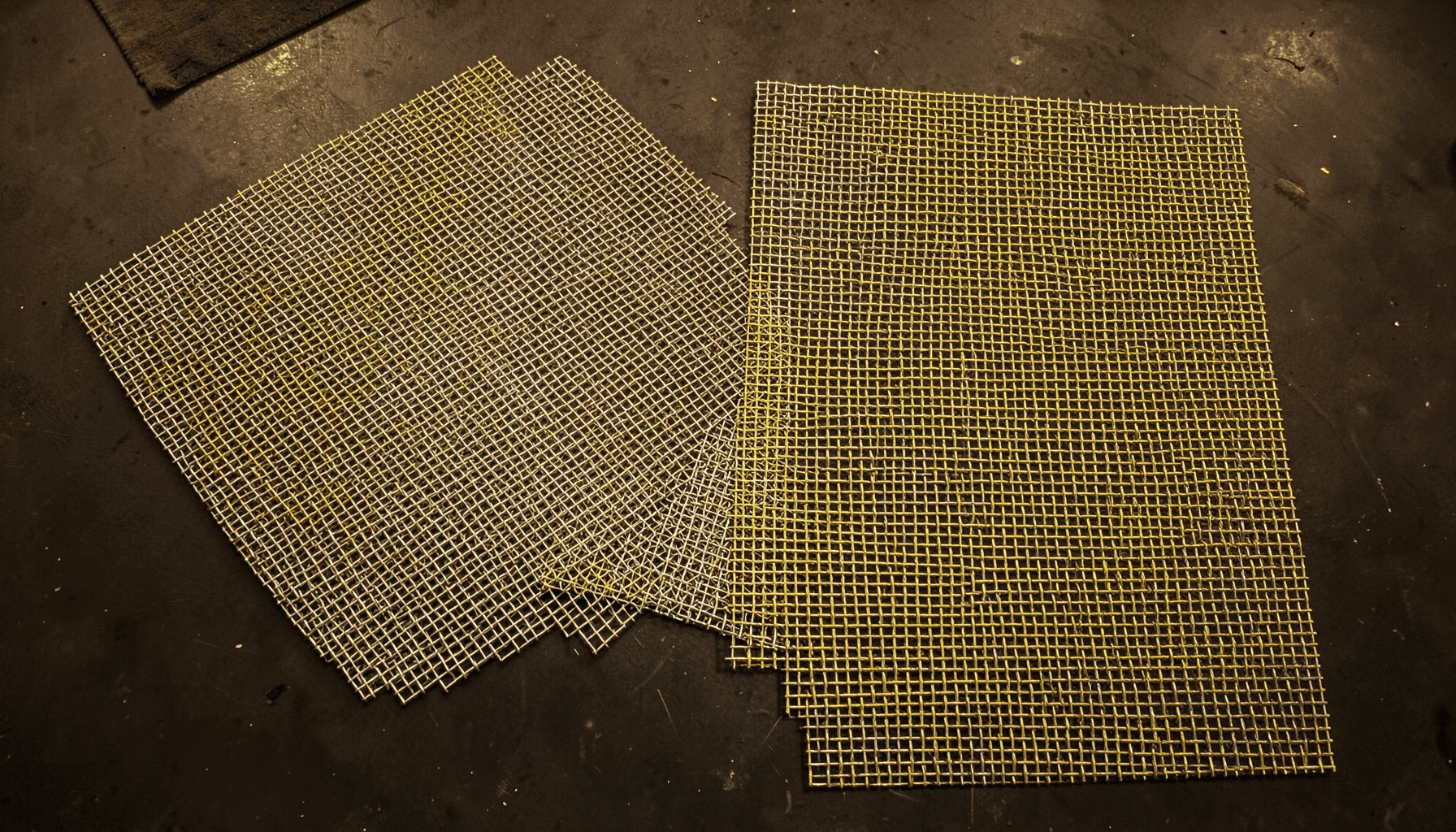
Stainless steel is the default for many mesh guards, particularly on coal plants where moisture and acid mine drainage accelerate corrosion. Grade 304 works in most service environments, but grade 316 is a sensible upgrade near the coast, where salt spray from Port Hedland's salt flats or the humid air around Gladstone cuts through mild steel in a matter of seasons. Aluminium mesh is lighter and easier to handle at height, which is useful when guards are fitted to elevated transfer towers where a two-person lift is the practical limit.
For high-impact zones such as the head pulley of a primary transfer, the guard itself may be a hybrid: a stainless or galvanised frame fitted with a heavier woven panel, sometimes backed by a sheet of AR plate to absorb spillage. The mesh still does the visibility and ventilation work, while the backing absorbs the kinetic energy of falling ore. In iron ore applications across the Pilbara, this kind of layered assembly is increasingly common, because the lump size coming off a primary crusher does not slow down politely when it hits a guard.
Galvanising also deserves a mention. Hot-dip galvanised mild steel is the workhorse of Australian infrastructure, from guardrails on regional roads to the catwalks on conveyor galleries. For mesh guards that are not in continuous contact with corrosive media, a galvanised frame with stainless mesh panels is often the most cost-effective combination, balancing upfront cost against service life. Local fabricators will usually specify galvanising to AS/NZS 4680, which is the standard the rest of the Australian supply chain is built around.
Compliance with Australian standards and site rules
Every conveyor guard installed in Australia has to align with AS 4024.1, the safety-of-machinery series, and AS 4324.1, which covers mobile and stationary conveyors. The specifics matter: openings must be small enough to prevent a hand or finger reaching a moving part, edges must be free of sharp protrusions, and the guard must be securely fixed so it cannot be dislodged by vibration. Mesh apertures below 20 millimetres generally satisfy the reach-through test for most belt widths, though finer mesh may be specified in zones where small tools or rags could be drawn into the nip.
Beyond the standards, each operating company has its own guard specifications. BHP, Rio Tinto, Fortescue, and the major coal producers in the Hunter Valley each publish internal standards that are often stricter than the minimum. They may require a minimum panel thickness, a specific latch type, or colour-coded frames for different hazard zones. Working with a mesh supplier who can adapt to these bespoke requirements is the difference between a guard that arrives ready to install and one that sits in the laydown yard waiting for modification.
SafeWork NSW, Resources Safety & Health Queensland, and the Department of Mines in Western Australia each maintain inspection regimes, and non-conformance notices can shut down a conveyor until a guard is replaced. In practice, this means procurement teams prefer suppliers who can provide test certificates, material traceability, and conformity documentation in the format that state regulators expect. It is not glamorous paperwork, but it is the difference between a clean audit and a stop-work order.
Custom fabrication and on-site installation
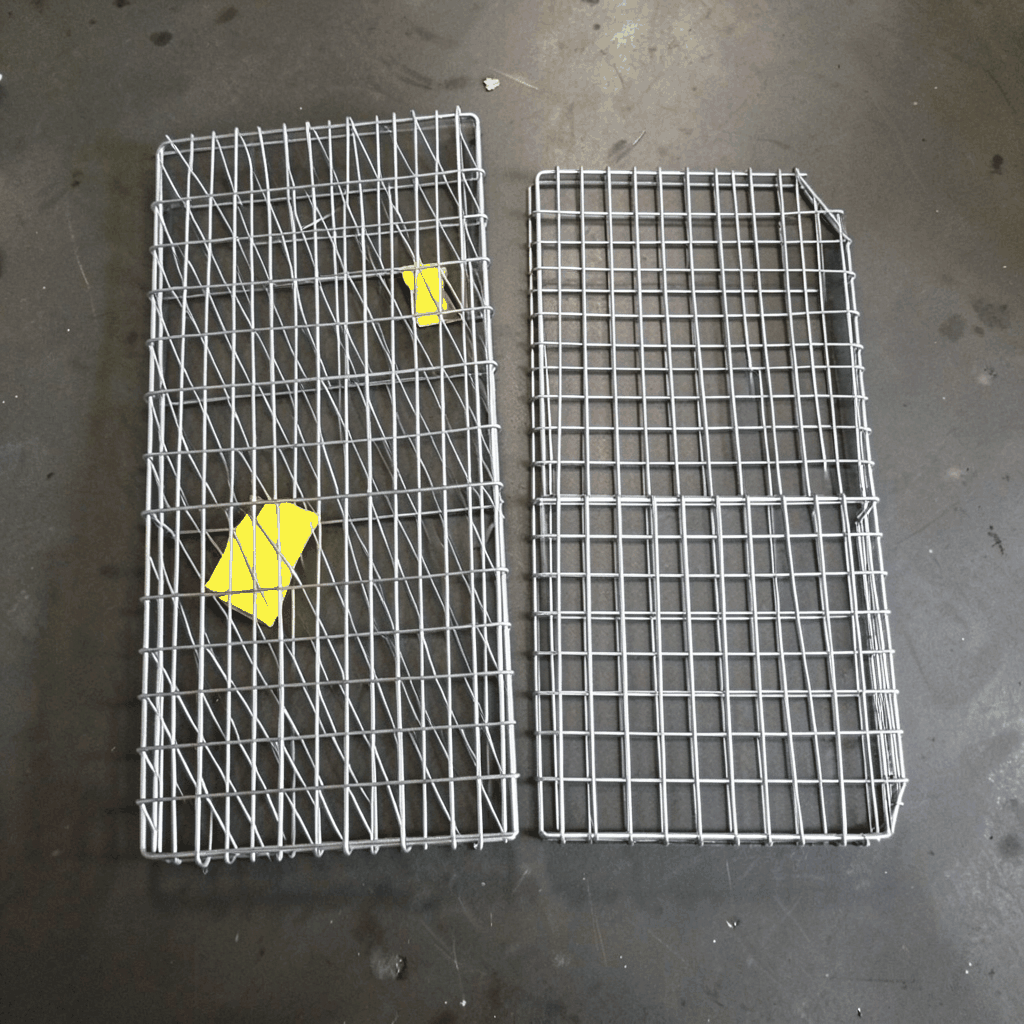
Off-the-shelf guards rarely fit a transfer point as it actually exists in the field. Frames have to be notched around cable trays, skirting has to be sealed to the conveyor stringer, and access doors have to swing clear of the walkway. A mesh guard fabricated from a 3D scan or detailed site measurements will save more time during installation than any amount of clever bracket design.
The practical workflow on most Australian sites is to send the supplier a marked-up general arrangement drawing with the required clearances and then approve a shop drawing before manufacture. For retrofit work on older transfer towers, suppliers are increasingly asked to work from laser scans, particularly in the Hunter Valley where brownfield upgrades are common and as-built drawings are often a work of fiction. Shuo Ke Wire Mesh works with site survey data in this format and produces guard sets with piece marks that match the client's installation sequence, so the crew does not have to sort panels at the top of a 30-metre tower.
Installation on an operating mine is its own art form. Most work happens during scheduled shutdowns, which on a Pilbara iron ore train-loading conveyor might be a 12 to 24-hour window twice a year. Crews arrive on charter flights, the shutdown is counted down minute by minute, and any guard that has not been pre-assembled on the ground will lose its slot. Suppliers who deliver guard sets in numbered crates, with pre-cut fixings and a printed install sequence, are the ones who keep their foot in the door for the next project.
Maintenance, spare parts, and whole-of-life value
A mesh guard is not a one-off purchase. Panels get bent by rocks, latches wear out, and galvanising eventually gives way to rust at the welds. The smartest procurement approach is to buy the guard with a documented spare-parts list, including replacement mesh panels, hinges, and latch assemblies. Storing a few spare panels in the site warehouse is a small cost compared with the cost of waiting three weeks for a replacement during a production-critical window.
Predictive maintenance also plays a role. Many sites now fit vibration sensors and cameras on transfer points, and a guard that blocks line-of-sight to a critical bearing or scraper will simply be removed. This is where the visibility advantage of mesh pays off again: it lets cameras and thermal imaging equipment do their job without the guard being compromised. Over a 10-year service life, a well-specified mesh guard typically costs less than the lost production from a single three-day shutdown caused by a guard-related incident.
The total cost of ownership is where custom mesh guards outperform cheaper imports. A guard that fits, lasts, and is documented for the maintenance team will outlive several of its budget-priced counterparts, and the labour saved during installation alone often justifies the modest premium. For Australian operators managing tight FIFO logistics and unforgiving shutdown windows, that math is straightforward.
If you are weighing up mesh guard options for a transfer point upgrade or a greenfield conveyor project, the most useful first step is to send through your general arrangement drawings and any site-specific standards you need to meet. Shuo Ke Wire Mesh can quote from a sketch, a scan, or a full 3D model, and the team is used to working around Australian shutdown windows. A quick conversation at the specification stage usually saves weeks of rework once the steel is on the water.