Anti-Climb Mesh Panels for Stronger Industrial Perimeters
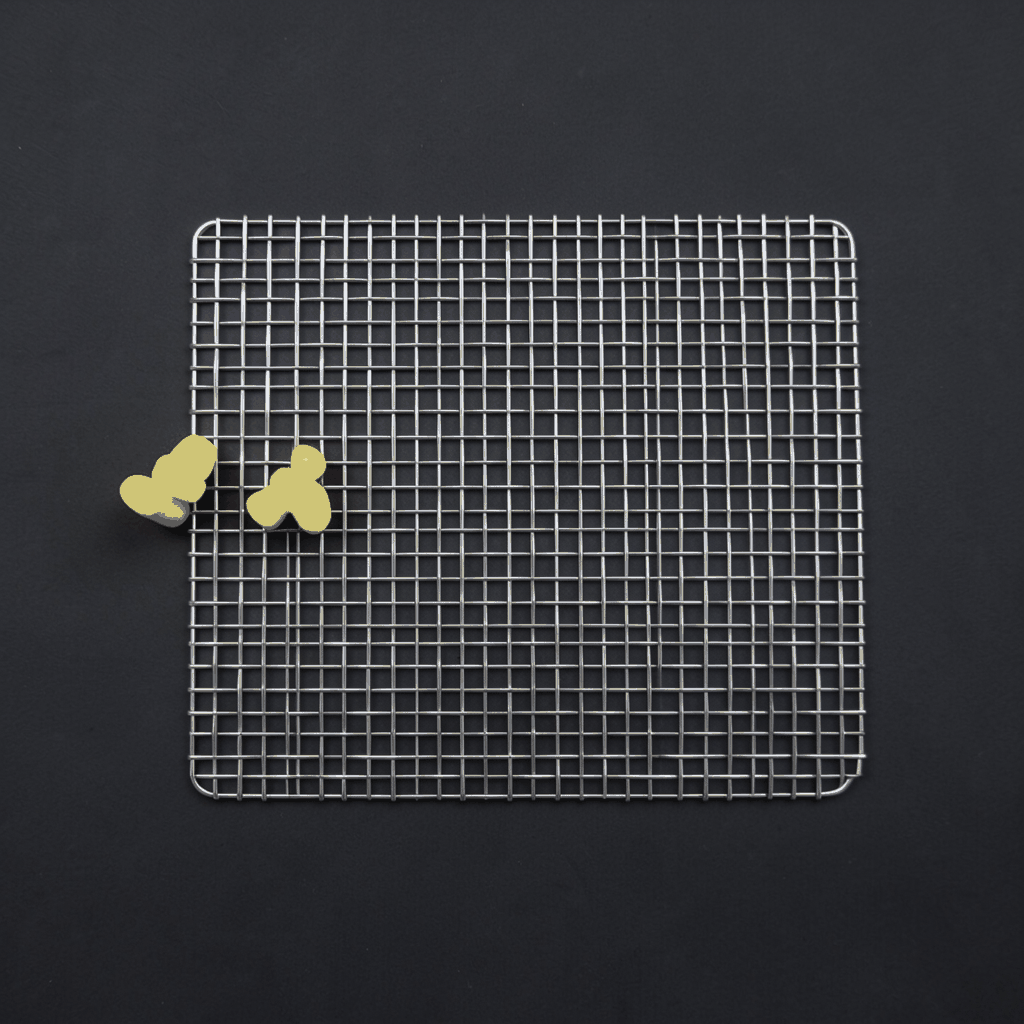
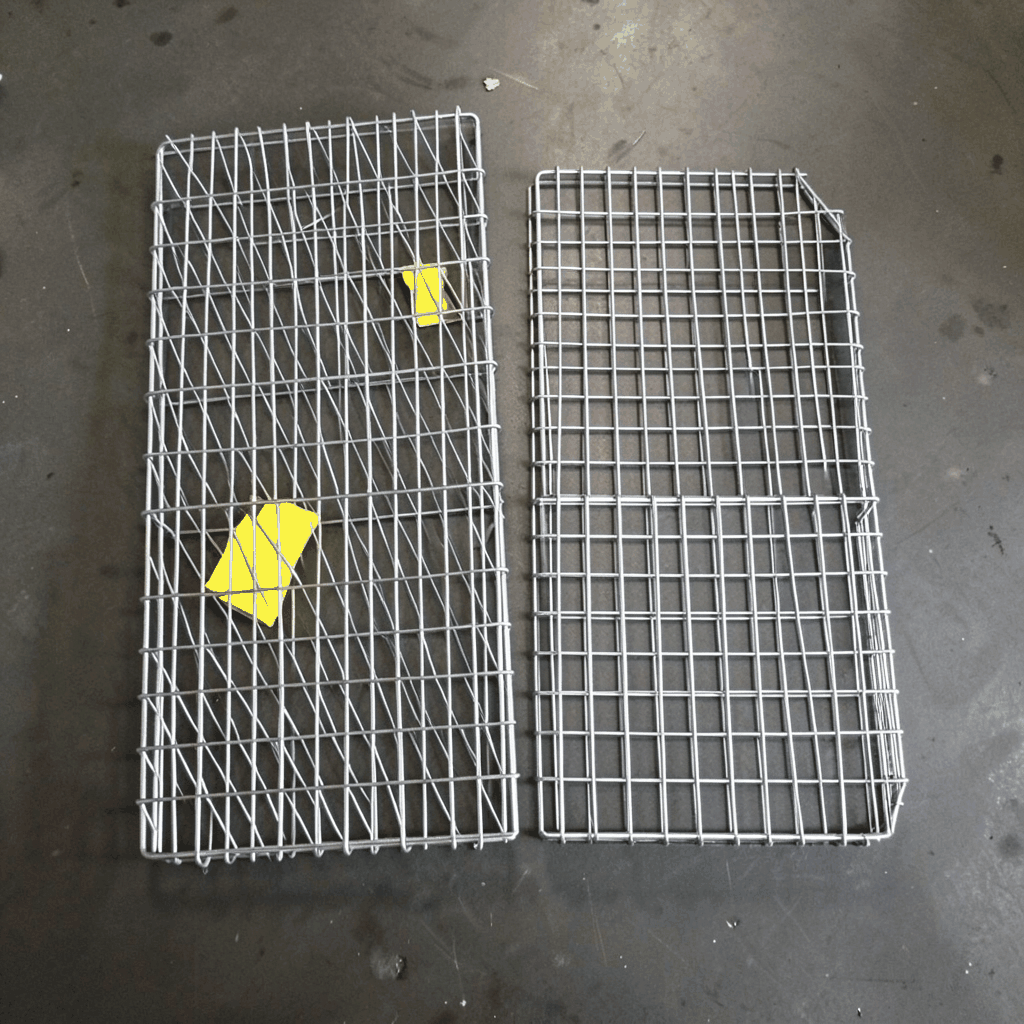
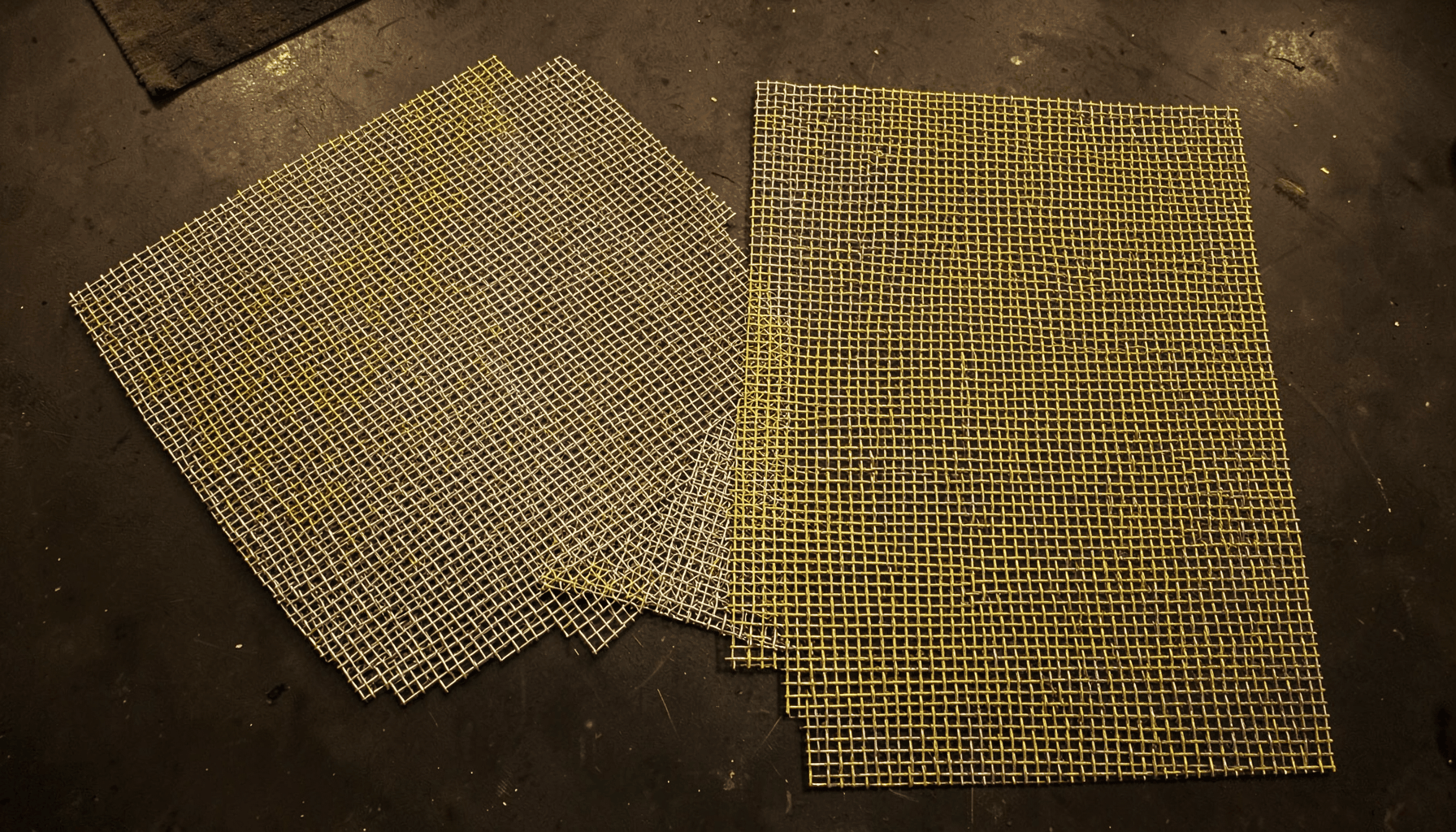
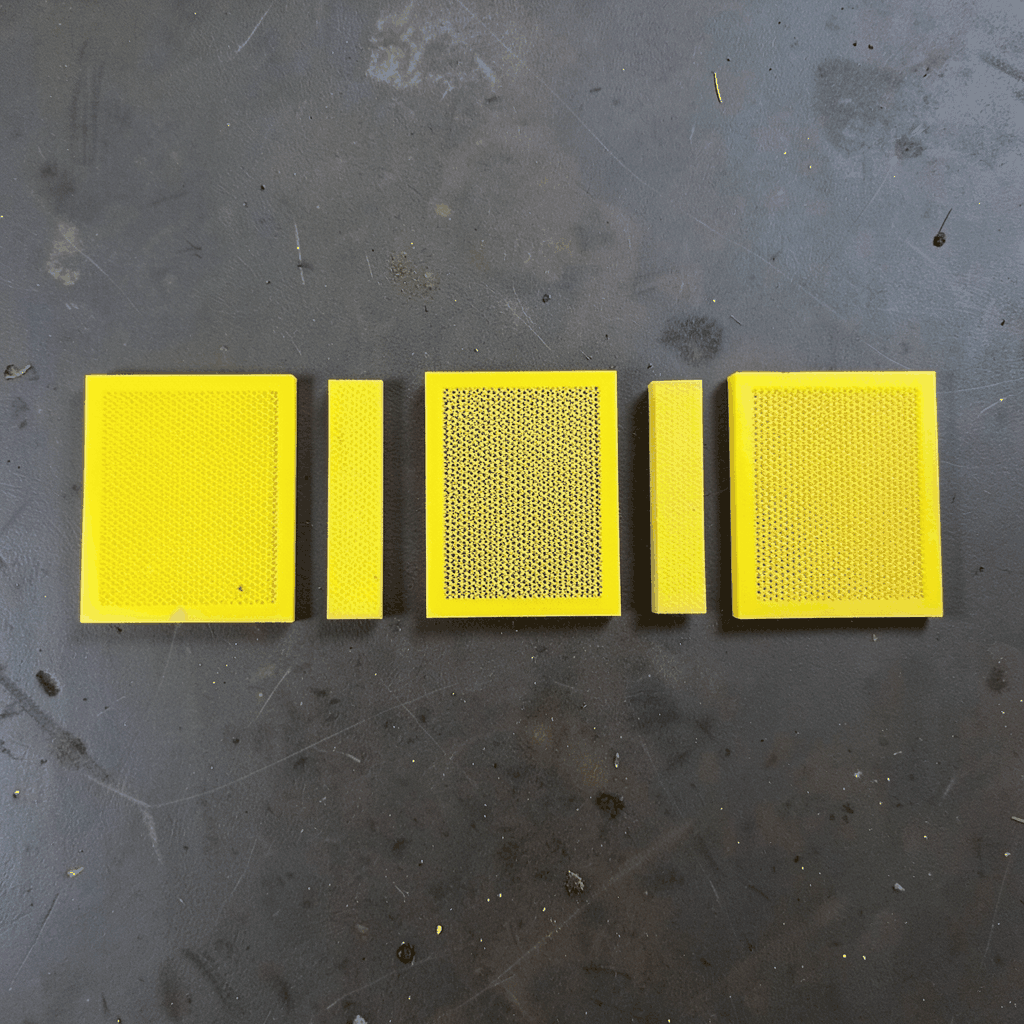
Mesh panels for anti-climb fencing on industrial sites are designed to limit the footholds available to an intruder. Closely spaced vertical and horizontal wires make climbing difficult while preserving visibility, airflow and a clear view of security activity. This combination makes welded mesh panels particularly suitable for warehouses, manufacturing plants, utility compounds, storage yards and equipment areas.
Anti-climb performance depends on the complete perimeter system rather than the appearance of the mesh alone. Panel height, post strength, ground clearance, fixing security and the surrounding site layout all influence whether a person can scale the boundary. A well-specified mesh panel supports deterrence and delay, while cameras, lighting, alarms and regular inspections strengthen the overall security strategy.
Australian industrial sites need fencing that responds to local conditions and regulatory expectations. Projects around Melbourne, Sydney, Perth, Brisbane, Newcastle and Geelong may face coastal corrosion, intense summer heat, strong winds, nearby vegetation or high-density urban surveillance requirements. Buyers should assess the current edition of AS 4687 alongside project-specific security, workplace and council requirements.
The most effective approach is to define the threat, site exposure and operational needs before selecting wire dimensions or coatings. Custom mesh panels can then be engineered around Australian standards, installation methods and the appearance of the facility, producing a perimeter that is practical to install and maintain over its service life.
What anti-climb mesh panels actually prevent
Anti-climb panels use a dense wire pattern to remove the large openings that provide convenient grips or footholds. Instead of a climber finding space for a foot, the panel presents a continuous grid that is difficult to grip securely. The small openings also allow staff and security personnel to identify activity beyond the fence without compromising perimeter visibility.
Aperture size is one of the most important design variables. A tightly spaced grid may discourage body-weight climbing, yet openings that are too small can create finger-entrapment or cutting hazards. Designers should balance resistance against safe access requirements, particularly where employees may work close to the fence or inspect it from ladders and platforms.
The panels are a physical delay measure, not an impassable barrier. Determined climbers can exploit welded joints, damaged sections, adjacent posts, gates or stored materials. Anti-climb fencing works best when it forms part of a maintained security system and when obvious climbing aids are kept away from the perimeter.
Selecting mesh aperture, wire and finish
Welded wire mesh is generally preferred for anti-climb applications because each intersection forms a rigid panel that resists deformation. The wire diameter, aperture, panel width and weld strength must be selected together. Heavier wire is useful where impact damage or vandalism is likely, although excess weight can increase cost, post loads and installation effort.
Material selection should reflect the exposure rather than simply the longest possible service life. Galvanised steel is a common choice for general industrial fencing, while stainless steel offers stronger corrosion resistance in demanding coastal, chemical or marine settings. Aluminium can reduce weight and suit architectural applications, but it requires compatible fasteners and a careful assessment of strength, galvanic reaction and finish durability.
Coating specifications should identify the substrate, coating process, nominal coating mass, colour and expected exposure. Powder-coated panels are widely used in Australia because they coordinate with industrial buildings and gates, but damaged coating can expose steel to corrosion. High-traffic sites near loading docks, vehicle routes or coastal facilities benefit from a finish system developed for that particular environment.
Matching panels to Australian site conditions
Conditions change substantially across Australia. Industrial areas around Perth and Newcastle can experience demanding coastal or marine exposure, while Melbourne projects may encounter highly variable rainfall and wind. Inland facilities in regional Queensland or Western Australia may face heat, dust and intense ultraviolet exposure that affects polymers, seals and surface treatments.
Salt-laden air near Sydney, Melbourne, Brisbane and Perth can accelerate corrosion at scratches, cut ends and poorly finished welds. Continuous galvanising, stainless hardware, sealed wire intersections and protected post bases can improve long-term performance. The finish should be reviewed against actual site exposure instead of relying on a generic coastal or rural classification.
Bushfire-prone industrial sites also require coordination with vegetation controls, emergency access and fire authority requirements. Mesh itself should not be presented as a fire-rated barrier unless it has supporting documentation. Where the perimeter adjoins native vegetation, the fence design may need to reduce combustible accumulation while preserving visibility for fire crews.
Posts, fixings and installation details
Panels must be supported by posts designed for the calculated wind loads, soil conditions and panel weight. The spacing between posts affects deflection, but bringing them closer does not automatically improve security if the fixings remain accessible. Post sections, caps, flanges and base plates should be specified as a coordinated assembly with the mesh.
Stainless steel or hot-dip galvanised security bolts help prevent removal with ordinary tools. Fixings should be appropriate for the post material, and any exposed threads should not provide easy purchase points for climbing. Buried post bases need adequate concrete founding or another engineered foundation method, particularly where soil is soft, flood-prone or affected by mining activity.
Installation quality is as important as product quality. Panels should remain tensioned without bowing, sharp edges should be removed, and access gates should align without creating gaps. Bins, pallets, ladders, stockpiled pipe, shipping containers and parked vehicles should be positioned away from the fence line so they cannot become ready-made climbing aids.
Compliance, risk and procurement
AS 4687 provides an Australian reference point for wire fencing used in industrial, commercial and residential settings. The applicable edition, fence classification and project conditions should be confirmed by a competent Australian designer or specifier. State and territory requirements, workplace risk controls, site-specific security assessments and council conditions may add further obligations.
Procurement documentation should clearly define the nominal aperture, wire size, panel dimensions, material, coating, post arrangement, fixings, foundations and installation tolerances. Test evidence for weld strength and coating performance should be available where requested. Loose terms such as “heavy duty” or “anti-climb” create uncertainty, while measurable requirements give local manufacturers, contractors and inspectors a clear basis for comparison.
Imported panels also require sound customs and supply-chain documentation. Importers should confirm classification, origin records and the supporting standards or test reports before accepting a shipment. Compliance with Australian requirements remains the responsibility of the project team, and unfamiliar documentation should be reviewed before panels reach a live perimeter.
Integrating panels with gates and layered security
Gates often become the weakest part of a secure perimeter. Anti-climb infill should be carried through pedestrian, sliding and swing gates, with matching clearances and a locking arrangement suited to the operating environment. Hinges, latch points and removable fittings should resist tampering without creating hazards for vehicles, pedestrians or emergency responders.
Vehicle gates need a different assessment because impact protection, sight lines and traffic controls affect their design. A pedestrian anti-climb gate cannot simply be treated as a miniature vehicle gate. Larger access points may require separate crash-rated barriers, while mesh fencing remains effective around the sides and rear of the vehicle interface.
Layered security provides greater value than relying on one high fence. Mesh can support CCTV visibility, controlled lighting, intrusion detection and clear patrol routes. In industrial areas near major transport corridors or mixed commercial zones, a modest-height anti-climb fence may offer better overall protection than a taller barrier that is difficult to inspect or maintain.
Planning a durable custom mesh solution
Shuo Ke Wire Mesh Product Technology Co., Ltd. manufactures and processes architectural and industrial metal mesh for customers in Australia and other international markets. Its production range includes stainless steel, aluminium, copper, iron and alloy products, with welded mesh panels, gates, guards, partitions, filters and architectural cladding produced to project requirements.
A reliable custom process begins with drawings, site photographs, exposure information and the intended Australian standard. Aperture, wire diameter, panel size, finish and post details can then be coordinated before production. Sample panels and inspection records help Australian fabricators and contractors verify fit, appearance and installation requirements before a full order is released.
For industrial buyers, the final package should include technical data, coating information, fixing guidance, packing details and the documentation needed for local customs clearance. Contact Shuo Ke Wire Mesh Product Technology Co., Ltd. with your project drawings, site conditions and security requirements to develop a fit-for-purpose anti-climb mesh panel solution and a practical quotation for manufacture and delivery.