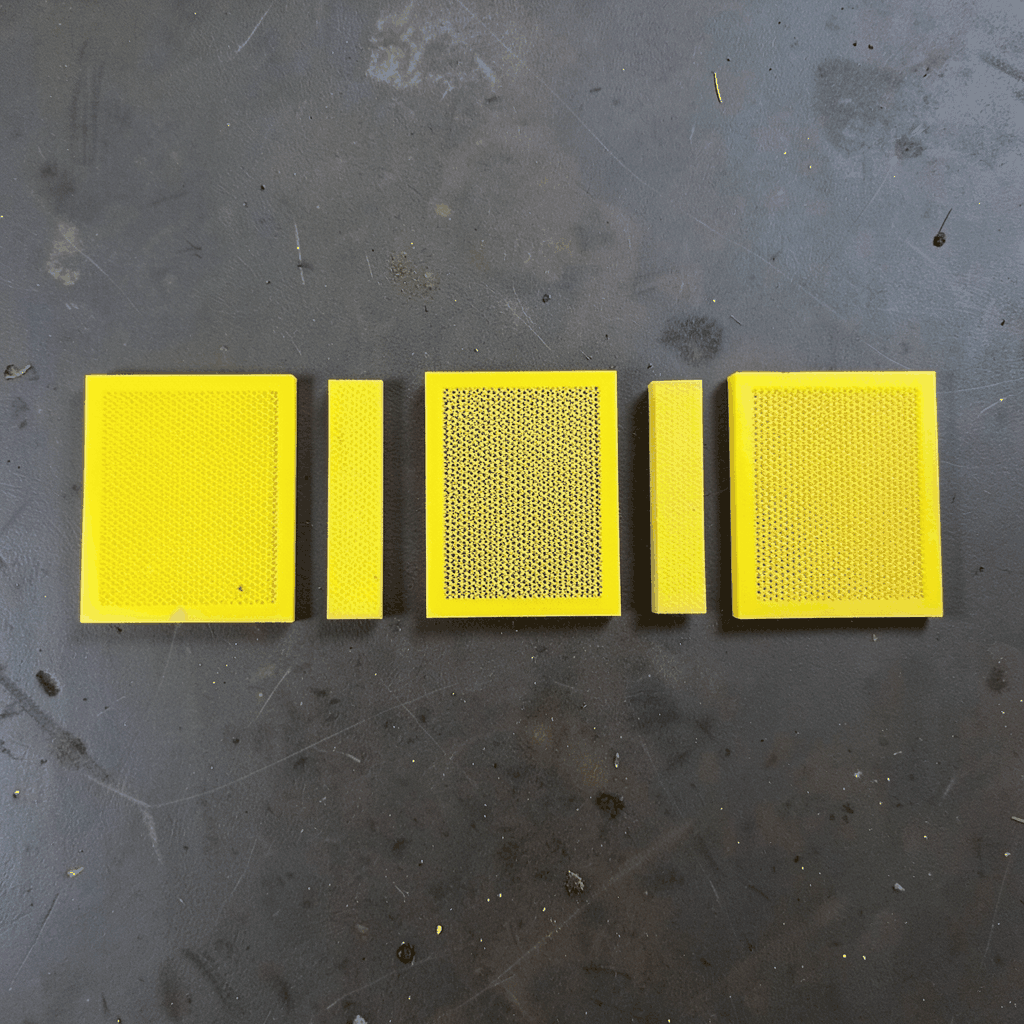
Mesh panels for sound barrier walls along highways
Motorway traffic noise is a recurring design problem for homes, schools, workplaces and public spaces beside Australian freeways. A well-placed acoustic screen can reduce exposure while preserving daylight, views and airflow. Metal mesh panels offer a visually lighter alternative to a continuous concrete or masonry wall, provided the complete system is engineered and tested as an acoustic assembly.
Such panels can suit dense corridors such as Sydney’s M4 and M8 motorways, Melbourne’s West Gate and Monash freeways, Brisbane’s Gateway Motorway, and Perth’s Mitchell and Kwinana freeways. Their open character suits many Australian urban landscapes, yet local requirements remain demanding: coastal salinity, strong summer sun, bushfire exposure, cyclonic wind and tight urban interfaces can each affect the design.
For councils, contractors, architects and road authorities, the key is to specify measurable acoustic, structural and durability requirements rather than choose a pattern by appearance alone. This guide explains how woven wire, expanded metal and perforated panels can form durable highway noise barriers, and which project information a custom mesh manufacturer needs before fabrication begins.
Why acoustic mesh manages traffic noise
A traditional traffic-noise wall blocks the direct path from vehicle noise and reflects energy toward surrounding buildings. A mesh-faced wall works differently. Its metal skin may be perforated, woven or expanded, while a porous core behind the face absorbs sound energy. The core, backing, cavity and joints determine acoustic performance; the decorative outer mesh mainly provides support, weather resistance and appearance.
An open metal sheet on its own is not a dependable sound attenuator. Useful specifications should identify a tested assembly and report the intended traffic-noise reduction, absorption coefficients and frequency performance. They should also distinguish laboratory sound reduction from field insertion loss, which includes effects from wind, gradients, reflections and the finished installation.
The benefit is flexibility. Some roadside barriers use an absorptive face toward traffic to limit reflected noise toward homes. Others use double-sided acoustic construction where noise reaches both sides. Around schools, hospitals or high-rise apartments, designers can coordinate mesh colour, aperture and pattern with landscaping and local architecture without creating a blank, fortress-like edge.
Materials and coatings for Australian conditions
Aluminium is popular for architectural barriers because it is light, corrosion resistant and straightforward to form into large panels. A marine-grade alloy with a robust powder coating can suit coastal sites such as Sydney and Perth. The finish system must address scratches, ultraviolet exposure and salt while maintaining the intended sheen; colour should be selected from a physical sample rather than a screen image alone.
Steel offers high stiffness and comparatively economical options in galvanised, stainless or pre-finished forms. Grade 304 stainless may perform well in many environments, while Grade 316 or a suitable coated system gives added confidence in chloride-laden coastal air. Galvanised steel can also work inland when detailing, coating continuity and drainage are sound. Copper and copper alloys remain useful for premium architectural screens where an evolving patina is desired.
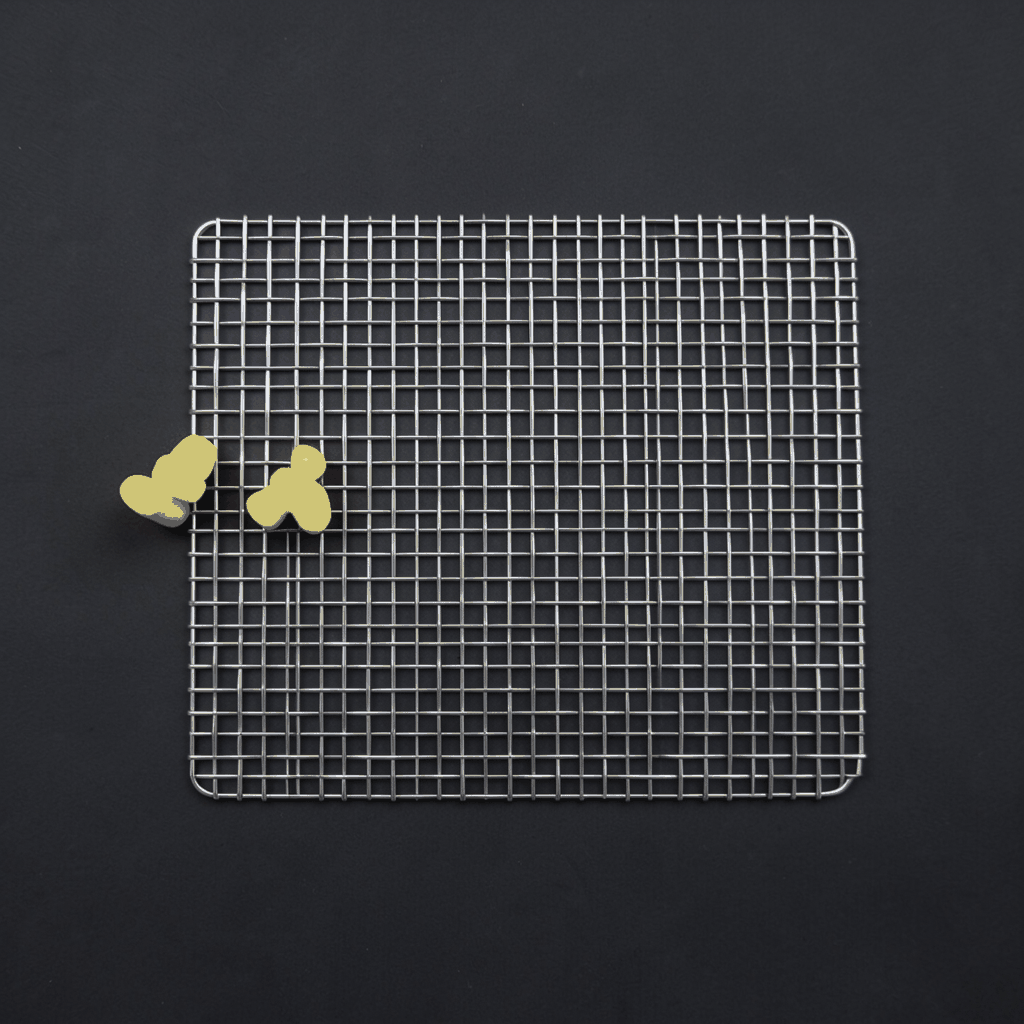
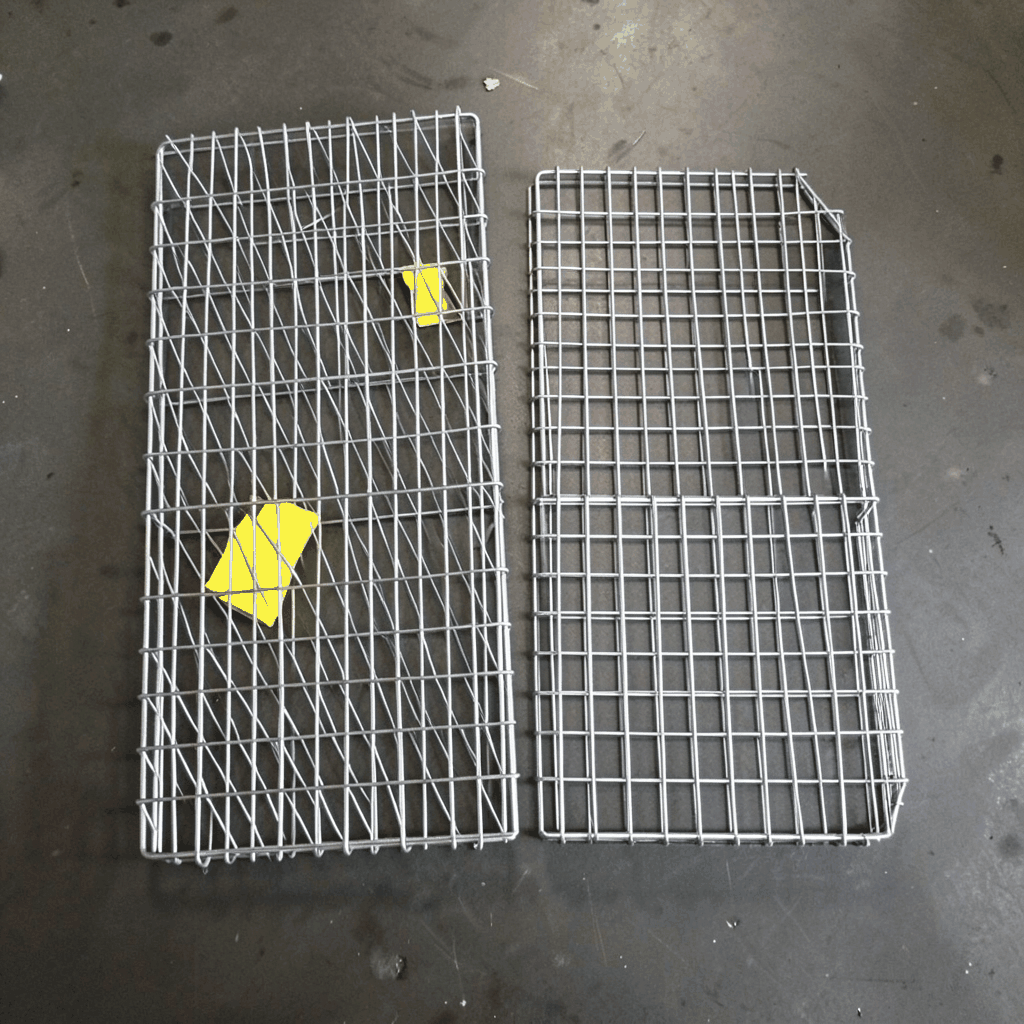
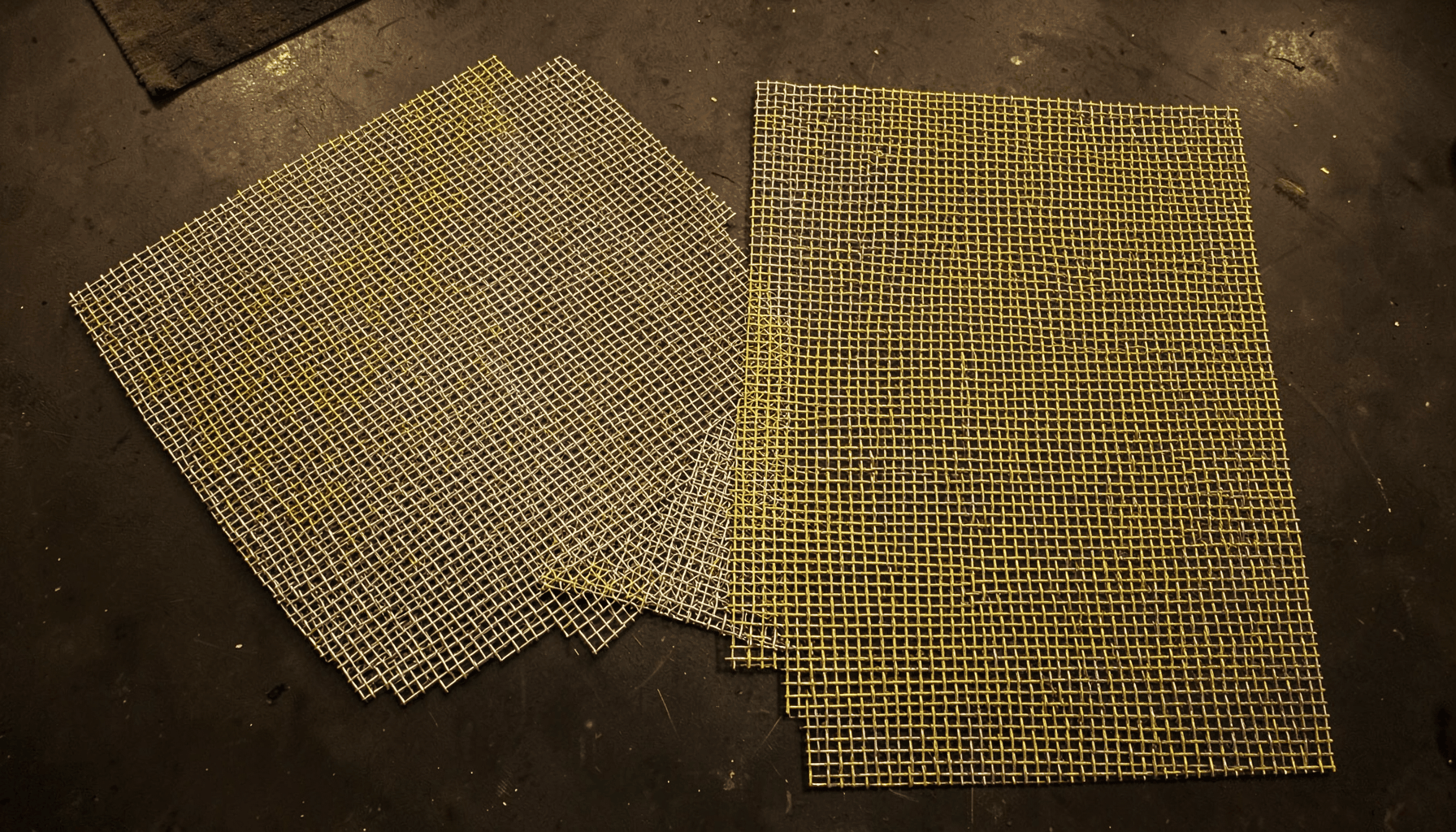
A comparison of custom wire mesh options can help distinguish aperture, open area, construction and finish before samples are ordered. Finish choice and base metal are only part of durability. Tropical conditions around Brisbane, hot western roads and coastal spray create different maintenance demands. Absorbent material must remain dry, and drainage gaps should prevent water from collecting in cavities. Bushfire-rated sites also require assessment of backing, adhesives, coatings and the complete panel.
Acoustic, structural and safety details
Acoustic design begins with the sound path. A face with smaller openings can create more surface friction and scattering, while a larger open area can improve airflow but may weaken acoustic control unless supported by a suitable core. Perforated metal can use hole size and backing depth to create absorption. Double leaves, sealed edges and an air gap may improve isolation. Labelled coefficients should therefore be tied to the proposed thickness, core density and facing rather than offered as generic product claims.
Wind usually governs panel and post design in open Australian road corridors. Expanded or woven faces can experience local pressure effects that differ from solid sheet profiles. Structural calculations should use the project wind region, terrain exposure, panel orientation and AS 1170.2 wind actions, then check fixings, posts, connections, fatigue and debris impact. The adopting road authority’s standard drawings and relevant Austroads guidance should also shape the details.
Interfaces deserve close attention. Overlapping sheets must avoid direct acoustic bridges, while drainage gaps must not create a short path around the absorbent lining. Gaskets, trims and fasteners need to remain accessible for inspection. Where pedestrians or cyclists can reach the wall, the design should also address climbing, finger-sized openings, sharp edges and unauthorised access. A road barrier, decorative partition and child-safe enclosure are not interchangeable products.
Long-term performance depends on details that can be inspected. Replaceable absorber cartridges can extend the life of the frame, and standardised panels simplify cleaning after dust, pollen or leaf deposits. Metallic surfaces should be washable without aggressive chemicals. Coastal sites also need a maintenance plan for fasteners, sacrificial parts and coating damage, since corrosion often starts at a cut edge or poorly sealed connection.
Practical selection criteria for Australian projects
A sound technical brief should give suppliers enough information to compare alternatives consistently and allow the client to verify the claims.
- Certified acoustic data for the complete proposed panel, including absorption and field attenuation expectations.
- Structural calculations or test evidence covering local wind actions, posts, fixings, fatigue and deflection.
- Material certificates, coating specifications, fire evidence and details of exposed edges and fasteners.
- Drawings, apertures, panel sizes, tolerances, fixing locations and an agreed sample or mock-up.
Commercial and installation review should assign responsibility for interfaces, transport damage, site tolerances and performance verification. The following checks are equally important for an imported custom order:
- Lead times split between drawing approval, samples, production, quality inspection, shipping and Australian delivery.
- Packing details, labels and replacement-panel identifiers that support unloading and site storage.
- Customs documentation, tariff classification, delivery terms and treatment of duties or taxes with the importer.
- Installation manuals, fixings, tools, training and local support for the selected contracting method.
Final selection should compare whole-life value instead of unit price alone. A slightly higher specification for marine-grade material, sealed edges or replaceable acoustic cartridges may reduce closures, corrosion repairs and traffic disruption. A representative sample can also reveal issues with glare, visual transparency and colour consistency that are difficult to judge from drawings.
Plan procurement, installation and lifetime performance
Custom production should follow an approved technical package rather than proceed from a concept image. Shuo Ke Wire Mesh Product Technology Co., Ltd. can work from architectural drawings, panel schedules and project-specific mesh requirements, while the local engineer remains responsible for acoustic, structural and code compliance. Early coordination should resolve how the mesh face, absorber, frame, posts and foundations fit existing road infrastructure.
For projects importing mesh panels into Australia, the importer should confirm commercial invoices, packing lists, tariff classification and any duty or tax treatment with a customs broker before Australian Customs clearance. Sea freight, port handling and regional delivery can affect the programme, so installation dates should include realistic allowances for inspection and release. Replacement units should match the approved finish and fixing pattern, not merely the nominal aperture.
Installation quality can determine whether a compliant panel performs as intended. Frames need to be plumb, fixings seated correctly and absorptive material protected from moisture. The completed barrier should be checked for gaps, damaged coatings, loose fasteners and blocked drainage points. A maintenance plan can then combine periodic washing, vegetation control, photographic inspections and targeted replacement without closing a busy motorway.
Prepare a project brief stating the corridor location, traffic conditions, acoustic target, wind region, corrosion exposure, fire constraints, preferred material and delivery programme. Send those requirements, together with drawings or panel dimensions, to Shuo Ke for a tailored mesh panel proposal, technical clarifications and quotation.