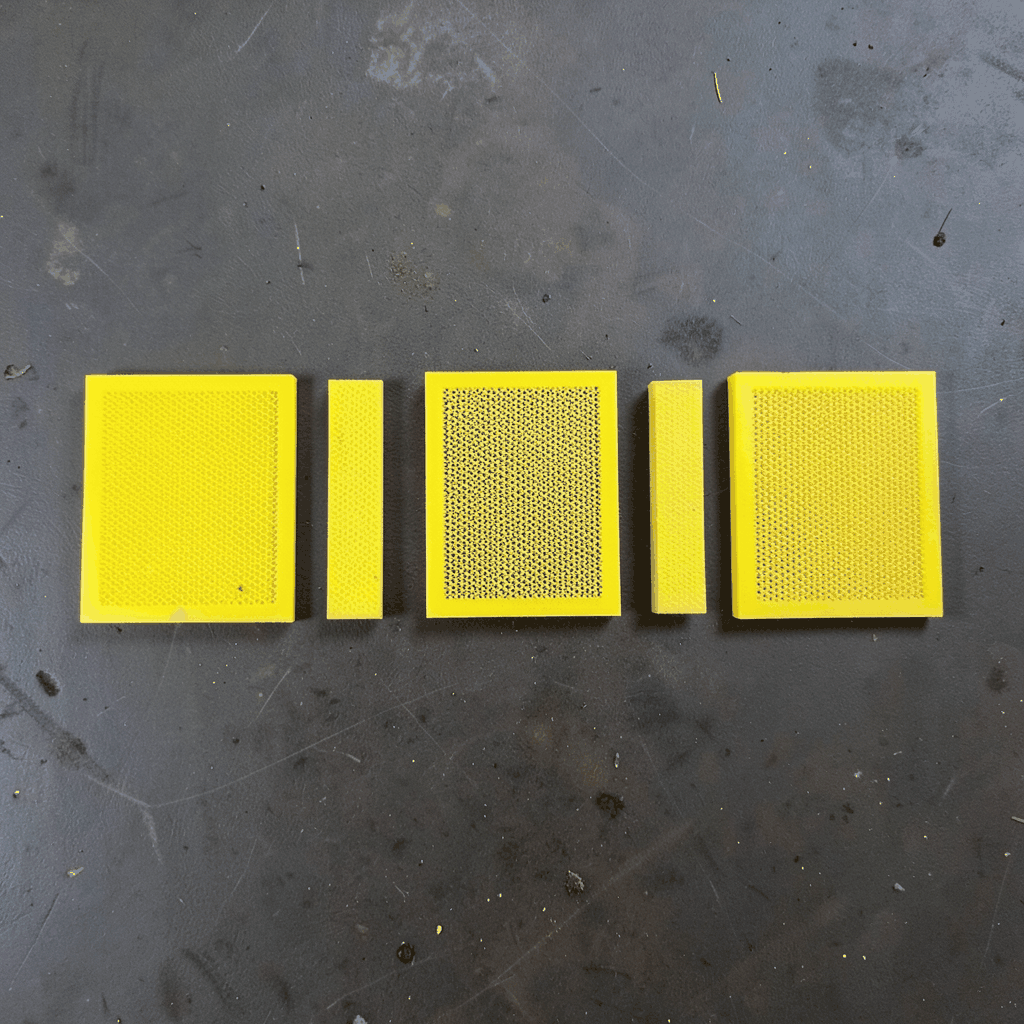
Mesh Screening for Sand and Gravel Conveyors
Sand and gravel processing sites depend on reliable screening to separate material, control contamination, and keep conveyors operating safely. The right mesh can remove oversized stones, protect transfer points, regulate product grading, and reduce the amount of unwanted debris reaching crushers, washers, stockpiles, or loading systems. Its performance affects production quality as well as maintenance time.
Australian quarry operators face demanding conditions, from abrasive aggregate and high summer temperatures to airborne dust and strict workplace safety expectations. A screening solution therefore needs to be selected around the material, conveyor design, exposure conditions, and maintenance routine. Shuo Ke Wire Mesh Product Technology Co., Ltd. manufactures and processes metal mesh products for industrial, architectural, and municipal applications, with customised options for screening and guarding requirements.
How Conveyor Screening Supports Aggregate Processing
Screening mesh is used throughout a sand and gravel plant. It may be installed above a conveyor as a scalping screen, around a transfer station to control spillage, or as a separation surface within a vibrating or trommel screen. In some systems, mesh panels are also used to prevent large rocks from entering a downstream machine or to keep workers away from moving belts and pinch points.
The opening size determines which particles pass through and which remain on the screening surface. Square woven mesh is suitable when consistent apertures and accurate separation are important. Welded mesh can provide a rigid, economical panel for guards, cages, chutes, and support structures. For heavy-duty applications, woven screens with reinforced edges or thicker wires can withstand repeated impact from coarse stone.
The screening surface must work with the conveyor’s speed, width, inclination, feed rate, and transfer arrangement. If the openings are too small, the surface may blind with damp sand or clay. If they are too large, oversized aggregate can pass into equipment that is not designed to handle it. Correct selection balances throughput, grading accuracy, open area, and resistance to wear.
Choosing Materials For Quarry Conditions
Stainless steel is a strong option where corrosion resistance, hygiene, and long service life are priorities. It is useful around wet processing areas, wash plants, coastal facilities, and sites where frequent cleaning is required. Grades such as 304 and 316 may be considered according to moisture, chemicals, salt exposure, and budget. Stainless steel also maintains a clean appearance in public-facing or architectural sections of a facility.
Carbon steel and galvanised steel can be practical for general quarry screening, protective barriers, conveyor guards, and structural mesh panels. They offer useful strength and cost efficiency, while galvanised finishes provide additional protection against moisture. For high-impact applications, material thickness, wire diameter, panel support, and fastening method should be reviewed together rather than relying on coating alone.
Aluminium mesh is lightweight and may reduce handling effort during installation or maintenance. It can suit selected screening, enclosure, and ventilation applications, although it may not be appropriate for direct impact from large, abrasive rock. Copper and specialty alloys are available for particular industrial or decorative requirements, but aggregate screening normally calls for a balance of hardness, durability, and replaceability.
Australian sites near Perth, Adelaide, Brisbane, and coastal New South Wales may experience different combinations of salt air, intense sunlight, seasonal rainfall, and dust. A material that performs well at a dry inland quarry may require a different finish or maintenance schedule at a wet coastal operation. Site conditions should be considered before mesh is fabricated.
Woven And Welded Mesh Options
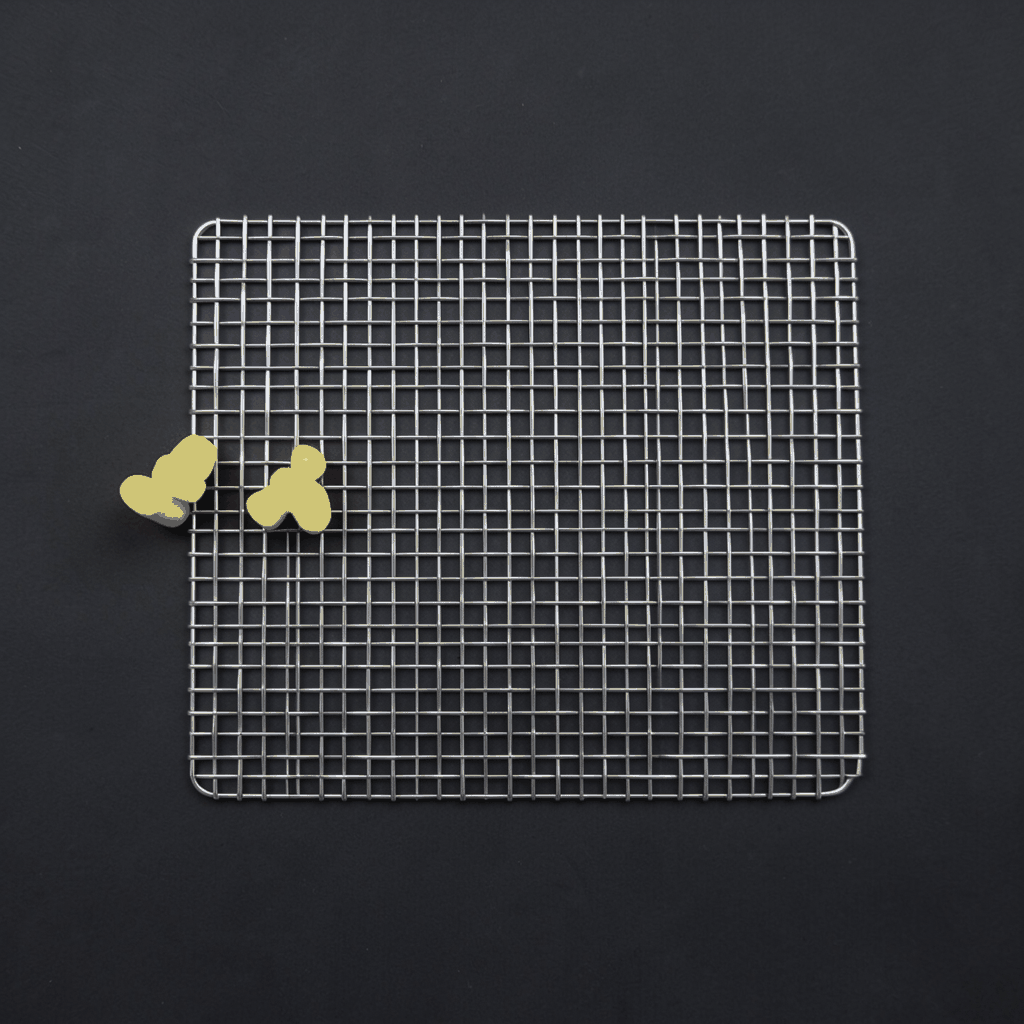
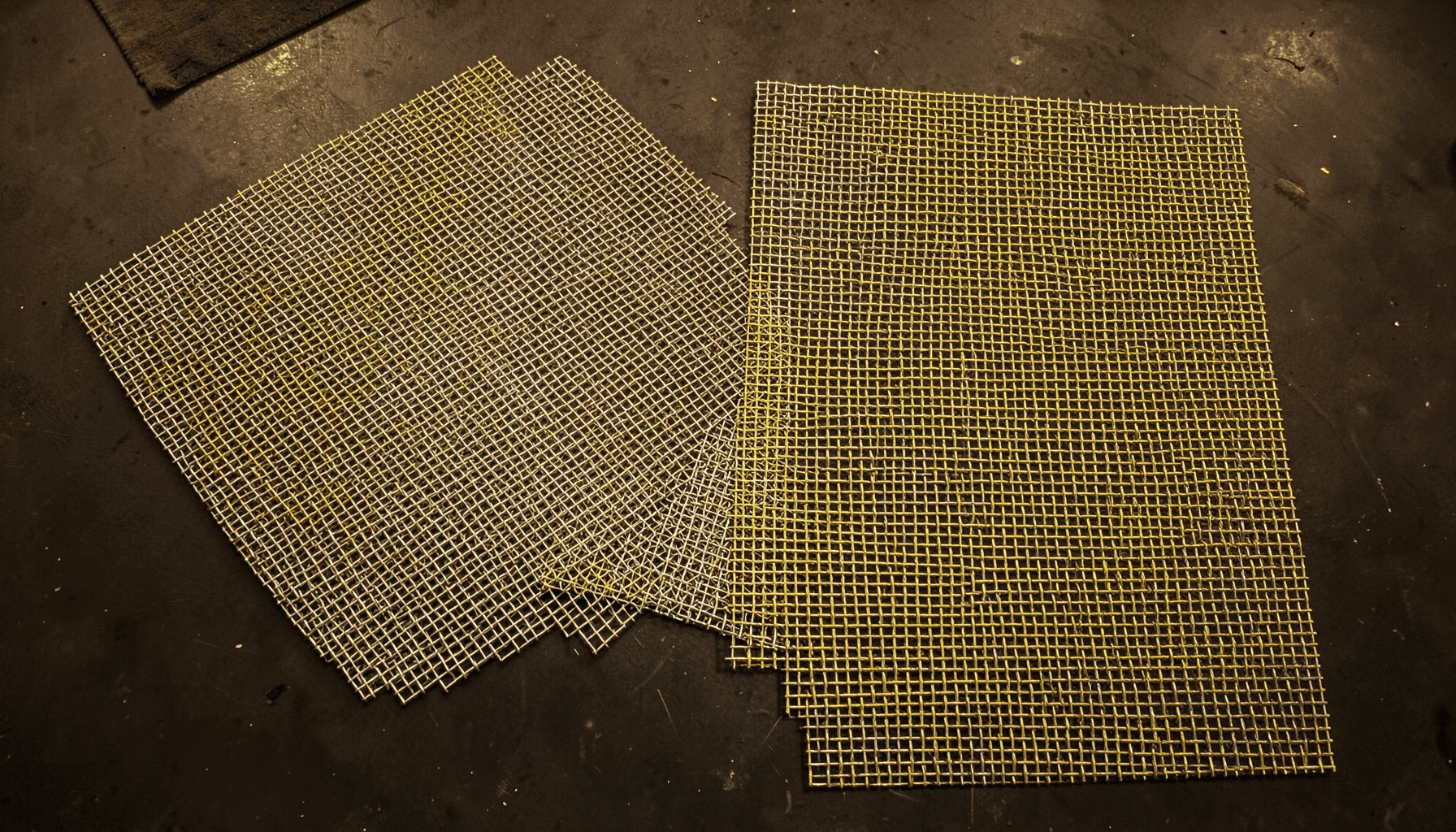
Woven wire mesh is formed by interlacing wires to create a controlled opening pattern. It is commonly selected for screening decks because the aperture can be specified with precision and the surface offers a high proportion of open area. Different weave patterns, wire diameters, and edge treatments can be produced for fine sand, gravel, crushed stone, and other bulk materials.
For coarse aggregate, heavier woven wire may be needed to resist impact and abrasion. The screen can be supplied with hooked edges, flat edges, reinforced bars, or custom dimensions to suit a particular deck. Correct tension is essential. A panel that is too loose can flex excessively, accelerate wear, and allow material to lodge at the edges. A panel that is over-tensioned may place unnecessary stress on supports and fasteners.
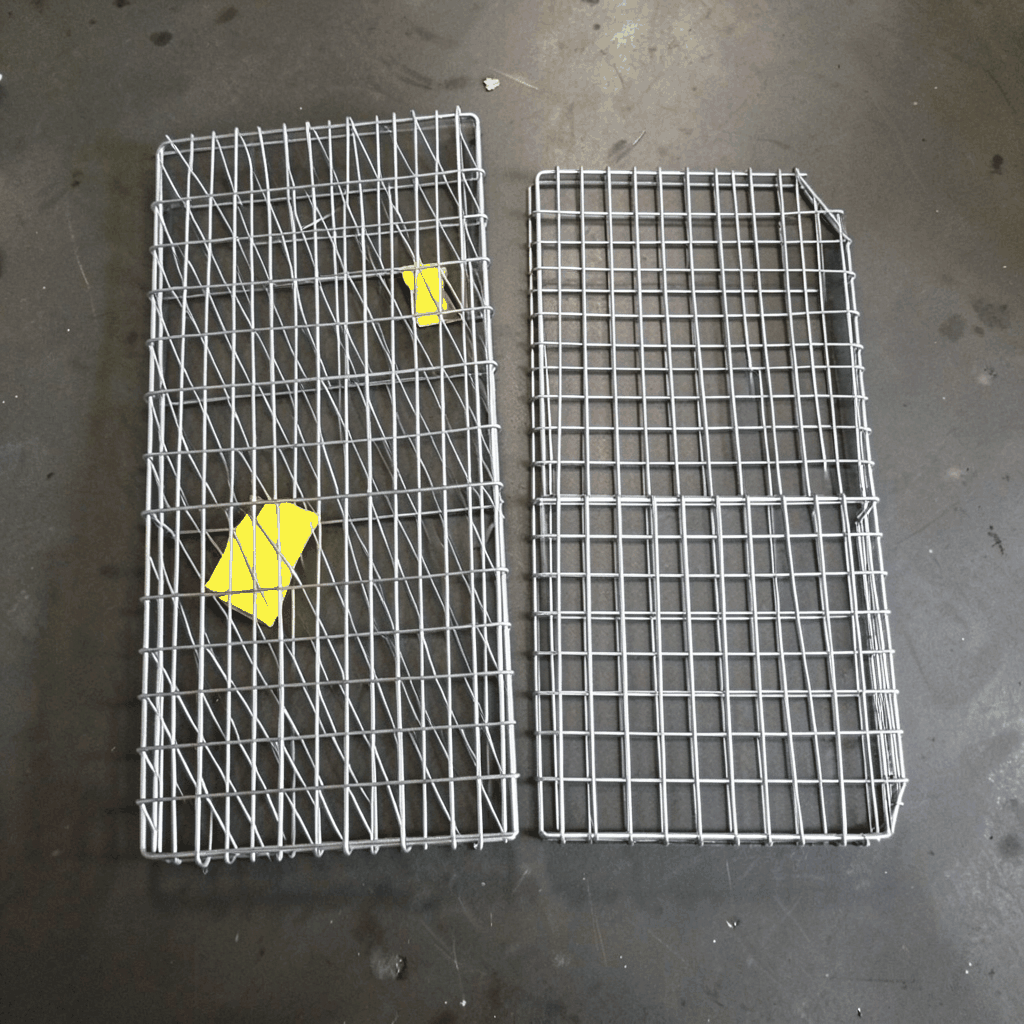
Welded wire mesh provides a fixed grid with welded intersections. It is often used for conveyor guarding, access barriers, hopper covers, walkway protection, and screening where a firm, rigid panel is preferable. Its structure makes it straightforward to cut and fabricate into frames, cages, doors, or modular guards. Aperture and wire diameter can be selected to meet visibility, airflow, and containment needs.
A quarry may use both types in a single installation. Woven mesh can handle material classification on a vibrating screen, while welded mesh can protect the conveyor return run or form a removable barrier around a transfer point. Combining products allows each area to receive a suitable balance of flexibility, strength, access, and maintenance convenience.
Design Details That Improve Service Life
Abrasion is one of the main causes of failure in aggregate screening. Sharp crushed rock can wear wire surfaces, while repeated impact can deform openings and loosen attachment points. The feed arrangement should distribute material across the screen instead of concentrating it in one area. Wear liners, impact beds, rubber curtains, and correctly positioned chutes can reduce direct loading on the mesh.
Mesh dimensions should be checked against the actual conveyor and screen frame. Important details include length, width, aperture, wire diameter, panel thickness, support spacing, edge configuration, and fixing points. A made-to-measure panel can reduce cutting and modification on site, helping maintenance teams replace worn sections faster. It is also useful to identify lifting points and safe removal methods for larger panels.
Dust control is a practical concern in Australian quarrying and construction materials operations. Screens and transfer stations can release fine particles when dry material falls between levels. Mesh can support enclosure and containment systems, but it should not block required airflow or interfere with dust extraction. Water sprays may help control dust, although wet material can increase blinding and corrosion if drainage is poor.
Safety design must account for moving belts, rotating rollers, nip points, falling material, and unauthorised access. In Australia, workplace safety duties are administered through state and territory legislation, while Safe Work Australia provides model laws and guidance. Conveyor guards and access barriers should be reviewed against the applicable jurisdiction and relevant machinery safety standards, including the AS 4024 series where applicable. A qualified safety professional should verify the final arrangement.
Maintenance teams should inspect mesh for broken wires, stretched sections, enlarged apertures, corrosion, loose fasteners, and material build-up. Lockout and isolation procedures must be followed before inspection or replacement. Keeping a small stock of accurately specified replacement panels can reduce downtime when a screen section is damaged during production.
Custom Fabrication For Australian Material Handling
A useful screening supplier should be able to discuss the complete operating environment rather than supply a generic roll of wire. Product type, aggregate size, moisture content, throughput, impact level, temperature, chemical exposure, and cleaning practices all influence the final specification. Drawings, photographs, samples, and measurements from the conveyor can help establish a practical design.
Shuo Ke Wire Mesh Product Technology Co., Ltd. processes stainless steel, aluminium, iron, copper, and other alloys for industrial mesh products. Custom capabilities can support screening panels, conveyor guards, hopper covers, protective partitions, baskets, filters, and fabricated frames. Where required, mesh can be prepared in specified lengths and widths or integrated into a finished assembly for easier installation.
For Australian customers, procurement may also involve freight planning, packaging, replacement schedules, and communication across different time zones. Clear documentation should state mesh material, aperture, wire diameter, panel size, edge treatment, surface finish, quantity, and intended application. This helps a quarry, civil contractor, or equipment integrator compare quotations accurately and avoid unsuitable substitutions.
Local operating habits matter as well. Many Australian sites schedule heavy maintenance around production windows, weather conditions, or planned shutdowns, and remote locations may need spare parts held on site because urgent delivery is difficult. In larger markets such as Sydney, Melbourne, and Brisbane, replacement components may be easier to source quickly, while regional operations need stronger forward planning. A screening program should reflect the site’s actual logistics.
Practical Selection Recommendations
- Match aperture size and wire diameter to the aggregate grading target, impact load, and required throughput.
- Select stainless steel, galvanised steel, aluminium, or another alloy according to moisture, salt exposure, abrasion, and maintenance conditions.
- Confirm panel dimensions, edge details, support spacing, and fixing points before fabrication.
- Use separate solutions for material separation, conveyor guarding, dust containment, and access control rather than treating every mesh application the same way.
- Keep replacement panels and fastening hardware available for planned shutdowns and unexpected damage.
A well-specified mesh screening system can improve material consistency, protect downstream equipment, and make routine maintenance more manageable. It can also support safer conveyor access when the mesh is incorporated into properly designed guards and barriers. The best result comes from considering the screen, conveyor, chute, support frame, and maintenance process as one connected system.
For a quotation or technical discussion, provide the aggregate type, opening size, conveyor or screen dimensions, material preference, operating conditions, photographs, and delivery location. Shuo Ke Wire Mesh Product Technology Co., Ltd. can develop a customised metal mesh solution for sand and gravel handling, quarry screening, conveyor protection, and related industrial applications. Contact the company to specify a durable, practical mesh assembly for your Australian site.