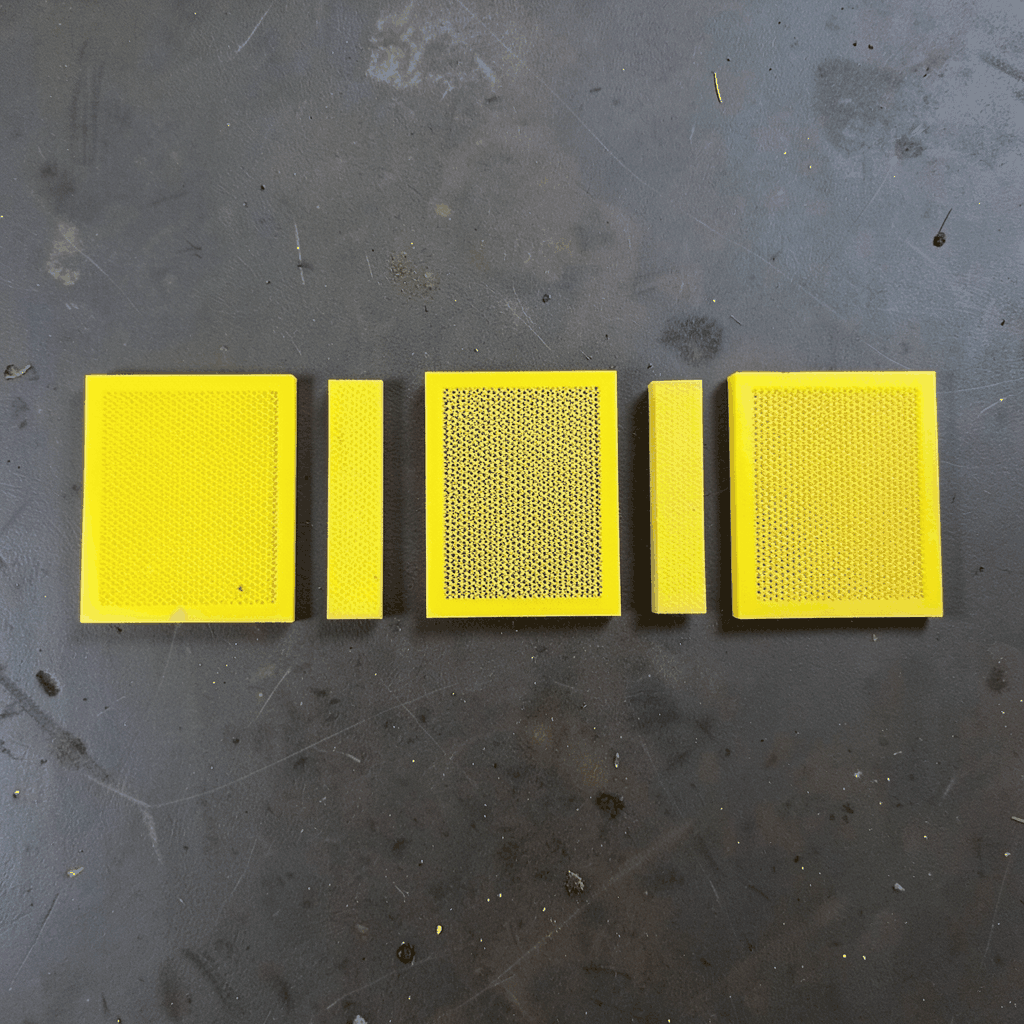
Mesh Screens for Deodorizing and Fat Trap in Restaurant Hoods
Commercial kitchens produce a mixture of airborne grease, moisture, smoke, food particles and strong cooking odours. A well-designed canopy hood needs to manage each contaminant in the right way. Metal mesh screens can act as a practical fat trap by slowing the exhaust stream and collecting grease droplets before they enter the ductwork, fan and discharge point.
Odour control requires a different stage. Stainless steel or aluminium mesh can support grease separation, but it does not remove all smells from frying oil, grilled meat, spices or seafood. Deodorising performance usually comes from an activated carbon filter installed after the grease filter, with the complete arrangement selected around the cooking load, exhaust volume, cleaning routine and Australian compliance requirements.
How Grease And Odour Control Work Together
A commercial hood filter is positioned inside the canopy, usually above appliances such as deep fryers, chargrills, wok burners and solid-fuel cooking equipment. As hot air and vapour pass through the screen, changes in direction and surface contact encourage heavier grease particles to separate from the airflow. Collected fat then runs into a tray or drain area instead of travelling deeper into the exhaust system.
This first-stage separation protects the duct and exhaust fan. It also reduces the quantity of oily residue that can accumulate in bends, access panels and rooftop discharge equipment. The performance depends on the filter’s depth, mesh arrangement, airflow resistance and ability to retain grease without becoming blocked too quickly.
Odour reduction is generally added through activated carbon, chemical media or another dedicated filtration stage. Carbon absorbs many volatile compounds after the grease has been removed. If grease reaches the carbon bed, it can coat the media and shorten its working life, so a washable metal grease screen should normally be placed upstream.
A metal filter should never be treated as a complete answer to smoke, odour or fire risk. The canopy, duct, fan, make-up air and discharge system must work as a balanced installation. In Australia, commercial kitchen ventilation is commonly designed with reference to the AS 1668 series, local building requirements and council expectations, while fire services may impose additional conditions for high-risk cooking operations.
Selecting Mesh, Baffles And Frame Materials
Stainless steel is a common choice for restaurant hood screens because it tolerates moisture, detergents and repeated handling. Grade 304 is suitable for many indoor kitchen environments, while 316 stainless steel can be considered where salt, chlorides or aggressive cleaning chemicals are a concern. This may be relevant to coastal locations such as Sydney, Brisbane, Perth and Adelaide, where marine air can accelerate corrosion on poorly protected components.
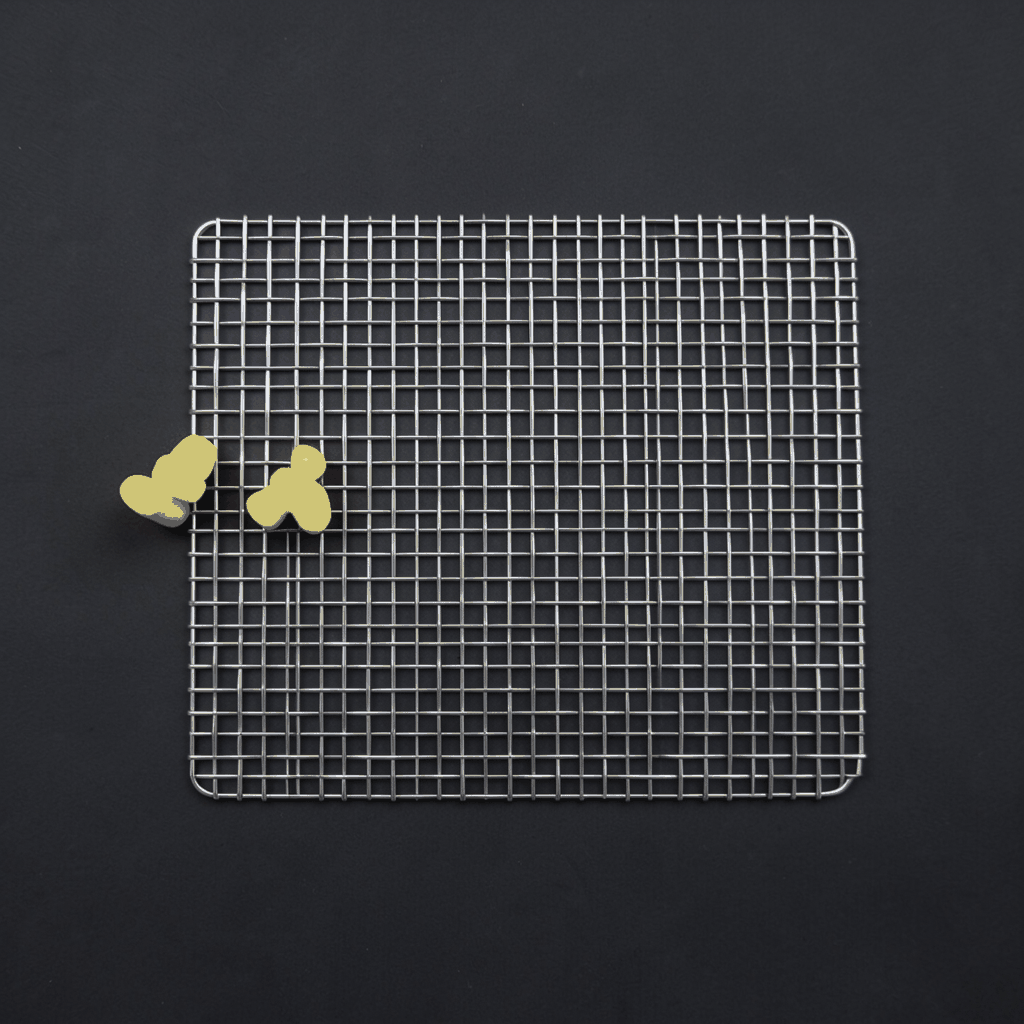
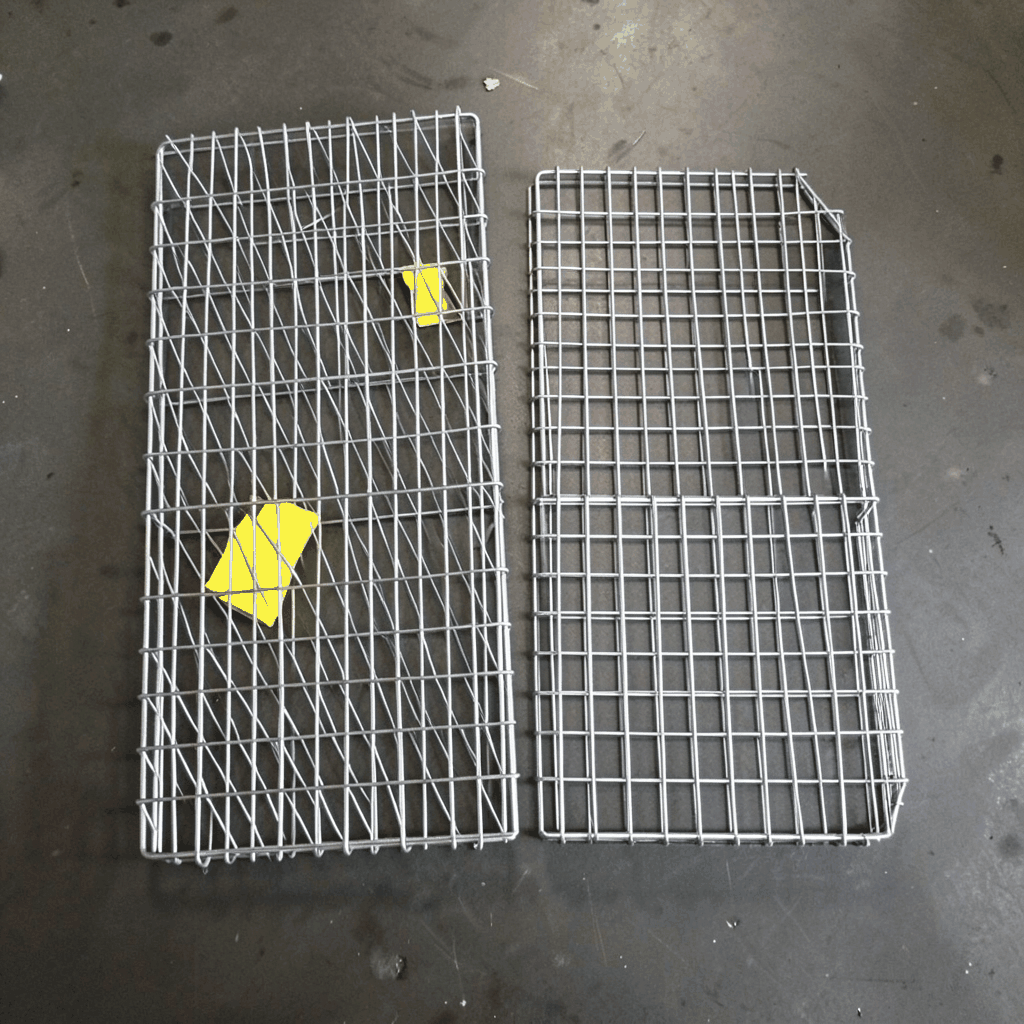
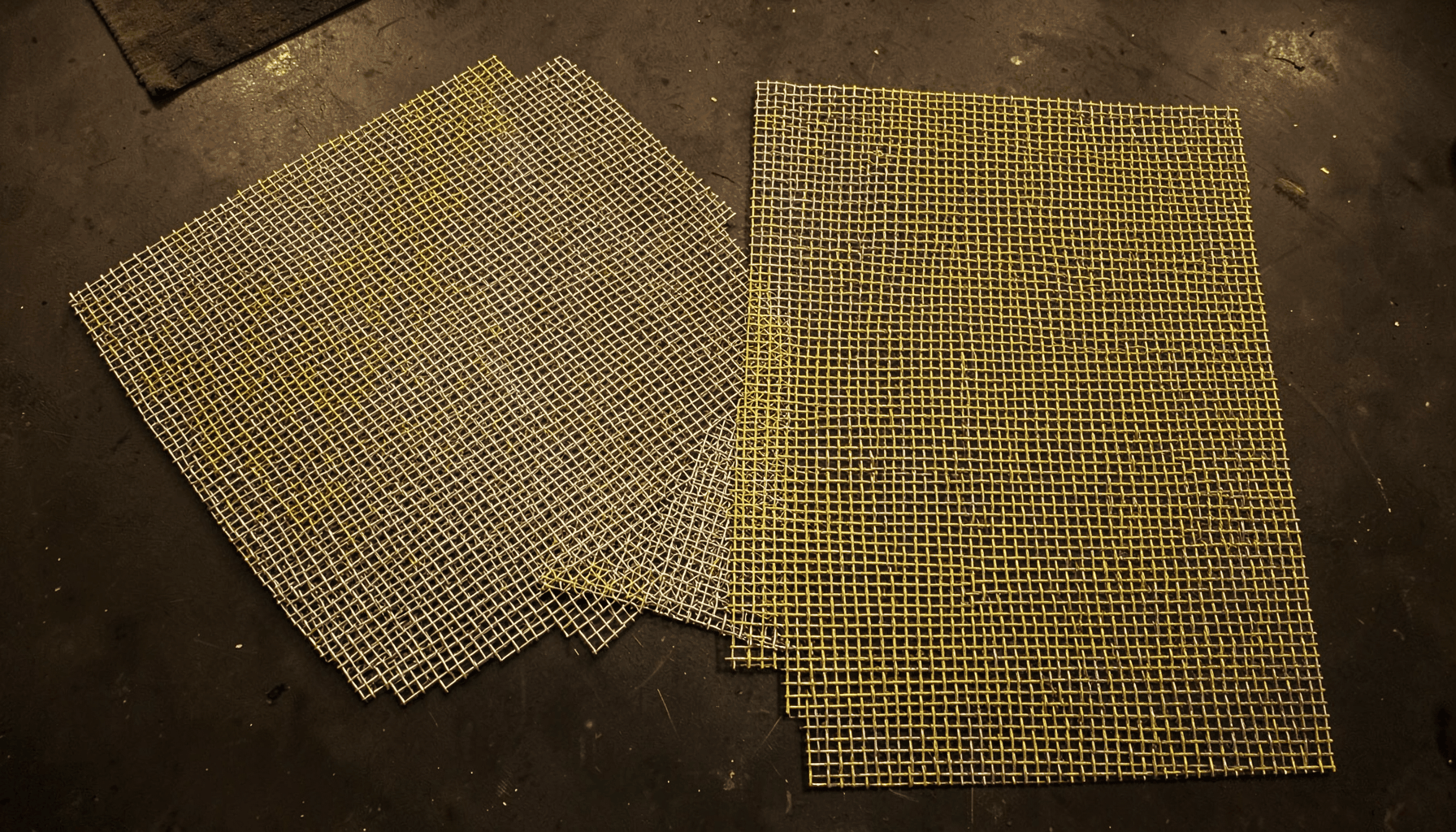
Expanded metal, woven wire mesh and perforated sheet each produce different airflow and grease-retention characteristics. Fine woven mesh offers a large contact area, while expanded or perforated designs can be easier to fabricate into rigid panels. Baffle filters use fixed directional plates rather than a loose mesh structure and are often preferred where grease loading is high because they are robust, washable and less likely to collapse during maintenance.
Aluminium is lightweight and can be useful where removable panels need to be handled frequently. It requires careful consideration of cleaning chemicals and temperature exposure, since strong caustic products can attack the surface. Copper may suit a decorative or specialty installation, although its appearance, cost and patina need to be matched with the kitchen’s cleaning regime.
The frame is as important as the filtering media. A rigid perimeter prevents distortion, improves sealing against the hood housing and makes removal safer. Handles, drain channels and rounded edges also matter in busy kitchens, where staff may remove filters during a short cleaning window after service.
Designing For Australian Commercial Kitchens
Australian kitchens operate across very different conditions. A fish-and-chip shop on the Queensland coast may face humidity, salt air and heavy fryer grease, while a Melbourne café may have a smaller canopy serving coffee, toasted food and light cooking. A large venue in Sydney, Perth or the Gold Coast may need several filter banks, access doors and a carefully balanced exhaust system to prevent odours affecting neighbouring businesses.
Local councils and building certifiers can take interest in exhaust discharge, noise, grease management and the effect of cooking fumes on nearby apartments or public areas. In dense precincts such as Melbourne laneways or Sydney mixed-use developments, a hood that performs acceptably inside the kitchen may still create complaints if odours are discharged too close to windows, balconies or pedestrian areas.
The menu should guide the filter specification. Deep frying produces a high volume of sticky aerosol grease. Chargrilling can generate smoke and fine particles that place greater demands on the duct and filtration stages. Wok cooking creates rapid heat movement, steam and oil vapour, while wood-fired or solid-fuel appliances may require specialist engineering, spark control and more frequent inspection.
Make-up air is another practical concern. If an exhaust fan removes too much air without replacement, doors may become difficult to open, conditioned air can be lost and the canopy may capture poorly. A properly sized grease screen cannot correct an unbalanced ventilation design, so the filter should be specified as part of the entire air-handling system.
Installation And Maintenance Requirements
Removable screens should slide securely into a cleanable housing without rattling or leaving large bypass gaps. The filter bank needs to cover the effective capture area of the canopy, and the airflow path should avoid sharp obstructions that create turbulence. A qualified installer can check dimensions, pressure drop, fan capacity and access for future cleaning before fabrication begins.
Routine washing is essential because accumulated grease increases resistance and may create a fire hazard. Many operators use a soak tank, commercial dishwasher or approved degreasing process, depending on the filter material and manufacturer’s instructions. Mesh panels should be inspected for broken wires, distortion, blocked openings and damaged handles after every cleaning cycle.
Cleaning frequency depends on the cooking style and hours of operation. A busy takeaway using fryers every day may need daily or several-times-weekly attention, whereas a light café may operate on a longer interval. Filters should be cleaned before grease becomes baked onto the surface. Carbon deodorising modules are usually replaced rather than washed, and replacement intervals should be based on odour breakthrough, pressure readings or the supplier’s service guidance.
Fabrication accuracy also affects service life. A specialist mesh product manufacturer can produce made-to-measure panels in stainless steel, aluminium or other alloys, with choices for mesh opening, frame profile, drain design and mounting arrangement. Custom sizing is particularly useful when replacing obsolete filters in older Australian venues where standard catalogue dimensions do not match the existing canopy.
Practical Selection Checklist
The right filter is determined by the cooking process, canopy dimensions, expected grease load and available maintenance time. A screen that is too fine may restrict airflow and overload the fan, while one that is too open may allow excessive grease to pass into the duct. Product data should therefore include airflow resistance, dimensions, construction and cleaning instructions rather than relying on appearance alone.
Installation work may also involve cutting access panels, adjusting brackets or fabricating support frames. Workshop teams using AEG power tools can prepare metal components efficiently, but any modification around a live exhaust or electrical system should be completed by competent personnel and checked against the relevant installation requirements.
- Match the filter type to the menu, with heavier-duty baffle or reinforced mesh options for fryers, grills and wok burners.
- Use stainless steel where frequent washing, humidity or coastal exposure could challenge less durable materials.
- Confirm the filter dimensions, frame depth, handle position and drain direction before ordering replacements.
- Place activated carbon or another odour-control stage downstream of an effective grease filter.
- Check pressure drop and airflow compatibility so the screens do not undermine canopy capture performance.
- Establish a written cleaning schedule based on cooking hours, grease production and inspection findings.
- Keep access panels, trays and duct inspection points available for safe service and periodic professional cleaning.
A well-specified hood screen is a small component with a significant effect on kitchen hygiene, fire safety, equipment protection and neighbourhood amenity. Metal mesh can provide a durable fat-capture stage, while a correctly selected deodorising module helps manage cooking smells without treating the grease filter as a substitute for complete ventilation design.
For a new canopy, refurbishment or replacement filter bank, share the appliance layout, dimensions, material preference and operating conditions with a qualified ventilation contractor and a capable metal mesh fabricator. The result should be a cleanable, serviceable system built for the actual demands of the Australian kitchen rather than a generic panel chosen by appearance alone.