
Mesh Screens for Erosion Control on Slopes and Embankments
Australia's varied terrain presents some of the most demanding conditions for slope stabilisation anywhere in the world. From the sandstone cliffs along Sydney's coastline to the rehabilitated mine pits of the Hunter Valley, erosion threatens infrastructure, residential developments, and natural ecosystems every day. Heavy rainfall, particularly during the summer monsoon in the north and the sudden downpours that lash the east coast, can strip topsoil from embankments within hours. Coastal councils from the Gold Coast to Fremantle increasingly require developers and property owners to demonstrate long-term erosion mitigation strategies before approving new works or subdivisions.
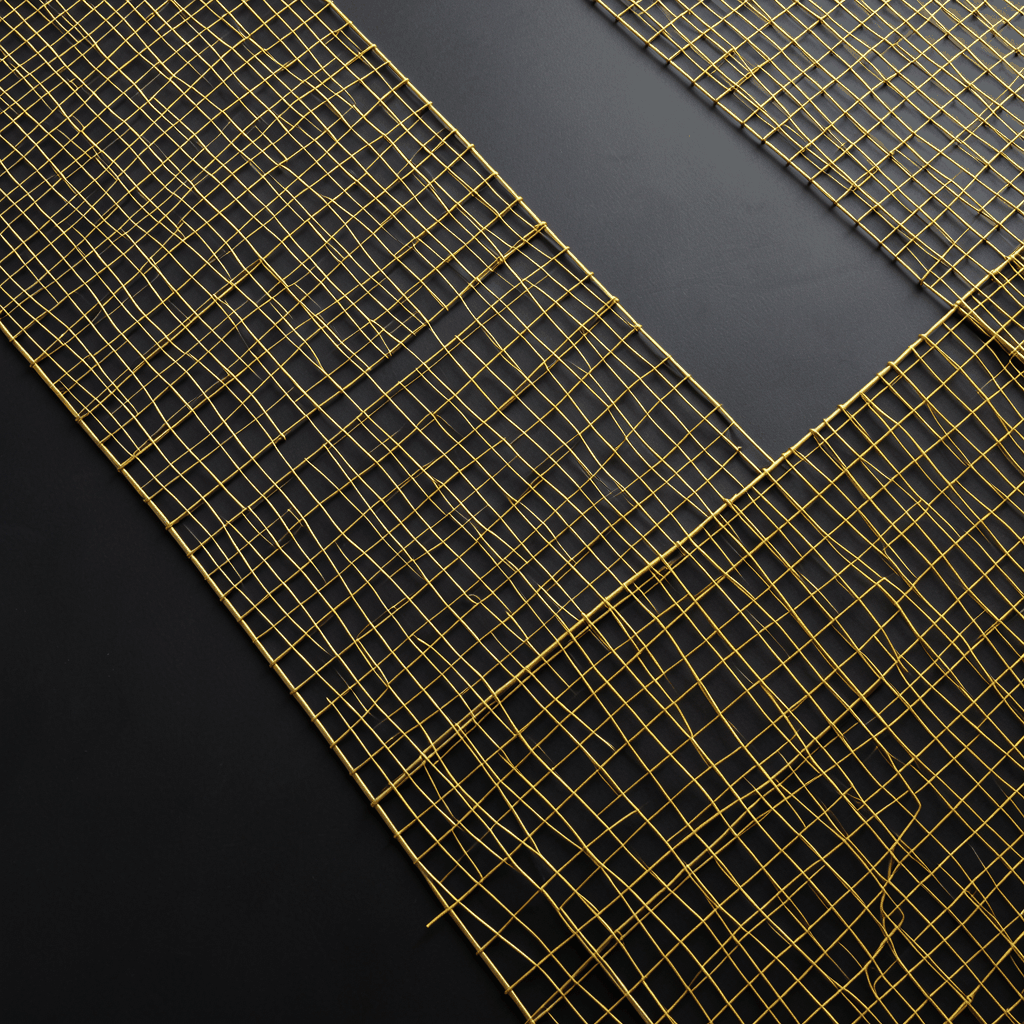
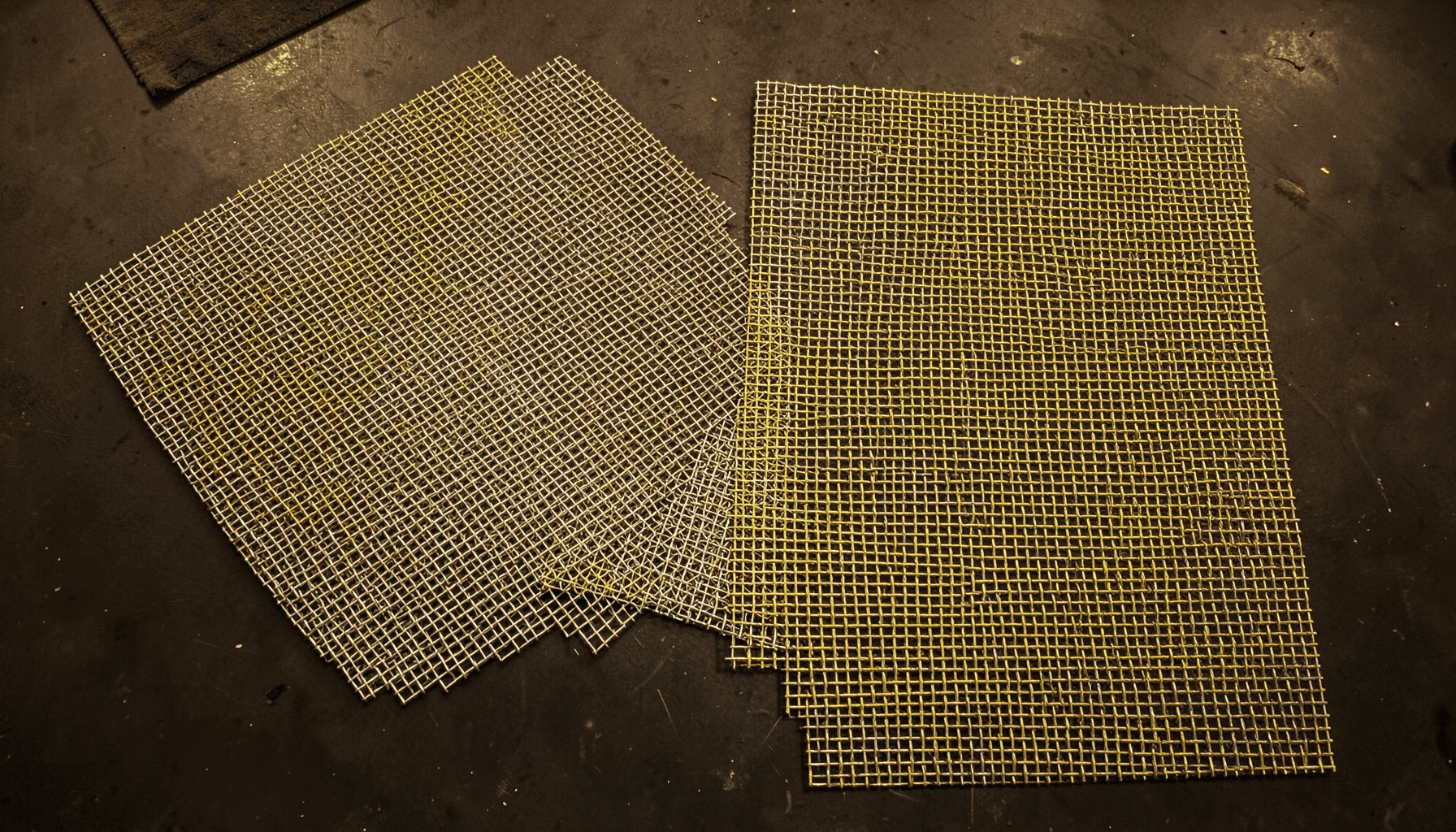
Wire mesh systems have become a cornerstone of modern erosion control because they combine mechanical strength with permeability, allowing vegetation to establish while holding soil in place. Manufacturers such as Shuo Ke Wire Mesh Product Technology Co., Ltd. supply architectural and industrial mesh products engineered for these exact challenges, offering customised solutions that balance durability, drainage, and visual integration with the surrounding landscape.
The Australian Erosion Challenge
Few countries face the range of erosion pressures that Australia does. In Brisbane and the surrounding Moreton Bay region, suburban expansion onto hilly blocks has created thousands of residential slopes that shed water rapidly during storm events. Local governments routinely cite slope instability as a key concern when assessing building applications, and the Queensland Building and Construction Commission has tightened requirements for soil retention in new housing developments. Similar pressures exist in Melbourne's outer growth corridors, where clay soils expand and contract with moisture, weakening embankments along new arterial roads and creating ongoing maintenance liabilities for local councils.
Mining and infrastructure projects bring another dimension to the problem. In the Pilbara, vast open-cut operations require ongoing rehabilitation of cut slopes and waste rock dumps to satisfy environmental closure conditions. In New South Wales, road authorities managing the Pacific Highway upgrade have invested heavily in mesh and mat systems to stabilise batters cutting through weathered rock. These projects demand products that can survive intense UV exposure, salt spray along the coast, and the alkaline conditions often found in treated industrial sites. The diversity of Australian conditions means that a one-size-fits-all approach to erosion control rarely works, which is why engineered mesh screens are specified by engineers and asset managers looking for predictable, long-term performance across vastly different environments.
Material Choices for Australian Conditions
Selecting the right mesh material is critical when designing for Australian conditions. Stainless steel remains a popular choice for coastal installations around Sydney Harbour, the Mornington Peninsula, and Perth's beaches, where salt-laden air would quickly corrode lesser metals. Galvanised steel offers a cost-effective alternative for inland applications, particularly on rural embankments, railway cuttings, and agricultural terraces where exposure to chlorides is limited. Aluminium mesh is occasionally specified for lightweight architectural applications, though it lacks the tensile strength required for high-load slope stabilisation and is more commonly used in decorative cladding or screening elements.
Copper and bronze alloys are sometimes chosen for heritage projects or premium developments where appearance matters as much as function. These materials develop a patina over time that blends with natural surroundings, making them suitable for boardwalks in national parks or retaining walls near tourist lookouts in the Blue Mountains. For the most aggressive environments, such as acid sulphate soil areas around Cairns or industrial sites in Port Hedland, manufacturers can supply mesh woven from specialty alloys that resist chemical attack while maintaining flexibility during ground movement. Understanding the specific site conditions, including soil pH, moisture levels, and exposure to chlorides, determines which material will deliver the best service life and value over the life of the project.
How Mesh Screens Function on Slopes and Embankments
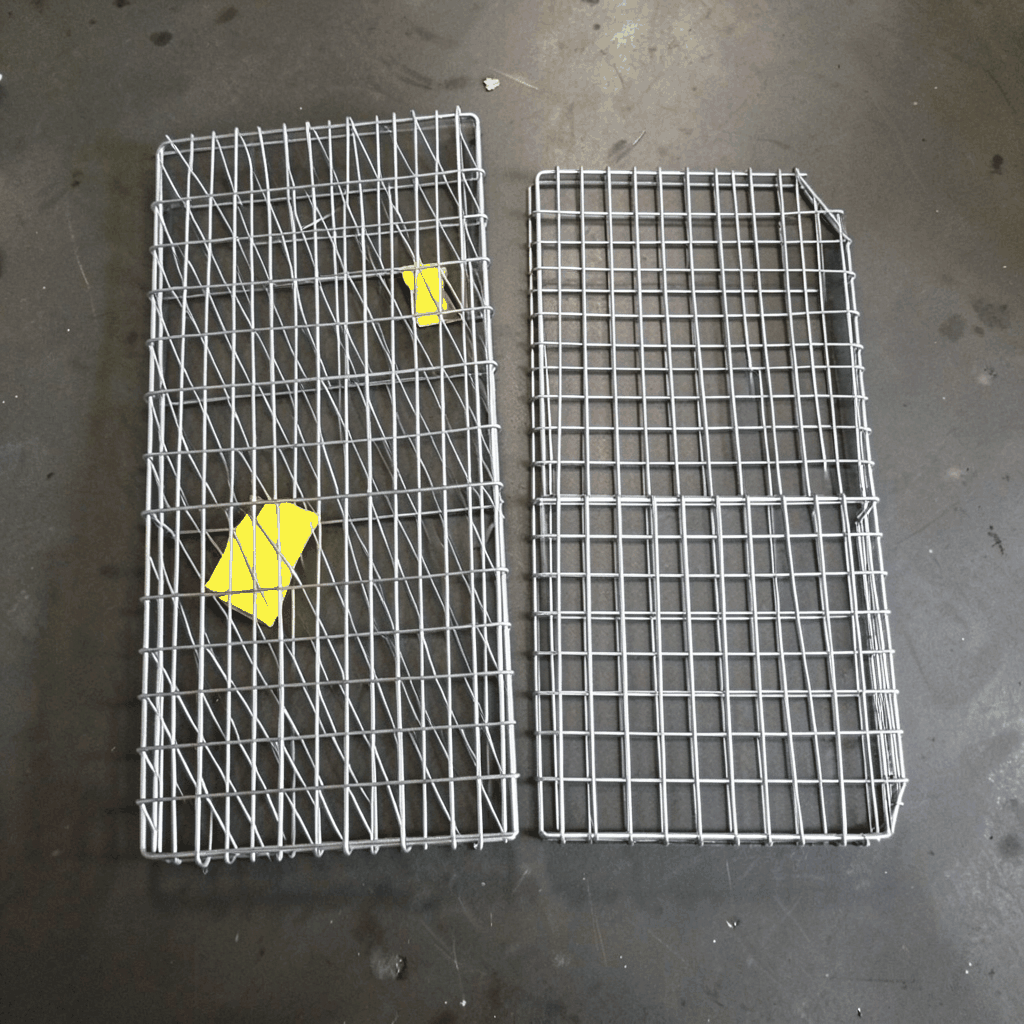
Wire mesh screens work by reinforcing the upper layer of soil while permitting water, air, and root systems to move freely through the structure. When installed across a batter or draped over a rock face, the mesh distributes loads across a wide area, preventing the localised failures that typically trigger larger slips. Vegetation grows through the apertures, anchoring the mat into the substrate and creating a living root system that further stabilises the slope. This hybrid approach, combining engineered materials with biological processes, has proven especially effective in Australia, where native grasses and groundcovers establish quickly when given the right mechanical support and protection from initial washout.
On embankments supporting roads or railways, mesh is often combined with geogrids, soil nails, or rock bolts to create a composite retaining system. The mesh face contains surface material while the underlying reinforcement carries the structural load. This method has been used along sections of the Hume Highway in New South Wales and on approach cuttings to bridges in regional Victoria. Drainage is a critical consideration, and properly specified mesh prevents the buildup of hydrostatic pressure that often precedes slope failure during prolonged wet weather. Australian standards such as AS 4678, which covers earth-retaining structures, provide guidance on design loads and factor of safety requirements, and engineers typically specify mesh apertures and wire diameters that comply with these benchmarks for both temporary works and permanent installations.
Installation Methods and Site Integration
Successful installation of erosion control mesh begins long before the first roll is delivered to site. Site assessment should identify soil classification, slope angle, water flow paths, and any existing instability that might affect the chosen system. In coastal councils such as Waverley or Randwick, geotechnical reports are routinely required for works affecting slopes above a certain height, and the chosen stabilisation system must be documented in those reports before construction can commence. Mesh rolls are typically anchored at the crest of the slope and unrolled down the batter, with overlapping joints secured by clips or lacing wire to prevent separation under load and to maintain continuity across the protected face.
Integration with the surrounding environment matters as much as the engineering itself. Along the Great Ocean Road and in Tasmania's national parks, mesh installed on rock cuttings is often specified in darker tones or allowed to weather naturally to reduce visual impact on the landscape. In urban renewal areas around Melbourne's inner suburbs and Sydney's Chippendale, designers have begun using decorative mesh patterns that double as architectural features, stabilising retaining walls while adding texture and visual interest to otherwise plain surfaces. Where vegetation is part of the design, hydroseeding immediately after mesh installation accelerates root establishment and reduces the risk of washout during the first storm season. Periodic inspection, typically every six to twelve months, ensures that the mesh remains intact and that vegetation cover is maintained, particularly after major weather events such as east coast lows or tropical cyclones.
Long-Term Performance and Value
The economic case for engineered mesh screens rests on their longevity and low maintenance requirements. Properly specified stainless or galvanised systems can remain functional for decades, even in harsh Australian conditions, making them more cost-effective than repeated application of chemical stabilisers or temporary blankets that degrade quickly under UV exposure. Many councils now require developers to commit to ongoing maintenance regimes as part of consent conditions, and a permanent mesh solution simplifies compliance reporting and reduces whole-of-life costs. Asset owners managing road corridors, rail networks, and utility easements appreciate the predictability of mesh compared with organic alternatives that require frequent replacement and reapplication.
Beyond the technical benefits, mesh screens contribute to environmental outcomes by reducing sediment runoff into waterways. Australia has strict regulations around sediment control, particularly in catchments draining into the Great Barrier Reef lagoon and the Swan River system in Western Australia. Mesh-reinforced slopes significantly lower the volume of eroded material reaching these sensitive environments, helping developers and contractors meet their environmental obligations and protect downstream marine ecosystems. When combined with native revegetation programs using locally sourced species, the result is a stable, self-sustaining surface that requires minimal intervention once established and contributes to local biodiversity outcomes.
Choosing the right supplier makes a measurable difference to project outcomes. Companies with in-house weaving, cutting, and finishing capabilities can tailor mesh specifications to exact site requirements, producing custom apertures, wire diameters, and panel sizes that match the geotechnical demands of each location. Working with a manufacturer that understands both the engineering demands and the aesthetic possibilities of metal mesh opens up a wider range of design solutions than off-the-shelf products typically allow. For projects across Australia, from residential developments in Brisbane to major infrastructure in the Pilbara, partnering with an established producer ensures consistent quality, documented material certifications, and reliable delivery schedules that keep programmes on track.
For tailored erosion control solutions that meet Australian standards and local site conditions, explore the product range and technical capabilities offered by Shuo Ke Wire Mesh and request a project consultation today.