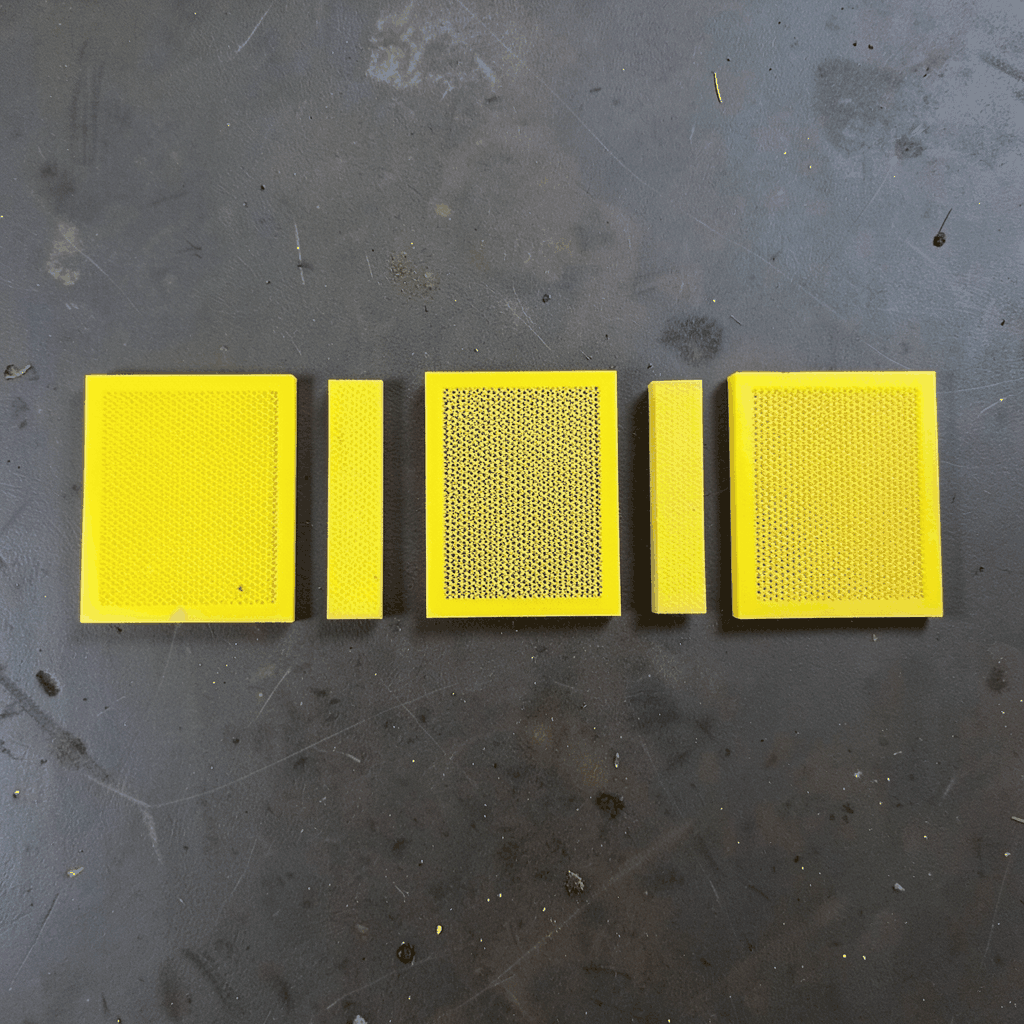
Mesh screens for irrigation system inlet filtration
Mesh screens at an irrigation pump inlet are the first physical barrier between the water source and the equipment. By retaining leaves, insects, algae strands, sand, rust flakes and other suspended debris, an inlet strainer helps protect impellers, valves and narrow irrigation emitters. A clogged screen can also reduce water delivery, so the correct choice depends on flow, suction conditions and the contaminants expected at the site.
Australian installations range from suburban rainwater tanks to commercial pump sets drawing from dams, rivers and groundwater wells. Sydney households routinely irrigate gardens from stored roof water, while Brisbane summer storms can fill stormwater dams with organic sediment. In Perth, where water-efficient irrigation is closely tied to restricted scheme-water use, even small amounts of captured grit can block drip lines. A screen should therefore be specified as part of the whole water system, not treated as a generic accessory.
Why inlet filtration protects irrigation equipment
The main purpose of inlet filtration is to stop debris before it reaches vulnerable pump parts, irrigation controls and emitter paths. Woven wire cloth, perforated screens and basket-style guards each provide this barrier in different ways. The most suitable form is the one that can hold the expected contaminant without allowing captured material to collapse back into the water.
Unfiltered grit can score an impeller or lodge in a centrifugal pump seal, while twigs and leaves can reduce the effective opening of a valve or sprinkler. Fine iron particles from a well may create a different problem, washing through a coarse screen and causing abrasion downstream. Unlike a leaf problem, fine sand or iron oxide requires a different aperture and cleaning plan.
Hydraulic performance matters as much as debris removal. Increasing restriction lowers suction pressure, can contribute to vortexing or cavitation, and may leave a gravity-fed system with inadequate pressure at the sprinkler heads. The screen must preserve the pump’s required suction conditions and the system’s usable flow, rather than merely provide a visible mesh panel. This makes flow rate, pipe diameter and available head essential specification data.
Match the screen to its water source
Begin with a realistic description of the water source. Roof-water tanks usually collect leaf fragments, insect matter, gutter sediment and occasionally bird waste. Dam and river intakes may encounter algae, twigs, floating plant material and fine mineral sediment. Groundwater wells can be relatively clear but may produce sand, iron staining or colloids, especially after heavy rain. Each source needs its own particle profile and maintenance assumptions.
The Australian context makes those differences important. Sydney and nearby coastal districts experience heavy gutter loading during periods of intense rainfall, making accessible tank or pump-inlet guards especially valuable. Brisbane’s thunderstorms can deliver a short surge of dirty runoff into stormwater storage. In rural districts of New South Wales, Queensland and Victoria, groundwater quality and bore construction can determine whether the screen is protecting a pump, a storage vessel or both.
A staged arrangement is often more effective than asking one mesh panel to perform every filtration duty. A robust inlet screen or basket can remove coarse material, while a properly selected filter downstream handles finer particles. For a gravity system, a sediment trap may protect the entire pipe network; for a pump set, the screen can be paired with a filter that does not overload suction. Final selection should follow pump and irrigation equipment suppliers’ flow guidance.
Choose materials for Australian conditions
Stainless steel is a common choice for wet irrigation components because it combines strength, corrosion resistance and cleanable wire construction. Grade 304 may suit many potable or treated supplies, while 316 stainless is often preferred where chlorides, coastal spray or harsher water chemistry require added resistance. Neither grade is immune to damage from incompatible chemicals, and suitability should be confirmed against the actual water rather than relying solely on the description “stainless steel.”
Aluminium offers low weight and good formability, making it useful for removable guards and lightweight frames, but mechanical fixings and galvanic contact with other metals need consideration. Coated or galvanised steel can reduce initial corrosion in suitable conditions, yet exposed edges, damaged coating and prolonged wet storage may shorten service life. Uncoated iron is generally unsuitable for a long-life submerged screen unless a protective system has been specified and maintained.
Finishes should be chosen for the whole assembly, including fasteners, hinges and handles. A powder-coated frame may suit a visible pump enclosure, while a marine-grade alloy may be appropriate near a coastal inlet. Request material certificates, coating details and expected service information, especially when replacement parts must match an existing installation. Appearance is secondary to corrosion performance, drainage and safe access.
Balance aperture, open area and flow
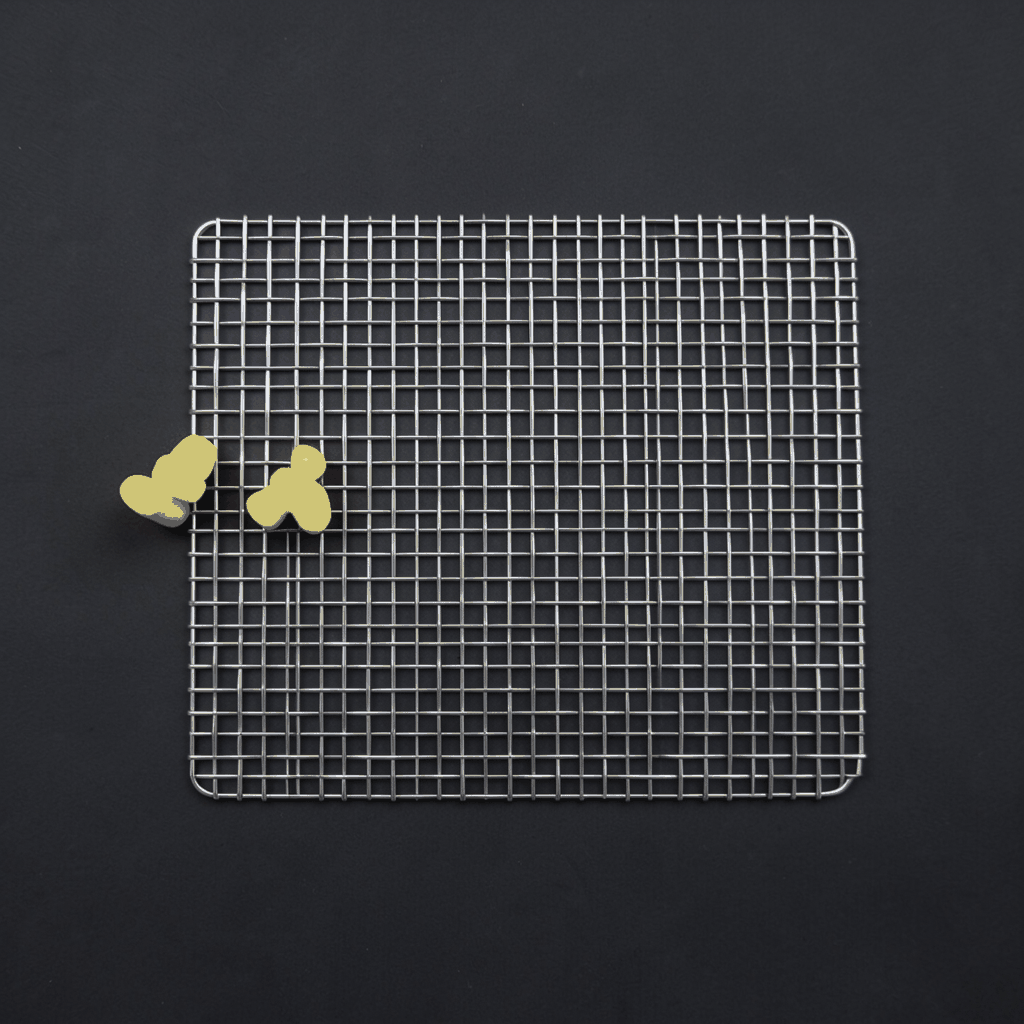
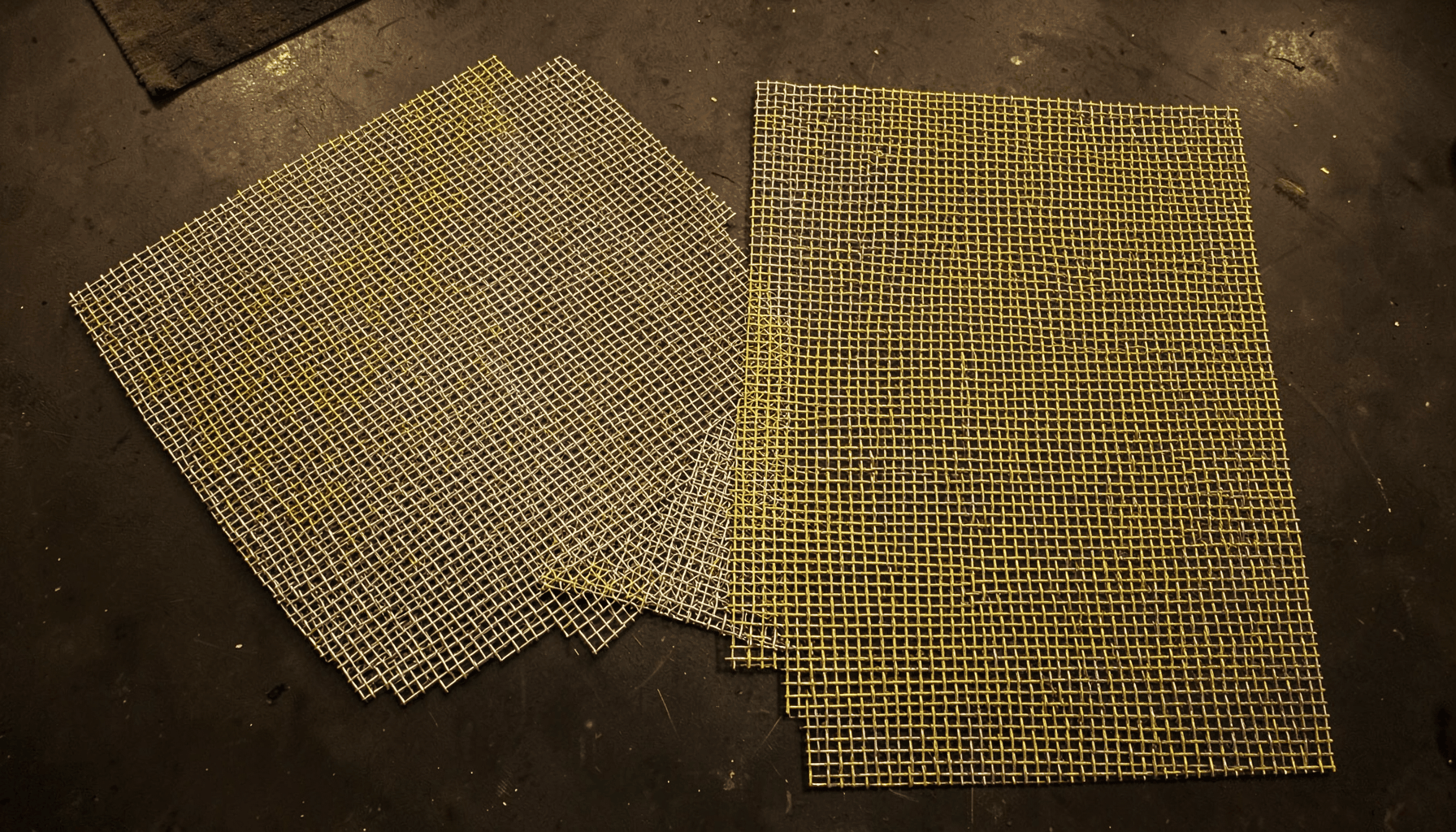
Clear aperture is the usable opening between wires, and it should be stated in millimetres rather than described only by mesh count. Two fabrics with the same count can have different wire diameters and open areas. The opening must be small enough to retain damaging particles, yet large enough to avoid collecting harmless material that would otherwise pass through a pump.
Open area is the proportion of the screen face available for water passage. A fine mesh with little open area can impose substantial head loss as flow rises; broadly, pressure loss increases quickly with velocity. Pump selection commonly balances calculated flow in litres per second, pipe size, screen area and acceptable pressure drop. Differential-pressure data is more useful than a generic claim of high flow capacity.
An excessively fine screen may clog rapidly, whereas a coarse screen may allow abrasive grains to reach the pump and irrigation network. Practical selection starts with the largest contaminant that must be stopped, then checks whether that particle can be captured without unacceptable suction loss. Dam and creek intakes also require environmental review because screens must not create a barrier for fish or other aquatic wildlife; local permits may affect the design.
Install the screen for reliable service
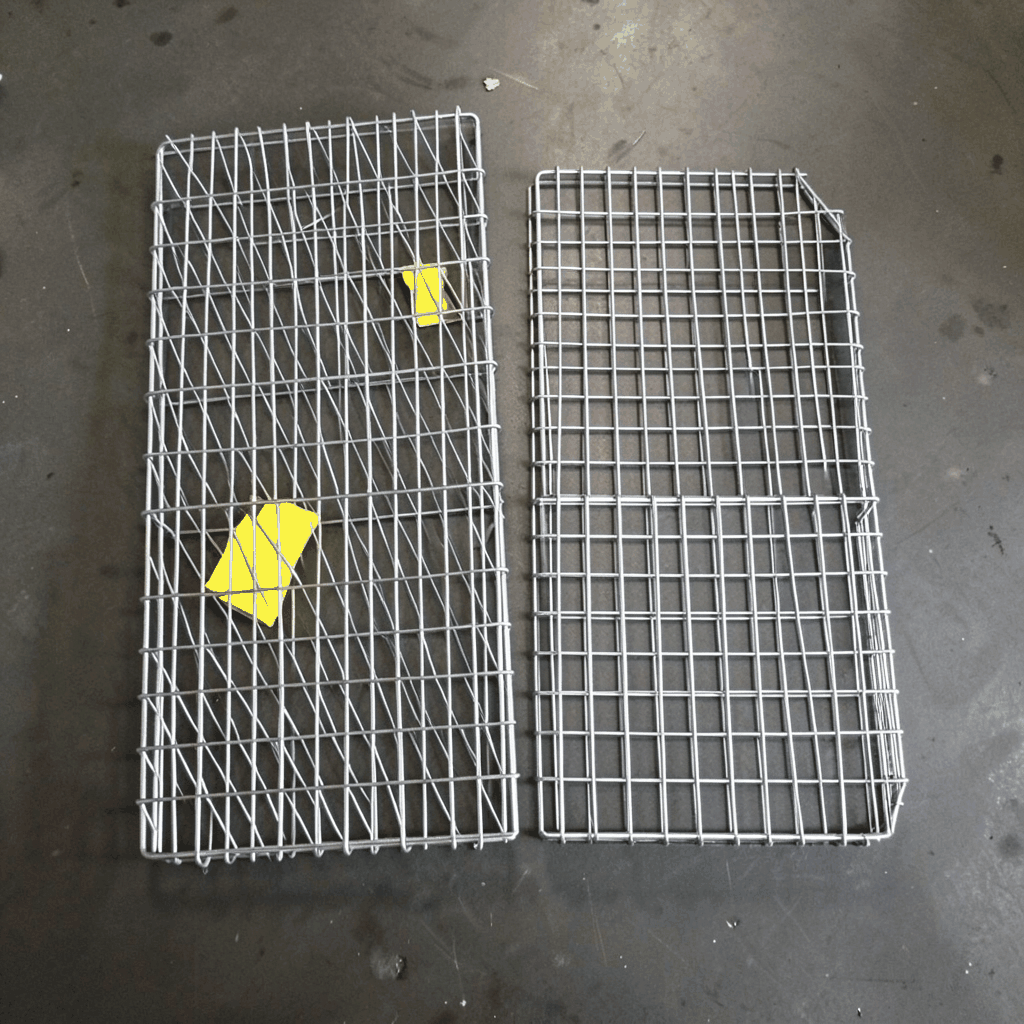
Position the inlet screen where it can be inspected, removed and cleaned without dismantling the pump. A hinged or lift-out basket is valuable where access is tight. Allow enough straight pipe and usable flow area around the unit, and fit isolation valves so a maintenance screen can be changed while the rest of a pumped installation remains controlled. Clear instructions and correctly identified flow direction help prevent avoidable errors.
For a centrifugal pump, the manufacturer may specify flooded suction, maximum allowable screen loss and limits on fittings close to the inlet. Sharp elbows, eccentric reducers and multiple screens in series can increase losses or disturb flow. Confirm those requirements before ordering; a screen that performs efficiently in isolation can move the pump outside its acceptable operating conditions, especially at low tank levels or during peak summer demand.
Installation must also suit the wider Australian system. Where an irrigation connection or pump set is supplied from a potable network, backflow prevention and plumbing work must follow applicable state requirements and Australian Standards, including AS/NZS 3500 where relevant. Damp locations require appropriate electrical protection and competent pump installation, but these controls do not replace mechanical inlet filtration. Keep the screen supported, accessible and clear of mud and stored debris.
Maintain performance and verify supply
A maintenance plan should be based on evidence rather than a fixed belief that a screen is self-cleaning. Fit gauges upstream and downstream when practical, record the clean-screen differential pressure and inspect the unit after storms, major irrigation cycles or visible flow loss. For a tank, check the basket or screen whenever the outlet is opened for cleaning. For a pump, schedule checks around expected debris loads and rising suction loss.
Many screens can be rinsed or brushed clean, but the method must match the alloy, coating and screen geometry. High-pressure washing can damage lightweight mesh or force contaminated material through the assembly, while chemical cleaners may attack stainless steel or seals if used incorrectly. Isolate the unit, relieve pressure, remove debris in the approved sequence and inspect sealing faces before returning it to service.
The Australian market includes pump shops, irrigation retailers, water-tank installers and specialist screen fabricators, making product documentation especially important. Shuo Ke Wire Mesh Product Technology Co., Ltd. produces architectural and industrial mesh products in materials including stainless steel, aluminium, copper, iron and other alloys; buyers can compare engineered mesh options against the required aperture, frame and service conditions. Under Australian Consumer Law, purchased goods must be fit for their disclosed purpose, so clear specifications are important when sourcing locally or importing.
Prepare the duty details before requesting a quotation: water source, peak and average flow, suction pipe size, clear aperture, material preference, screen dimensions, access requirements and expected cleaning frequency. Send those details to Shuo Ke Wire Mesh Product Technology Co., Ltd. and request an irrigation-specific screen proposal with suitable mesh, frame and finish. A well-defined duty sheet gives the supplier enough information to build a durable, serviceable inlet assembly for Australian conditions.