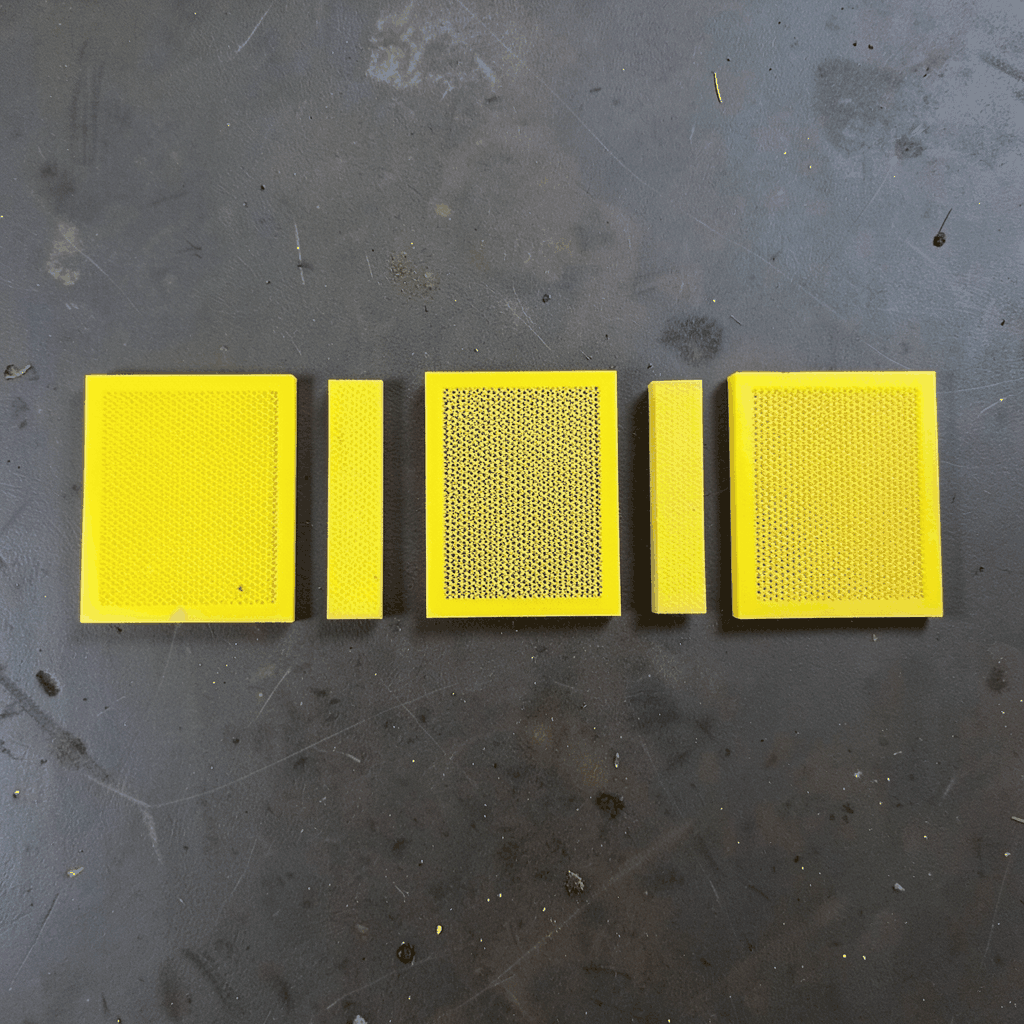
Mesh screens for wastewater treatment bar screens
Wastewater treatment plants depend on reliable preliminary screening to remove rags, plastics, wipes, grit and other debris before it reaches pumps, channels and biological treatment equipment. A well-designed bar screen or mesh screening panel protects downstream assets while keeping flow restrictions, odour issues and manual cleaning demands under control.
Mesh screens can be supplied as fixed panels, removable baskets, perforated plates, wedge wire sections or fabricated assemblies integrated into a mechanical bar screen. The right option depends on the wastewater stream, opening size, channel dimensions, debris profile, cleaning method and expected maintenance routine. For Australian utilities, contractors and industrial operators, material durability and practical fabrication are just as important as the nominal mesh specification.
The role of screening at a treatment plant
A bar screen is installed near the inlet works, where incoming sewage or process wastewater first enters the treatment facility. Its job is to intercept large and medium-sized solids before they wrap around pumps, jam valves or collect in aeration and clarification equipment. Coarse screening often handles rags, sanitary products, timber fragments and larger plastics, while finer screening targets smaller solids and suspended debris.
Traditional bar screens use parallel metal bars with a defined clear spacing. Mesh panels provide another approach where a greater screening area or a more controlled aperture is required. They may be used as secondary screens, perforated drum screens, static screens, inlet baskets or replaceable sections within a larger screening system.
The screen must allow sufficient hydraulic throughput during peak inflow. If the clear openings are too small for the available cleaning system, captured material can form a mat over the face and cause upstream water levels to rise. A practical design therefore balances removal efficiency against head loss, cleaning frequency and the consequences of a partial blockage.
Mesh styles and opening arrangements
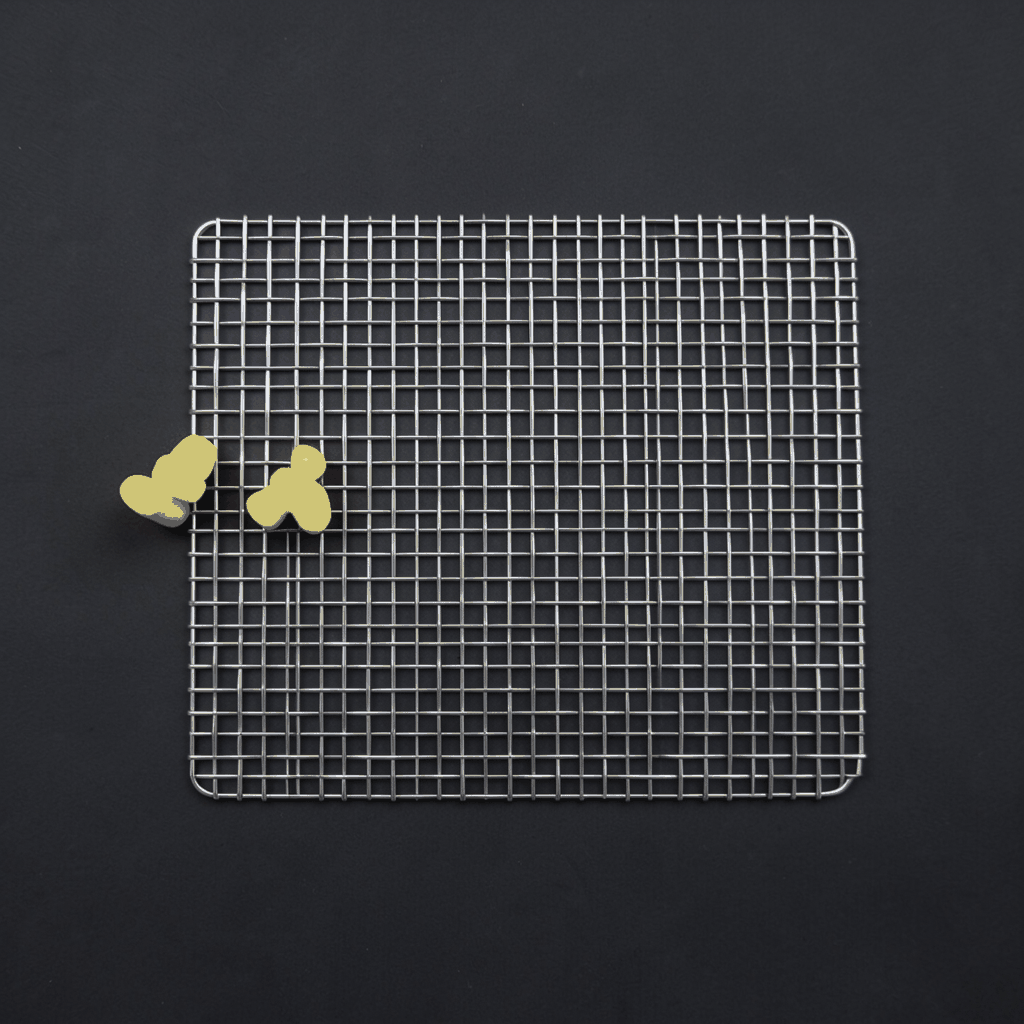
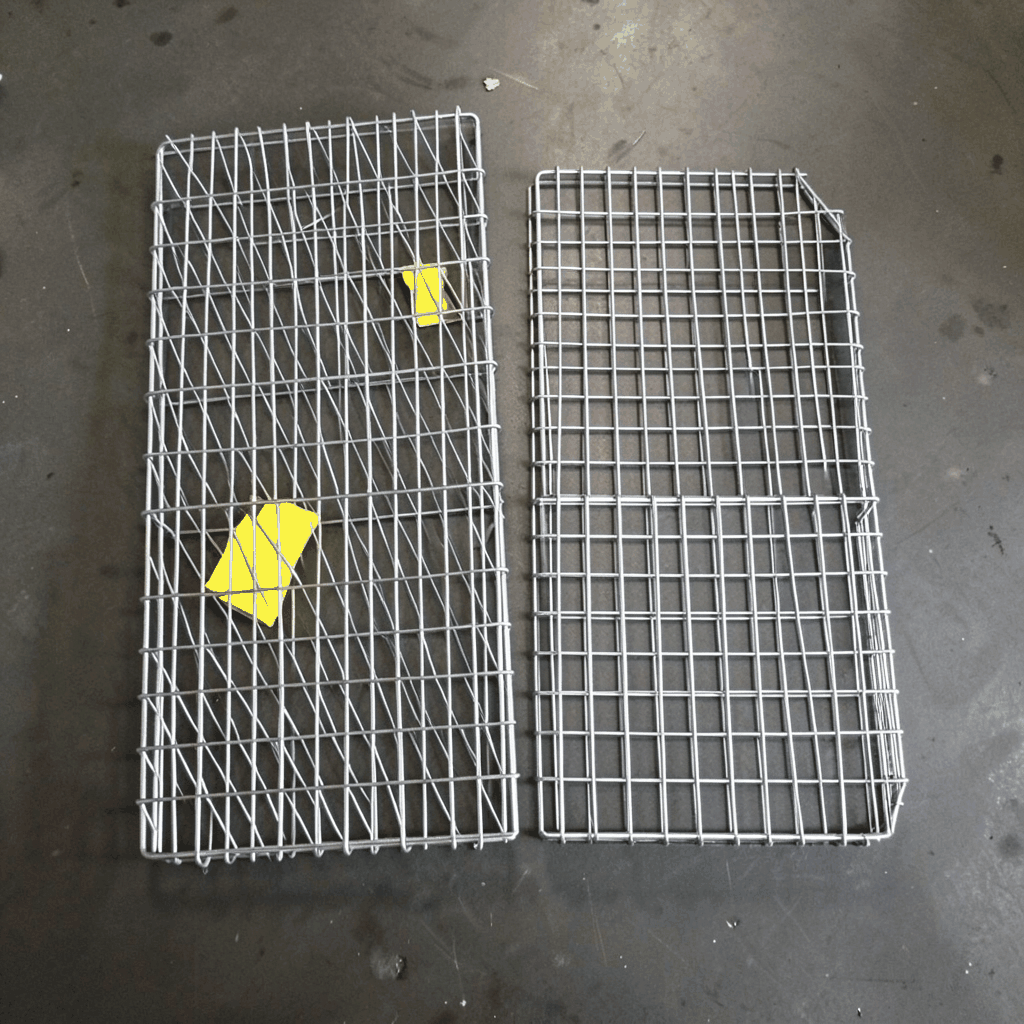
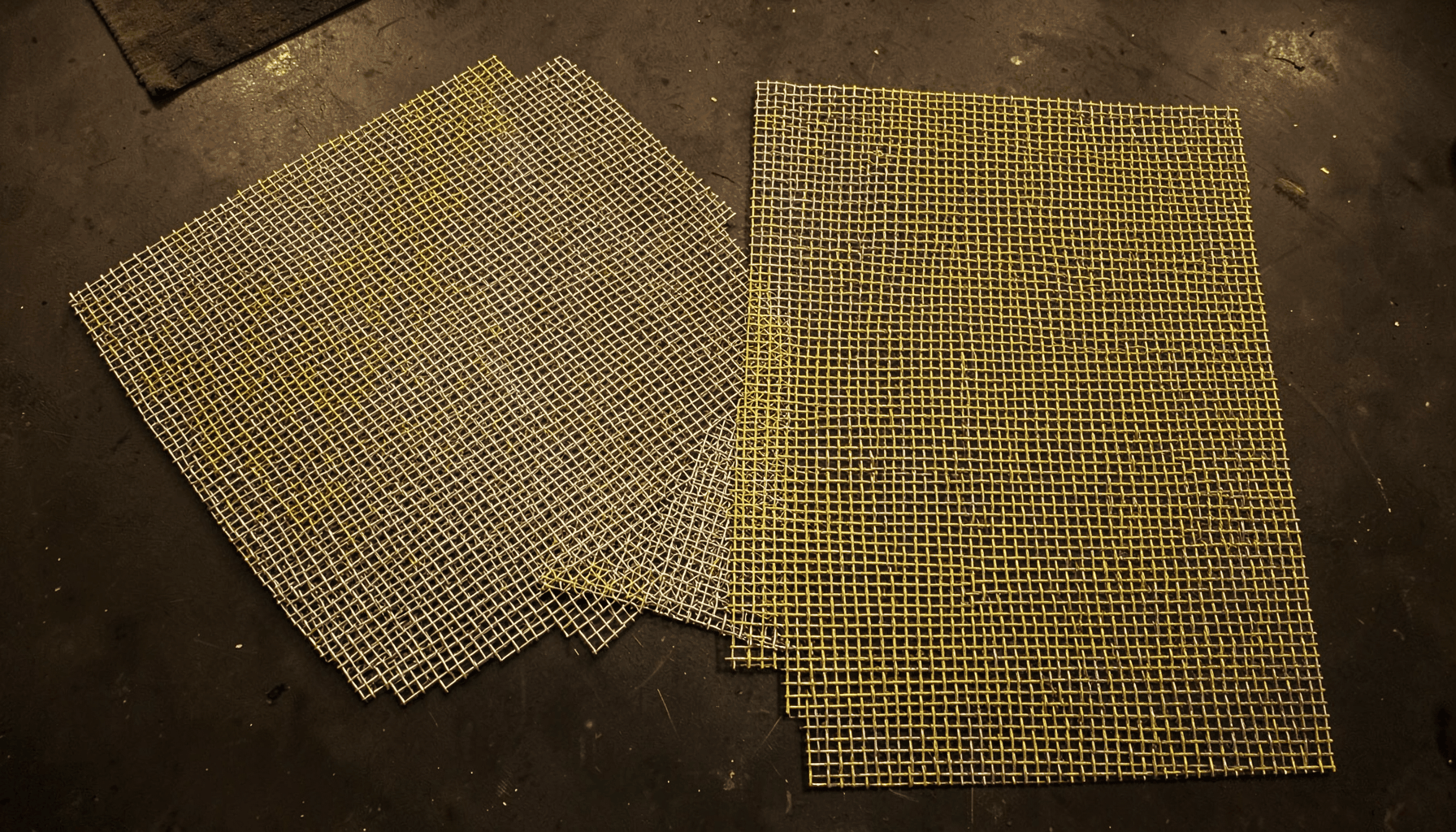
Woven wire mesh is useful where a regular opening pattern, broad open area and relatively light screening panel are required. It can be produced in stainless steel or other alloys and adapted to baskets, guards and removable frames. For harsher duty, welded wire mesh can provide a rigid panel with consistent geometry and good resistance to handling during cleaning.
Perforated metal sheets are often selected when a stronger, more uniform screening surface is needed. Round, square or slotted perforations can be matched to the target solids size, while the sheet can be folded, reinforced or mounted inside a stainless steel frame. Perforated panels are also easier to specify when engineers need a consistent open-area calculation across a large installation.
Wedge wire and profile wire screens offer continuous slots and a smooth screening face. Their shape can assist with self-cleaning and reduce the tendency of fibrous material to lodge across sharp intersections. These products are frequently considered for fine screening, inlet channels and applications where separation performance needs to remain stable under changing flows.
Selecting stainless steel and other metals
Stainless steel is a common choice for wastewater screening because it combines strength, cleanability and corrosion resistance. Grades such as 304 and 316 are selected according to the chemical environment, chloride exposure, temperature and cleaning regime. In coastal locations or plants receiving industrial discharge, 316 stainless steel may offer a more suitable margin against pitting and crevice corrosion.
The material decision should include frames, fasteners, hinges, lifting points and weld zones rather than focusing only on the mesh. A stainless screen attached with unsuitable carbon-steel bolts can develop galvanic corrosion or become difficult to remove. Weld finishing, passivation and the avoidance of dirt-trapping crevices can also have a major effect on service life.
Aluminium can be useful where low weight is important, such as removable covers or access panels, although it is not automatically the best choice for immersed or abrasive wastewater duty. Galvanised steel and coated mild steel may suit certain industrial or municipal installations when budget and structural requirements are prioritised. The final selection should follow the wastewater analysis and the expected maintenance environment.
Hydraulic and mechanical design requirements
Screen performance is governed by both the nominal aperture and the actual open area. Engineers should assess normal flow, peak wet-weather flow, upstream water level, downstream level and the head loss caused by accumulated screenings. A panel with a generous open area can still perform poorly if its support frame, side guides or discharge chute restricts the flow path.
Mechanical cleaning equipment must match the screen geometry. Raking systems need a suitable bar profile or mesh face, with enough clearance for the rake teeth to enter without damaging the panel. For static or manually cleaned screens, the panel should be easy to lift, hose and inspect. Removable cartridges and hinged sections can reduce downtime when the channel must be isolated.
Structural loading also matters. Captured debris, hydraulic pressure, impact from floating objects and lifting forces can place significant stress on the panel. Reinforcing ribs, perimeter frames and intermediate supports help prevent distortion. In regional plants, where operators may rely on a crane, chain block or telehandler rather than a dedicated screening service vehicle, the lifting arrangement should be simple and robust.
Conditions across Australian wastewater sites
Australian wastewater infrastructure faces wide variations in climate and operating conditions. A plant in Brisbane or the broader Queensland wet tropics may receive rapid inflows during the wet season, bringing extra litter, vegetation and grit into the inlet works. Screens need enough capacity for storm-related surges and a cleaning plan that can cope with sudden debris loads.
Perth and other coastal areas can expose equipment to salt-laden air, saline groundwater and high ultraviolet levels. Even when the screen is inside a building, washdown areas, ventilation and chemical storage can increase corrosion risk. In Sydney, Melbourne and other large metropolitan systems, population density and strict odour expectations make dependable screening important for maintaining community confidence near treatment facilities.
Remote and regional councils often need equipment that is straightforward to service with locally available tools. A screen that requires a specialist technician for every adjustment can create long delays, particularly when the nearest fabrication or mechanical workshop is several hours away. Australian procurement also commonly involves civil contractors, water authorities, council asset teams and engineering consultants, so drawings, inspection records and clear replacement dimensions are valuable from the start.
For projects exposed to aggressive wastewater, salt or industrial contaminants, a manufacturer with experience in customised metal mesh solutions can help coordinate the mesh, frame, material and fabrication details as one assembly rather than treating each component separately.
Fabrication details that affect service life
A wastewater screen should be manufactured to the installation dimensions, not simply cut from a standard mesh sheet at the last stage. Channel width, guide-rail spacing, sill levels, rake travel and access clearances should be confirmed before fabrication. Small discrepancies can cause binding, bypass flow or difficult installation, especially in an existing concrete channel.
Welded frames provide stiffness and help maintain alignment during repeated lifting and cleaning. Edges should be finished so they do not catch wipes, gloves or cleaning equipment. Where a screen is frequently removed, lifting eyes, handles and protective corners should be positioned around the actual centre of gravity rather than added as an afterthought.
Quality documentation may include material certificates, weld inspection records, dimensional drawings, surface treatment details and photographs before dispatch. For a council or water authority project, these records support asset registration and future replacement. Marking the aperture, grade and fabrication reference on a durable tag can also save time when several screens look similar in the same inlet building.
Maintenance, cleaning and replacement planning
Regular inspection should look for bent bars, torn wire, cracked welds, loose fasteners, corrosion staining and distortion around lifting points. Operators should also monitor upstream water level and pumping performance. A gradual rise in head loss can indicate that the mesh is blinding with fibres or grease even when the panel appears structurally sound.
Cleaning methods vary from manual raking and hose washing to mechanical rake systems, rotating brushes and spray bars. High-pressure cleaning can damage fine mesh or force debris into joints if used too aggressively. Collected screenings should be contained, drained and disposed of according to the site’s waste procedures, since they may contain pathogens, sharp objects and chemical residues.
Replacement planning is easier when the plant keeps a record of panel dimensions, opening size, metal grade and frame details. A spare screen or replacement insert can reduce outage time during a failure. Modular construction is especially useful for large installations because only the damaged section may need to be replaced rather than the entire screening bank.
Specifying a screen for a new project
A clear specification should state the wastewater type, design flow, peak flow, target solids size, channel dimensions and cleaning arrangement. It should also identify whether the screen is intended for coarse bar screening, fine screening, grit protection, pump protection or a specialised industrial process. Photos and drawings of an existing installation can help a fabricator identify practical constraints that are not obvious from a written schedule.
Material grade, wire diameter or sheet thickness, aperture tolerance, open area, frame profile and surface finish should be documented. The specification should also cover fasteners, hinges, guides, lifting devices and any required protective coating. If the screen will be exposed to sea air, chemical dosing, high chloride wastewater or frequent washdown, those conditions need to be stated before pricing.
Custom fabrication is valuable when an Australian treatment plant has unusual channel geometry, restricted access or a legacy cleaning mechanism. A manufacturer can produce a replacement panel, a complete framed assembly or a batch of standardised screens for multiple sites. Careful coordination between the operator, consulting engineer, installer and fabricator helps ensure that the finished mesh screen performs properly from commissioning through routine maintenance.
Selecting the right wastewater bar screen is an investment in reliable plant operation. Share your channel drawings, flow data, material requirements and cleaning method with Shuo Ke Wire Mesh Product Technology Co., Ltd. to develop a durable, accurately fabricated screening solution for municipal, commercial or industrial wastewater service.