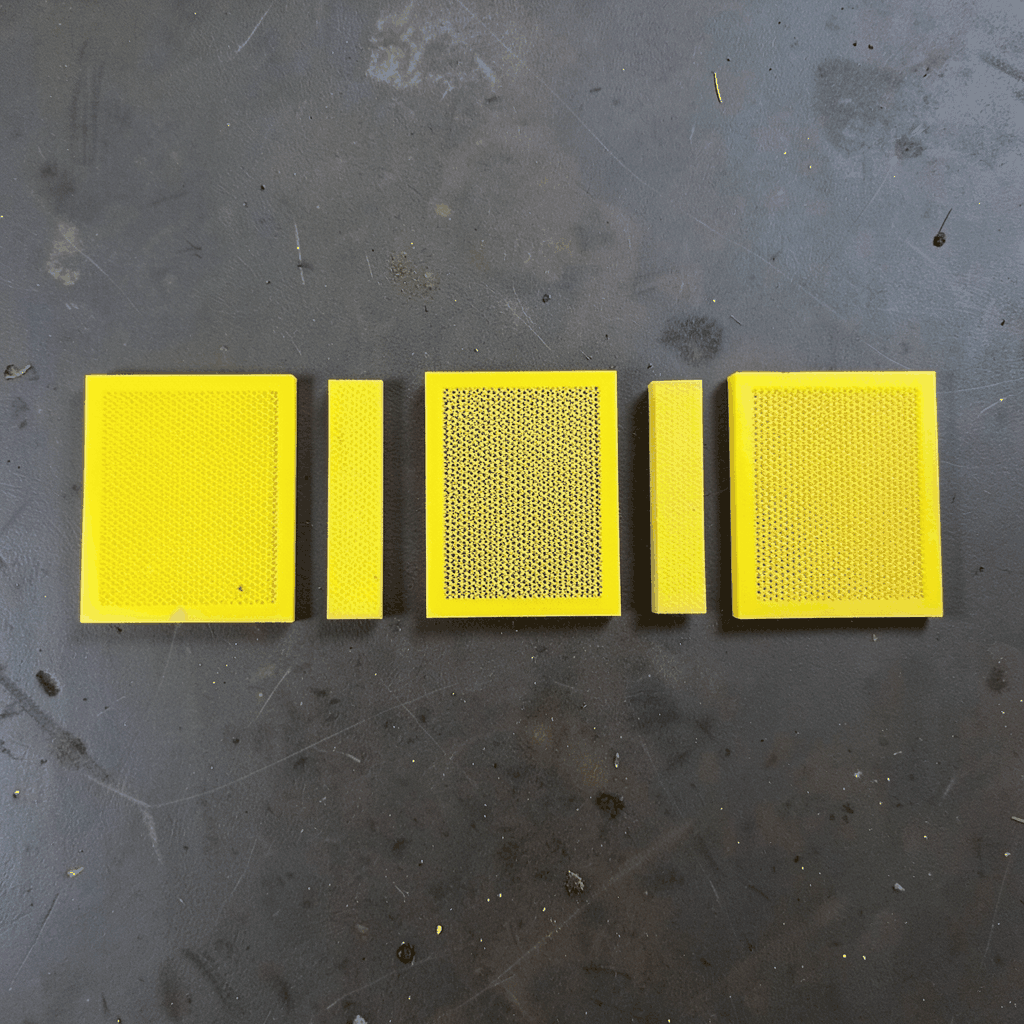
Mesh screens for wastewater treatment plant bar screens
Wastewater treatment begins with effective headworks screening. Bars, grids and woven media capture branches, plastic packaging, wet wipes, sanitary products and other debris before it reaches pumps, blowers, aeration systems and clarifiers. A poorly selected screen can increase headloss, interrupt cleaning cycles, overload the screenings handling system and create serious safety problems for operators.
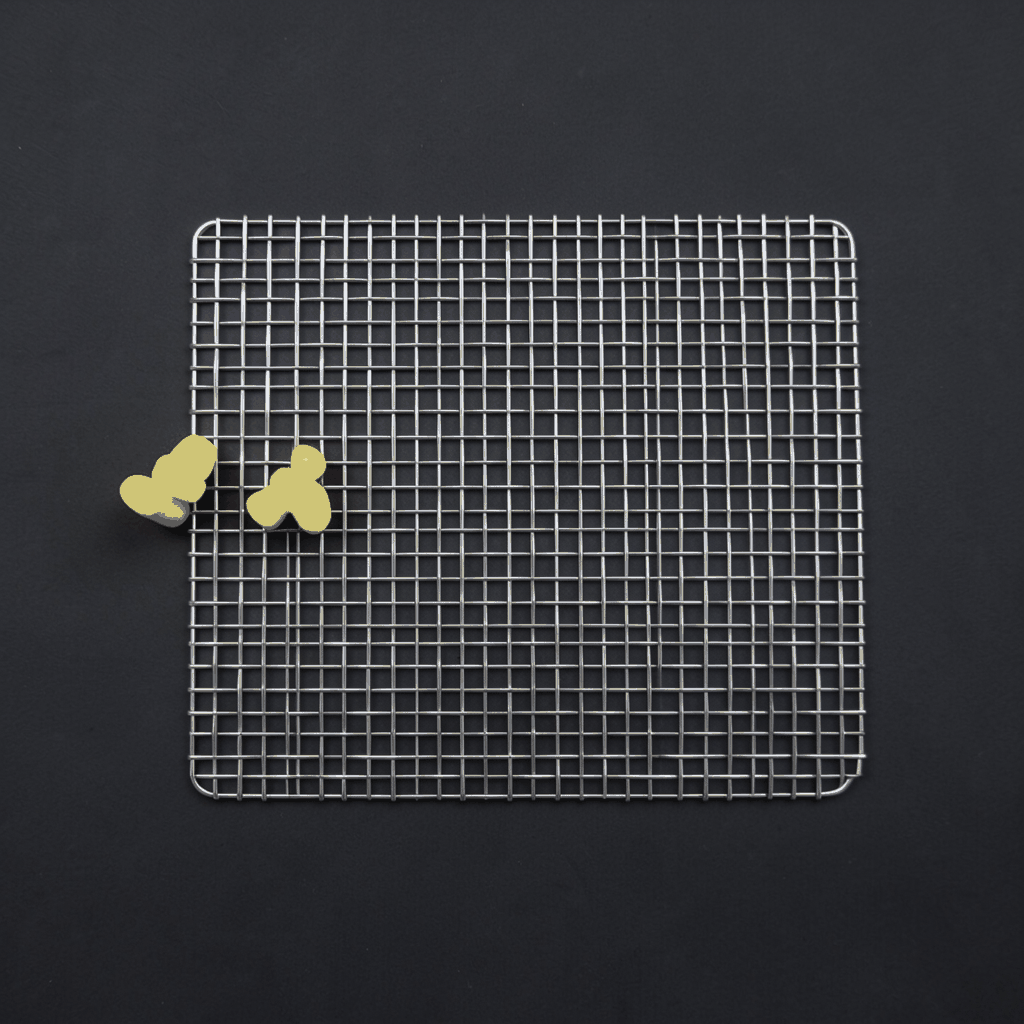
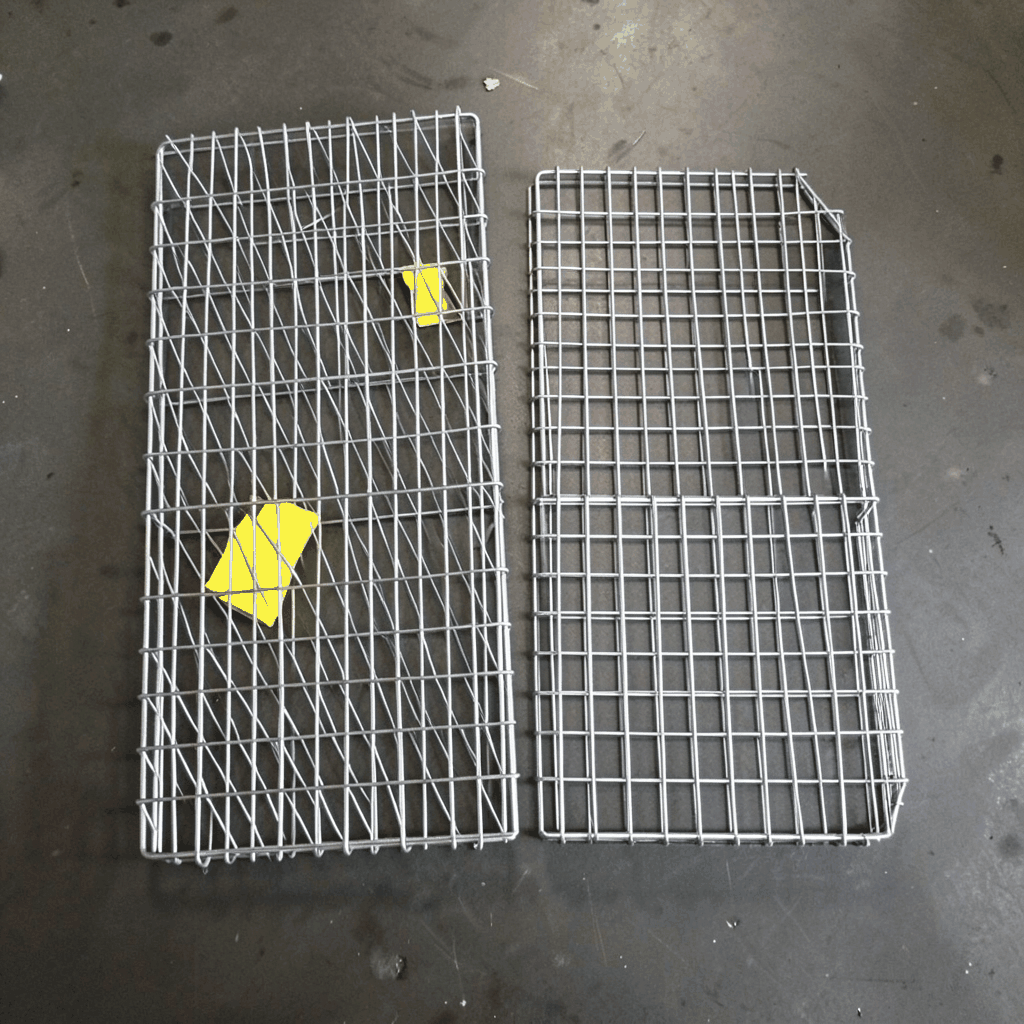
Before specifying a screen, the project team should distinguish between a conventional mechanical bar screen and a wire-mesh panel. Flat-bar racks are normally used where debris must withstand the force of a mechanical rake. Woven or welded mesh can serve as infill, a modular screen insert, a bypass screen or part of a collection basket, but it cannot simply replace bars without reviewing rigidity, aperture, flow capacity and cleaning compatibility.
Material and hydraulic decisions determine how long the installation will remain reliable. The operating environment may include hydrogen sulfide, chlorides, acidic trade-waste flows, pressure-wash chemicals and coastal air. Project specifications should also account for peak wet-weather flow, storage volume, debris characteristics, available footprint and the maintenance strategy used by the treatment plant operator.
Shuo Ke Wire Mesh Product Technology Co., Ltd. manufactures and processes architectural and industrial metal mesh for demanding applications. Its engineers can develop custom mesh screen options in stainless steel, aluminum, copper, iron and other alloys, with dimensions, wire profiles, frames and finishes adapted to individual screening systems.
Define the screening duty before selecting media
The first step is to classify the intended duty as coarse screening, fine screening or supplementary debris retention. Coarse screens protect downstream equipment from larger objects, while fine screens capture material that could pass through a coarse rack and interfere with sensitive plant. A supplementary screen may be used in a bypass, pump intake, grit-removal unit or temporary bypass arrangement rather than serving as the primary headworks barrier.
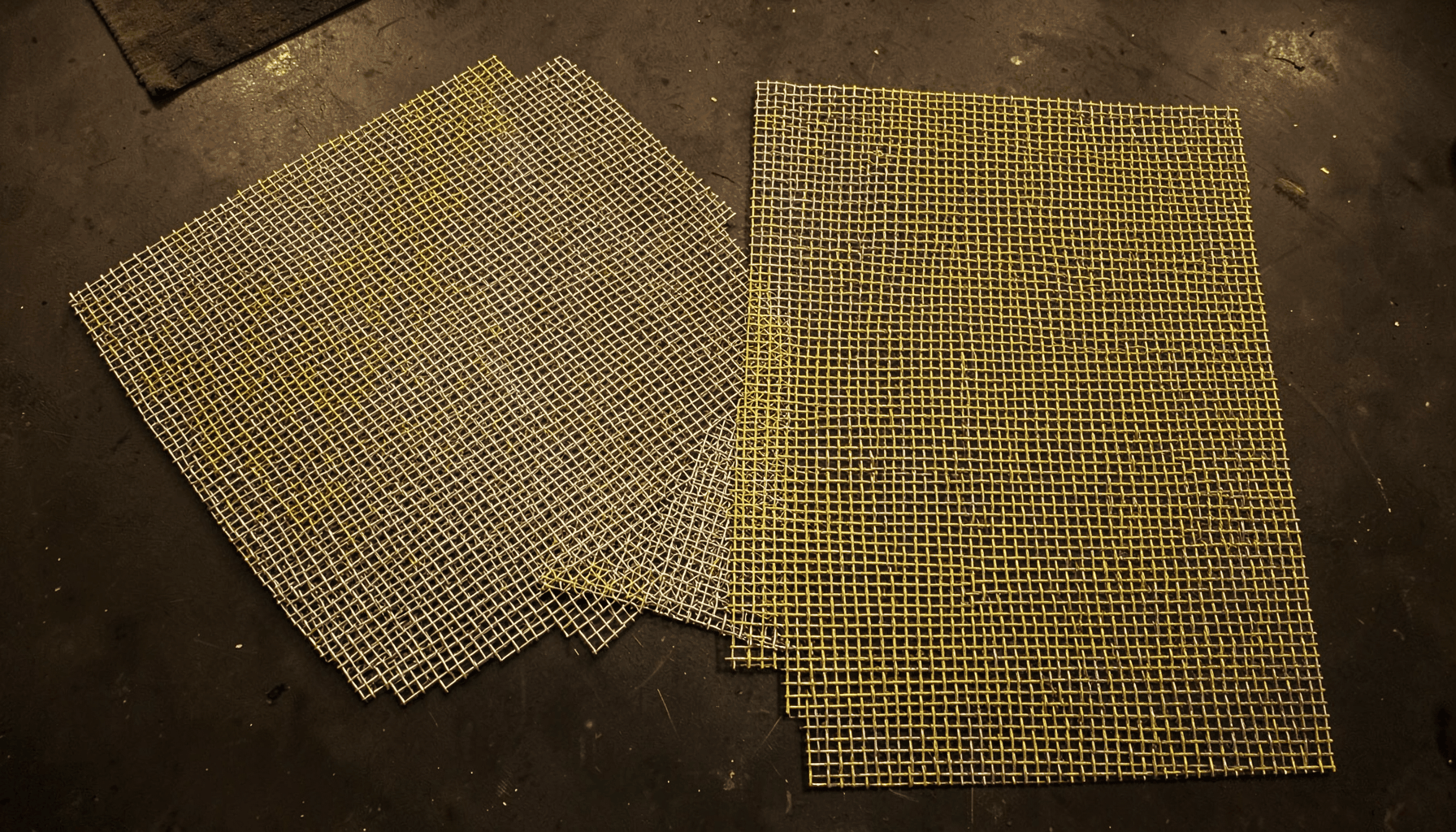
Aperture should reflect the material likely to arrive at the inlet. Fine woven media may be appropriate for a workshop discharge or recycling stream with small fibres and fragments, while a welded grid can handle larger, tougher debris. The chosen opening also affects how quickly captured material forms a mat across the screen. An aperture that is too fine may provide excellent particle capture while causing excessive headloss during peak flow.
The design must be based on peak and sustained hydraulic loading, not average daily flow alone. Designers need to compare clear open area, screen velocity, headloss and the screen’s projected blockage condition. Existing channel geometry, upstream and downstream water levels, flow splitting and the frequency of cleaning all influence the required panel area. Where flow data is uncertain, a conservative assessment or physical flow test is preferable to selecting a screen solely by nominal width.
Match the alloy to the treatment environment
Stainless steel is usually the most practical choice for wastewater screens, but grade selection should follow exposure rather than convention alone. Type 304 stainless steel can perform well in sheltered, controlled installations, while Type 316 offers greater resistance to chlorides and is commonly considered for coastal facilities or plants receiving saline trade waste. Duplex stainless steel provides higher strength and improved corrosion resistance for severe industrial duties, although its higher material cost requires justification.
Fabrication can influence corrosion performance as much as the nominal alloy. Welded panels should have clean, adequately passivated weld zones, while cut edges and attachment points need controlled finishing. Surface contamination from grinding, workshop chemicals or embedded iron should be removed before installation. Buyers should request appropriate material certificates and clear documentation of the finish and treatment applied to the finished component.
Australian conditions create several distinct service environments. Sydney Water operates extensive coastal and inland wastewater assets, where airborne salt and sewage chemistry can accelerate corrosion near the coast. Melbourne Water and metropolitan treatment facilities may encounter saline or industrial discharges around Port Phillip Bay, while Brisbane Water and SEQ Water must accommodate humid conditions, intense rainfall and wet-weather flow spikes. Perth Water combines coastal exposure with large catchments and remote infrastructure, and Adelaide Water operates plants where inflow chemistry can change significantly between catchment areas.
These local realities do not support one universal material rule. A screen at an enclosed pump station in Melbourne may require a different grade from one exposed to marine conditions in Perth. Plant operators should provide the designer with catchment characteristics, trade-waste sources, internal temperatures, chemical cleaning practices and the expected interval between washdowns. Galvanic contact with carbon steel supports, fasteners or submerged structural components also needs to be addressed.
Engineer panels for cleaning and integration
Mesh media used with a bar screen assembly must be designed around the equipment that removes captured debris. A conventional rake travels across the face of parallel bars, so a flexible woven panel could stretch, bunch or wrap around the rake teeth. Engineered mesh alternatives generally use stable welded intersections, reinforced edges and secure attachment points that preserve the intended aperture during repeated cleaning cycles.
The cleaning method is central to this decision. Screens cleaned by travelling brush, jet wash or mechanical rake need enough rigidity to remain flat and correctly aligned. Fine mesh can conceal the rake face, while damaged wire ends may snag waste. Any custom insert must preserve the original screen’s working face, sealing edges and discharge path without creating a bypass gap where debris could escape.
Media geometry should also align with the complete pretreatment train. A robust coarse bar screen may be followed by a finer mesh unit for specific process requirements, while a standalone mesh screen may be adequate where flows and debris are well characterised. Systems handling fibres, aquarium waste or food-processing effluent may need different apertures and cleaning frequency from conventional municipal sewage works.
For projects involving automated equipment, suppliers and screen manufacturers should exchange drawings before fabrication. Dimensions between guide rails, rake stroke, chain position, panel support locations and electrical clearances all matter. A mesh panel that fits the frame geometrically may still be unsuitable if it cannot be removed safely or if its attachment interferes with the rake return cycle.
Design for hydraulic capacity and safe maintenance
Hydraulic efficiency depends on effective open area, not simply the dimensions of the screen frame. Woven wire offers a high proportion of open space when correctly selected, while welded panels can use larger openings for coarse debris. Pleated or folded media can provide more capture area within a limited channel, although folds must remain accessible to the rake and wash system. Designers should evaluate flow at the maximum approved duty with allowance for partial blockage.
Safe removal and cleaning are equally important. Heavier screens require suitable lifting points, clearances and handling equipment, while lightweight panels can be manually handled only when contaminated debris will not make them unexpectedly heavy. Edges should be free of sharp projections, and frames or handles should not create trip hazards around access platforms. Lockout access, isolation points and ventilation should be considered wherever screens are opened beside operating channels.
Dimensional tolerances also affect performance. A slightly undersized panel may leave a bypass gap; an oversized panel may buckle under wet debris or resist withdrawal. Tolerance drawings should identify datum points, mounting surfaces, aperture orientation and service clearances. Custom screens should be inspected against approved drawings before dispatch, with panels tagged to make installation sequence and orientation clear.
Where operators expect frequent maintenance, the finish should support rapid cleaning without damaging the wire or weakening welded joints. Smooth surfaces are easier to hose down, and corrosion-resistant fasteners reduce staining and seizure. Replacement media should remain dimensionally consistent with the original installation so shutdown time can be minimised during faults or planned maintenance.
Manage Australian procurement and handover
Water authorities and local councils shape the Australian market for wastewater equipment. Tender packages may require compliance with authority specifications, relevant AS/NZS standards, workplace requirements and documented quality controls. Major purchasers such as Sydney Water, Melbourne Water, Brisbane Water, Perth Water and Adelaide Water often place substantial emphasis on asset life, documented maintenance and reliable access to replacement components. Local fabrication and installation capability can also carry commercial value when supply chains or emergency repairs need to be coordinated across Australian cities and regional centres.
Imported screens add another layer to project planning. A licensed Australian customs broker should confirm the tariff classification for the finished material and form, together with any applicable duty, GST and import documentation. Freight charges, unloading requirements and the risk of damage during container handling should be included in the total delivery plan. For remote plants, modular sizing and replacement-panel dimensions can reduce the need for specialist travel and expensive site modifications.
Specification checks before ordering
- Confirm aperture, wire profile and the intended coarse or fine screening duty.
- Provide peak flow, channel dimensions, debris profile and required clear open area.
- State the alloy, surface finish, panel orientation and environmental exposure.
- Supply drawings, site photographs and any equipment interface requirements.
Delivery and installation checks
- Tag each component with its drawing reference, position and installation sequence.
- Provide lifting points, handling weights and clear removal-access requirements.
- Supply material certificates, inspection records and maintenance information.
- Include spare mesh sizes, fasteners and compatible cleaning accessories where required.
The final handover package should allow operators to install, inspect and replace the screen without relying on informal site knowledge. It should include as-built dimensions, approved samples, material documentation, coating or passivation records and recommended cleaning procedures. If the screen forms part of a mechanical assembly, the supplier should also identify the coordination responsibilities of the equipment manufacturer, civil contractor and treatment plant operator.
Build a specification that supports long service life
A reliable procurement package begins with process data rather than a product name alone. Useful information includes design and peak flows, upstream and downstream levels, debris characteristics, target aperture, channel dimensions, installation environment, cleaning method and expected maintenance frequency. Clearances around guide rails, lifting arrangements and the complete headworks layout allow the mesh to be engineered as part of the system rather than treated as an isolated panel.
Shuo Ke can assess these requirements and discuss suitable production methods, including woven wire, welded mesh, laser-cut screening and fabricated frames. Stainless steel can be selected in different grades for strength and corrosion resistance, while aluminum may suit lightweight removable elements where galvanic compatibility and cleaning exposure permit. Custom sizing, edge reinforcement, attachment hardware and protective finishes make it possible to adapt the screen to existing channel structures.
Quality should be checked at several stages, from raw material inspection through welding, finishing and final dimensional review. A production sample can help confirm that the selected media handles the intended installation and cleaning cycle. For Australian projects, clear technical drawings and direct communication between the supplier, designer and operator also support predictable delivery and maintenance beyond the initial commissioning period.
Send Shuo Ke the project drawings, flow data, aperture requirements and exposure conditions, and request a material recommendation, fabrication plan and sample for your wastewater headworks package.