Mesh Selection for Vandal-Resistant Utility Meter Enclosures
Utility meters are exposed to more than weather. In public areas, construction zones, apartment buildings, industrial sites, and roadside service corridors, they may face impact, tampering, forced entry, graffiti, theft attempts, and accidental contact with equipment or vehicles. A protective enclosure must therefore do more than cover the meter. It must create a durable physical barrier while preserving access for inspection, reading, maintenance, and emergency shutoff.
Metal mesh is often a practical solution because it combines visibility, ventilation, structural strength, and adaptable fabrication. The correct specification depends on the meter type, enclosure location, expected threat level, mounting arrangement, and local environmental conditions. Material, wire diameter, aperture size, frame construction, fasteners, and finish all influence the final security performance.
A well-designed enclosure should resist prying and cutting without becoming unnecessarily heavy or difficult to service. It should also fit the surrounding architecture, particularly when installed at the entrance of a residential complex, beside a commercial building, or within a landscaped municipal area.
Assessing The Threat Environment
The first step is to identify what the enclosure must withstand. A cabinet located inside a controlled plant may need protection from accidental impacts and unauthorized access, while a meter mounted near a public sidewalk may require stronger resistance to levering, kicking, cutting, and repeated tampering. Vehicle exposure creates a separate risk and may call for reinforced posts, impact rails, or a barrier set away from the meter itself.
The location also determines the required level of concealment. In some applications, staff need to see the meter without opening the gate, making expanded metal or welded wire mesh useful. In other cases, a tighter aperture is preferable because it prevents hands, tools, and narrow objects from reaching the equipment. The mesh should block direct access to valves, breakers, communication ports, and reset controls while leaving authorized service points reachable through a secure door.
Environmental exposure deserves equal attention. Coastal air, road salt, industrial fumes, standing water, and fertilizer can accelerate corrosion. A mesh that performs well indoors may deteriorate quickly outdoors if its material and finish are poorly matched to the site.
Choosing Mesh Geometry And Aperture
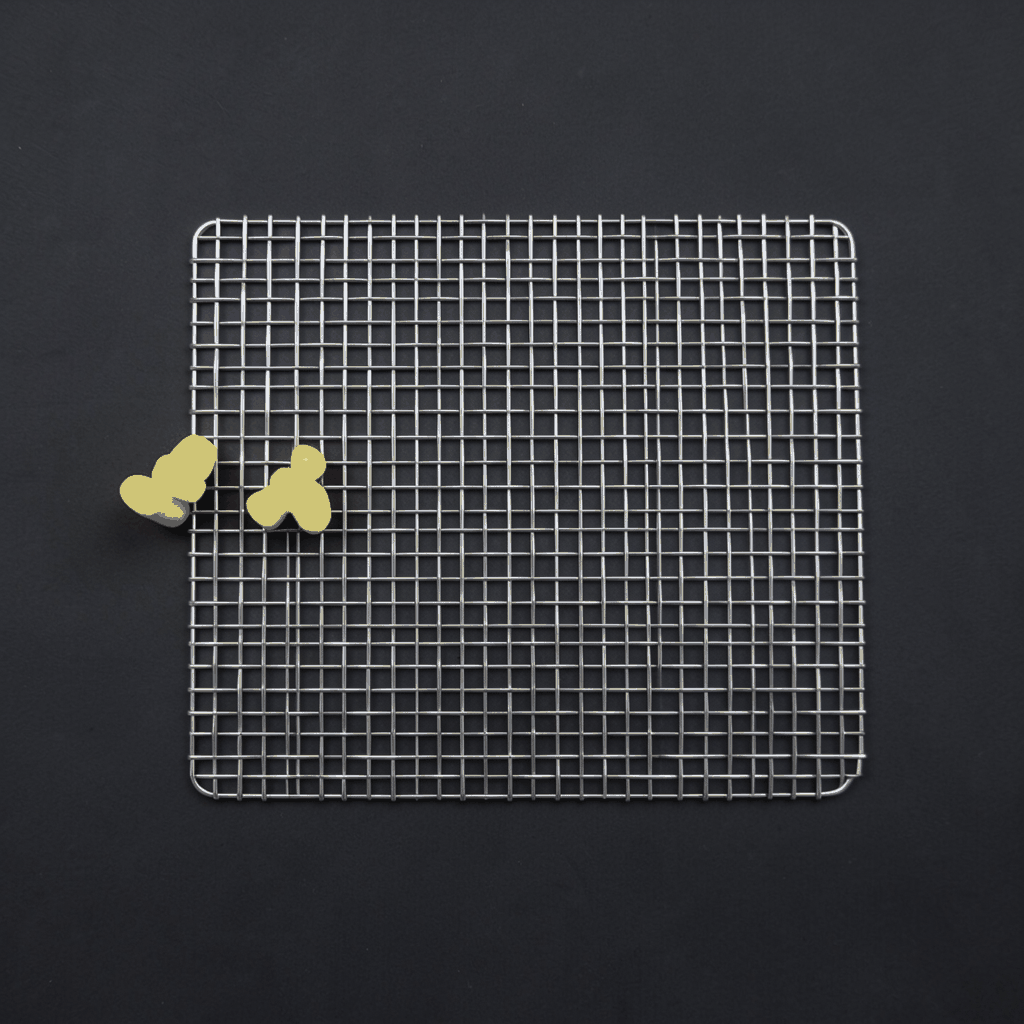
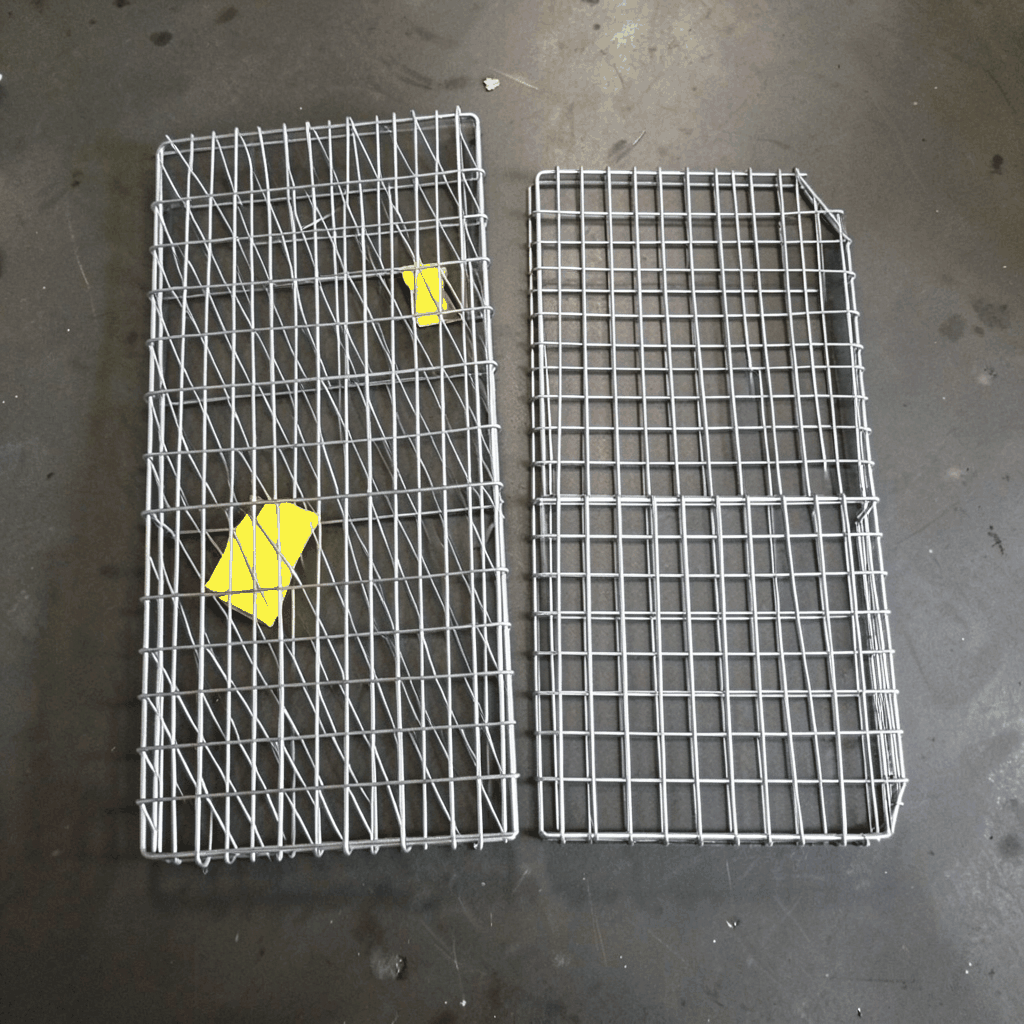
Welded wire mesh is a common choice for meter cages because its fixed intersections create a rigid, clean panel. It is available in many wire diameters and opening patterns, allowing the designer to balance visibility with resistance to deformation. A smaller opening makes it harder to insert tools, while heavier wire improves resistance to bending and cutting.
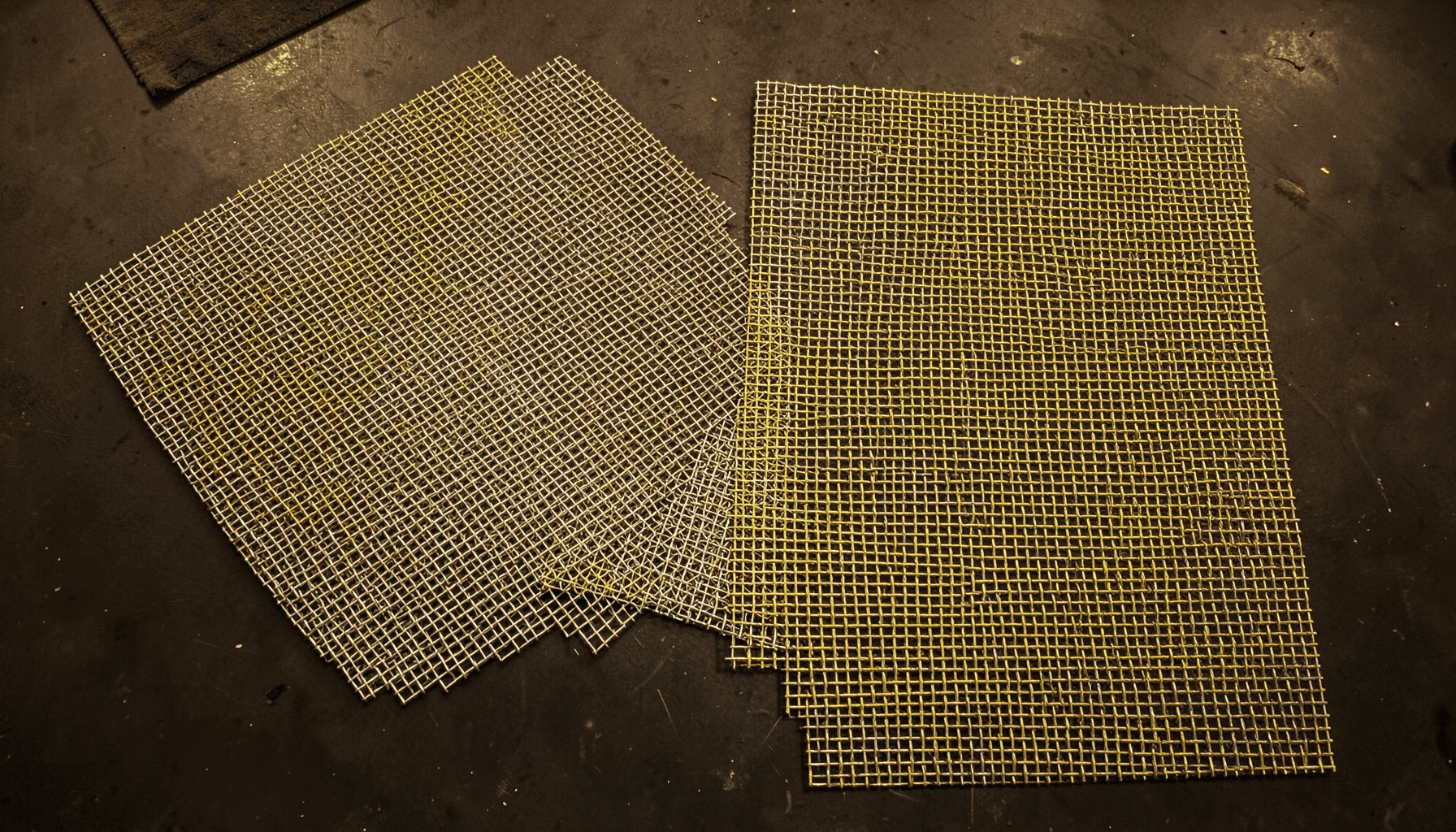
Woven wire mesh can be useful where flexibility, fine filtration, or a less rigid screen is needed, but it may require stronger perimeter framing to prevent the panel from being pulled away. Expanded metal provides a continuous sheet with no loose wire ends and can offer good stiffness at a moderate weight. Perforated sheet is another option when a more solid appearance, controlled ventilation, or reduced visibility is important.
Aperture size should be selected around the actual security concern rather than chosen only for appearance. Openings must be small enough to prevent hand access and tool insertion, yet large enough to maintain airflow and permit visual inspection. The shape of the opening matters as well: narrow slots, diamond apertures, and small square openings present different cutting and prying opportunities. For outdoor utility cages, a rigid welded panel with a compact aperture is often a dependable starting point.
Comparing Materials And Protective Finishes
Stainless steel is well suited to demanding outdoor conditions because it provides corrosion resistance, strength, and a clean architectural appearance. Grades should be matched to the environment. Standard stainless steel may be adequate for many urban locations, while marine or chemically aggressive sites can require a more corrosion-resistant grade. Stainless steel also supports frequent cleaning and is less likely to lose its appearance when properly specified.
Galvanized steel is a cost-conscious option for industrial and municipal enclosures. The zinc coating protects the underlying steel, although cut edges, weld zones, and damaged areas still need attention. Powder coating can add color and a second protective layer, making the enclosure easier to coordinate with a building façade or security fence. The coating system should be suitable for exterior exposure and applied after fabrication where practical.
Aluminum offers low weight and strong resistance to atmospheric corrosion. It may be advantageous when the enclosure must be installed on a wall with limited load capacity or when removable panels are serviced regularly. However, aluminum is generally more vulnerable to deformation and cutting than a comparable heavy steel panel, so the alloy, thickness, frame, and fasteners must be selected carefully.
Copper and specialty alloys can provide distinctive visual effects or specific performance benefits, but they are usually chosen for architectural reasons rather than basic meter security. Material selection should account for galvanic corrosion when dissimilar metals are joined. Isolating washers, compatible fasteners, and suitable coatings can prevent premature deterioration at the connections.
| Mesh Option | Security Characteristics | Environmental Suitability | Typical Use |
|---|---|---|---|
| Stainless steel welded mesh | High rigidity, good resistance to bending and corrosion | Excellent for outdoor and coastal locations when correctly graded | Public utility cages, commercial properties, exposed meter banks |
| Galvanized steel mesh | Strong and economical with effective zinc protection | Suitable for general exterior and industrial settings | Municipal cabinets, service compounds, utility yards |
| Powder-coated steel mesh | Good structural performance with color and added surface protection | Suitable when coating quality and edge treatment are controlled | Residential developments, façades, controlled-access areas |
| Aluminum mesh | Lightweight, corrosion resistant, easier to handle | Useful in many outdoor settings, with design attention to impact | Wall-mounted enclosures, access panels, architectural installations |
| Expanded metal | Continuous sheet, good stiffness, limited loose edges | Depends on base material and coating | Anti-tamper screens, equipment barriers, ventilation panels |
Designing The Frame And Access Door
The mesh panel is only as secure as the frame that holds it. A lightweight screen attached to weak angle sections can be pried away even when the mesh itself is difficult to cut. Frames should use suitably sized square tube, rectangular tube, or formed sections with reinforced corners. Welded joints should be continuous or strategically placed so that gaps do not become leverage points.
The enclosure should be anchored to a stable surface. Concrete pads, masonry walls, structural steel, and equipment plinths each require different anchors. Through-bolts with protected nuts can be effective where the rear side is accessible. Where access is limited, tamper-resistant screws, security nuts, welded studs, or concealed fixings can reduce the chance of removal. The base should avoid creating a gap large enough for tools to be inserted underneath.
Doors deserve particular attention because they are commonly targeted first. A full-height piano hinge or protected heavy-duty hinges can reduce exposed pin access. The latch side should include an overlapping return or reinforced frame to resist spreading. Lock boxes, shrouded padlock hasps, and cylinder locks can protect the locking hardware from direct attack. Two-point or three-point locking may be justified for tall doors or high-risk locations.
Access must remain practical for authorized personnel. A door that is too narrow, awkwardly hinged, or obstructed by nearby structures encourages unsafe workarounds. The design should provide sufficient clearance for meter reading, cable inspection, replacement, and emergency response without requiring the whole cage to be dismantled.
Balancing Visibility, Ventilation, And Serviceability
Meters often generate little heat, but enclosed electrical equipment, regulators, communication devices, and control components may require continuous airflow. Mesh allows passive ventilation while blocking direct contact. The open area should be checked against the equipment manufacturer’s requirements, especially when the enclosure also protects transformers, battery units, or other heat-producing components.
Visibility can support security and maintenance. A transparent or semi-open panel allows staff to detect damage, water accumulation, unusual activity, and meter faults from outside. It can also discourage tampering because activity is less concealed. If privacy or visual screening is needed, a tighter mesh pattern or expanded metal can limit direct views while retaining airflow.
Drainage should be incorporated into the lower frame and base. Water trapped against steel accelerates corrosion and may threaten the meter foundation. Raised mesh panels, sloped caps, weep openings, and a clearance above paving can improve drainage. Sites subject to runoff should also be assessed for sediment and debris accumulation; relevant mesh liner guidance illustrates why water movement and material exposure should be considered together when specifying outdoor mesh systems.
Serviceability includes the ability to clean the enclosure, repaint damaged sections, replace locks, and remove individual panels. Modular construction can reduce future labor, especially when several meters are grouped in one bank. Removable side panels should still use controlled, tamper-resistant fasteners rather than relying on convenience clips.
Avoiding Common Specification Errors
One frequent error is selecting mesh by aperture alone. A small opening does not guarantee security if the wire is thin, the panel is poorly supported, or the frame can be twisted. Security performance comes from the complete assembly: panel, frame, hinges, lock, anchors, roof, base, and surrounding structure.
Another problem is leaving the top of the enclosure vulnerable. A flat open top may permit objects to be dropped onto the meter, while a low roof can be reached easily. Depending on the site, the enclosure may need a sloped or louvered top, a reinforced cover, or sufficient height to prevent convenient access. The roof must not interfere with meter reading or maintenance.
Sharp cut edges, exposed weld spatter, and poorly finished corners create safety hazards for technicians and pedestrians. All accessible edges should be deburred, capped, folded, or otherwise protected. Where the cage is near a walkway, the layout should avoid projecting bolts and maintain appropriate clearance.
Overlooking future changes can also create avoidable costs. Utility equipment may be replaced with a larger model, additional meters may be installed, or communication hardware may require new access points. Allowing modest internal clearance and designing adaptable panels can extend the useful life of the enclosure. Custom fabrication from a metal mesh manufacturer is often valuable when standard cages cannot accommodate unusual dimensions or site restrictions.
Planning A Reliable Custom Solution
A useful specification package should include meter dimensions, cable entry locations, operating clearances, mounting surface details, site photographs, desired lock type, finish requirements, and the anticipated threat level. It should also identify whether the enclosure is freestanding, wall mounted, integrated into a fence line, or attached to another protective barrier.
For residential and commercial projects, appearance may be nearly as important as strength. Stainless steel, colored powder coating, architectural expanded metal, and carefully proportioned frames can make a security cage look like part of the building rather than an afterthought. Industrial and municipal sites may prioritize fast installation, replacement access, and standardized modules across multiple locations.
A manufacturer experienced in stainless steel, aluminum, galvanized steel, and specialty mesh can help match the construction to the application. Shuo Ke Wire Mesh Product Technology Co., Ltd. produces customized architectural and industrial mesh products, including protective screens, fences, gates, guardrails, filters, and fabricated metal components. This range supports coordinated solutions when a meter enclosure must connect with existing barriers, façade screens, or service infrastructure.
Recommended practices for specifying the enclosure include:
- Select the mesh opening and wire or sheet thickness according to the expected tools, impacts, and access risks.
- Use a reinforced frame with tamper-resistant anchors, protected hinges, and a lock system suited to the location.
- Match stainless steel, galvanized steel, aluminum, or coated steel to corrosion exposure and maintenance expectations.
- Preserve ventilation, drainage, meter visibility, and sufficient clearance for authorized service work.
- Request drawings or samples that show edge treatment, weld quality, coating coverage, and fixing details before production.
A vandal-resistant meter enclosure should be treated as a complete engineered assembly rather than a decorative screen. When mesh geometry, material, framing, access control, and environmental protection are specified together, the result can deter tampering while remaining practical for utility personnel.
Share the meter dimensions, installation environment, security concerns, and preferred finish with Shuo Ke to develop a custom mesh enclosure that protects critical equipment and fits the surrounding project. Properly selected metal mesh can deliver long service life, clear visibility, controlled access, and a professional appearance in one durable solution.