Mesh skirts for conveyor systems to prevent material spillage
Material spillage around a conveyor creates more than a housekeeping problem. Product loss, blocked walkways, damaged equipment and airborne dust can increase operating costs while exposing workers to slips, trips and contact hazards. A well-designed mesh skirt provides a controlled edge along the loading and transfer zone, helping bulk material remain on the belt as it accelerates and settles.
Unlike a solid barrier, woven or perforated metal mesh can provide containment while allowing visibility, ventilation and easier inspection. The right configuration depends on the material, belt speed, transfer height, chute design and cleaning routine. A skirt is most effective when it forms part of a complete conveyor guarding and spill-management system.
Australian operators often need solutions that withstand abrasive minerals, intense sunlight, humidity near ports and rapid changes between dry and wet weather. Stainless steel, galvanised steel, aluminium and other metal options can be specified for different environments, from a quarry outside Brisbane to a bulk-handling terminal near Newcastle or a mine in Western Australia.
How a conveyor skirt controls spillage
A conveyor skirt is installed along the sides of a belt, commonly near a loading point, transfer station or discharge area. It creates a side barrier that keeps loose material inside the belt’s carrying profile while the load is distributed across the belt width. Mesh panels may be fixed to a frame, mounted on brackets or combined with rubber skirting at the most demanding impact points.
The open structure of metal mesh is useful where operators need to observe belt tracking, material flow and build-up. It can also reduce the heat and moisture accumulation associated with fully enclosed sheet-metal guards. When designed with suitable aperture size and panel spacing, the skirt can retain larger particles while allowing fine dust and air movement to be managed through a separate extraction system.
Skirting cannot compensate for an incorrectly aligned belt or a poorly designed transfer chute. If the material lands off-centre, surges at the loading point or strikes the side barrier at excessive speed, spillage may continue. Effective control usually combines impact beds, correct chute angles, belt cleaners, tracking systems and a skirt that follows the belt’s movement without creating unnecessary friction.
Choosing the right mesh and metal
Stainless steel mesh is a strong choice for wet processing areas, food-related handling, coastal sites and washdown environments. Grades such as 304 and 316 may be considered according to exposure to salt, chemicals and cleaning agents. In a Queensland coastal facility or a plant near Sydney Harbour, corrosion resistance can reduce replacement frequency and help maintain a clean, presentable installation.
Galvanised or painted carbon steel can provide a practical balance between strength and cost for dry bulk handling. It is often suitable for aggregate, grain, sand and general industrial conveyors when the coating system matches the site conditions. Aluminium offers lower weight and good corrosion resistance, which can simplify manual handling during installation, although it may be less suitable for severe impact or highly abrasive service.
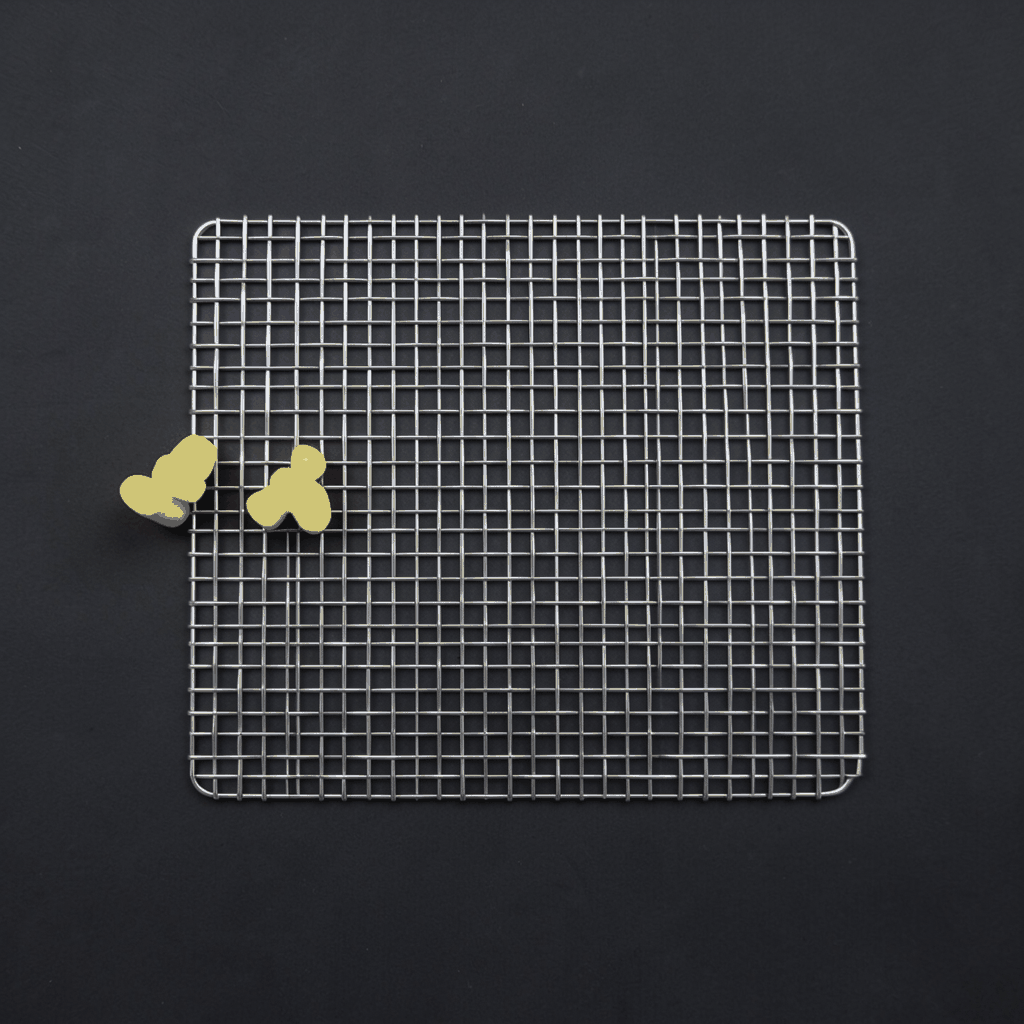
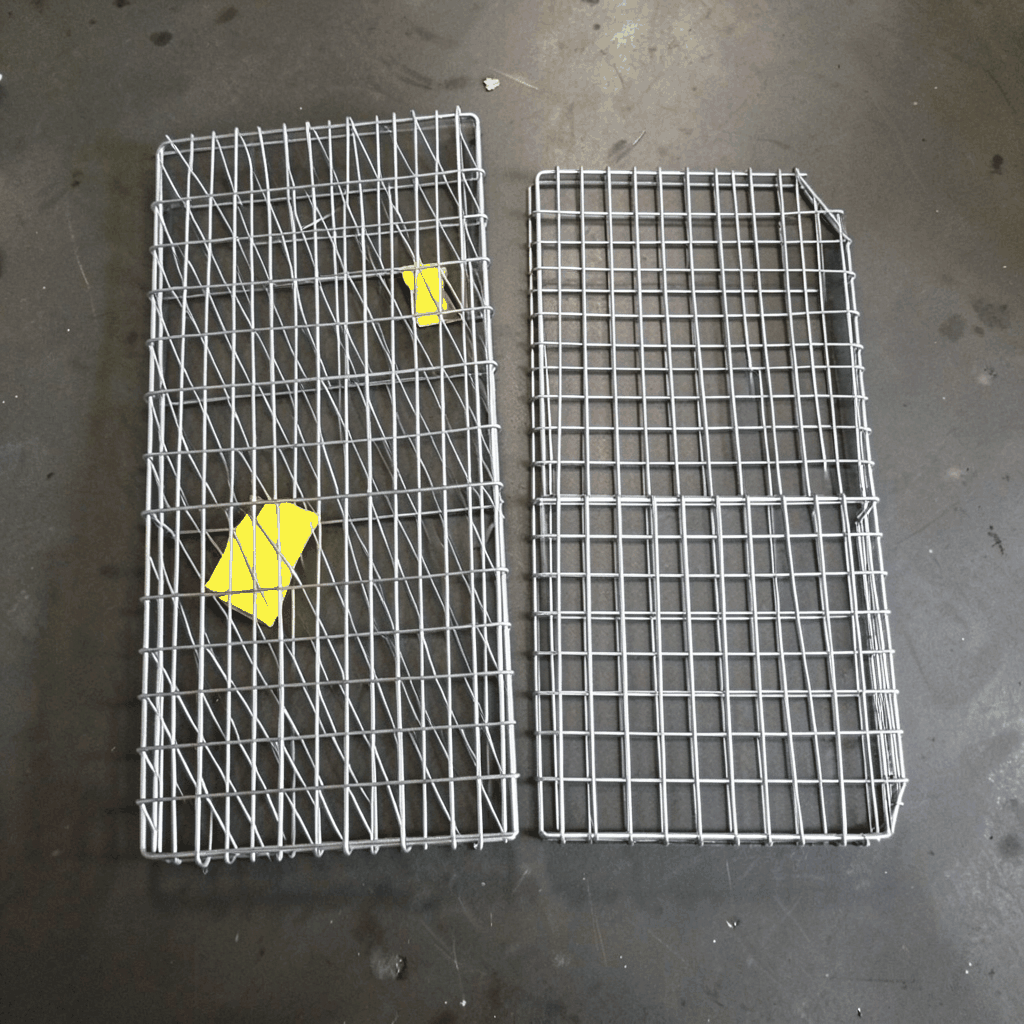
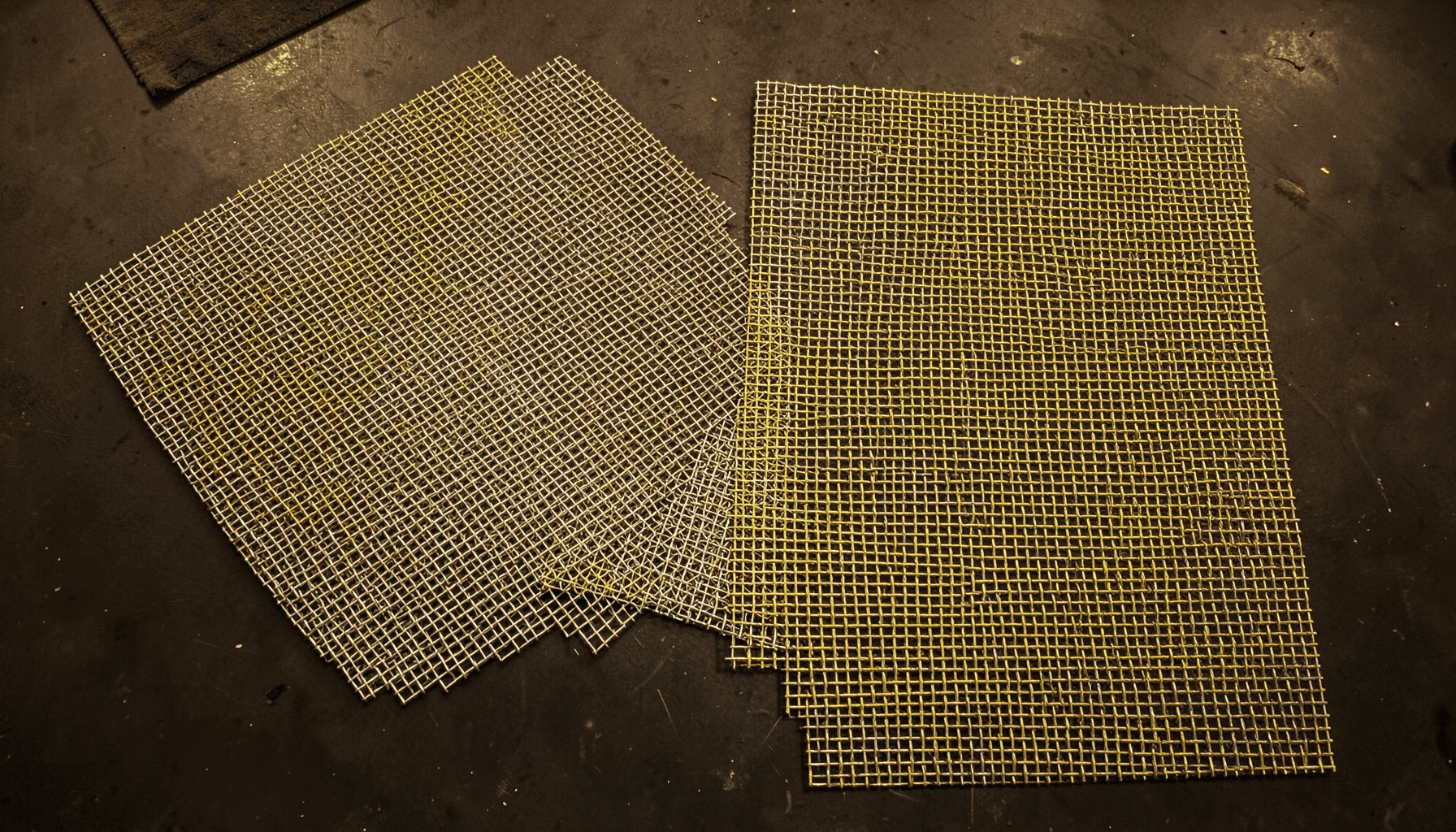
Mesh type matters as much as the base metal. Woven wire mesh is flexible and available in many aperture patterns, while welded mesh provides a rigid, orderly panel that is straightforward to frame. Expanded metal can offer useful stiffness with lower weight, and perforated sheet may be selected when a smaller, controlled opening is required. The final choice should consider particle size, impact energy, washdown chemicals and the expected service life.
Design details that affect performance
A useful conveyor skirt should be long enough to cover the active spill zone and positioned close enough to the belt to contain material without rubbing against it. The support frame needs to accommodate belt movement, belt sag, thermal expansion and access for inspection. Adjustable brackets are valuable because they allow the skirt to be realigned as the conveyor is serviced or the belt profile changes.
The lower edge should be designed around the material and operating conditions. A flexible rubber seal may be fitted beneath a rigid mesh panel to improve containment at the belt edge, while a raised clearance can be preferable where contact could damage the belt. The design must avoid pinch points, snagging hazards and spaces where material can accumulate and later fall unexpectedly.
Panel size and fixing method also influence maintenance. Smaller removable sections are easier for a technician to handle during a planned shutdown, especially on elevated conveyors or in restricted transfer towers. Captive fasteners, hinged access panels and clearly defined lifting points can reduce time spent removing guards. Components should be strong enough for vibration and impact without becoming unnecessarily heavy.
Managing dust, moisture and harsh conditions
Bulk material movement can generate respirable dust, particularly with dry coal, crushed rock, cement, grain or mineral concentrates. A mesh skirt can help keep larger particles on the belt, but it should not be treated as a substitute for dust suppression or extraction. Enclosures, water sprays, vacuum systems and correctly positioned transfer chutes may be needed where dust levels present a health or environmental risk.
Australia’s climate makes site conditions highly variable. A conveyor at a Pilbara mine may face red dust, intense ultraviolet exposure and large temperature changes, while a grain facility in regional Victoria may experience seasonal moisture and organic residue. Near Gladstone or Port Hedland, salt-laden air can accelerate corrosion. Drainage, coating selection, stainless fasteners and sealed connection details should be considered during specification.
Mesh openings can become blocked by wet fines, clay or sticky products. This reduces visibility and may add weight to the panel. A practical inspection schedule should check for build-up, loose fixings, corrosion, distortion and contact with the belt. The cleaning method should suit the metal finish; aggressive chemicals or high-pressure washing at close range can shorten the life of some coatings and seals.
Safety and Australian compliance considerations
Conveyor guarding must be planned around the whole machine, including nip points, rotating rollers, drive components, take-up assemblies and access routes. Under Australian work health and safety legislation, the person conducting a business or undertaking has duties to provide safe plant, safe systems of work and suitable information and training. Requirements vary between states and territories, so a design for a Western Australian mine may require a different approval process from one used in New South Wales or Queensland.
Engineering teams commonly assess machinery guarding against applicable parts of the AS 4024 safety series, current site rules and the manufacturer’s risk assessment. The exact standard and edition should be verified for the project rather than assumed. A mesh skirt should prevent unintended access where necessary, resist foreseeable loading and remain secure under vibration, while still allowing authorised inspection and maintenance.
Visibility is an important safety benefit when it is achieved without compromising protection. Operators should be able to identify belt misalignment, product build-up and damaged components from a safe position. Transparent sections, suitable mesh openings and lockable access points can support routine checks. Any removable panel should require a deliberate action, and isolation procedures must be followed before hands or tools enter hazardous areas.
Installation and maintenance in real operations
Before fabrication, the conveyor should be surveyed for belt width, frame dimensions, transfer geometry, existing supports and access restrictions. Drawings or site measurements should identify bolt locations, clearance from moving parts and the direction of product flow. This prevents a common failure where a standard panel fits the nominal conveyor width but clashes with a chute, walkway or maintenance platform.
Installation is often easiest during a planned shutdown. Sections can be preassembled, labelled and delivered in installation order, reducing time around an inactive production line. On large Australian sites, logistics may involve long-distance freight to a remote mine or coordination with a port’s restricted maintenance window. Compact, manageable panels can lower handling demands and reduce the need for cutting or drilling on site.
Routine checks should form part of the conveyor’s planned maintenance program. Look for bent mesh, cracked welds, missing bolts, worn rubber, product trapped between the skirt and belt, and signs that the belt is tracking into the barrier. A documented inspection record helps teams identify recurring causes of damage, such as excessive loading, poor belt alignment or impact from oversize material.
Custom fabrication for different conveyor applications
A single standard mesh specification rarely suits every material-handling line. A fine woven panel may work for a light-duty packaging conveyor, while a heavy-duty welded or expanded-metal panel with reinforced framing may be required for iron ore, coal or quarry products. Food and pharmaceutical operations may require a smoother, cleanable finish and carefully selected stainless steel components.
Custom fabrication can include curved sections, sloped panels, hinged doors, removable inspection windows, reinforced corners and interfaces with rubber skirting. It may also coordinate with guarding around transfer chutes, platforms, stairs and walkways. Working with a manufacturer experienced in architectural and industrial products, such as custom metal mesh solutions, allows the same material knowledge to be applied to containment, visibility and durability requirements.
Specification documents should state mesh type, wire or strand size, aperture, frame profile, finish, fastener grade, tolerances and inspection requirements. They should also identify the conveyed material, bulk density, maximum lump size, belt speed, loading rate and site environment. Clear information at the quotation stage helps avoid substitutions that appear similar but perform differently in service.
For Australian projects, it is useful to request drawings in a format accepted by the site engineering team and to confirm whether the supplier can provide samples, corrosion information and replacement panels. A well-documented system makes future extensions easier when a plant adds another transfer point or changes the product being conveyed.
A properly engineered mesh skirt can reduce clean-up, protect nearby equipment and improve visibility around busy conveyor lines. Its value comes from the relationship between the mesh, the belt, the chute, the support frame and the maintenance process. Specify the operating conditions carefully, select a suitable metal and finish, and review the design against site safety requirements before fabrication.
For a tailored enclosure or spill-control component, contact Shuo Ke Wire Mesh Product Technology Co., Ltd. with conveyor dimensions, material details and site conditions. A fit-for-purpose metal mesh assembly can support safer, cleaner and more dependable bulk handling across Australian industrial operations.