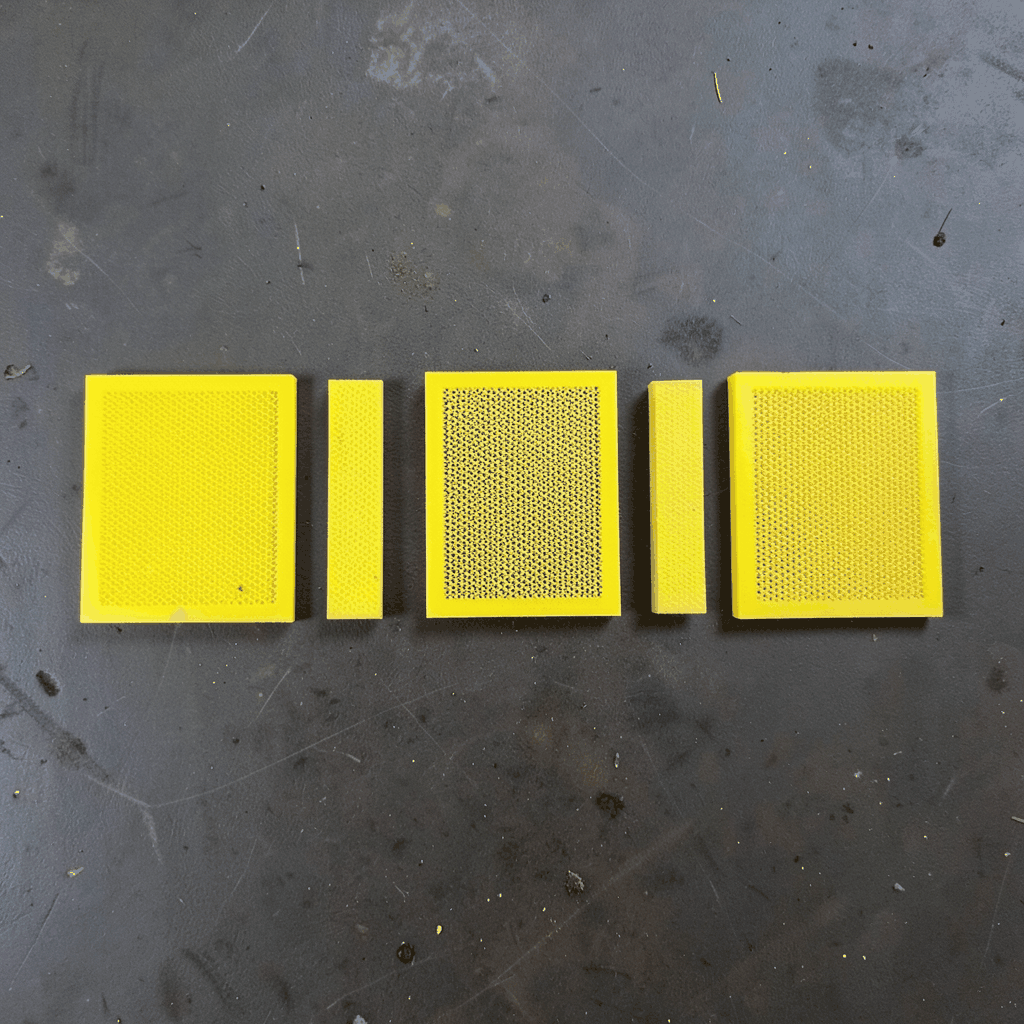
Mesh Sunscreens For Outdoor Playground Shade Structures
Outdoor play areas in Australia need shade that performs through intense summer sun, sudden storms, strong coastal winds, and frequent daily use. A well-designed mesh sunscreen can help reduce direct solar exposure while keeping the space bright, ventilated, and visually connected to its surroundings.
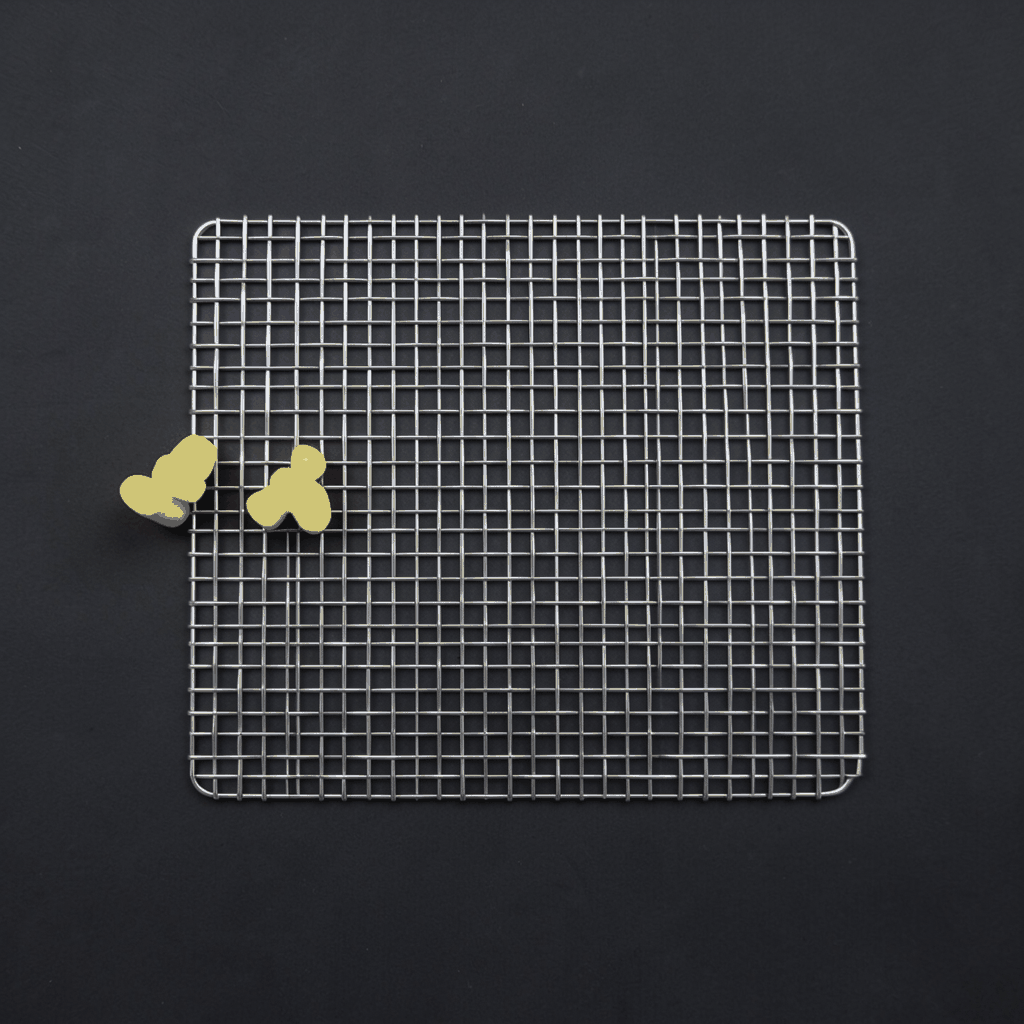
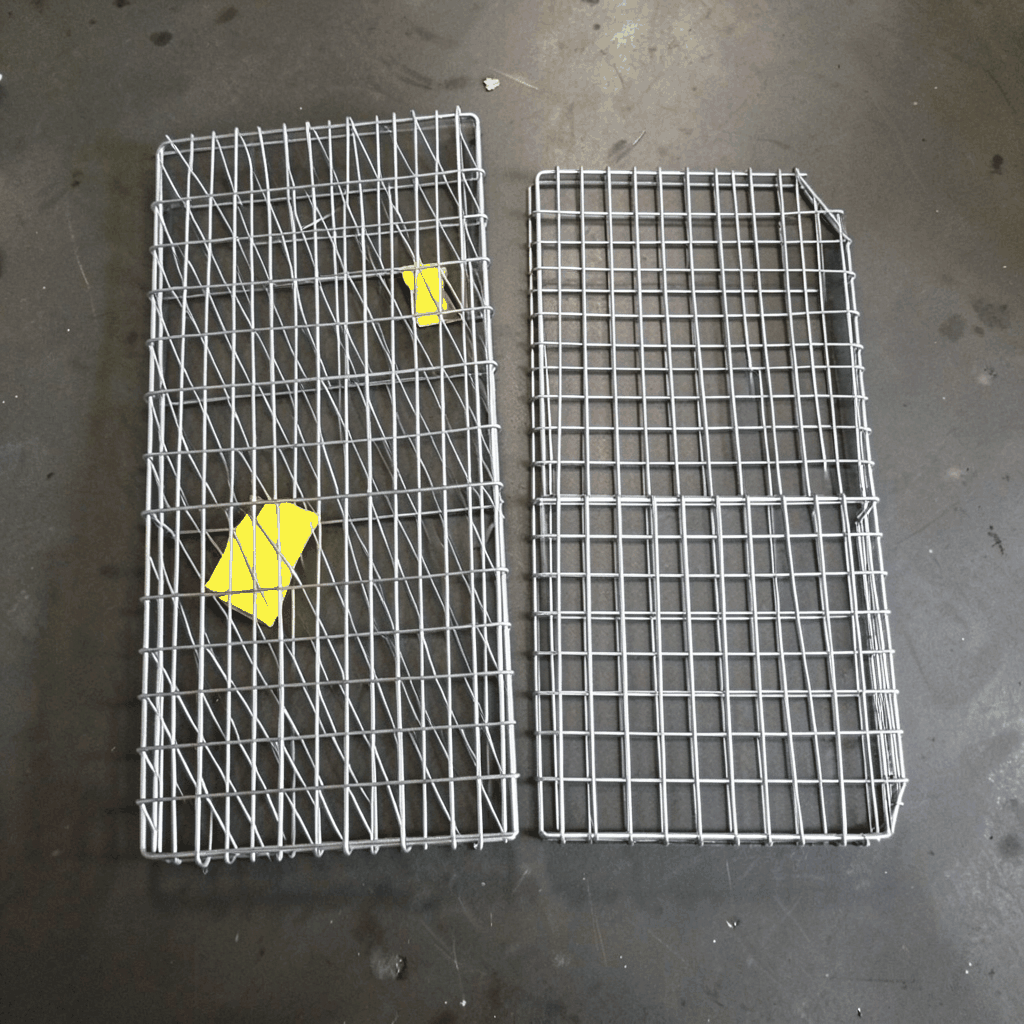
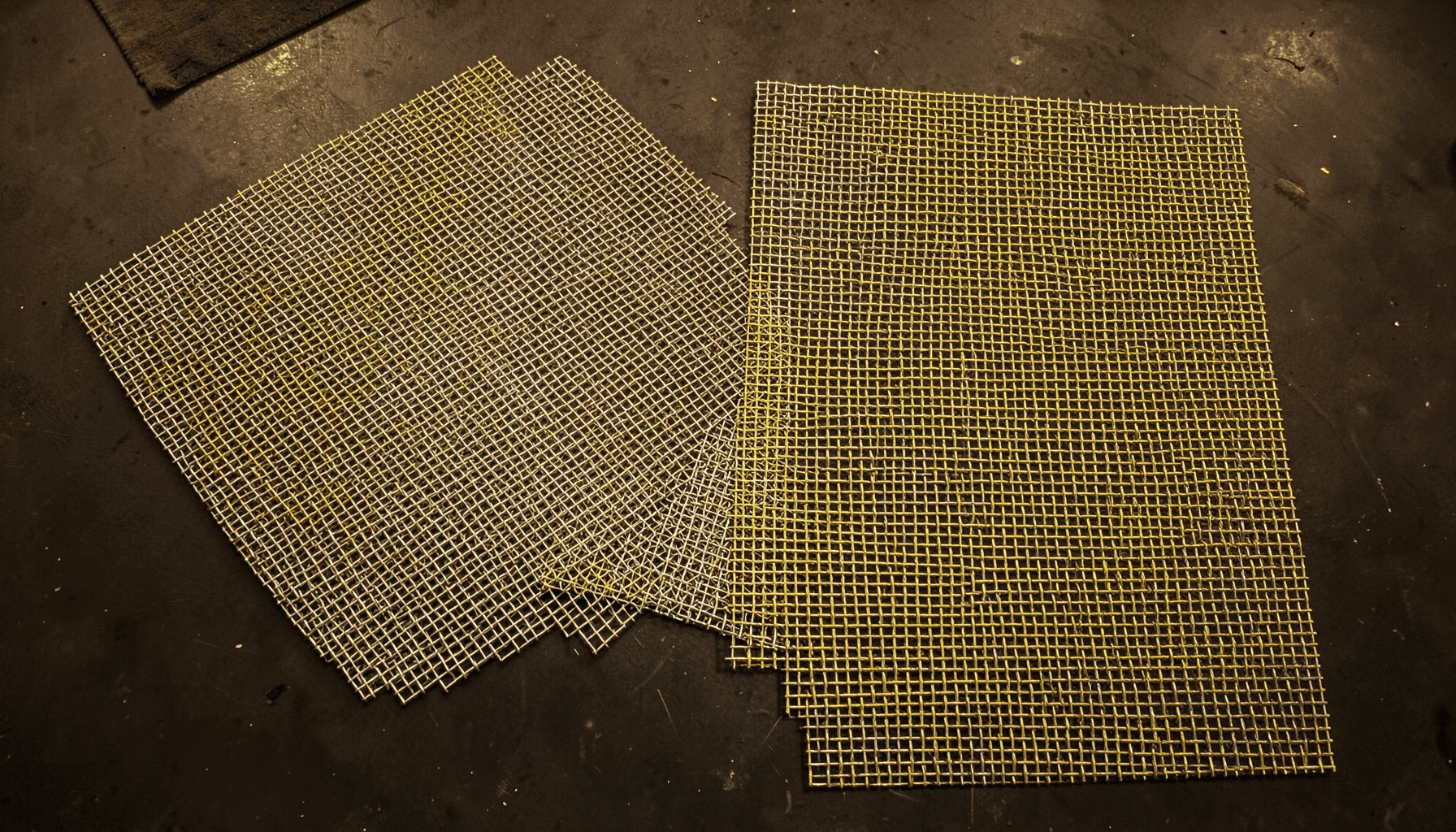
Metal mesh offers a practical alternative to solid roofing and conventional fabric canopies. Depending on the design, stainless steel, aluminium, copper, or coated iron mesh can be used for overhead panels, side screens, decorative shade elements, and protective boundaries. The result can be a shade structure that supports playground safety while contributing to the appearance of a school, park, childcare centre, or residential development.
The right solution depends on more than the percentage of open area. Orientation, local wind conditions, corrosion exposure, drainage, structural support, child visibility, cleaning access, and the visual character of the site all influence the specification. Working with an experienced mesh manufacturer helps transform a broad shade concept into a durable, accurately fabricated installation.
Why Mesh Is Suitable For Playground Shade
Mesh sunscreens filter sunlight rather than blocking every ray. This can create a cooler and more comfortable play environment while preserving airflow beneath the structure. Open mesh allows hot air to escape, which is valuable in places such as Brisbane, Darwin, and northern Queensland where enclosed shade can quickly become humid and uncomfortable.
A carefully selected mesh pattern can also reduce glare from hard paving, metal equipment, and nearby windows. It gives designers control over transparency, texture, and shadow patterns, allowing a shade structure to become part of the landscape design instead of appearing as a purely functional addition.
Visibility is another important advantage. Teachers, carers, and parents need clear sightlines across active play zones. Perforated or woven metal mesh can provide overhead protection without creating a heavy visual barrier. Side panels can be positioned selectively to control low-angle morning or afternoon sun while maintaining supervision.
Metal mesh is also suitable for custom shapes. Curved panels, angled screens, tensioned sections, and modular rectangles can be produced to suit unusual playground layouts. This flexibility is useful for urban sites in Sydney or Melbourne where available space may be limited and the shade structure must work around existing trees, paths, drainage, and buildings.
Selecting Materials For Australian Conditions
Aluminium is often considered where low weight and corrosion resistance are priorities. It can reduce the load on supporting posts and may be finished in a broad range of powder-coated colours. This makes it suitable for colourful school environments, council parks, and architectural developments where the mesh needs to coordinate with play equipment or surrounding buildings.
Stainless steel provides high strength, a clean appearance, and strong resistance to corrosion. It is especially useful for coastal locations such as Perth, Adelaide, the Gold Coast, and coastal New South Wales, where salt-laden air can accelerate deterioration. Marine exposure still requires suitable grade selection, careful fabrication, and regular cleaning rather than relying on the material name alone.
Iron and other steel alloys may be appropriate when a heavier visual character or specific structural performance is required. Protective galvanised, painted, or powder-coated finishes can help extend service life, but the coating system should be matched to the site environment. Copper can provide a distinctive architectural finish that develops a natural patina, although it needs to be assessed for cost, appearance, and compatibility with adjoining metals.
Material Selection Priorities
- Aluminium for lightweight, colourful, and corrosion-resistant panels
- Stainless steel for demanding environments and long-term strength
- Coated steel for robust architectural or municipal applications
- Copper for distinctive decorative character and natural ageing
The mesh opening, wire diameter, panel size, and edge treatment are as important as the base metal. A smaller opening can provide greater visual screening, while a more open pattern may maximise airflow and transparency. A manufacturer can prepare samples so the client can compare shade, glare, visibility, texture, and finish before production.
Designing For Sun, Wind, And Weather
Australia’s high UV levels make shade planning a central part of outdoor play design. The path of the sun changes throughout the day and across the year, so a canopy that works at midday may offer limited protection during early morning or late afternoon. Orientation, height, panel angle, and the use of vertical mesh screens should be reviewed together rather than treated as separate decisions.
The Bureau of Meteorology’s local climate information can help identify prevailing winds, rainfall patterns, and seasonal extremes. A playground in Melbourne may need to handle cold southerly weather and variable conditions, while a site in Perth may face intense summer heat and strong seasonal winds. In cyclone-prone northern regions, the design process requires particularly careful structural assessment and professional engineering.
Wind loads affect mesh panels, posts, fixings, foundations, and connection points. Open mesh can reduce wind pressure compared with a solid sheet, but it does not eliminate wind forces. The percentage of open area, panel geometry, frame design, and orientation all influence performance. Structural calculations should be completed for the complete shade assembly, including its connection to concrete or other support structures.
Rainwater management deserves attention as well. Mesh can allow water through, but solid perimeter elements, frames, gutters, and adjacent roof sections may direct runoff into play zones. The layout should avoid creating slippery surfaces, puddles, erosion, or concentrated discharge near soft-fall areas. Shade design should be coordinated with drainage and the maintenance plan from the beginning.
Safety, Visibility, And Inclusive Access
A playground sunscreen should support safe movement rather than introduce new hazards. Mesh edges need to be securely framed or finished so there are no sharp projections, snag points, or accessible gaps that could catch clothing or equipment. Fasteners should be selected for the environment and positioned to reduce tampering or accidental contact.
The supporting structure must preserve required circulation routes and play clearances. Posts should not obstruct accessible paths, emergency movement, or supervision positions. In a childcare centre or school, the canopy layout should allow adults to move easily between play areas and maintain a broad view of children using slides, climbing equipment, swings, and quiet zones.
Shade can also improve the comfort of children with different sensory needs. Reducing glare and harsh contrast may make a space easier to use, while a light-coloured or finely patterned mesh can prevent the area from feeling enclosed. The balance should be tested at eye level as well as viewed from a distance, especially where side screens are proposed.
Designers should coordinate the shade structure with the relevant Australian requirements for playground equipment, impact areas, accessibility, structural loads, electrical services, and building approvals. The exact obligations vary by project type and location, so the manufacturer’s fabrication drawings should be reviewed by the project’s architect, engineer, certifier, or council representative.
Custom Mesh Solutions For Schools And Public Spaces
A standard rectangular canopy may suit a simple playground, but many Australian sites require a more tailored approach. Existing trees, heritage buildings, narrow boundaries, sloping ground, sports courts, and underground services can all affect the available footprint. Custom mesh panels can be made to follow the site instead of forcing the site to fit a fixed product.
A manufacturer can assist with material selection, mesh pattern, cutting, forming, welding, edging, and finishing. Laser-cut panels can create a strong visual identity through geometric patterns, native leaf forms, abstract graphics, or community-themed designs. These screens may be used at the perimeter of a shade zone, around service areas, or as visual markers between different activity spaces.
Colour is useful for wayfinding and school identity, but it should be selected with long-term maintenance in mind. Powder coating can provide consistent colour across aluminium and steel components, while natural stainless steel may suit contemporary civic architecture. Samples should be checked outdoors because sunlight changes how reflective, matte, and perforated finishes appear.
The connection between mesh and structure deserves the same attention as the visible panel. Frames, brackets, tensioning systems, bolts, welds, and protective caps should be designed as one coordinated system. Clear fabrication drawings can show panel numbers, fixing positions, dimensions, finishes, and installation tolerances, helping the builder avoid delays on site.
Maintenance And Long-Term Value
A shade structure in a school or public park is exposed to dust, pollen, bird deposits, salt, rain, sunscreen residue, and occasional vandalism. Mesh is relatively easy to inspect because damage, loose fixings, and coating failure can often be seen quickly. Routine washing with clean water and a suitable mild detergent helps preserve appearance, particularly in coastal areas.
Inspection frequency should reflect the site. A busy council playground may require more frequent checks than a private residential facility. Maintenance staff should look for sharp edges, corrosion around cut ends, loose bolts, damaged welds, cracked coatings, bent panels, blocked drainage, and movement at the foundations. Any defect that could affect safety should be isolated and assessed promptly.
Routine Care Priorities
- Wash exposed mesh and frames regularly, especially near the coast
- Check fixings, welds, edges, and foundations for movement or corrosion
- Keep drainage points and surrounding soft-fall areas clear
- Record inspections and repair coating damage before corrosion spreads
Long-term value comes from matching the material and finish to actual conditions rather than choosing solely on initial price. A lightweight aluminium screen may simplify installation, while stainless steel may reduce replacement risk in a salt-exposed location. Durable fabrication also supports future repairs, since individual panels or fixings may be replaceable without dismantling the entire shade structure.
For councils and education providers, lifecycle planning is particularly important. A well-documented mesh system can make budgeting, inspections, and future extensions easier. It can also create a consistent design language across several playgrounds, parks, or childcare sites while allowing each installation to respond to its local environment.
Planning A Reliable Mesh Shade Installation
A successful project begins with a clear site brief. Document the playground dimensions, surrounding structures, sun exposure, wind conditions, desired visibility, access requirements, preferred appearance, and expected maintenance resources. Photographs, site plans, and measurements can help the manufacturer identify practical fabrication and installation issues early.
The next stage is to compare samples and drawings rather than relying on a product description alone. Review the mesh opening, panel weight, edge details, finish, colour, and expected shadow pattern. Confirm how the structure will be cleaned, how damaged components can be replaced, and which parts require engineering approval or specialist installation.
Shuo Ke Wire Mesh Product Technology Co., Ltd. manufactures and processes architectural and industrial metal mesh in materials including stainless steel, aluminium, copper, iron, and other alloys. Its capabilities support customised screens, panels, partitions, fences, cladding, and practical mesh components for residential, commercial, architectural, and municipal applications.
For an outdoor playground, that custom approach can bring together shade performance, durable construction, decorative design, and site-specific engineering. Share the project dimensions, preferred material, location, finish, and intended use with Shuo Ke Wire Mesh Product Technology Co., Ltd. to develop a tailored mesh sunscreen solution for Australian conditions.