Mesh Support Grids for Modern Cable Tray and Routing Systems
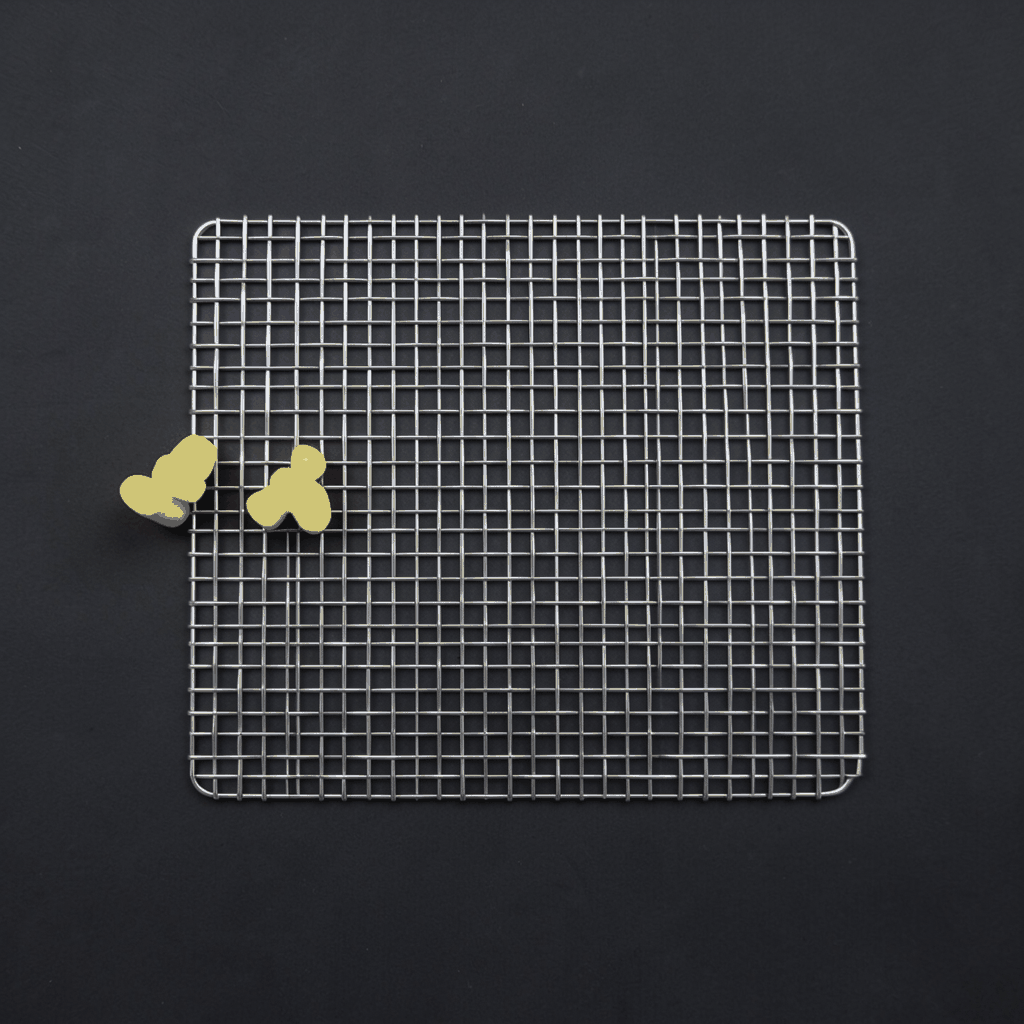
Modern infrastructure relies on neatly organised cabling whether the project is a high-rise office tower, a remote mine substation, or a suburban shopping centre. Behind every reliable electrical and data network sits a cable management system doing the quiet, heavy lifting. Mesh support grids have become a preferred backbone for these systems because they combine strength, ventilation, and ease of installation in one package. Engineers and electricians across Australia are turning to welded wire and woven mesh trays as an alternative to traditional solid ladder or channel systems. Learn more about Shuokewiremesh.com.
The appeal comes down to how cables behave once they are laid. Power cables generate heat, data cables need consistent ambient temperature, and both require airflow around them to stay within rated performance. A perforated or open-grid surface allows hot air to escape rather than trapping it under a steel lid. That single design feature extends cable life, reduces derating, and supports compliance with the Wiring Rules. In a country where summer roof space temperatures can climb past forty-five degrees and outdoor cable runs endure relentless UV, that airflow matters more than it does in milder climates.
Australian builders and project managers also deal with vast distances between job sites. A sparky ordering cable trays for a Pilbara processing plant needs product that ships quickly, installs quickly, and survives the journey inland. Mesh trays arrive flat-packed or in modular lengths, slot together without specialised tools, and cut down on the labour hours that drive margins on remote work. For residential developments in Brisbane or commercial fit-outs in Melbourne's Docklands, the same product adapts to ceiling cavities, risers, and under-floor pathways with equal ease.
Shuo Ke Wire Mesh Product Technology Co., Ltd. produces these support grids from stainless steel, galvanised iron, aluminium, and a range of alloys tailored to project specifications. The factory combines precision laser cutting, resistance welding, and surface finishing lines that allow it to serve as both a mesh supplier and a custom fabrication partner. Australian buyers sourcing through the manufacturer's product catalogue typically request sample panels, prototype brackets, and OEM-branded runs for distribution under local labels.
Material Grades Built for Harsh Local Conditions
Australia throws a brutal combination of conditions at any outdoor metalwork. The UV index regularly climbs past twelve in summer, coastal salt spray eats through unprotected ferrous metals within a few seasons, and the red dust of the inland sticks to surfaces and traps moisture against the steel. Choosing the right alloy is not optional when cable management hardware has to last twenty years or more. Stainless steel grades 304 and 316 are the standard picks, with 316L preferred anywhere within a few hundred metres of breaking surf or in chemical-heavy industrial zones.
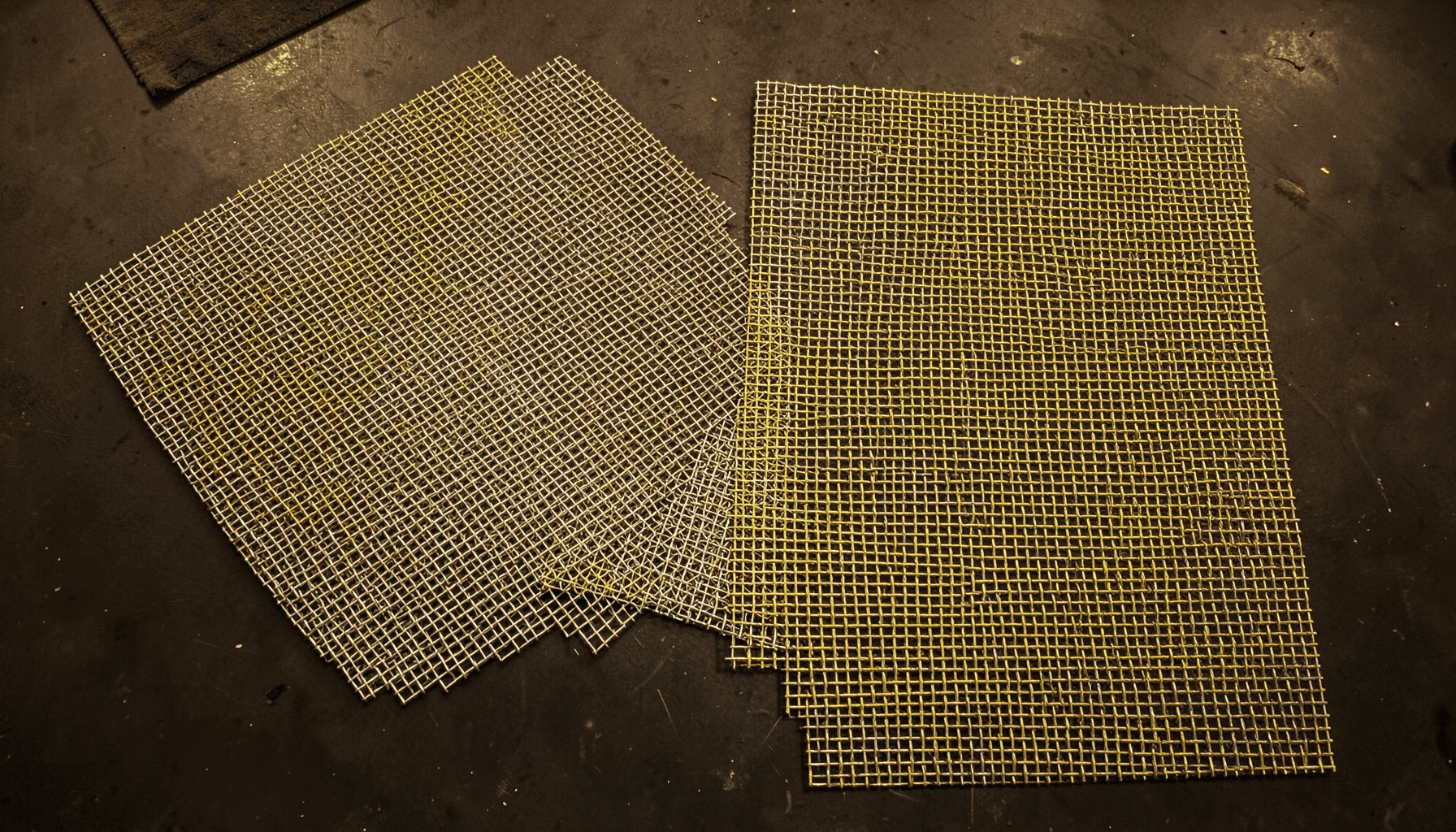
For projects further from the coast, hot-dip galvanised mild steel offers a cost-effective alternative without sacrificing service life. The zinc coating sacrifices itself slowly over decades, protecting the base metal from rust even when scratched during installation. Aluminium mesh trays have gained ground in commercial interiors because they are light enough for a single tradie to handle overhead and they do not require earthing continuity checks the way steel does. Copper and brass meshes appear in specialised applications such as earthing grids, RF shielding, and architectural accent pieces where both function and finish matter.
Shuo Ke supplies raw wire and finished panels in any of these materials and can apply additional finishes where specified. Powder coating over galvanised steel adds a coloured layer that suits commercial interiors, while electropolishing brings stainless surfaces to a mirror finish for food-grade or pharmaceutical facilities. The ability to mix materials across a single project, with stainless brackets paired with aluminium trays for instance, gives designers flexibility when different zones of a building face different environmental loads.
Why Mesh Outperforms Solid Trays
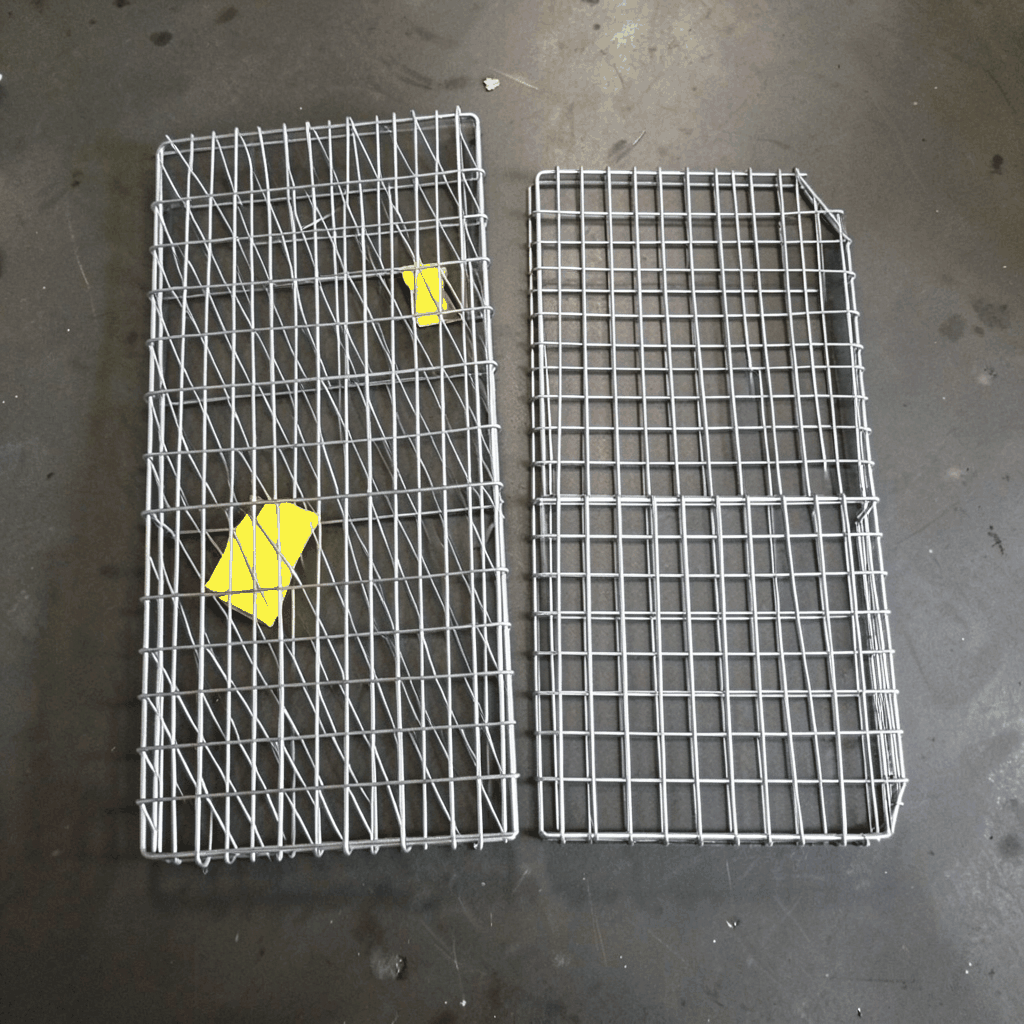
Solid-bottom cable trays have their place, particularly where small cables could fall through perforations or where spill containment is required. For most general-purpose runs, however, a welded wire grid delivers measurable advantages. The open geometry keeps cables cooler, which means lower derating factors and smaller conductor sizes for the same load. Over the length of a typical riser in a Sydney residential tower, that efficiency can save thousands of dollars in copper.
Fire performance is another point in the mesh column. Smoke and heat from a cable fire can vent through the openings rather than building up under a closed lid. Many Australian fire engineers specify open mesh trays in escape routes and plant rooms for exactly this reason. The grids also drain water if a ceiling leaks or condensation forms, preventing the puddling that leads to insulation degradation and short-circuit events.
Maintenance crews appreciate the visibility. A sparky working on a live system can trace circuits by eye without lifting a lid, and rodents find the wide openings less inviting than the sheltered tunnels of solid trays. Load ratings on quality welded mesh trays now match or exceed comparable ladder systems, with manufacturers publishing tested values for span, deflection, and concentrated loads that engineers can plug straight into their calculations.
Custom Fabrication and Modular Flexibility
Few cable management projects arrive in neat off-the-shelf sizes. A fit-out in a Brisbane heritage building may need shallow trays to slot between joists, while a Perth desalination plant demands heavy-duty grids that span wide cable trenches. Custom fabrication is where a mesh manufacturer proves its value. Shuo Ke runs laser cutting lines capable of producing shaped panels, return flanges, and integrated splice plates in tolerances measured in tenths of a millimetre.
Bending and forming cells turn flat panels into C-channels, Z-shapes, and tray sides without secondary welding. Resistance welding machines lock cross wires into load-bearing intersections, producing grids that hold shape under foot traffic and the weight of stacked cable bundles. For volume orders, jigs and fixtures hold tolerances across thousands of identical pieces, giving Australian distributors a consistent product they can stock and ship on the same day.
Modularity is the watchword on busy sites. Cut-to-length sections, pre-punched mounting holes, and snap-fit couplers mean a crew can build out a run as the cable pull progresses rather than fabricating in advance. This just-in-time approach suits the way Australian contractors operate, with multitrade teams working in tight windows between concrete pours, ceiling closures, and handover dates. Offcuts from previous jobs can often be repurposed on the same site, trimming waste and keeping skips empty.
Meeting Australian Standards and Specifications
Cable management hardware in Australia must satisfy a stack of standards depending on the installation type. AS/NZS 3000, the Wiring Rules, governs general electrical installations and references tray selection, support spacing, and earthing continuity. AS/NZS 3080 and the related ISO/IEC 11801 documents set out pathways and spaces for information technology cabling, with bend radii and separation rules that influence tray layout. Data centre builds often add TIA-942 requirements on top, while mining and heavy industrial sites layer in AS/NZS 3008 for conductor sizing and AS/NZS 7000 for overhead line clearances.
Documentation matters as much as the product itself. Engineers want test certificates, material traceability, and load tables that align with the spans and fixing methods they have designed. A manufacturer that can ship Mill Test Certificates with each batch of stainless steel, or provide signed declarations of conformity, removes a layer of paperwork from the consultant's desk. For government and defence tenders, this evidence trail often decides which supplier gets the order.
Australian projects also tend to specify corrosion class C4 or C5 in coastal and industrial zones, following ISO 12944. Stainless 316 with a suitable finish satisfies C5-M marine atmospheres, while galvanised steel with a thicker zinc coat handles C4 urban and industrial sites. Specifying the right standard up front avoids the costly replacement cycle that hits owners who under-specified during construction. Local distributors working with overseas factories should confirm the standard before placing the order rather than after installation.
Installation Across Cities, Mines, and Remote Sites
A standard commercial job in Parramatta or Adelaide's CBD looks very different from a fly-in fly-out camp in the Pilbara. In the city, mesh trays typically run along corridor ceilings, through riser shafts, and above accessible ceilings. Sparkies fix them with drop-in anchors or Unistrut-style channel, and the cable pull follows within days. Cable fill rates stay conservative because future expansion is always part of the conversation, particularly in office fit-outs where tenants rotate every few years.
Industrial and remote sites push the hardware harder. A processing plant near Kalgoorlie might have trays running across gantries in full sun, with ambient air temperatures above forty-five degrees in summer. Here the grid choice leans toward heavier wire diameters, wider flange profiles, and stainless steel for the exposed sections. Cable fill runs higher because every run has to last the life of the plant without a shutdown window for additions.
Data centres across Sydney, Melbourne, and the growing Canberra corridor represent another category entirely. Hot and cold aisle containment, structured cabling pathways, and the sheer density of fibre and copper bundles demand trays that stay flat under load, allow airflow management, and support frequent reconfiguration. Mesh systems with snap-in dividers and bend-control fittings are popular because they let technicians add or remove cables without disturbing the run. Whatever the setting, the combination of rugged materials, certified standards, and thoughtful layout keeps networks humming from the Kimberley to Hobart.
Ready to spec mesh support grids for your next Australian project? Shuo Ke's engineering team can review drawings, recommend materials, and prepare a quotation tailored to your site conditions, delivery window, and certification requirements. Reach out through the manufacturer's product catalogue to request samples, technical datasheets, or a call with the sales engineers handling Oceania enquiries.