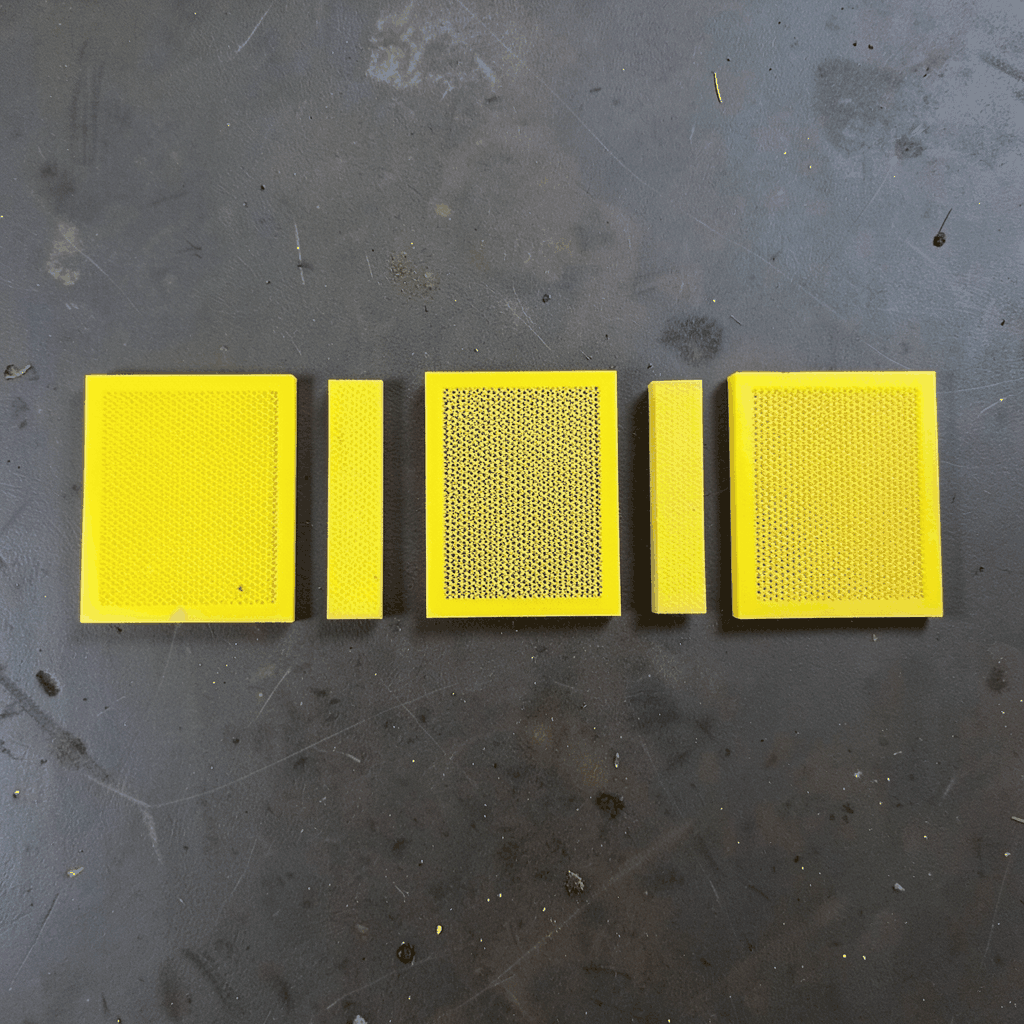
Mesh Trays for Industrial Oven Racks and Baking Line Transport
Industrial baking depends on reliable movement through proofing, baking, cooling and packing stages. Mesh trays and conveyor belts must support dough or finished products evenly while allowing air circulation, heat transfer and efficient release. A poorly selected tray can cause uneven browning, product damage, cleaning delays and unplanned line stoppages.
For Australian bakeries, the right specification also needs to suit local operating conditions. A high-volume plant in Melbourne may have different humidity and production demands from a bakery in Brisbane, Perth or regional New South Wales. Material choice, wire design, edge construction and maintenance access should all be considered before a mesh tray enters an industrial oven rack or continuous baking line.
Choosing Mesh for Heat and Movement
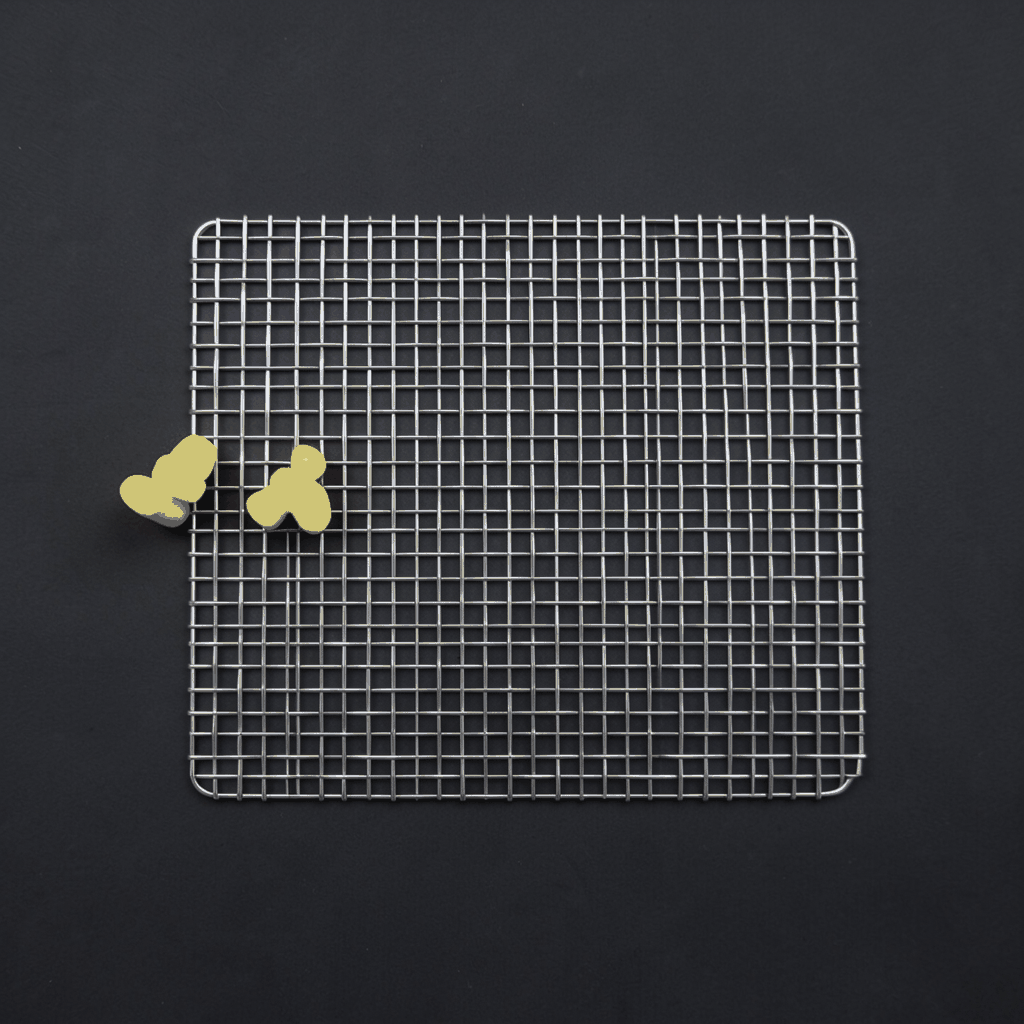
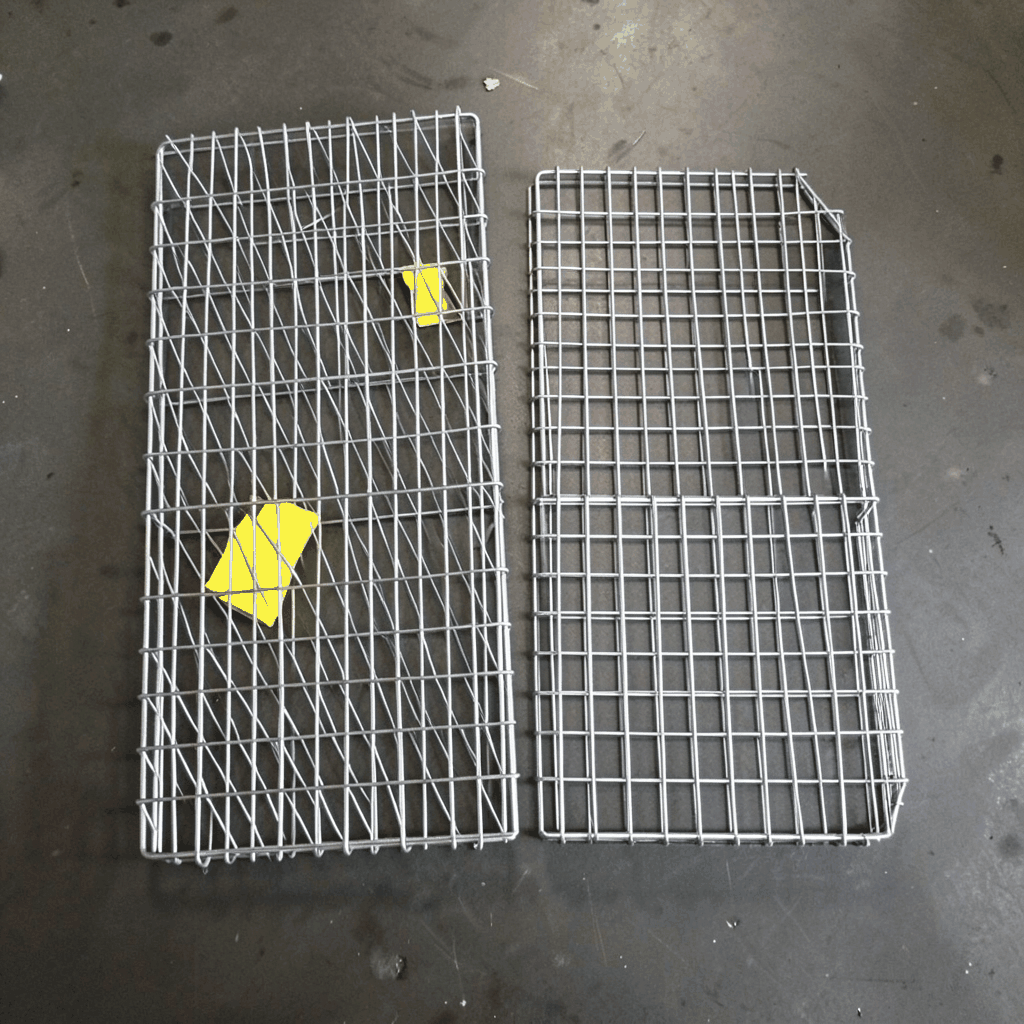
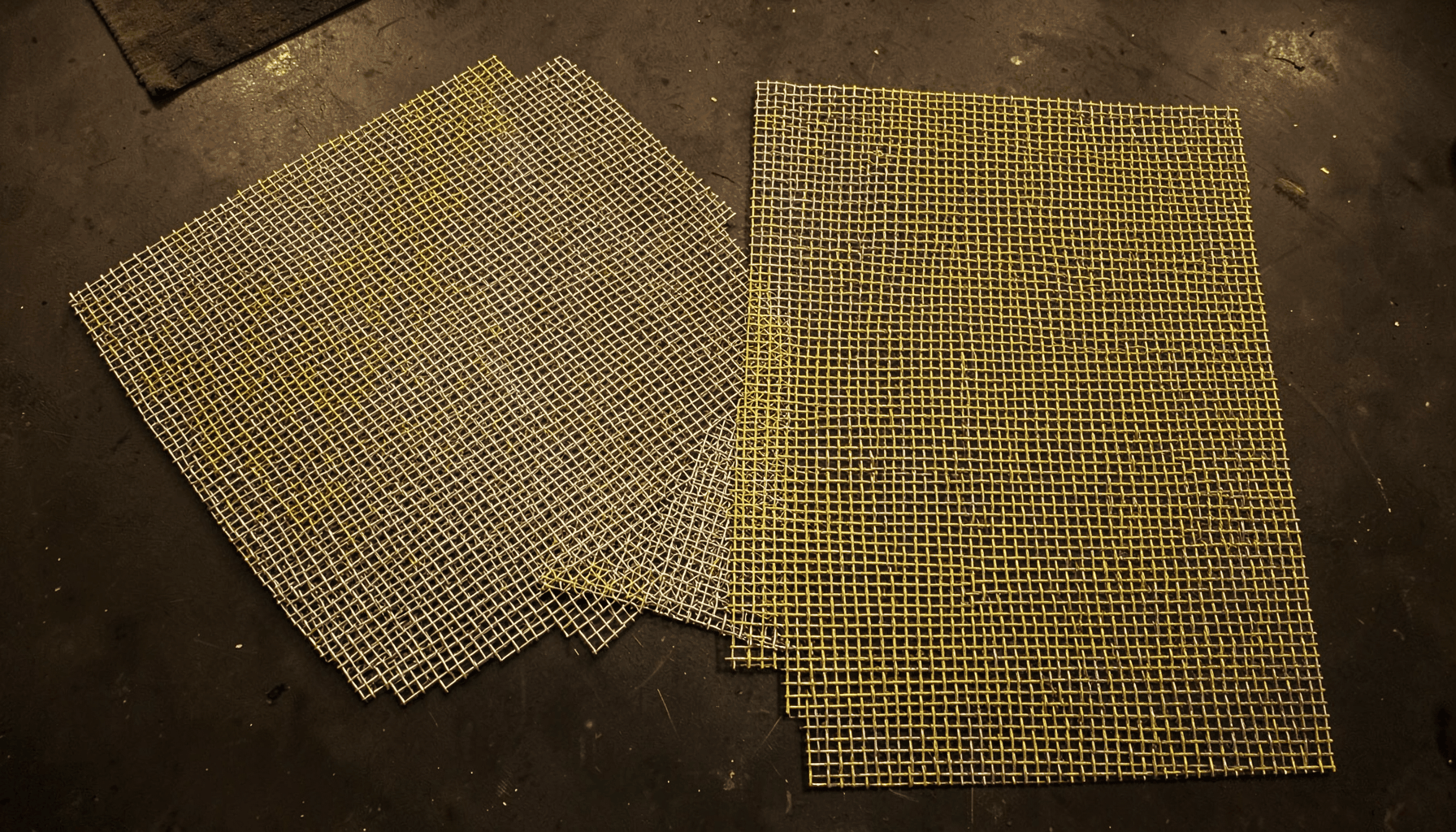
Industrial oven trays are usually made from woven wire mesh, welded mesh or perforated sheet. Woven mesh provides flexibility and a broad range of opening patterns, while welded mesh offers a firmer, more stable surface for heavier products. Perforated designs can suit specific airflow or drainage requirements, though they may provide less open area than wire mesh.
The opening size should match the product being baked. Small biscuits, pastry pieces and seeded goods need a surface that prevents loss through the mesh, whereas bread loaves and larger rolls can use wider openings to improve ventilation. The tray must also resist sagging when loaded and remain stable when transferred between oven racks, conveyors and cooling equipment.
Mesh trays for industrial oven racks and baking line transport are often exposed to repeated heating and cooling cycles. This thermal movement can loosen weak joints or distort unsupported edges. A suitable design balances open area, rigidity and weight so that the tray remains easy to handle without compromising its load-bearing performance.
Materials for Australian Conditions
Stainless steel is a common choice for bakery mesh because it combines heat resistance, strength and cleanability. Grades such as 304 stainless steel are widely used in general food-processing environments, while 316 can be considered where salt, cleaning chemicals or coastal conditions create a greater corrosion risk. The final selection should reflect the process rather than relying on a standard grade for every application.
Aluminium can reduce tray weight and may suit lower-temperature handling equipment, but it requires careful assessment around high heat, abrasion and cleaning chemistry. Carbon steel and iron can provide strength at a lower initial cost, although they need appropriate surface protection where moisture and food residues are present. Copper mesh is generally selected for specialised thermal or decorative purposes rather than routine high-volume baking transport.
Australian conditions make corrosion planning particularly important. A bakery near Sydney Harbour, Wollongong or Brisbane may face humid, salty air, while facilities in Perth can encounter dust and large temperature changes. Stainless steel mesh products from an experienced metal mesh manufacturer can be specified with suitable wire diameter, edge treatment and fabrication details for the operating environment.
Design Details That Keep Product Flowing
The mesh pattern affects how easily heat and air move around a product. Balanced weave, plain weave and reinforced constructions each provide different levels of flexibility and support. For products that require even convection, a consistent open area helps reduce hot spots and improves repeatability across the baking cycle.
Edges deserve as much attention as the central mesh. Rolled edges, welded frames and reinforced side rails can prevent sharp wire ends from catching gloves, conveyor guides or product packaging. If trays are manually transferred, smooth corners and controlled weight can reduce handling strain. If the trays are automated, the outside dimensions must remain consistent so that guides, sprockets and loading equipment operate correctly.
The mesh also influences product release. Dough with a high sugar or fat content may stick to a rough or contaminated surface, especially when a tray has been overheated. A suitable wire finish, accurate tension and an appropriate release treatment can help, but these measures should be combined with correct dough formulation, cleaning and temperature control.
Sizing and Fabrication for Baking Lines
Every tray should be designed around the actual equipment. Important measurements include overall length and width, tray thickness, support spacing, transfer points, conveyor width and the clearance inside the oven. Small dimensional errors can lead to rubbing, unstable stacking or contact with heating elements. Drawings should show tolerances rather than only nominal dimensions.
A bakery may use separate tray formats for loading, baking, cooling and product transfer. Standardising where possible simplifies storage and replacement, but a custom mesh panel may be necessary for a specialised oven rack or a line imported from Europe or North America. Australian plants frequently combine equipment from several suppliers, so compatibility should be verified at the interface between machines.
Fabrication quality is especially important at welded joints and frame connections. Continuous welds, clean finishing and consistent tension help prevent loose wires from entering the production area. Prototypes or sample sections can be tested under real loads before a full production run is ordered, reducing the risk of costly changes after installation.
Cleaning, Food Safety and Maintenance
Baking trays accumulate flour, oil, sugar, crumbs and carbonised residue. The mesh opening must be large enough to allow effective washing, yet fine enough to support the product. Designs with inaccessible pockets, overlapping wire or hollow frames can retain debris and make sanitation difficult.
Food businesses in Australia commonly work within documented food safety systems based on the Food Standards Code and hazard-control procedures. The precise obligations depend on the business and process, but equipment surfaces should be cleanable, durable and suitable for contact with food. A tray specification should therefore consider detergent compatibility, rinse access, drying time and inspection requirements.
Cleaning methods may include manual washing, spray systems, immersion tanks or dedicated tray washers. High-pressure cleaning can damage weak welds or drive residue into joints. Regular inspection should check for broken wires, distortion, corrosion, sharp edges and changes in mesh tension. Keeping spare trays available allows damaged units to be removed without interrupting the baking schedule.
Integration with Ovens and Conveyors
A mesh tray must perform as part of a complete thermal and transport system. In a rack oven, trays need dependable support and safe spacing between levels. In a tunnel oven, the belt or tray assembly must maintain alignment through loading, heating, cooling and discharge. The airflow pattern should be assessed with the oven manufacturer because a highly open surface can alter heat distribution and baking time.
Product weight and shape affect conveyor performance. Soft dough can deform if the mesh flexes, while heavy loaves may require cross supports beneath the active surface. Small items can bridge openings or fall through if the pitch is too wide. Side guides, transfer plates and discharge points should be checked to ensure the product does not catch as it moves between surfaces.
Worker safety also matters. Under Australian work health and safety arrangements, businesses must manage foreseeable risks associated with manual handling, hot surfaces, sharp edges and moving machinery. Safe tray handles, lifting points and practical weights can reduce risk during rack loading. Guards and lockout procedures remain essential where operators work near powered conveyors or oven access doors.
Recommendations for a Reliable Specification
A clear technical brief helps a bakery compare suppliers and avoid vague descriptions such as “heavy-duty stainless tray.” It should state the product, operating temperature, load per tray, cleaning method, conveyor speed, support arrangement and expected service life. Photographs and equipment drawings can clarify details that dimensions alone may not show.
The following checks are useful before approving a mesh tray or baking belt:
- Confirm the mesh material and grade against temperature, moisture, salt and cleaning chemicals.
- Specify opening size, wire diameter, frame construction, edge finish and allowable dimensional tolerance.
- Test product release, airflow and load stability under representative production conditions.
- Check compatibility with Australian electrical, machinery safety and food-processing procedures.
- Establish an inspection, cleaning and replacement schedule before commissioning the line.
Supplier communication should continue through sampling, fabrication and installation. A manufacturer that can cut, weld, edge and finish mesh to drawing is better positioned to resolve fit-up issues than a supplier offering only standard rolls. This is particularly valuable when trays must match older rack ovens, imported conveyors or custom bakery equipment.
The purchase decision should also account for lifecycle cost. A cheaper tray may become expensive if it distorts quickly, takes too long to clean or causes frequent product waste. In contrast, a correctly engineered stainless mesh tray can support consistent baking, smoother handling and fewer interruptions across many production cycles.
Building a Durable Baking Transport System
The best result comes from treating the tray as part of the production line rather than as an isolated accessory. Product size, oven temperature, airflow, transfer points, sanitation and operator handling all influence the specification. A tray that performs well in a small Melbourne bakery may need different construction for a high-output facility in Queensland or a coastal plant in South Australia.
Before ordering, record the current problems: sticking, uneven colour, broken wires, tray deflection, difficult cleaning or unstable transfers. Match each problem to a measurable design requirement and request samples where possible. This approach gives maintenance, production and quality teams a common basis for approving the final mesh construction.
Contact Shuo Ke Wire Mesh Product Technology Co., Ltd. with your tray dimensions, oven details, product loads and cleaning conditions to develop a practical mesh solution for industrial baking transport. A properly specified system can improve airflow, handling efficiency, hygiene control and long-term equipment reliability.