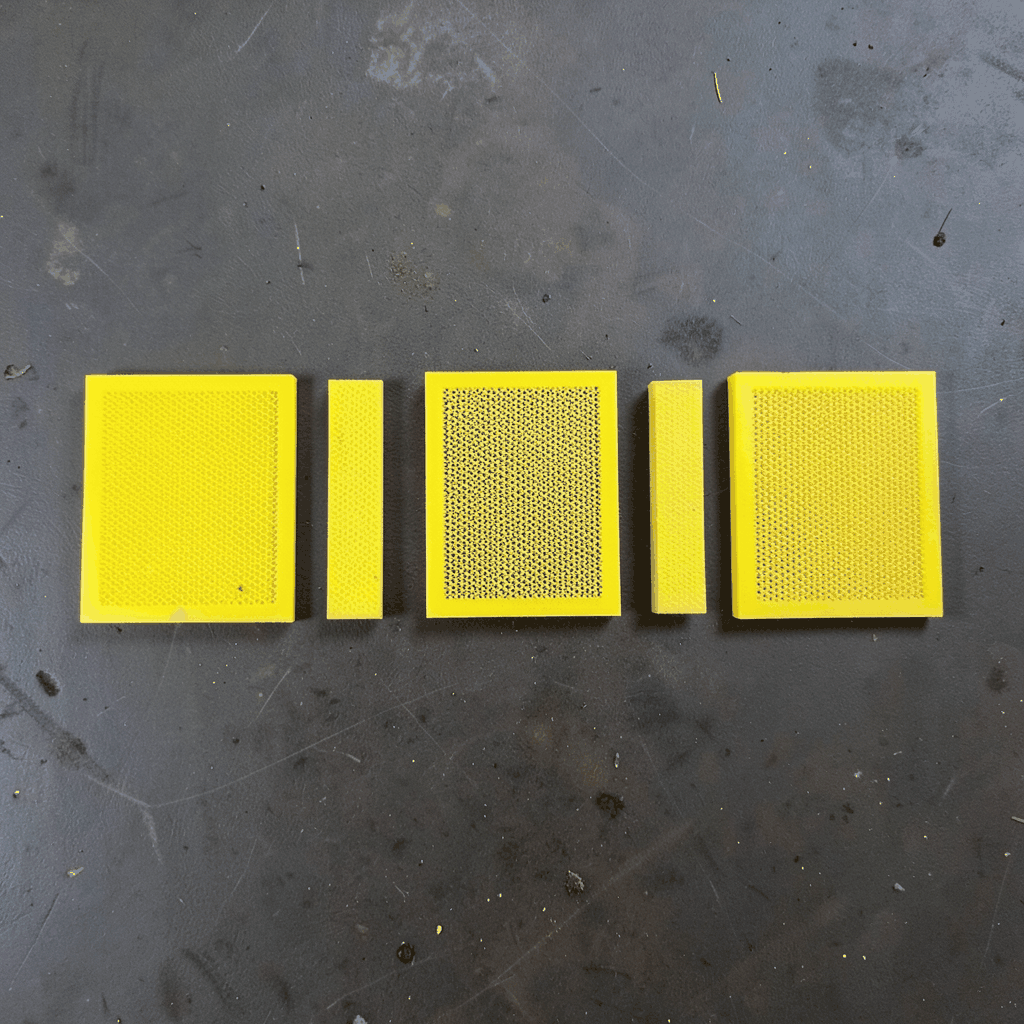
Metal mesh baskets for centrifuge and spin dryer applications
Metal mesh baskets for centrifuge and spin dryer applications are engineered components that support separation, dewatering, washing, and drying processes. They are commonly used in food processing, chemical production, pharmaceutical manufacturing, mining, laundry operations, recycling, and industrial parts cleaning. The basket must hold the working load securely while allowing liquid, air, vapour, or fine particles to pass through the mesh openings.
A well-made basket improves machine performance, reduces product retention, and helps operators achieve repeatable results. Shuo Ke Wire Mesh Product Technology Co., Ltd. manufactures and processes custom metal mesh products in stainless steel, aluminium, copper, iron, and other alloys. Its technical capability supports basket designs for demanding industrial environments where strength, corrosion resistance, hygiene, and accurate fit are essential.
How the basket supports separation and drying
A centrifuge basket rotates at high speed to generate centrifugal force. Liquid moves through the perforated or woven surface while solids remain inside the working chamber, often against a filter cloth or support layer. In a spin dryer, the same basic principle removes water, cleaning solution, oil, or other fluids from components, textiles, food products, and processed materials.
The basket is therefore more than a container. Its geometry affects balance, drainage, airflow, cleaning access, and the way material is distributed during rotation. An uneven load or poorly supported mesh can create vibration, premature fatigue, and excessive wear on bearings and drive components. Precision in diameter, height, rim construction, and mounting points is essential for reliable operation.
Different processes call for different internal profiles. A flat-bottom basket may suit batch drying or parts washing, while a cylindrical basket can provide even loading around the rotating axis. Conical or stepped designs may improve discharge, and reinforced rims can help the basket withstand repeated loading and unloading. Drainage holes, lifting points, handles, and shaft connections can be incorporated around the main mesh body.
For equipment selection and process planning, manufacturers and maintenance teams can also review specialist centrifuge equipment guidance before finalising a replacement or custom basket. The operating speed, basket diameter, product density, liquid viscosity, temperature, and expected cycle time should all be considered together.
Choosing mesh, perforation, and metal grade
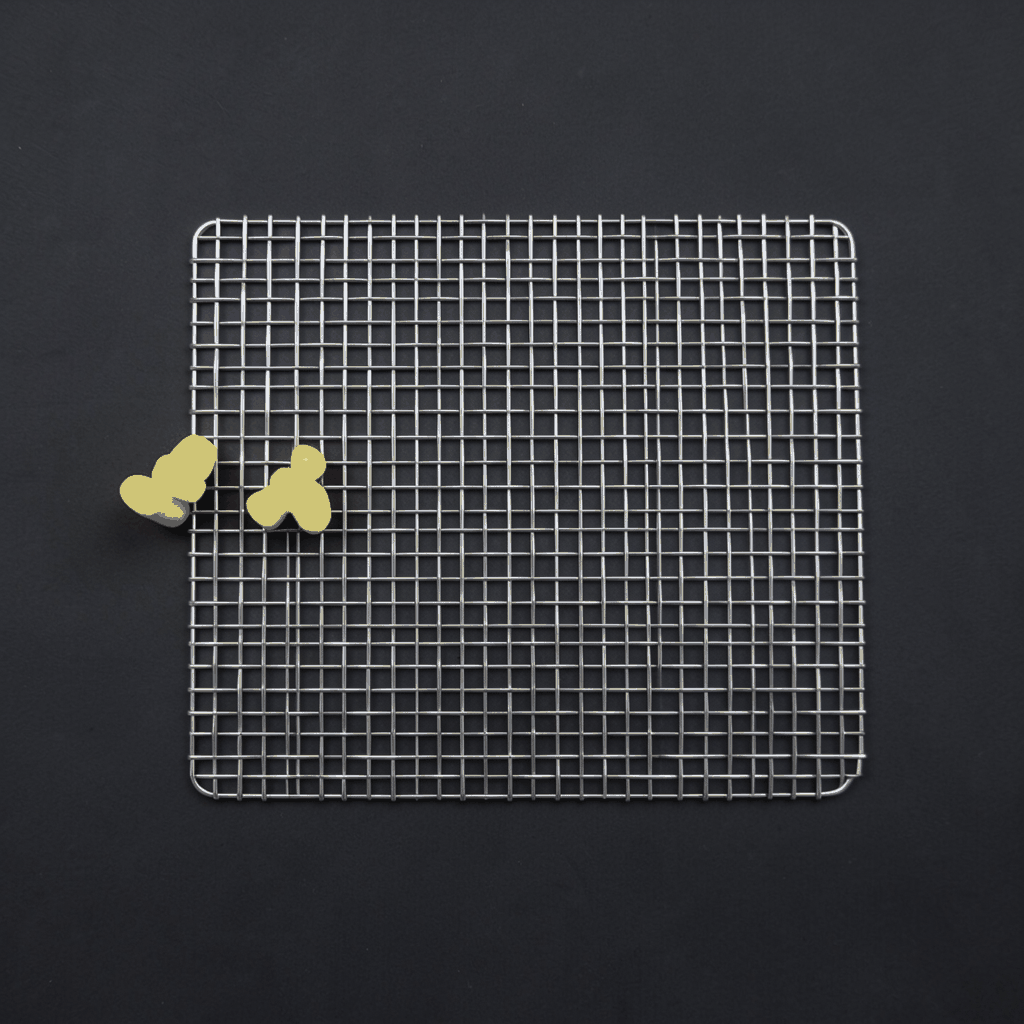
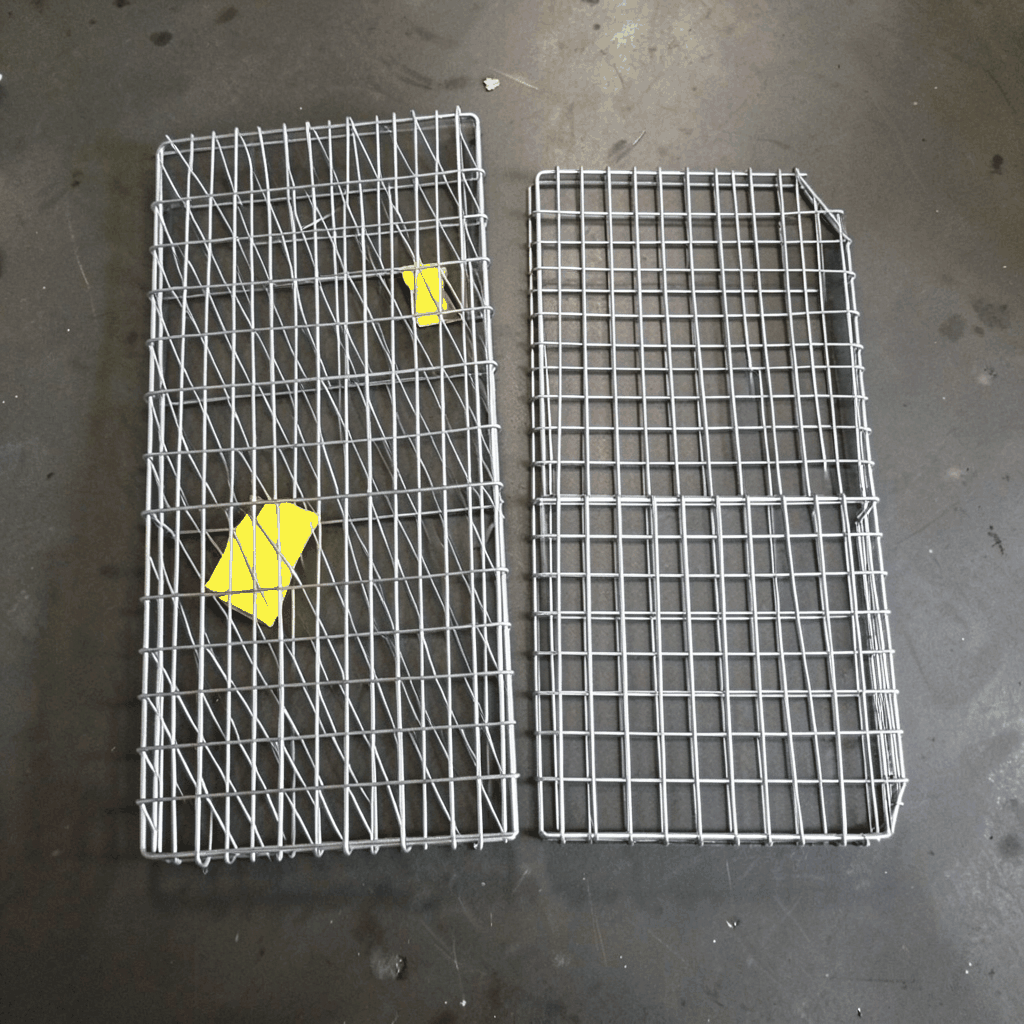
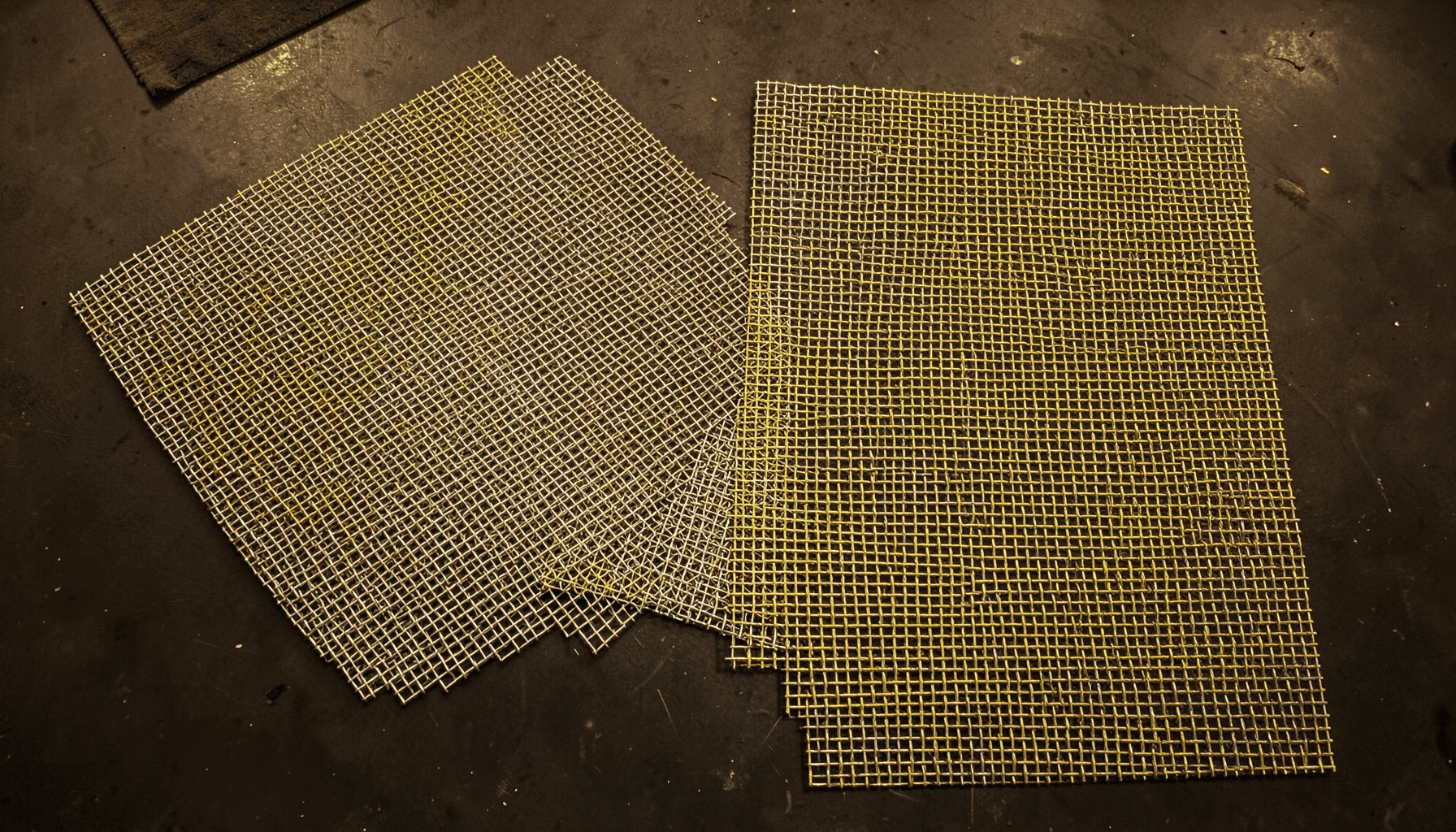
Woven wire mesh provides a large open area and can be produced with fine, medium, or coarse apertures. It is useful when liquid needs to drain quickly or when a product must be retained while allowing air to circulate. Welded mesh offers a firm, regular grid and can be preferred for heavier loads or applications where the basket needs higher dimensional stability.
Perforated sheet is another practical choice. Round, slotted, or custom-shaped holes can be punched or laser cut into stainless steel, aluminium, or other sheet materials. Perforated baskets generally have a smooth internal surface, predictable hole patterns, and good resistance to deformation. The opening shape can be selected according to the size and shape of the material being retained.
Stainless steel is widely selected for food, pharmaceutical, laboratory, and washdown environments. Grades such as 304 and 316 may be considered according to chemical exposure, temperature, and cleaning conditions. Grade 316 is often preferred where chlorides, salt, or aggressive cleaning agents are present. In coastal Australian locations such as Sydney, Melbourne, Perth, and Adelaide, the surrounding atmosphere can increase corrosion risk, particularly where the basket is stored wet or exposed to salt-laden air.
Aluminium provides low weight and useful corrosion resistance for applications where the rotating mass must be controlled. Copper and copper alloys may suit specialist thermal, electrical, or decorative requirements, while carbon steel and iron can be appropriate for dry industrial service when protected with a suitable finish. Material selection should account for galvanic contact, chemical compatibility, cleanability, and the consequences of surface damage.
Construction features that improve service life
The most vulnerable areas of a rotating basket are often the rim, base, handles, welds, and points connected to the drive assembly. These areas experience repeated stress during acceleration, deceleration, loading, and unloading. A reinforced ring or rolled edge can distribute force more evenly and reduce distortion at the opening. A sturdy base plate can support the mesh and help maintain alignment under load.
Welding needs to match the material and the operating environment. Continuous or carefully spaced welds may be used to secure mesh to a frame, while polished weld zones can support hygiene requirements in food and pharmaceutical plants. Sharp edges, exposed wire ends, and rough internal joints should be avoided because they can damage products, trap residue, or create cleaning hazards.
For high-speed service, balance is a primary engineering concern. The basket should be manufactured to consistent tolerances, with symmetrical construction and accurately positioned attachments. The finished assembly may require dynamic balancing after fabrication, especially where the design includes a shaft hub, lifting brackets, or an uneven reinforcement pattern.
Fatigue resistance also matters. A basket that works correctly during the first few cycles may develop cracks if the mesh is overstressed or if the frame is too rigid in one area and too flexible in another. A custom manufacturer can review the load path, rotation speed, support arrangement, and unloading method before recommending wire diameter, sheet thickness, reinforcement rings, or welded framework.
Applications across Australian industry
Australian food and beverage processors use rotating baskets for washing, dewatering, drying, and handling products such as vegetables, seafood, grains, and prepared ingredients. A basket used in a food plant must be easy to inspect and clean, with materials and finishes suitable for the site’s sanitation procedures. In Victoria and New South Wales, where food manufacturing ranges from small specialist producers to large processing facilities, equipment may need to suit both compact production lines and continuous high-volume operations.
In Queensland, high humidity and warm conditions can accelerate corrosion and make moisture management especially important. Stainless steel construction, open drainage, and fast drying can reduce the chance of residue and standing water remaining inside the basket. Plants near Brisbane or coastal towns may also need to consider salt exposure, frequent washdown, and storage conditions between production shifts.
Mining and mineral processing sites in Western Australia and South Australia place different demands on mesh baskets. The basket may handle abrasive solids, contaminated wash water, or heavy components, requiring thicker wire, reinforced supports, and a robust discharge arrangement. Replacement parts may need to be transported long distances, so dependable dimensions and clear identification of material grade are valuable for maintenance teams operating far from major workshops.
Commercial laundries, textile plants, and industrial cleaning contractors may use spin dryer baskets to remove water from reusable cloths, garments, filters, or small components. Australian facilities often work within strict workplace safety procedures, so the basket should be compatible with guarding, interlocks, lifting equipment, and safe manual handling practices. The design should also allow operators to remove the processed load without reaching into unsafe areas.
Municipal workshops and recycling operations may require baskets for dewatering screened material, separating liquids from scrap, or cleaning reusable parts. These settings can involve grit, oils, and irregular loads, making replaceable wear components and accessible inspection points useful design features.
Custom manufacturing and replacement solutions
A replacement centrifuge basket should be matched to the existing machine rather than selected by diameter alone. Useful information includes the equipment model, internal and external dimensions, shaft or hub details, rotation speed, working capacity, mesh or hole size, material being processed, and photographs of the original component. If available, a drawing with tolerances can reduce the risk of fitment problems.
Custom fabrication is especially valuable when the original part is obsolete, imported, or no longer supported. A manufacturer can reproduce an existing basket, modify it for a different product size, increase drainage, add reinforcement, or change the material grade. Small changes such as a smoother rim, a revised handle position, or a removable liner can improve handling and cleaning without requiring a complete machine redesign.
The manufacturing process may include wire mesh weaving, sheet cutting, laser cutting, rolling, forming, welding, grinding, polishing, drilling, and assembly. Surface treatment can be selected according to the application. Stainless steel may be brushed or polished, carbon steel may require coating or plating, and aluminium may be anodised where additional surface protection is needed.
Quality checks should cover dimensions, weld integrity, mesh opening size, surface condition, attachment strength, and balance. For rotating equipment, the finished basket should be reviewed for concentricity and runout. Documentation of material grade and inspection results can assist Australian buyers with maintenance records, procurement procedures, and workplace quality systems.
Shuo Ke Wire Mesh Product Technology Co., Ltd. can develop metal mesh baskets and related components according to drawings, samples, or operating requirements. Its experience with industrial filters, baskets, guards, panels, and other fabricated mesh products supports practical solutions for both original equipment projects and replacement parts.
When specifying a basket, provide the manufacturer with the full operating conditions rather than only the desired mesh size. Include speed, load, temperature, chemicals, cleaning method, moisture level, and how the basket is loaded and emptied. This information helps ensure the finished component delivers dependable separation, stable rotation, and a useful service life.
Contact Shuo Ke Wire Mesh Product Technology Co., Ltd. with your basket drawing, sample, or equipment details to begin a tailored design and quotation for your Australian operation.