Metal Mesh Baskets For Parts Washing And Ultrasonic Cleaning
Cleaning small components efficiently requires more than a tank, detergent and a rinse cycle. The basket holding each part must allow fluid to circulate, withstand heat and chemicals, protect delicate surfaces, and make loading and unloading practical. A well-designed metal cleaning basket can improve washing results while reducing handling time and preventing parts from being lost in the equipment.
Metal mesh baskets are used in workshops, engineering plants, automotive facilities, food-processing equipment maintenance, mining operations and manufacturing lines. They suit immersion cleaning, spray washing, ultrasonic cleaning, rinsing, passivation and drying. The correct mesh, wire diameter, frame and handle arrangement depend on the parts being processed and the cleaning system in use.
For Australian buyers, the operating environment can vary widely. A basket used in a Melbourne precision-engineering workshop may have different requirements from one used near a coastal Brisbane plant or a mining operation in Western Australia. Material selection, corrosion resistance, lifting arrangements and delivery planning all deserve attention before production begins.
How Mesh Baskets Support Parts Cleaning
A cleaning basket keeps components contained while allowing water, detergent, solvent or ultrasonic energy to reach their surfaces. Open mesh construction supports drainage and circulation, helping remove oils, swarf, dust, polishing compound and other contaminants from internal and external faces. It also makes it easier to move batches between washing, rinsing and drying stations.
The basket should be designed around the actual cleaning process rather than treated as a simple container. A fine wire mesh may retain small screws, clips and precision parts, while a heavier woven or welded mesh can carry larger castings, machined components and tools. The base and sidewalls must provide enough rigidity to resist distortion when the basket is lifted while full.
Ultrasonic cleaning creates additional considerations. Parts must not be packed tightly together, as contact points can block sound waves and retain contamination. A basket with suitable openings, internal dividers or shallow loading depth can improve exposure to the cleaning solution. Rounded corners and smooth joints also reduce the risk of trapping residue.
Choosing Stainless Steel, Aluminum Or Other Metals
Stainless steel is a common choice for industrial cleaning baskets because it combines strength, durability and resistance to many water-based detergents. Stainless steel wire mesh is suitable for repeated immersion, heated washing and ultrasonic tanks, provided the cleaning chemistry is compatible with the selected grade. It is often preferred for workshops that need long service life and consistent dimensional stability.
Aluminum offers low weight, which can be valuable when operators manually lift baskets from a tank. It is useful for selected washing applications, but its compatibility with alkaline solutions, acidic cleaners and high temperatures must be checked carefully. Aluminum may also require a different construction approach when the basket needs high stiffness or frequent mechanical handling.
Copper, iron and specialty alloys can serve specific decorative, filtration or industrial purposes, but their suitability depends on the chemical environment and the parts being cleaned. Galvanised or coated steel may be appropriate for some general-duty applications, although coatings can deteriorate under aggressive chemicals or repeated heating. The cleaning solution supplier should confirm compatibility before a material is finalised.
Mesh Opening And Wire Diameter
Mesh opening controls what stays inside the basket and how easily the cleaning fluid moves through it. A large opening improves circulation and drainage, but small components may fall through or become lodged. A fine mesh retains washers, pins, electronic hardware and miniature components, although it can restrict flow if heavily loaded with oil or debris.
Wire diameter affects strength, weight and resistance to deformation. Fine wire works well for lightweight precision parts, while thicker wire and reinforced frames are better for bearings, valves, automotive components and heavy machined items. The basket should withstand the combined weight of the load, absorbed liquid and any impact during placement.
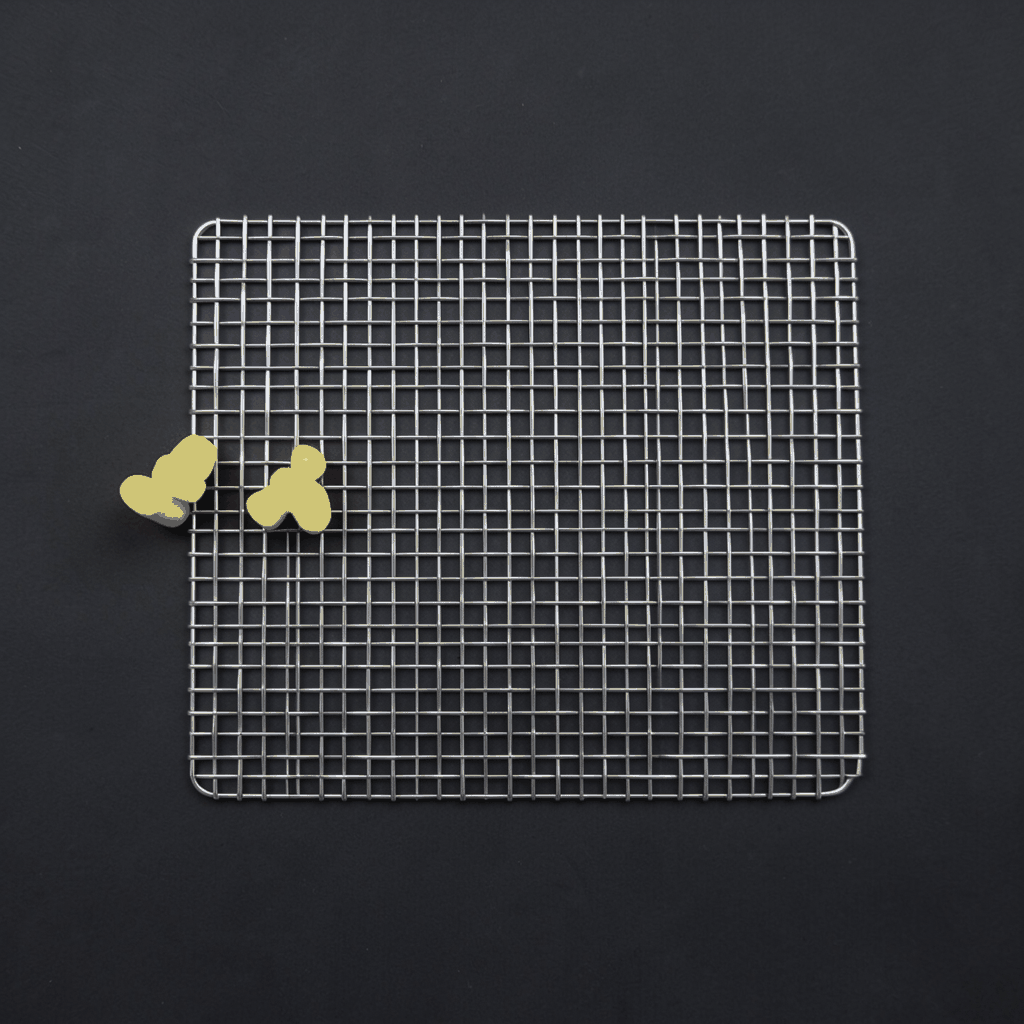
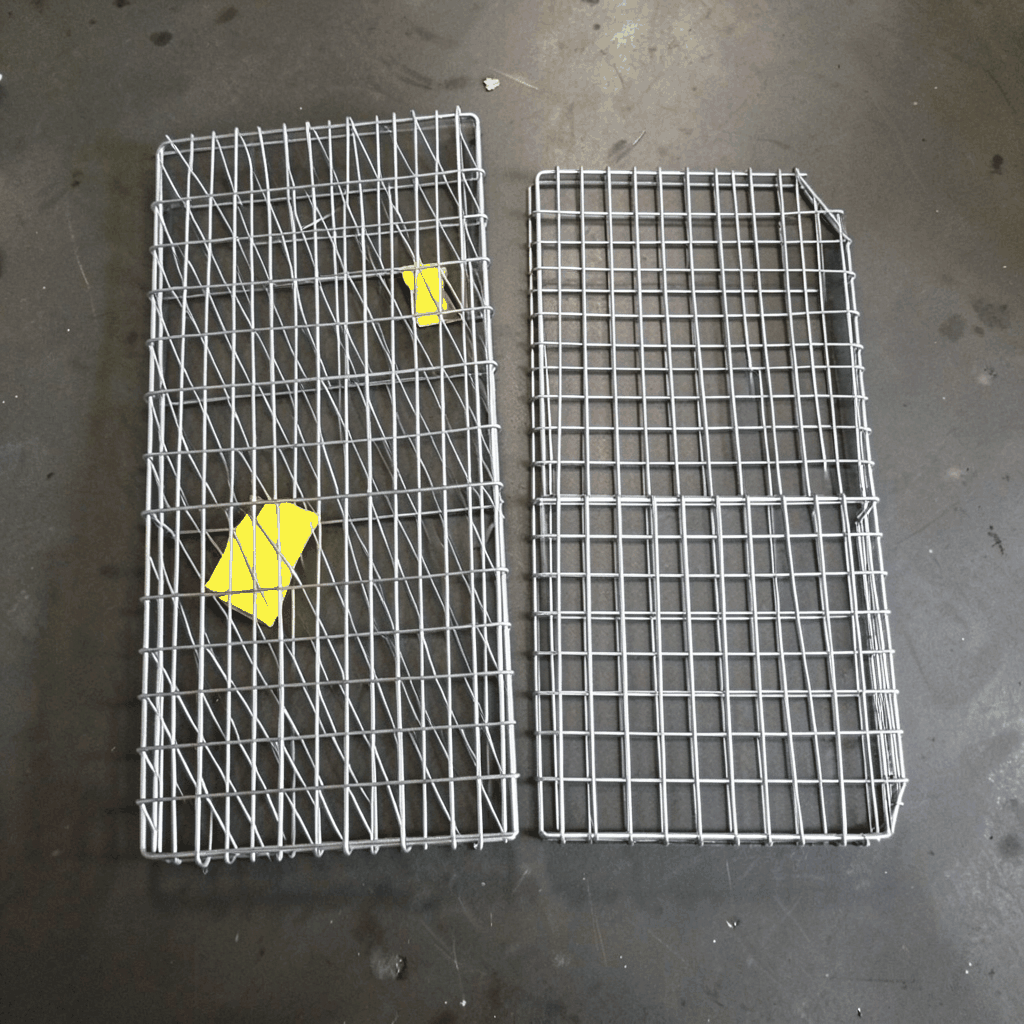
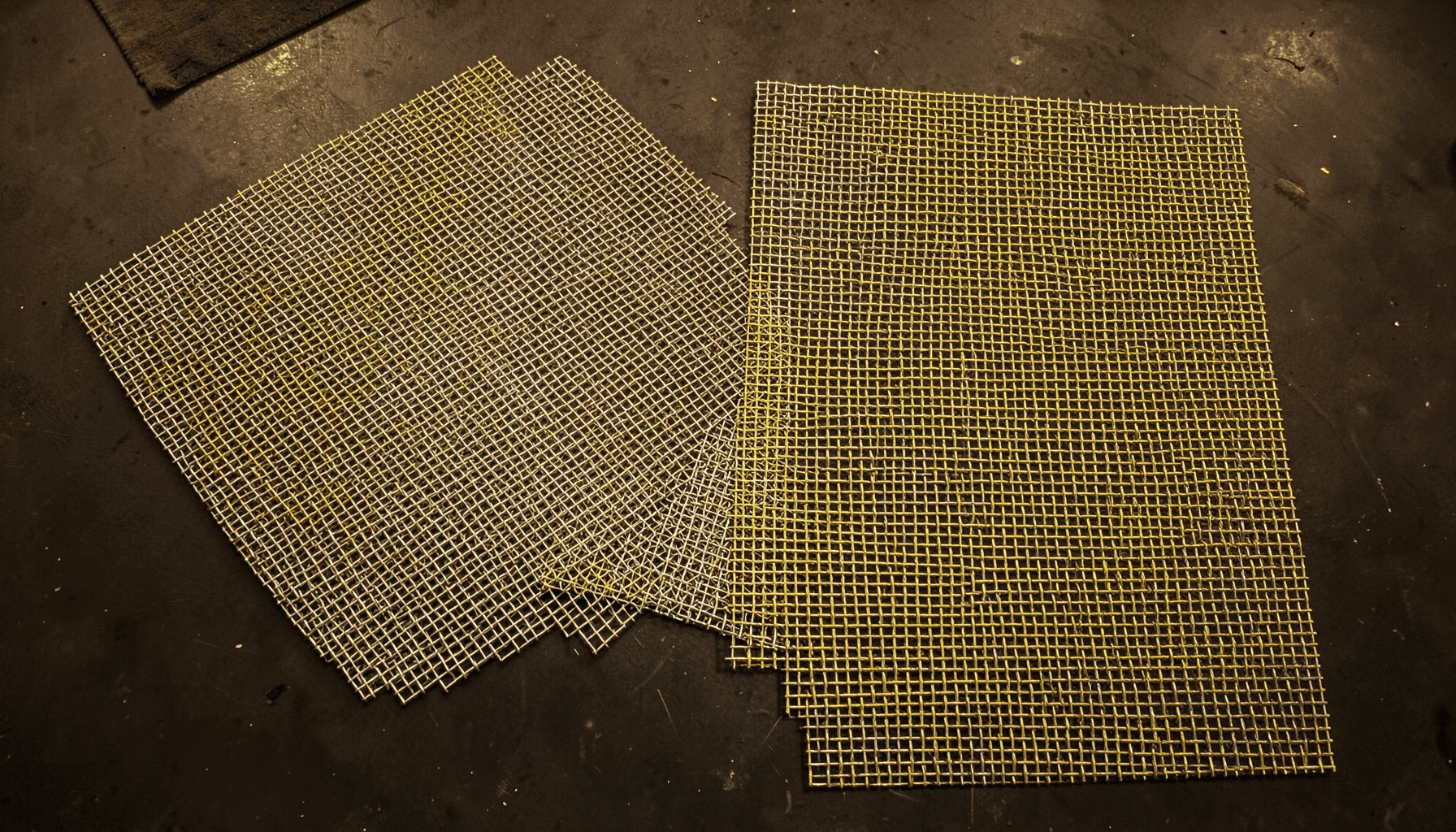
Woven mesh provides flexibility and a broad range of opening sizes. Welded mesh generally offers a more rigid structure and predictable openings, making it suitable for repeated loading or automated handling. Perforated sheet baskets may be selected when a solid base, controlled drainage or a smooth internal surface is more important than maximum open area.
Basket Design For Ultrasonic Tanks
Ultrasonic cleaning depends on effective transmission of sound energy through the liquid. A basket should sit clear of the tank base and walls where possible, with enough open area for the solution to circulate around the load. Direct contact with the tank surface can create noise, wear or inconsistent cleaning performance, so support feet or a suitable frame may be necessary.
Handles are important for safe and repeatable handling. Fixed handles suit manual work, while hinged, removable or lifting-lug designs can be integrated into hoists, cranes and automated transfer systems. In a busy Australian fabrication or maintenance workshop, a basket that can be lifted with a trolley or overhead device may reduce manual strain and improve throughput.
Internal separators, compartments and perforated trays help keep different parts apart. This is useful when batches contain components with different sizes, surface finishes or cleanliness requirements. A multi-level arrangement can increase tank capacity, but it must leave enough space for fluid movement and prevent parts from rubbing together during agitation.
Construction Details That Affect Service Life
The frame is usually the main load-bearing element, so welded joints, corner reinforcement and base supports must match the intended weight. Smooth, continuous welds reduce snagging and make the basket easier to clean. Exposed wire ends should be removed or finished so they do not scratch components, puncture gloves or injure operators.
Corners can be square, rounded or formed with a reinforced bend. Rounded internal corners help prevent sludge and residue from accumulating, which is valuable in processes involving oil, grease or fine metal particles. A removable liner or secondary tray may be used when very small components require extra containment.
Surface finish also affects maintenance. Pickled or passivated stainless steel can support corrosion resistance after fabrication, while electropolishing may be considered for applications requiring a smoother, easier-to-clean surface. The selected finish should reflect the process rather than adding unnecessary cost. Basket dimensions, stacking features and drain orientation should also be reviewed before fabrication.
Australian Applications And Purchasing Conditions
Australian manufacturers use cleaning baskets across automotive repair, rail maintenance, agricultural machinery, mining equipment, medical-device production and general engineering. In Perth and regional Western Australia, baskets may need to handle large, heavy components and frequent crane movement. In Melbourne, precision engineering and toolmaking operations may prioritise fine mesh, surface protection and repeatable batch cleaning.
Queensland and New South Wales facilities often manage warm, humid conditions, while coastal sites can expose equipment to salt-laden air. Brisbane, Sydney and other coastal locations may therefore benefit from careful stainless grade selection, thorough rinsing and dry storage between uses. Local water quality and detergent concentration can also influence staining, scaling and corrosion over time.
Supply arrangements are another practical issue. Many Australian businesses source fabricated mesh products from overseas manufacturers through distributors, direct importers or project procurement teams. Buyers should allow time for drawings, sample approval, production, sea freight, customs clearance and local delivery. Clear information about Australian site access, lifting equipment and workplace procedures helps prevent a basket arriving with unsuitable handles or dimensions.
Specification Points For Australian Buyers
A useful specification gives the manufacturer enough information to design a basket that works in the real cleaning cycle. Photos or sketches of the tank, parts and lifting arrangement can be as valuable as a written description. Include the maximum batch weight, component dimensions, cleaning temperature, solution chemistry and whether the basket will be moved manually or mechanically.
Custom fabrication allows the basket to be matched to the equipment rather than forcing operators to adapt their process. Shuo Ke Wire Mesh Product Technology Co., Ltd. can produce metal mesh products using stainless steel, aluminum, iron, copper and other alloys, with options for custom dimensions and industrial construction.
Key details to confirm include:
- Overall basket length, width and height, including handles and lifting points
- Mesh type, aperture size, wire diameter and required open area
- Maximum safe working load and expected loading frequency
- Cleaning solution, operating temperature, immersion time and ultrasonic conditions
- Basket material, surface finish and corrosion-resistance requirements
- Drainage, stacking, nesting, dividers, trays and part-separation features
- Packaging, sample approval, delivery schedule and installation requirements
A trial basket or sample section can be worthwhile when the application involves expensive components, aggressive chemistry or strict cleanliness targets. Testing should check fluid circulation, drainage, loading balance, part protection and ease of removal. It can also reveal whether the mesh opening is too large for small pieces or too fine for fast rinsing.
Improving Workflow, Safety And Cleaning Results
The basket is part of a wider handling system. Loading parts evenly helps prevent tipping and reduces areas where contamination can remain trapped. Separating oily components from clean components can also protect the washing solution and reduce the need for frequent tank changes.
Operators should be able to grip, lift and empty the basket without reaching into hot liquid or handling sharp edges. Handles need adequate clearance from the tank rim, and the basket should remain stable when carried. For hoist use, lifting points must be positioned to keep the load level and should be checked against the rated capacity of the lifting equipment.
Routine inspection extends basket life. Look for broken wires, loose welds, distorted frames, corrosion spots, blocked mesh and damaged handles. Rinse away chemical residues after use where appropriate, allow the basket to drain fully, and store it in a dry area. A simple inspection record is useful in production environments where several baskets move through different cleaning stages.
The right cleaning basket can reduce part loss, improve fluid access and make a demanding maintenance process easier to control. Share the tank dimensions, part details, cleaning chemistry and handling method with Shuo Ke Wire Mesh Product Technology Co., Ltd. to develop a durable custom basket suited to your Australian operation.