Metal Mesh Conveyor Belts for High-Temperature Food Processing
High-temperature food processing places demanding requirements on conveyor equipment. Belts must move products reliably through ovens, fryers, blanchers, dryers, smokers, and cooling zones while tolerating heat, moisture, cleaning chemicals, and repeated mechanical stress. A poorly selected belt can lead to distortion, product loss, hygiene problems, and costly production interruptions.
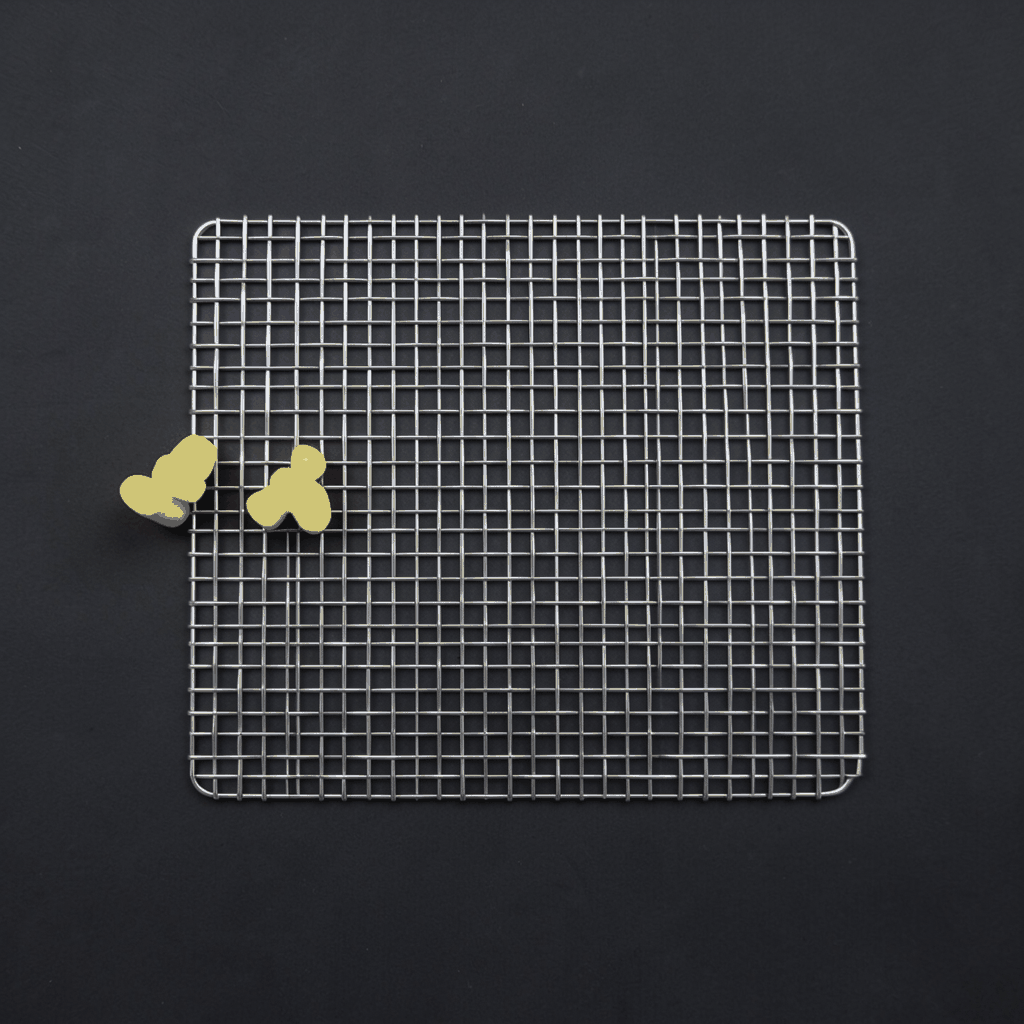
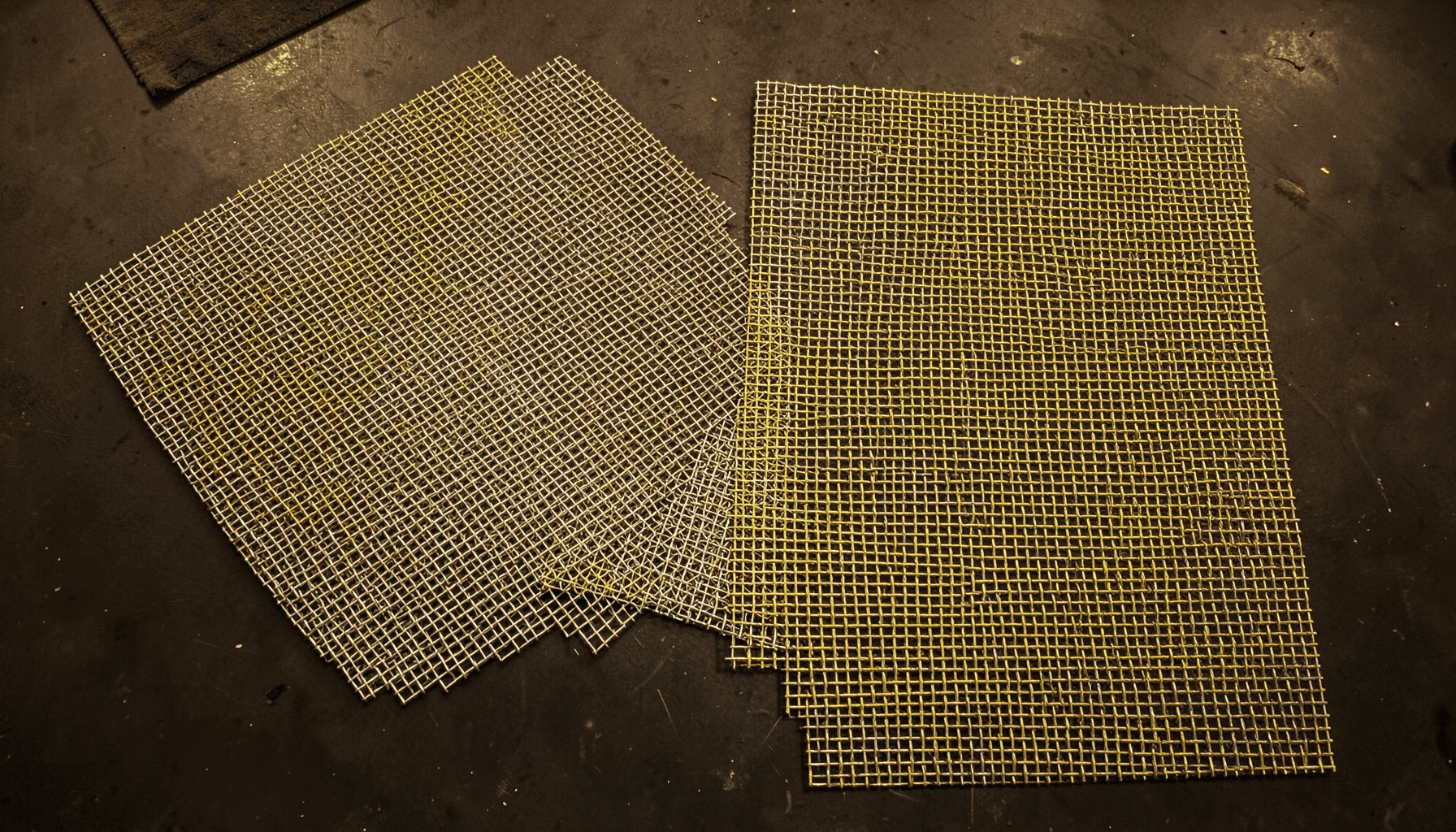
Metal conveyor belting provides a durable alternative to many synthetic belt types. Its open structure supports airflow, drainage, and even heat transfer, making it suitable for bakery lines, snack production, meat processing, seafood handling, vegetable preparation, and other continuous processes. Wire diameter, mesh opening, edge construction, and material grade all affect performance.
For Australian processors, the right specification must also suit local operating conditions and regulatory expectations. A plant in Melbourne may face different corrosion and temperature concerns from a seafood facility near Brisbane or a food manufacturer in regional New South Wales. Careful engineering at the ordering stage helps create a belt that is practical, cleanable, and economical over its service life.
Selecting Mesh for Heat Exposure
Metal mesh conveyor belts are often used where food must pass through a controlled thermal environment. In an oven, the belt must withstand direct radiant heat and hot circulating air. In a fryer, it must cope with elevated oil temperatures, product weight, and regular removal of residue. In a blanching or steaming system, the main concerns may be hot water, condensation, and corrosion rather than dry heat alone.
The belt’s open area is important because it influences airflow, drainage, and cooking uniformity. A tightly woven mesh can support small products and reduce the risk of pieces falling through, but it may restrict air circulation and retain more residue. A wider opening improves heat transfer and cleaning access, provided it is suitable for the product size and loading pattern.
A specialist metal mesh solutions manufacturer can help match the weave and construction to the process rather than treating the belt as a generic replacement part. The specification should account for operating temperature, peak temperature, belt speed, tension, sprocket arrangement, product dimensions, and the type of cleaning carried out between production runs.
Choosing Stainless Steel And Other Alloys
Stainless steel is the most common choice for high-temperature food conveyor belts because it combines strength, corrosion resistance, and reliable performance across a broad temperature range. Different grades offer different balances of corrosion resistance, mechanical strength, weldability, and price. The correct grade depends on whether the belt will encounter salt, acidic ingredients, cleaning chemicals, steam, or high heat.
For many food applications, stainless steel is preferred in areas where hygiene and corrosion control are critical. Seafood processors, sauce manufacturers, and plants using brine or acidic marinades should pay close attention to chloride exposure. A material that performs well in a dry bakery may require a different grade in a coastal Queensland facility handling salted products.
Other metals can be useful in specific situations. Heat-resistant steel may suit very high-temperature sections, while aluminium can be considered where low weight and heat transfer are priorities, although it may not be appropriate for every heavy-duty or chemically aggressive process. Copper and other alloys have specialised uses, but food contact, cleaning, and contamination requirements must be reviewed before they are selected.
Material selection should also consider thermal expansion. As a belt heats and cools, its length and tension can change. The conveyor frame, take-up system, guides, and drive components must accommodate this movement. Ignoring expansion can cause tracking problems, excessive tension, or premature fatigue at welded joints.
Hygiene, Cleaning, And Food Contact
A food conveyor belt must be designed around the complete sanitation routine, not just the production temperature. Open mesh allows water and cleaning solution to pass through, reducing the chance of standing moisture. It also gives operators better visual access to inspect the belt, sprockets, support rails, and surrounding equipment.
Smooth, well-finished wire surfaces are easier to wash down than rough or damaged areas. Welded joints should be secure and free from sharp projections that could trap food particles or create a safety risk. Belt edges deserve equal attention because folded, reinforced, or linked edges can collect residue if they are not matched to the cleaning method.
Australian food businesses generally work within food safety systems based on HACCP principles and applicable Food Standards Australia New Zealand requirements. A belt is only one part of that system, but its design can support effective cleaning verification. Documentation about material grade, construction, and intended use can also help maintenance and quality teams keep records for audits.
Cleaning temperature and chemical concentration affect belt life. Strong alkaline detergents, acidic sanitisers, high-pressure water, and frequent thermal cycling can gradually attack unsuitable materials or poorly finished components. The belt supplier should know the sanitation chemicals, water quality, washdown pressure, and cleaning frequency before recommending a construction.
Belt Construction And Conveyor Performance
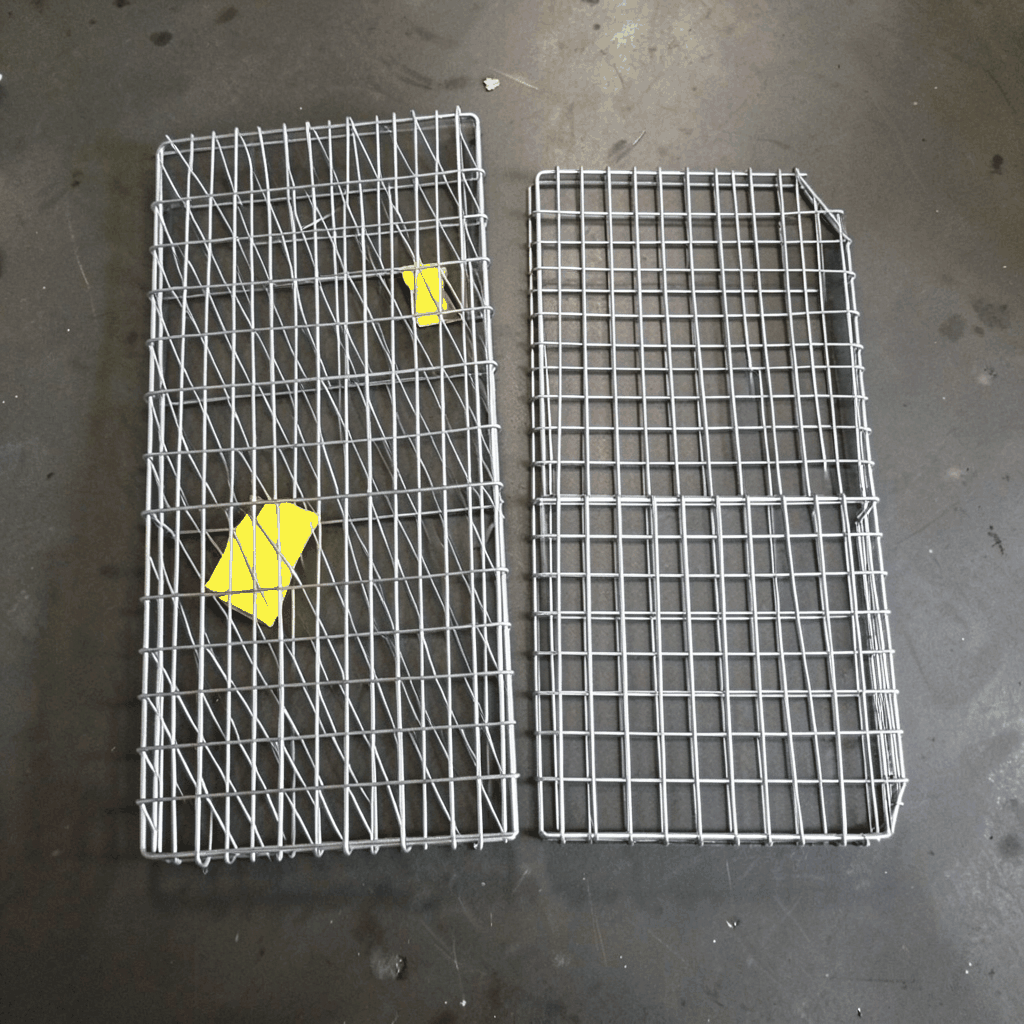
Wire conveyor belts are available in several constructions, including balanced weaves, compound balanced weaves, chain-driven belts, rod-reinforced designs, and specialised woven configurations. A balanced weave can provide flexibility and stable movement, while a compound balanced weave may offer a tighter surface for smaller products and increased resistance to distortion.
Chain-driven belts are often selected for demanding lines because sprockets engage with the belt positively. This can improve tracking and reduce slip under load. Rods, crossbars, and edge connections must be sized for the product weight, span between supports, and start-stop pattern. A heavy belt operating over a long unsupported distance may require additional rails or wear strips.
Mesh opening and wire diameter should be selected together. Fine wire can provide a smoother conveying surface and better support for delicate products, but it may not tolerate impact or abrasive cleaning as well as a heavier wire. Larger wire improves robustness, although it can leave more pronounced contact marks on soft products.
Drive and support details are just as important as the mesh itself. Incorrect sprocket spacing, poor alignment, excessive tension, or unsuitable wear strips can shorten belt life even when the mesh specification is sound. The conveyor should be checked for hot spots, product snagging, lateral movement, and residue accumulation during commissioning.
Practical Checks For Australian Processing Sites
Australian manufacturers often need equipment that can operate across long shifts, cope with seasonal production changes, and remain serviceable when replacement parts are not immediately available. A site outside Adelaide, Perth, or regional Victoria may need to plan lead times carefully, particularly when a belt is custom-sized or imported. Keeping accurate belt dimensions and a spare-parts record can reduce the impact of unexpected stoppages.
Local climate and process conditions also matter. Humid coastal air around Sydney or Newcastle can increase corrosion concerns, while intense summer heat in inland areas can add to the thermal load around ovens and dryers. In northern Australia, high humidity and frequent washdown may influence the choice of stainless steel, edge details, and sanitation procedures.
Use the following checks when preparing a belt specification:
- Confirm working and peak temperatures, including start-up and shutdown cycles.
- Measure conveyor width, belt length, sprocket pitch, and support spacing.
- Identify product size, weight, moisture, oil content, and likely sticking points.
- Record washdown chemicals, pressure, water temperature, and cleaning frequency.
Ask suppliers for practical information before approving a design:
- Material grade and suitability for the process environment.
- Belt tolerances, joint method, edge construction, and available repairs.
- Recommended sprockets, guides, supports, and take-up settings.
- Production lead time, packaging method, and replacement-part support.
From Specification To Reliable Supply
A clear technical brief gives a manufacturer enough information to produce a belt that fits the conveyor and performs in the real process. Drawings should show overall width, conveying length, direction of travel, drive position, sprocket arrangement, edge style, and any special loading or unloading conditions. Photos of the existing conveyor can help explain worn areas, tracking problems, or unusual support arrangements.
It is also useful to define whether the belt will be used for direct food contact, secondary handling, or a high-temperature zone where food rests on trays. Product contact may require tighter control of surface finish and material documentation. A belt carrying trays or baskets may instead prioritise strength, stability, and compatibility with the existing supports.
Testing should include the conditions that cause the greatest stress: maximum load, highest temperature, fastest approved speed, and full sanitation cycle. Watch for belt elongation, uneven tracking, product marking, vibration, and heat-related changes in tension. Early checks can prevent a small design issue from becoming a major production problem.
For a new line or replacement project, work with a manufacturer able to discuss mesh geometry, alloy selection, fabrication, and conveyor integration in the same conversation. Share the operating data and drawings, request a detailed quotation, and have the proposed construction reviewed by engineering, maintenance, and food safety personnel before production begins. A properly specified metal conveyor belt can then deliver dependable service through demanding Australian processing conditions.