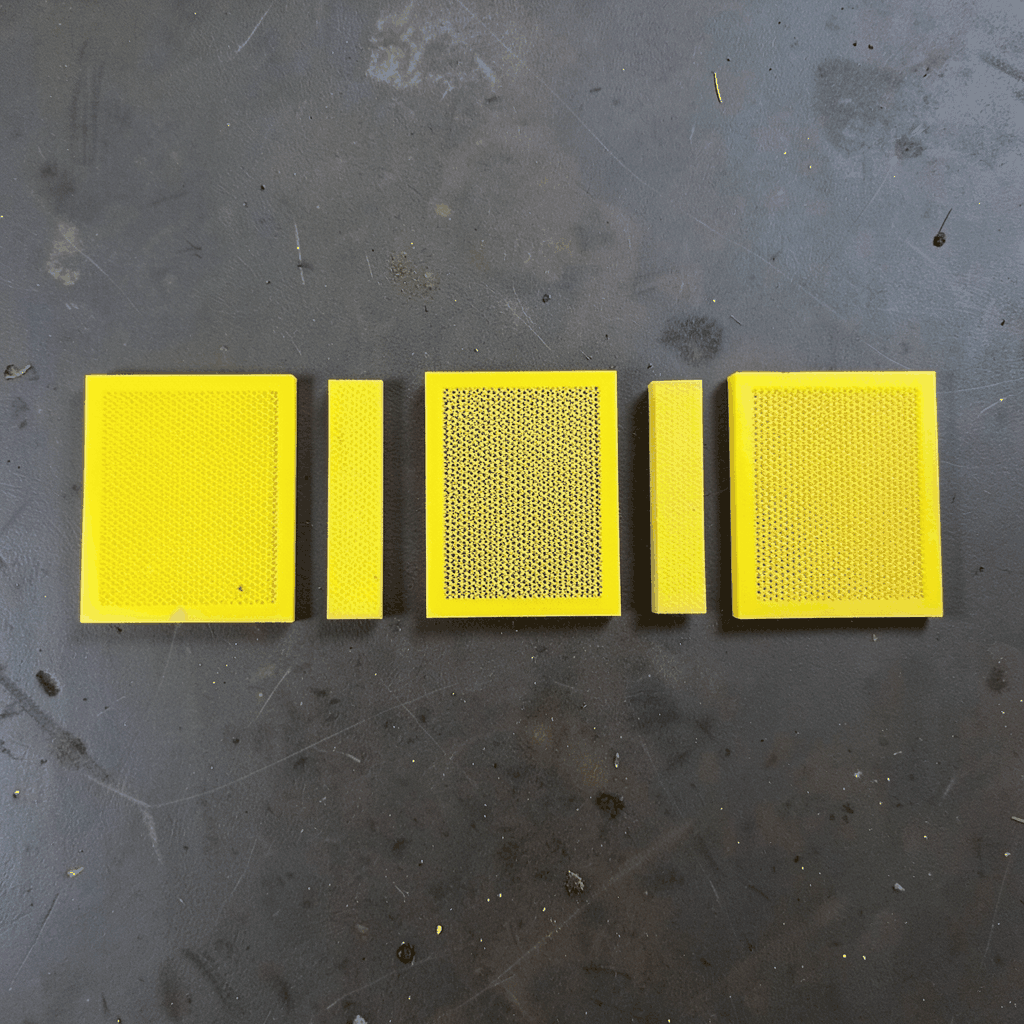
Metal mesh for decorative ceiling tiles with backlighting
Australian architects, interior designers, and builders are turning to architectural metal mesh as a sophisticated solution for backlit ceiling features in commercial fit-outs, hospitality venues, and high-end residential projects. From Sydney harbourside restaurants to boutique hotels in Melbourne's laneway precincts and resort lobbies across the Gold Coast, woven and perforated metal panels are being paired with LED lighting to create luminous overhead planes with genuine texture and depth. The combination delivers a refined alternative to stretched fabric ceilings or flat acrylic diffusers, and it holds up beautifully under the harsh Australian sun, coastal humidity, and demanding commercial use cycles.
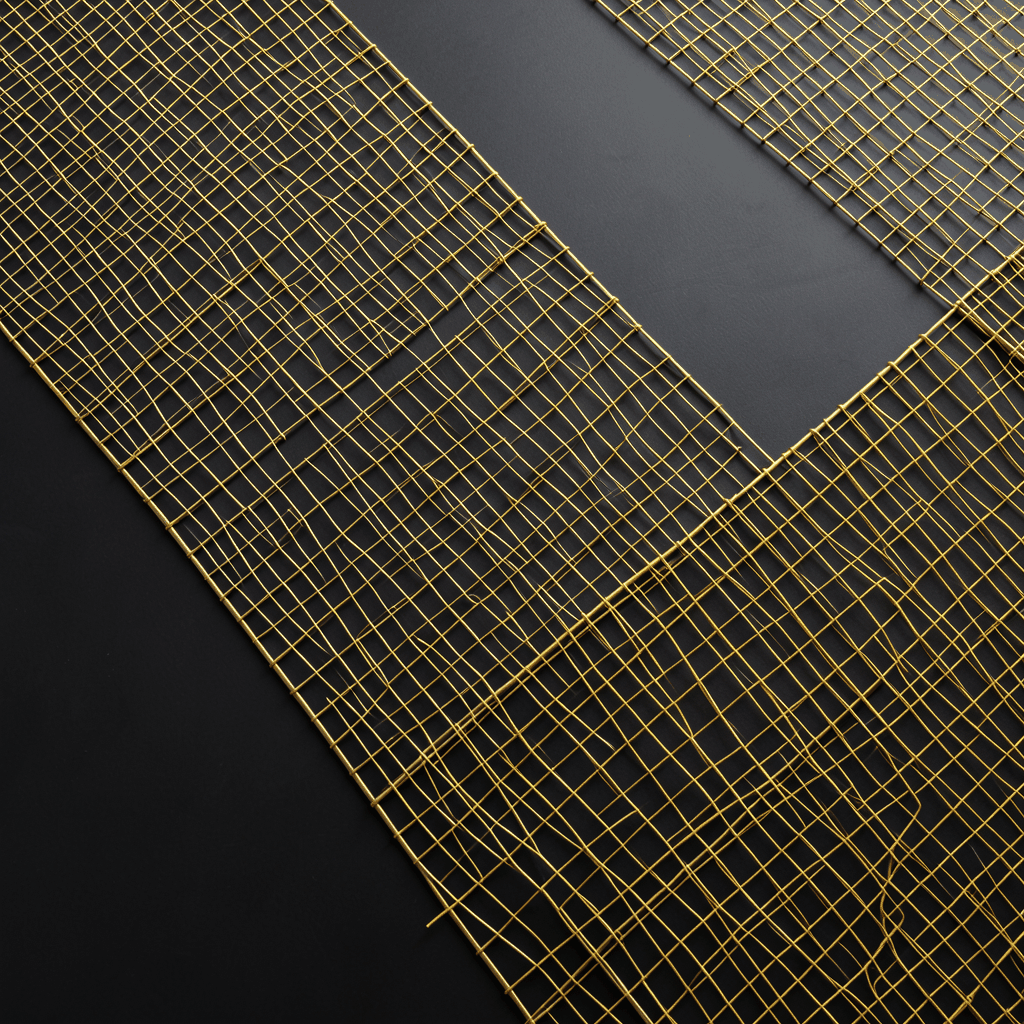
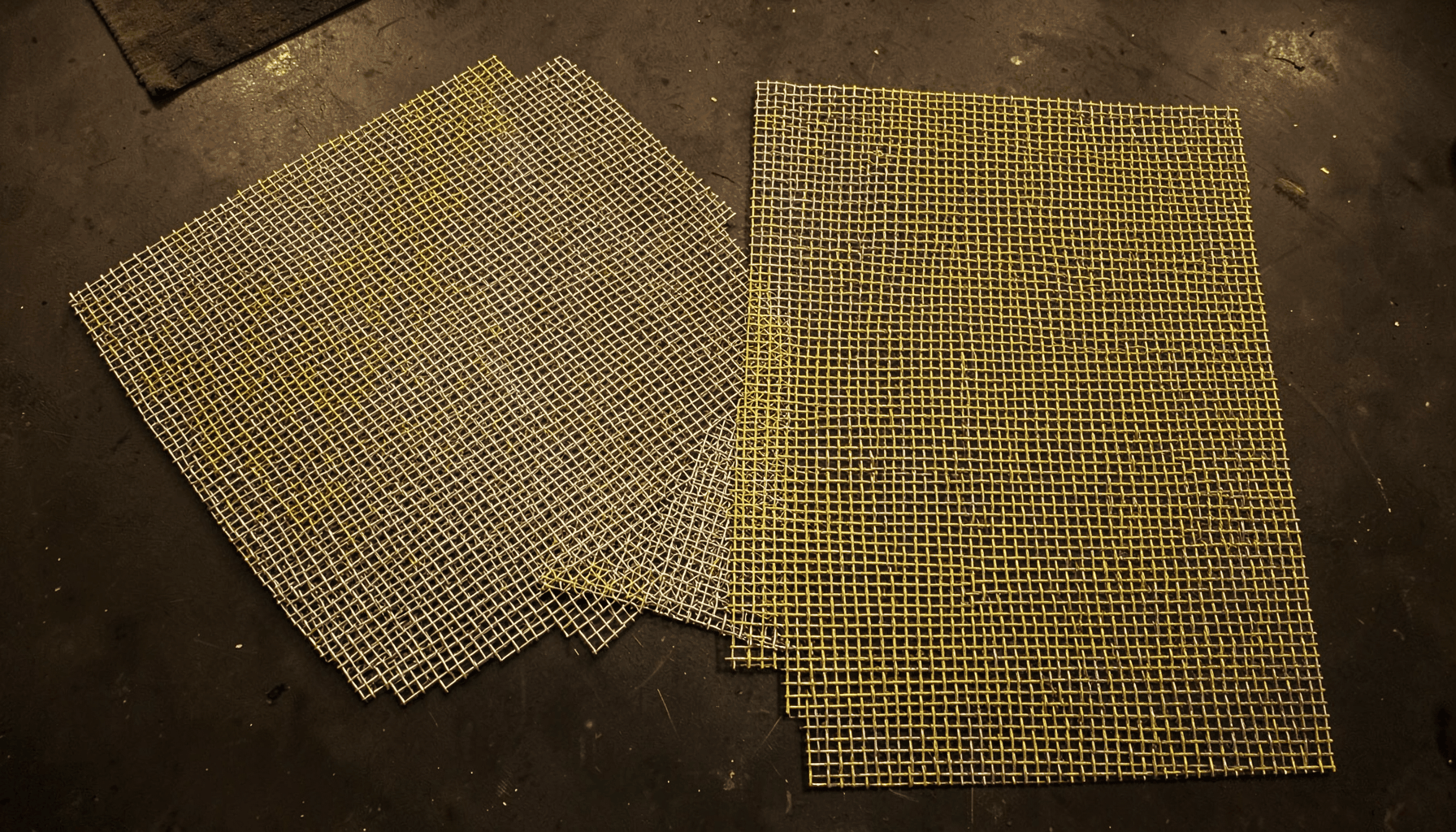
The appeal lies in the way metal structure and transmitted light interact. Unlike painted plaster or fabric, metal mesh retains its three-dimensional form, reflects ambient light from the room, and simultaneously transmits the light source behind it. Local importers and custom fabricators now offer an extensive catalogue of weaves, perforations, and finishes in stainless steel, aluminium, copper, and brass, giving designers in Adelaide, Perth, and Brisbane the same material palette previously reserved for international flagship projects.
How metal mesh interacts with backlighting
Metal mesh ceilings work with backlighting because the open structure of the weave or perforation pattern allows light to pass through while the metal itself shapes and filters it. The result is a soft, textured glow rather than a flat wash of illumination. Designers control the balance between transmitted and reflected light by adjusting the open area percentage of the mesh. A tighter weave with smaller openings creates a more atmospheric, muted effect, while a wider pattern delivers a brighter, more luminous ceiling that still shows the weave clearly.
When weighing diffuse lighting materials for a project, metal mesh sits in a distinctive middle ground between translucent fabrics and rigid polycarbonate panels. The metal retains its form under the heat generated by LED strips, resists yellowing over time, and offers tactile depth that remains visible even when the lighting is switched off. For Australian venues that prioritise both performance and longevity, this matters: coastal installations around Sydney Harbour and the Mornington Peninsula face salt-laden air that degrades many organic and synthetic alternatives within a few years.
A further advantage is the way the mesh softens the harsh light strip. Bare LED diodes create visible hotspots, but a layer of metal mesh between the light source and the room diffuses those points into a more even luminance. The denser the weave, the greater diffusion takes place, allowing designers to specify higher-output strips while keeping the visual result gentle and welcoming.
Material choices and finishes
Stainless steel is the most specified material for backlit mesh ceilings in Australian commercial projects, particularly grades 304 and 316. Grade 316 contains molybdenum, which significantly improves corrosion resistance in coastal and pool-side environments common in Sydney, the Gold Coast, and along the Victorian coast. Brushed finishes reduce glare from the reflected component of the lighting, while mirror-polished finishes amplify reflectivity for a more glamorous effect suited to hotel lobbies in Melbourne and Brisbane.
Aluminium mesh offers a lighter weight alternative that simplifies ceiling suspension and reduces structural load, which is valuable in heritage warehouse conversions across Adelaide and Hobart where existing ceiling framing cannot easily accommodate heavy cladding. Anodised aluminium also opens up a broad colour palette, from champagne and bronze through to matte black, allowing the ceiling feature to coordinate with joinery and fixture finishes throughout the interior.
Brass, bronze, and copper meshes bring warmth to a backlit installation. These alloys develop a natural patina over time, but for clients who prefer a stable appearance, PVD-coated or lacquered versions retain their original tone indefinitely. In hospitality fit-outs across Perth's CBD and Brisbane's South Bank, warm metal ceilings pair beautifully with timber furniture and leather detailing, and the colour temperature of the backlight can be tuned to enhance the metal's natural hue.
For purely decorative interior applications away from moisture and heavy handling, plain iron and carbon steel meshes provide an industrial aesthetic at lower cost. These are often specified in Brisbane bars and Melbourne laneway venues seeking a robust, masculine look, though they require powder coating or sealing to prevent rust in humid conditions or buildings close to the coast.
Weave patterns and perforation designs
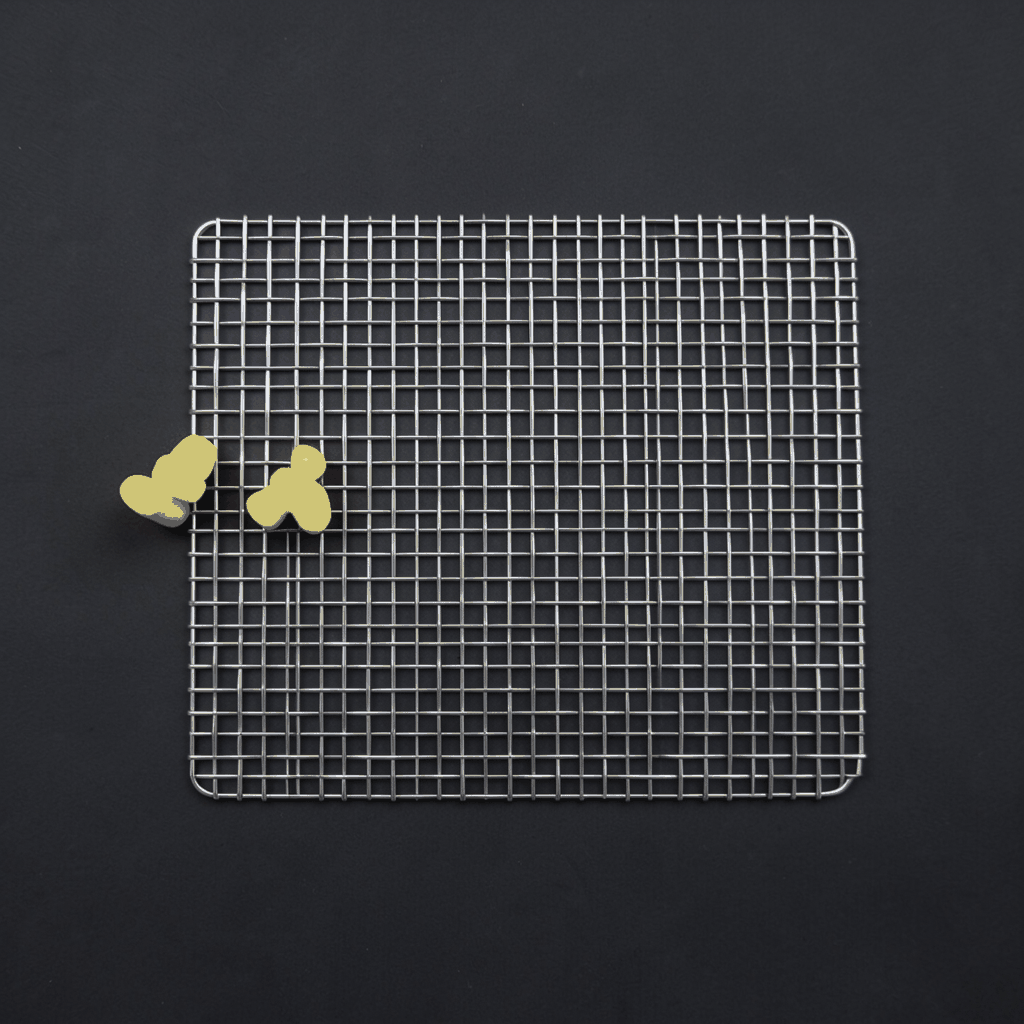
The pattern of the mesh determines both the visual texture of the ceiling and the quantity of light transmitted through it. Plain weave, twill weave, and Dutch weave constructions each produce a different interplay of warp and weft wires, with Dutch weaves offering the highest density for projects where the lighting should appear as a continuous luminous surface rather than a discrete grid. Round, hexagonal, and square perforations offer a more contemporary, graphic aesthetic that pairs well with minimalist interiors in Sydney and Brisbane apartments.
Custom laser-cutting takes the design further, allowing architects to incorporate logos, organic motifs, or geometric screens drawn from local references such as the grid patterns of Melbourne's laneways or the woven textures of Indigenous art from Arnhem Land. These panels are typically manufactured from flat sheet rather than woven wire, which gives them crisp edges and a more architectural feel suitable for feature ceilings in reception areas, boardrooms, and retail flagships.
Open area percentage is the critical technical parameter that bridges pattern and performance. A mesh with 30 percent open area transmits significantly less light than one with 60 percent open area, which directly influences how bright the LED backing needs to be to achieve the desired luminance at the viewing surface. Most Australian projects land between 35 and 55 percent open area, balancing light transmission with the visual presence of the metal itself.
Lighting integration and installation
Successful backlit mesh ceilings depend on careful coordination between the mesh, the light source, and the supporting structure. LED strips or panels are typically mounted on a backing plate or within a recessed ceiling cavity behind the mesh, with a minimum spacing distance that varies depending on the mesh density. Tighter weaves allow closer placement without visible hotspots, while more open patterns require greater distance to blend the individual LEDs into a uniform glow.
Colour temperature selection strongly influences the atmosphere of the finished ceiling. Warm white tones around 2700K to 3000K enhance brass and copper meshes, creating the welcoming glow favoured in hotel bars and restaurants across Sydney's CBD and Brisbane's South Bank. Cooler temperatures between 4000K and 5000K sharpen the appearance of stainless steel and aluminium, suiting corporate receptions, galleries, and retail environments in Melbourne and Perth. Tunable white systems allow the colour temperature to shift throughout the day, complementing circadian design principles increasingly adopted in Australian workplaces.
Dimming controls via DALI, 0-10V, or wireless protocols give end users flexibility to adjust the ceiling's intensity for different times of day or events. Integrated controls also extend LED life by preventing continuous full-power operation. Cable management, driver placement, and access for maintenance should all be considered during the ceiling design phase, as retrofitting drivers into a finished mesh ceiling is far more disruptive than planning access from the outset.
Practical recommendations for Australian projects
Choosing the right combination of material, pattern, and lighting for a backlit mesh ceiling requires balancing aesthetics, performance, and the realities of the local environment. The following points help guide specification for projects across Australia's varied climate zones and design contexts.
Working with a fabricator experienced in both metal mesh and architectural lighting pays dividends, since the visual interaction between mesh and light is difficult to predict from technical data alone. Experienced suppliers provide illuminated mock-ups and pre-production samples, which remove much of the guesswork from the specification process and reduce the risk of costly on-site corrections.
- Specify grade 316 stainless steel or anodised aluminium for coastal installations in Sydney, the Gold Coast, and the Mornington Peninsula to prevent tea staining and premature corrosion.
- Match weave density to lighting output: denser weaves (above 50 percent open area) suit higher-output LED panels, while more open weaves need greater cavity depth to blend individual diodes.
- Plan maintenance access for drivers and LED strips before ceiling fabrication, particularly in commercial venues where downtime affects revenue.
- Choose warm white LEDs (2700K-3000K) for hospitality and retail to enhance brass, bronze, and copper finishes, and cooler whites (4000K+) for corporate and gallery spaces.
- Order illuminated mock-ups before final specification, since the visual result depends on the specific combination of mesh, light source, and spacing distance.
Shuo Ke Wire Mesh Product Technology Co., Ltd. supports Australian architects, designers, and builders with custom metal mesh solutions tailored to backlit ceiling applications. From initial concept sketches through to fabrication in stainless steel, aluminium, copper, brass, and iron alloys, the team collaborates on weave selection, perforation patterns, and finishes to match each project's design intent and performance brief. Reach out today to discuss your next ceiling feature and request a tailored quotation, material sample, or illuminated mock-up.