Metal Mesh For Decorative Window Grilles And Security Screens
Metal mesh offers Australian property owners a practical way to improve security without turning windows into heavy, closed-off barriers. Used for decorative window grilles, privacy panels, balcony screens and protective façades, it can filter light, support airflow and contribute to a considered architectural finish.
Unlike solid steel bars, woven wire mesh and perforated metal screens can be designed around the character of a home, shopfront, apartment building or public facility. Stainless steel creates a crisp contemporary appearance, while aluminium, copper, mild steel and coated alloys provide different combinations of colour, weight, cost and corrosion resistance.
The right screen depends on more than its pattern. Opening size, wire diameter, panel strength, fixing method, weather exposure, cleaning requirements and local building conditions all affect long-term performance. A well-specified system should look at home in a Melbourne terrace, a Brisbane commercial property or a coastal house near Perth while meeting the practical expectations of Australian construction.
Why Mesh Works For Windows And Security
Decorative metal mesh combines visual appeal with a useful physical barrier. It can help discourage forced entry, protect glazing from accidental impact and create separation between private interiors and public areas. When installed over a window or door, the screen can provide a layer of security while leaving the opening visually open.
Mesh also supports passive design. Depending on the weave and aperture, it can reduce glare, soften direct sunlight and preserve ventilation. This is valuable in warm regions such as Cairns, Darwin and northern Queensland, where occupants may want windows open without leaving them entirely exposed. A screen that allows air movement can feel less restrictive than a solid shutter.
For commercial projects, the appearance of the grille often matters as much as its strength. Retailers, cafés, medical practices and apartment developments may use a decorative screen to reinforce a brand or building identity. A repeated geometric pattern can look polished after hours, while a fine stainless steel mesh can protect a service area without making the frontage feel defensive.
Choosing A Mesh Style And Material
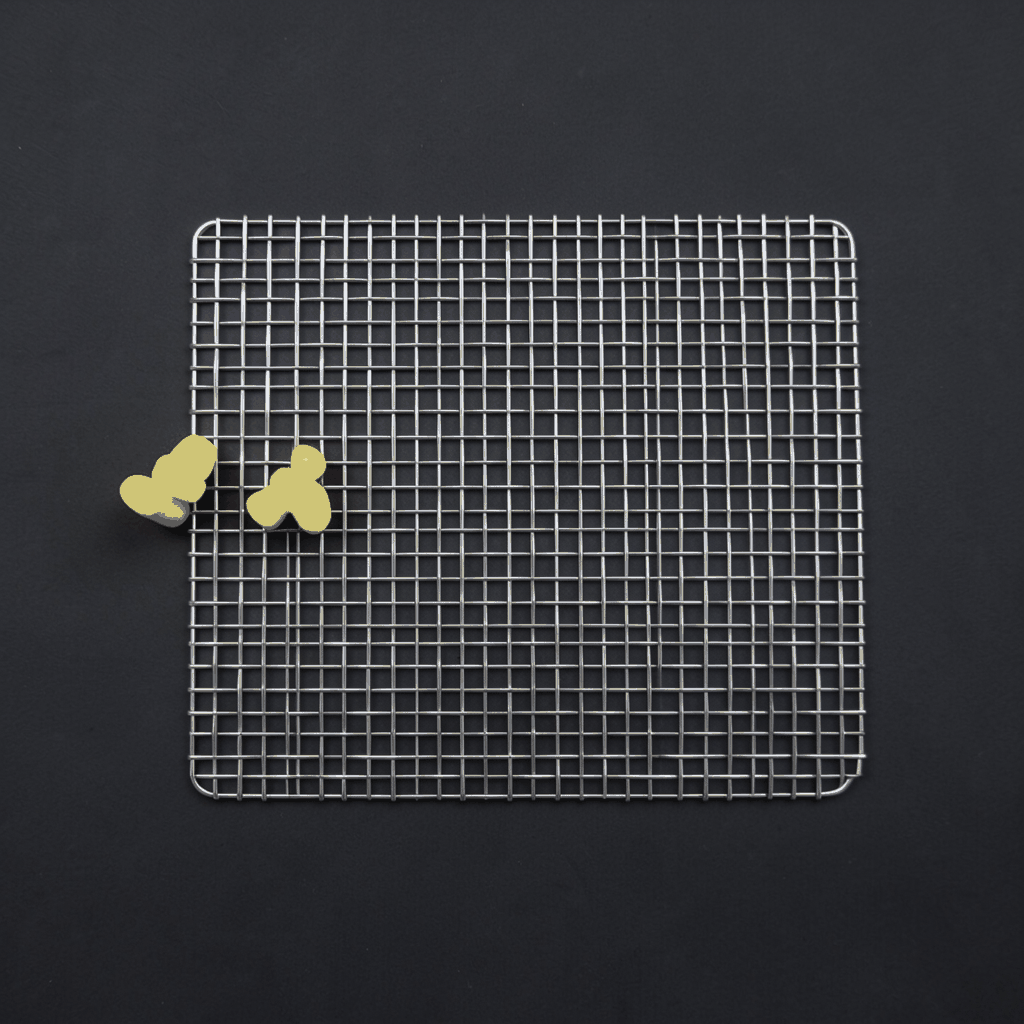
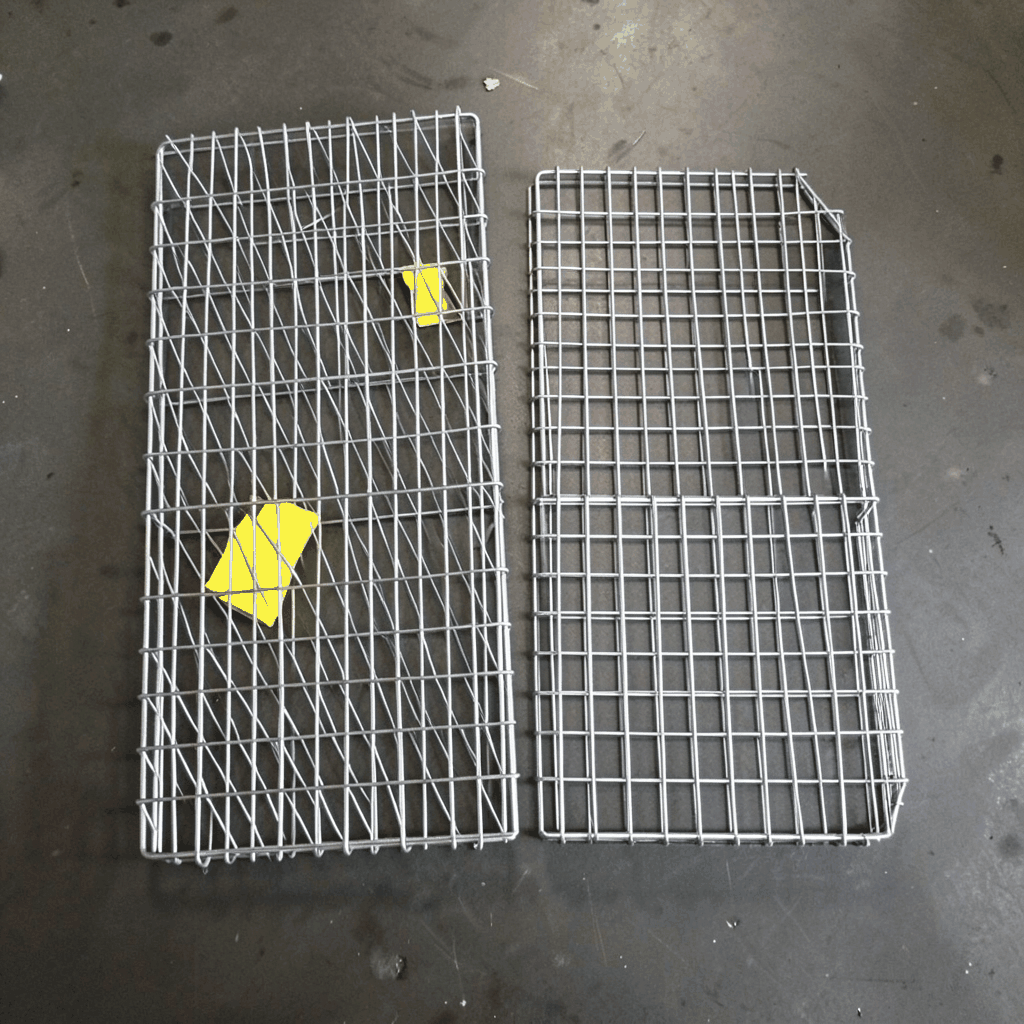
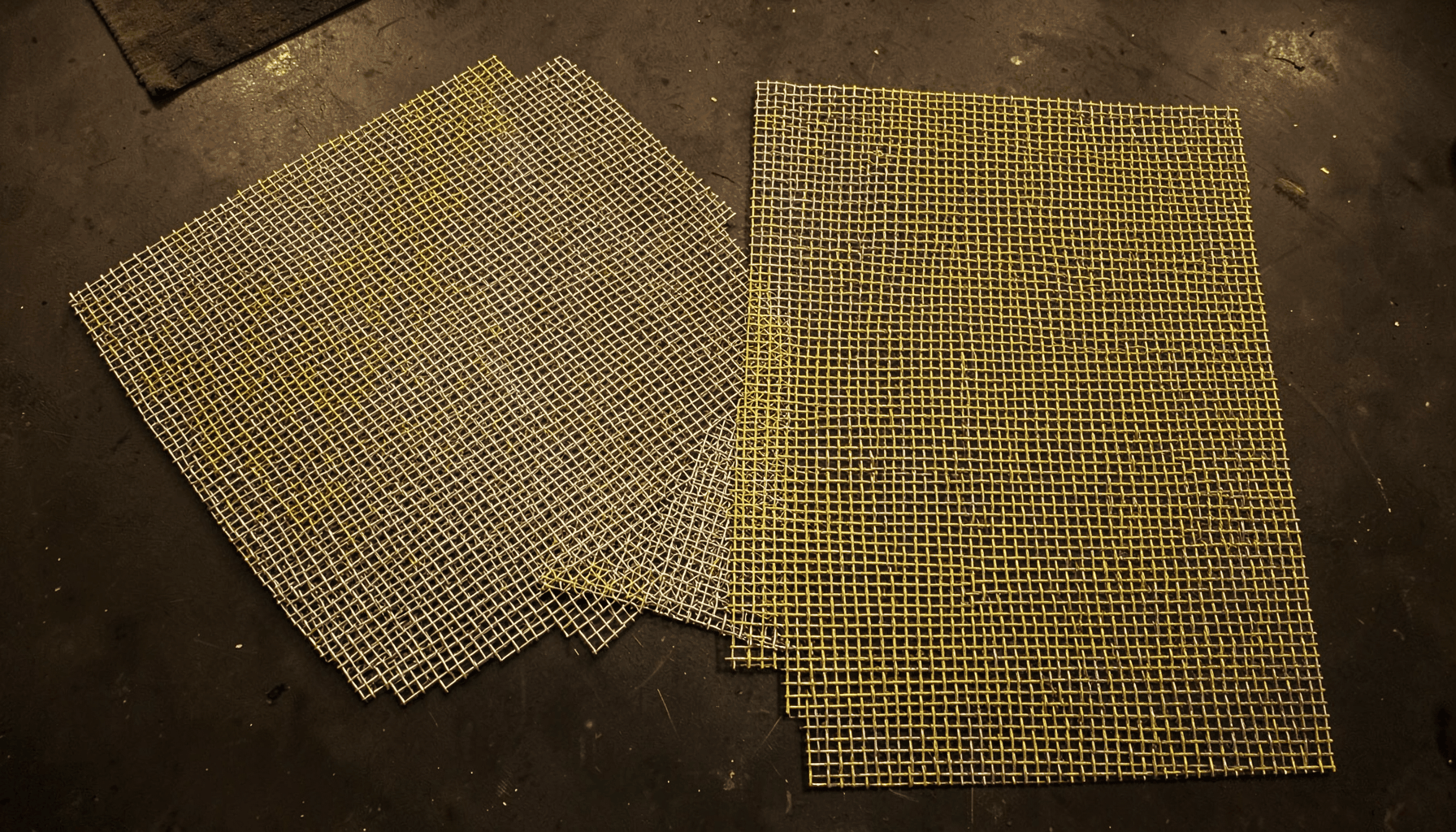
Woven wire mesh is made by interlacing metal wires into patterns such as plain weave, twill or heavier architectural configurations. It is flexible in appearance and available in fine or robust specifications. This style suits interior grilles, feature windows, partitions and decorative façades where transparency and texture are important.
Perforated metal sheets use punched or formed openings in aluminium, steel or stainless steel panels. They create a more rigid screen and can offer stronger visual coverage than fine woven wire. Laser-cut panels take this further by allowing custom motifs, business logos, native-inspired forms or abstract patterns. They are especially effective for entry screens, courtyard gates and balcony privacy panels.
Stainless steel is a strong choice for many Australian applications because it resists rust and presents a clean, low-maintenance surface. Marine-grade stainless steel may be appropriate close to the ocean, although correct grade selection, drainage and regular cleaning still matter. Aluminium is lighter and can be powder coated in colours that align with a façade or window frame. Copper brings warmth and develops a changing patina, while galvanised or painted iron can suit a more traditional industrial look.
Balancing Security, Privacy And Natural Light
A security screen should be difficult to tamper with while remaining appropriate for the opening it protects. Small apertures can make it harder to reach through the mesh, but very dense patterns may reduce outward visibility and daylight. Larger openings provide a lighter appearance and improved airflow, yet they may offer less privacy or resistance to impact.
The best balance is often different for each elevation. A street-facing window may need a tighter pattern to shield bedrooms or offices from foot traffic, while a rear courtyard screen can use a more open design. On a balcony overlooking a neighbouring property, a laser-cut panel or angled louvre effect may provide privacy without creating a blank wall.
Glare and heat should be considered alongside security. Dark powder-coated mesh can absorb heat in full sun, while reflective finishes may create unwanted brightness for nearby occupants. In western-facing rooms around Sydney or Adelaide, external shading and screen orientation can make a noticeable difference during summer afternoons. Mesh should support the building’s wider window and ventilation strategy rather than being treated as an isolated decorative item.
For adaptable product options, Shuo Ke metal mesh range includes architectural and industrial solutions that can be developed for different panel sizes, finishes and installation requirements. Custom fabrication is useful where standard hardware-store screens do not match the opening or design intent.
Designing For Australian Conditions
Australia’s climate varies sharply, so the same grille specification may not suit every location. A coastal property in Wollongong, Gold Coast or Fremantle faces salt-laden air, while an inland building may experience dust, strong ultraviolet exposure and wide temperature changes. Material grade, surface treatment and maintenance access should be selected with the site in mind.
In cyclone-prone parts of Queensland, the Northern Territory and Western Australia, screens and their fixings need to be coordinated with the building’s wind requirements. A decorative panel can be strong in itself but still perform poorly if the frame, anchors or surrounding masonry are inadequate. A local engineer or qualified installer should review larger screens, elevated panels and installations exposed to high wind loads.
Bushfire-prone areas also need careful planning. A grille may protect a window from impact, but it is not automatically a bushfire-rated assembly. Gaps, ember entry points, glazing, frames and surrounding vegetation all form part of the risk assessment. Property owners in regional Victoria, New South Wales and South Australia should check applicable planning and construction requirements before selecting a design.
Australian tradespeople often describe a well-finished installation as “neat as,” and that standard is worth applying to mesh work. Straight reveals, concealed or consistent fixings, clean welds and proper drainage make a difference to both appearance and service life.
Installation And Compliance Considerations
Window grilles and security screens should be measured from the actual opening rather than from assumed standard dimensions. Older homes in Sydney, Melbourne and Hobart often have uneven brickwork, rendered reveals or modified windows. A precise site measure can prevent visible gaps, awkward trims and last-minute alterations during installation.
The fixing method depends on the substrate. Brick, concrete, steel framing, timber and lightweight cladding each require suitable anchors and load paths. Large decorative panels may need a separate perimeter frame to prevent distortion. Hinged or removable sections can assist with cleaning, emergency access and maintenance, while fixed panels may be preferred for high-risk external locations.
Planning and strata issues can affect external grilles and screens. An apartment owner may need body corporate approval before changing a balcony façade or common-property window. Heritage properties can require a sympathetic design and council review, particularly where the screen is visible from the street. Commercial tenants should also confirm landlord requirements before attaching panels to a shopfront or façade.
Security hardware deserves the same attention as the mesh itself. Hinges, locks, welds and frame corners are common points of weakness if they are poorly selected. In some situations, the screen should be coordinated with compliant egress requirements so that occupants can exit safely in an emergency. Product claims should be checked against the relevant Australian standards and the specific installation context.
Practical Selection Checks
A project brief should define what the screen must achieve before a pattern is chosen. Security, privacy, sun control, ventilation and decorative impact may all be priorities, but they can require different aperture sizes and panel forms. Sharing photographs, opening dimensions, location, preferred finish and expected quantities with a fabricator makes the quotation more useful.
It is also sensible to compare the finished product rather than the raw material alone. A low-cost panel may require more frequent repainting, have less robust fixings or create additional installation work. A durable mesh system with a suitable finish can provide better value over the life of a home, commercial tenancy or council asset.
Material and performance checks
- Select stainless steel, aluminium, copper, iron or coated steel according to climate and visual requirements.
- Match mesh aperture and wire diameter to privacy, ventilation and security needs.
- Confirm resistance to salt air, ultraviolet exposure, moisture and local wind conditions.
- Check whether the proposed assembly needs engineering advice or compliance documentation.
Design and installation checks
- Measure the opening, reveal and fixing substrate accurately before fabrication.
- Coordinate the grille with glazing, insect screens, shutters, doors and emergency egress.
- Specify frame finish, edge treatment, weld quality and cleaning access.
- Review strata, heritage, council and landlord requirements before ordering.
Maintenance And Long-Term Appearance
Metal mesh is generally straightforward to maintain, but the finish and location determine how often it needs attention. Dust, salt and pollutants can settle in fine openings, especially on coastal façades or buildings near busy roads. Gentle washing with clean water and a suitable mild detergent can remove deposits before they become difficult to shift.
Abrasive pads, harsh chemicals and aggressive pressure washing may damage coatings or leave scratches that collect grime. Stainless steel should be cleaned in the direction of its finish, and copper should be allowed to age naturally or maintained with a defined polishing routine. Powder-coated aluminium and steel should be inspected for chips, edge damage and early corrosion.
Fasteners and junctions deserve an occasional check. Look for loose screws, cracked welds, movement in the frame, blocked drainage points or corrosion around dissimilar metals. If a screen is near the sea, more frequent inspection is sensible. Decorative panels with complex cut-outs may also need careful cleaning because dust can gather in narrow internal corners.
Design references can be expanded through metal design references when comparing decorative patterns, partitions and custom architectural applications. The final specification should still be based on the actual Australian site, expected loading and maintenance capability rather than appearance alone.
Selecting A Reliable Mesh Fabricator
A capable manufacturer should be able to discuss material grades, mesh construction, frame details, surface finishes and installation constraints in clear practical terms. Ask for samples where colour, transparency or texture is important. A small physical sample often reveals how a pattern looks in daylight more accurately than a digital image.
Fabrication capacity also matters for larger projects. Confirm whether the supplier can produce consistent panels, repeat a pattern across multiple openings, package finished components safely and provide drawings or cut files for approval. For builders and architects, reliable dimensions and clear documentation can reduce delays between fabrication and site installation.
Custom work is especially valuable when the screen must follow an arched window, conceal services, align with façade modules or incorporate a branded motif. A manufacturer experienced in architectural and industrial mesh can help adapt a decorative idea into a panel that is structurally workable, cleanable and suitable for the intended environment.
For Australian buyers, communication around lead times, freight, finish samples and replacement parts should be settled early. A screen made overseas may still be a practical choice when specifications are clear and quality control is consistent, but the project team should allow time for approvals, shipping and any local installation adjustments.
Select the mesh pattern, material and fixing method as one coordinated system, then have the finished specification checked against the building’s location and use. With careful detailing and dependable fabrication, decorative grilles and security screens can protect openings while adding texture, privacy and architectural character to Australian properties.