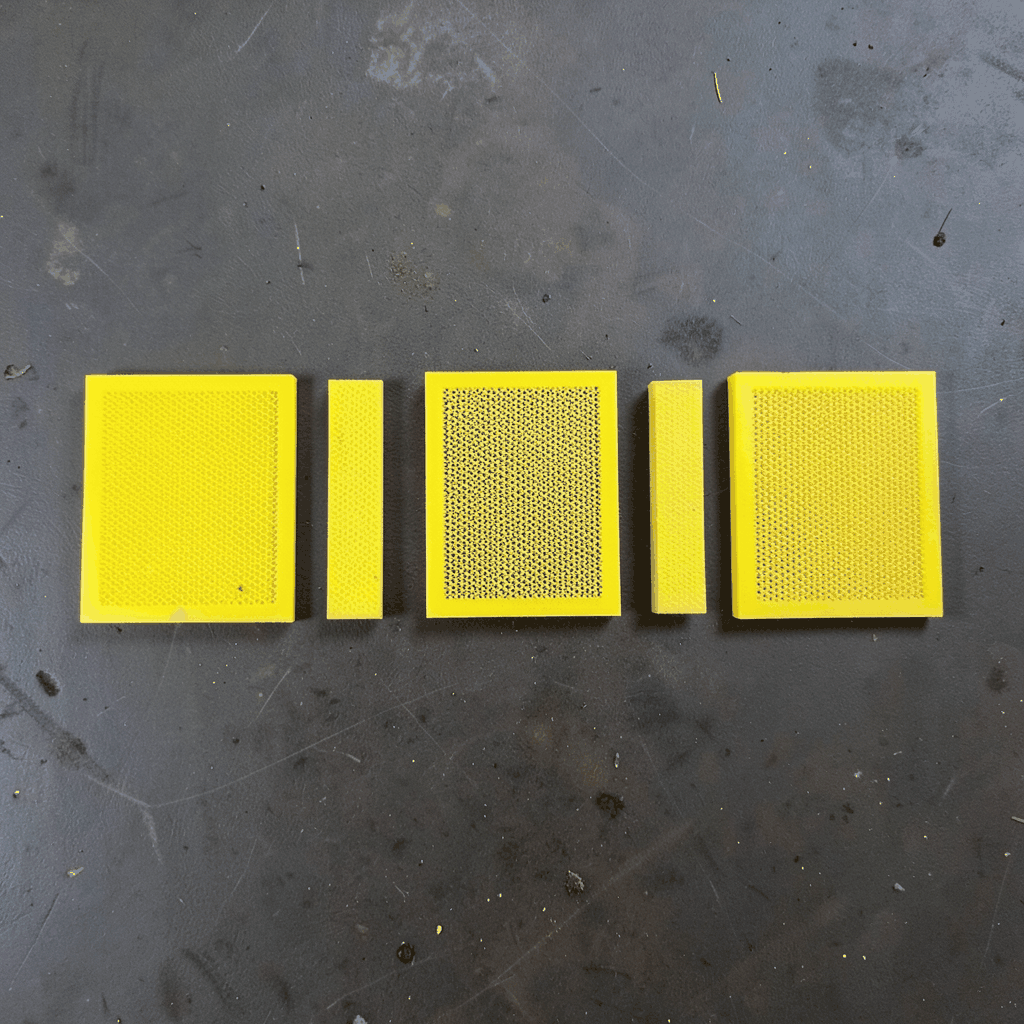
Metal Mesh for EMI Shielding in Data Centres
Data centres depend on stable electromagnetic conditions as much as they depend on reliable power, cooling and network connectivity. Servers, storage systems, switching equipment and monitoring electronics can all be affected by unwanted radio-frequency energy, while sensitive equipment can also create interference that travels through air, cable routes and building services. A well-designed conductive barrier helps keep these signals under control.
Metal mesh is a practical shielding material for equipment rooms, security partitions, ventilation openings, screened enclosures and architectural features. Stainless steel, aluminium, copper and other conductive alloys can be manufactured in different wire diameters, aperture patterns and finishes, allowing shielding performance to work alongside airflow, access, durability and visual requirements.
Why EMI Shielding Matters
Electromagnetic interference, commonly called EMI, occurs when unwanted electrical or radio-frequency energy disrupts the normal operation of electronic equipment. In a data centre, possible sources include power distribution units, uninterruptible power supplies, variable-speed drives, generators, transformers, wireless devices and high-density server racks. The risk is not always visible: intermittent faults, packet errors, unstable sensors or unexplained equipment resets may be linked to poor electromagnetic control.
Shielding is used to limit the movement of this energy between a protected space and its surroundings. The effectiveness of a shield depends on several factors, including the frequency of the interference, the conductivity and thickness of the material, the size of openings, the continuity of the enclosure and the quality of bonding between components.
A conductive metal screen can reflect part of the incident energy and absorb another part as the signal passes through the material. At higher frequencies, small gaps, unsealed joints and poorly fitted doors may become more significant than the broad surface area of the shield. This is why an EMI control strategy must consider the whole enclosure rather than treating mesh as an isolated panel.
How Conductive Mesh Controls Interference
Wire mesh forms a grid of conductive paths. When it is properly connected to a suitable grounding or bonding system, the grid can reduce the transmission of electromagnetic energy through an opening. The aperture size is especially important: smaller openings generally provide better attenuation at higher frequencies, while larger openings offer improved airflow and visibility but may allow more energy to pass.
Shielding performance is often described in decibels, or dB. A higher shielding effectiveness value indicates greater reduction of unwanted energy at a specified frequency range. However, a quoted dB figure should always be assessed alongside the test method, frequency band, mesh construction, frame design and installation conditions. A product that performs well in a laboratory may deliver weaker results if panels are separated by unbonded gaps on site.
Metal mesh is useful because it can combine electrical functionality with mechanical and architectural roles. It may protect an equipment cage, cover a screened ventilation opening, form a partition between technical zones or provide a visually controlled façade layer. This flexibility is valuable in facilities where access control, equipment visibility and cooling requirements must be managed together.
Selecting Aperture, Alloy and Finish
The selection process begins with the frequency range that needs to be controlled. A fine stainless steel mesh may be suitable where high-frequency attenuation and corrosion resistance are priorities. Copper has excellent electrical conductivity and can support demanding shielding applications, although it may require consideration of oxidation, handling and contact compatibility. Aluminium offers low weight and good conductivity, making it attractive for large panels, doors and removable screens.
Aperture ratio also affects ventilation. Open mesh allows air to move through a barrier, but the percentage of open area must be balanced against the required shielding level, pressure drop, acoustic expectations and protection from dust or physical contact. Guidance on how wire mesh aperture ratios influence airflow is relevant when screened panels are placed near cooling intakes, exhaust paths or ventilated façades.
The finish should match both the environment and the maintenance plan. Stainless steel may be selected for its resistance to corrosion and frequent cleaning. Powder-coated aluminium or steel can support a coordinated architectural appearance, but the coating must not interrupt essential electrical contact points. Any area intended for bonding should be designed so the conductive connection remains dependable after fabrication, installation and service work.
Designing for Australian Data Centres
Australian facilities face varied environmental conditions. A data centre in Sydney may need to account for coastal humidity and salt-laden air, while a site in Perth can experience dry dust and large temperature swings. Facilities around Melbourne may require careful planning for cool-season condensation and changing weather conditions, whereas sites in Brisbane or Darwin must give close attention to heat, humidity and corrosion resistance.
These conditions influence material selection, protective finishes and maintenance intervals. Stainless steel is often considered for exposed or frequently handled elements, while coated aluminium can reduce the weight of large architectural screens. The correct solution depends on the location, indoor environmental controls, exposure category and the way the panels are connected to the wider shielding system.
Australian projects also need to align with the relevant electrical, building, fire and workplace safety requirements. A local engineering team may need to coordinate the mesh system with earthing, cable management, access doors, fire-rated construction and mechanical services. Data centre operators commonly expect clear documentation, traceable materials and practical access for technicians, especially in high-availability facilities where maintenance windows are tightly controlled.
Integrating Mesh With Enclosures And Facades
Metal mesh can be integrated into server room partitions, equipment cages, screened doors, raised-floor service zones and mechanical plant areas. It can also be used behind decorative façades or as a secondary architectural layer around a technical building. This approach allows a project to maintain a consistent visual language without abandoning the functional needs of ventilation and electromagnetic control.
The supporting frame is as important as the mesh itself. Panels should be aligned with minimal gaps, and adjoining sections should be joined or bonded in a way that maintains electrical continuity. Hinged doors require conductive gaskets, finger stock or another suitable contact arrangement if they form part of the shield. Removable access panels need a repeatable connection that remains effective after repeated servicing.
Openings for cables, pipes, lights and air movement should be planned before fabrication. A large unprotected penetration can reduce the performance of an otherwise well-made enclosure. Where services must pass through a screened zone, designers may use filtered cable entries, conductive honeycomb vents, bonded sleeves or specially detailed transition frames. Early coordination prevents rushed site modifications that create unintended leakage paths.
Installation, Testing And Long-Term Care
Installation should include a clear bonding strategy, inspection of joints and verification that conductive surfaces have not been isolated by paint, sealant, dirt or incompatible fasteners. Different metals can create galvanic corrosion risks when exposed to moisture, so fixings and contact interfaces should be selected with the site environment in mind. Mechanical strength also matters in equipment rooms where panels may be touched, moved or exposed to trolley traffic.
Testing may include continuity checks, resistance measurements and shielding effectiveness assessments across the relevant frequency range. The appropriate test depends on the project objectives and the equipment being protected. Measurements should cover doors, corners, seams, removable panels, service penetrations and ventilation sections rather than focusing only on an undisturbed mesh sample.
Maintenance teams should inspect contact points, fasteners, seals and frame connections during planned service periods. Damaged mesh, loose hardware or newly added cable routes can reduce performance over time. A simple asset register showing panel locations, material specifications, bonding points and inspection dates helps operators maintain consistent protection across a growing facility.
Practical Specification Recommendations
A clear specification allows manufacturers, contractors and consultants to work from the same performance expectations. It should describe the target frequency range, required shielding effectiveness, environmental exposure, panel dimensions, aperture ratio, material grade, finish, frame construction and access requirements. It should also identify who is responsible for bonding, testing and final acceptance.
Custom fabrication is useful when a project combines technical shielding with architectural requirements. Panels may be produced as fixed screens, hinged doors, sliding sections, ceiling elements, equipment cages or decorative partitions. A manufacturer experienced in stainless steel, aluminium, copper and other mesh products can help coordinate wire diameter, weave style, edge treatment and frame details with the intended application.
Key points to include in a project brief are:
- Define the frequency range and minimum shielding attenuation before selecting mesh.
- Coordinate aperture size with cooling airflow, pressure drop, visibility and dust-control requirements.
- Specify conductive frames, reliable bonding points and treatment of doors, seams and service penetrations.
- Select alloys and finishes according to Australian climate, cleaning methods and corrosion exposure.
- Require inspection and testing records covering the complete installed enclosure, not only individual mesh samples.
Metal mesh can provide a balanced answer where a data centre needs electromagnetic control, airflow and a professional architectural finish. Its value comes from careful system design: the mesh, frame, door hardware, ventilation openings, cable entries and grounding connections must work together. Product selection alone cannot compensate for gaps or discontinuities in the finished installation.
For Australian projects, early collaboration between the data centre operator, electrical engineer, mechanical consultant, architect, installer and mesh manufacturer can reduce rework and improve reliability. It also makes it easier to adapt the design to local weather conditions, procurement expectations and the practical servicing habits of facilities in Sydney, Melbourne, Brisbane, Perth and other regions.
Shuo Ke Wire Mesh Product Technology Co., Ltd. can support customised metal mesh solutions for screened partitions, enclosures, façade elements, doors and related architectural or industrial applications. Share the required dimensions, alloy, finish, airflow objective and shielding conditions to develop a practical mesh specification for your data centre project.